When Ontario Outfitters Book Up
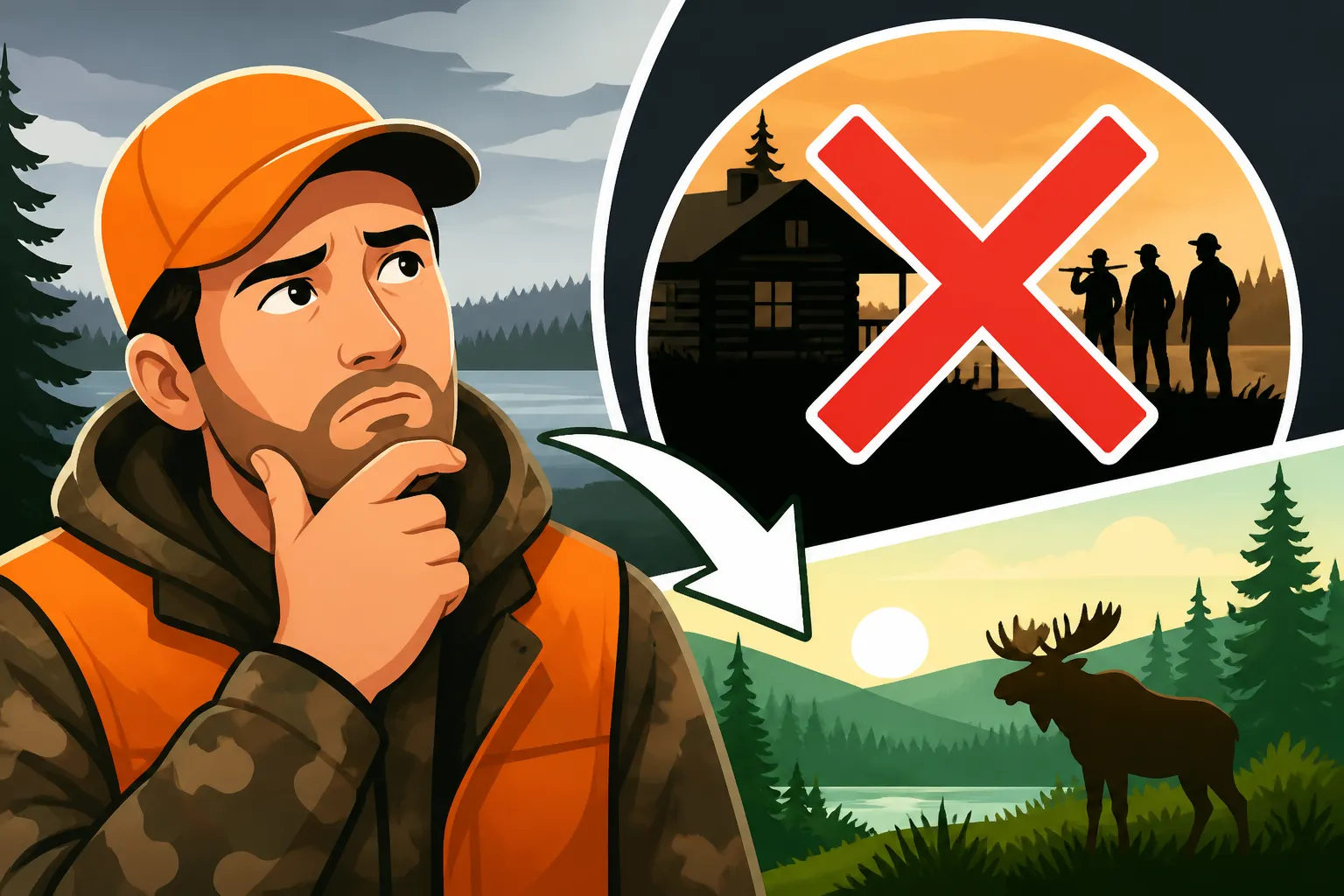
It's a familiar scenario for many of us, isn't it? You finally nail down your vacation days, rally your hunting buddies, and get that burning itch for a truly epic Ontario adventure, only to start calling outfitters and hear the dreaded words: "Sorry, we're completely booked for that season." It's incredibly frustrating to have your hopes dashed, especially when you've invested so much time and excitement. This guide is here to help you understand the realities of booking guided hunts in Ontario, giving you the insider scoop on typical timelines and strategies to avoid disappointment, ensuring your next big trip becomes a reality.
Understanding the Booking Landscape in Ontario
Hunting in Ontario, especially for big game like moose or bear, isn't just a walk in the park you decide on a whim. There's a vibrant outfitter community catering to hunters from all over, and with that popularity comes a certain level of demand. Understanding why outfitters book up, and when they tend to do so, is the first step to securing your spot.
The Impact of Demand on Availability
Think of it like this: Ontario offers some truly world-class hunting experiences, whether it's the thrill of a Moose Hunting Ontario's Northern Bush adventure, the challenge of Black Bear Hunting in Ontario, or the excitement of chasing whitetails in prime territory. This isn't a secret. Hunters from across North America, and even internationally, recognize the quality of hunting opportunities here. This high demand means that reputable outfitters, those with a proven track record, comfortable camps, and prime hunting areas, often fill their schedules incredibly quickly. They have a limited number of spots for each season to ensure a quality experience for every client and to manage the game resource responsibly. It’s not just about space in camp; it's about not over-pressuring their hunting areas.
If you've ever tried to book a popular lodge or a sought-after fishing trip, you'll know the drill. The best ones get snatched up fast. The same applies to hunting outfitters who consistently put hunters on game. They often have a high percentage of repeat clients who rebook year after year, sometimes even before they've left camp from their current hunt! This creates a loyal base that can make it tough for new hunters to get their foot in the door unless they plan far, far in advance.
Different Hunt Types, Different Booking Windows
Not all guided hunts in Ontario operate on the same booking timeline. The species you're pursuing, the method of hunting, and even the specific time of year can drastically alter how far in advance you need to commit. For instance, a remote fly-in moose hunt will likely have a much longer lead time than a day hunt for geese over a stubble field.
Consider the complexity and logistics involved. A moose hunt often requires significant planning, specialized gear, and a deep understanding of vast wilderness areas. An outfitter guiding a party for moose might only take a handful of groups per season due to the sheer effort involved in scouting, camp setup, guiding, and game retrieval. On the other hand, a waterfowl outfitter might run multiple groups a day from a base camp, allowing for a bit more flexibility, though prime dates still vanish quickly. The number of tags an outfitter can facilitate, especially for draw-based species, also plays a huge role. For example, for species managed through a draw system, an outfitter often needs to secure tag allocations well in advance. Ontario's Moose Tag Allocation Process is a prime example of a system that influences outfitter booking.
The Role of Peak Seasons and Rut Periods
If you're after a specific experience, like hunting the whitetail rut or calling a bull moose during its peak vocal activity, you're targeting the most sought-after weeks of the season. These "peak windows" are universally desired by hunters because they often offer the best chances for success and the most exciting hunting action. Naturally, these weeks are the first to be booked up, sometimes years in advance.
For deer hunters, the first two weeks of November in many parts of Ontario are absolutely prime for catching bucks during the intense breeding phase. Everyone wants to be out there when deer are on the move. Similarly, early to mid-September is a magical time for moose calling, as bulls are eager to respond. These windows represent the highest demand, and outfitters know it. If your heart is set on experiencing a specific peak period, that's where your advance planning truly needs to shine. Trying to find an opening for the third week of November on a Whitetail Hunting in Ontario trip, or the last week of September for Moose Hunting Ontario's Northern Bush, might be much easier than securing that red-hot first week of the rut.
Typical Booking Timelines for Popular Ontario Hunts
Let's dive into some more concrete timelines based on the types of hunts most popular in Ontario. Understanding these will help you manage your expectations and plan effectively.
Moose and Elk: The Long Game
When it comes to moose and elk, you're looking at a serious commitment in terms of planning. These hunts are often the most logistically intensive and involve either the provincial draw system or an outfitter's allocation.
For moose, it's not uncommon for hunters to book 18 months to 2 years out, or even longer, especially for a prime fall rut hunt. Outfitters often have specific numbers of moose tags they can offer, either through their own allocation or by helping clients navigate the draw. If you're hoping to get onto an outfitter's allocated tag, those spots are gold and disappear very quickly once they become available. Even if you're applying through the Ontario Moose Tag Allocation Process yourself, many outfitters prefer to work with hunters who have successfully drawn a tag well in advance, so they can plan accordingly. The window for applying to the primary draw itself often opens in April, and results are typically posted in July, so if you're targeting that route, your booking conversations need to start even earlier than those application dates. For detailed information, you can always check out When Primary Moose Applications Open. If you miss the primary draw, there's a second chance, but those spots are even more limited. Check When Second Chance Applications Open for those critical dates.
Elk hunting in Ontario is even more niche, as the reintroduction program means the herd is concentrated in specific areas like Bancroft. Elk Hunting Ontario's Bancroft Herd is an exclusive experience, and tags are extremely limited through a resident-only draw. If you're lucky enough to draw one of these rare tags, connecting with a guide who specializes in elk immediately after receiving your tag notification is paramount. These guides are few and far between, and their availability will be almost non-existent without significant lead time.
Black Bear: Spring vs. Fall Considerations
Black bear hunting in Ontario offers two distinct seasons: spring and fall. While both are popular, they each have their own booking dynamics.
Spring Bear Hunts: The spring season generally runs from May into June, varying slightly by Wildlife Management Unit (WMU). Spring Bear Hunting in Ontario is hugely popular, especially for non-resident hunters, as it's a fantastic time to combine a hunt with fishing. Baiting is a common and highly effective method for spring bear. Reputable outfitters who run good bait programs and have consistent success rates will book their spring spots 12 to 18 months in advance. The number of quality bait sites an outfitter can maintain is finite, and the work involved starts long before the season opens. If you're eyeing a specific outfitter known for big bears, start inquiring at least a year and a half ahead. This allows them to plan their baiting strategy and ensures you get a prime spot.
Fall Bear Hunts: The fall season typically opens in mid-August or early September and runs into October or November, depending on the WMU. While still popular, fall bear hunts sometimes offer a slightly shorter booking window than spring, perhaps 9 to 15 months out. This is partly because some hunters shift their focus to deer or moose in the fall, freeing up a few more bear spots. However, outfitters who specialize in Hunting a Fall Bear Bait in September still fill up quickly, especially those prime early September weeks when bears are actively feeding before hibernation. The advantage of fall is that bears are often putting on weight, potentially offering a heavier trophy.
Deer and Waterfowl: More Flexibility, Still Crucial Timing
While moose and bear often require multi-year planning, deer and waterfowl hunts can sometimes be booked with a bit less lead time, though "last minute" is still a risky game.
Deer Hunts: For Whitetail Hunting in Ontario, especially guided hunts on private land in Southern Ontario or in prime Northern Ontario bush, a 6 to 12-month lead time is generally wise. If you're targeting the absolute peak of the rut, extend that to 12 to 18 months. Outfitters who have exclusive access to productive private land or excellent Crown Land spots fill up fastest for the rifle season, particularly the opening week of November. Archery hunts, especially outside of the peak rut, can sometimes offer a bit more flexibility, with 6 to 9 months being feasible. Muzzleloader hunts, often held later in the season, might also have a slightly shorter booking window. Remember, Ontario Deer Season Dates and Tags can vary greatly by WMU, so confirm with your chosen outfitter which dates they operate.
Waterfowl Hunts: Waterfowl Hunting Across Ontario can be incredibly diverse, from layout blinds in cornfields for geese to marsh hunts for ducks. For popular field hunts for Canada geese or snow geese, especially during peak migration periods in late September and October, booking 6 to 12 months out is a safe bet. These outfitters often scout fields daily, and the logistics require careful planning. Field Hunting Geese in Ontario Stubble is a sought-after experience that fills up fast. However, for smaller-scale duck hunts, or during less intense migration weeks, you might find openings 3-6 months in advance. Outfitters with exclusive access to prime marshes or flooded timber are always in high demand.
Here's a quick overview of typical lead times:
| Hunt Type | Average Booking Lead Time (Months) | Peak Season Lead Time (Months) |
|---|---|---|
| Moose (Guided) | 18-24+ | 24-36+ |
| Elk (Guided) | 24-36+ (requires draw success) | 36+ |
| Black Bear (Spring) | 12-18 | 18-24 |
| Black Bear (Fall) | 9-15 | 12-18 |
| Whitetail (Rifle) | 6-12 | 12-18 |
| Whitetail (Archery) | 6-9 | 9-12 |
| Waterfowl (Field) | 6-12 | 9-15 |
| Waterfowl (Marsh) | 3-9 | 6-12 |
Note: These are general guidelines. Highly sought-after outfitters or specific prime dates can book up even faster.
Factors Influencing How Quickly Outfitters Fill Up
Beyond the species and season, several other critical factors play a role in how fast an outfitter's calendar gets filled. Understanding these can help you strategize your booking approach.
Reputation and Repeat Business
Let's be honest, word travels fast in the hunting community. An outfitter who consistently provides an exceptional experience, has high success rates (not guarantees, but good odds), comfortable accommodations, and friendly, knowledgeable guides will always be in high demand. These outfitters cultivate a loyal client base, and it's these repeat hunters who often rebook their next trip before even leaving camp.
Imagine you just had the hunt of a lifetime, saw plenty of game, enjoyed fantastic food, and made great memories. When the outfitter asks if you want to pencil in for next year, what do you say? Of course, you do! This cycle of repeat business is a huge reason why the best outfitters seem perpetually booked. They might only have a handful of spots open to new clients each year, and those vanish quickly. If you're trying to get into one of these highly reputable camps, you really need to be on top of your game, often contacting them at least two years out, perhaps even longer for popular weeks. Researching an outfitter's reputation online through platforms like BookYourHunt or GoHunt, and reading testimonials can give you a good sense of their popularity and how far in advance others typically book.
Group Size and Specific Accommodation Needs
The size of your hunting party can significantly impact booking availability. If you're a solo hunter, you might have an easier time finding a single open spot or fitting into an existing group. However, if you're planning a trip for a larger group – say, a family of four or a group of six buddies – your options become much more limited. Outfitters often have cabins or lodging that accommodate specific group sizes, and finding a week where an entire cabin is free can be challenging.
Let's say an outfitter has two cabins that sleep four people each. If a group of eight wants to book, they need both cabins for the same week. This is a much harder puzzle to solve for the outfitter than finding a single bed for a solo hunter. Furthermore, if you have specific needs, such as an accessible blind for a disabled hunter, or a preference for a housekeeping cabin versus an American plan, these specialized requests can further narrow down availability. It's crucial to be upfront with the outfitter about your group size and any specific needs right from your initial inquiry. This transparency helps them determine if they can accommodate you and avoids wasted time on both sides.
The Draw System and Allocation Tags
For species like moose and elk, where tags are controlled by a provincial draw system, the outfitter's ability to provide a tag or facilitate your draw success is a major factor in booking. Some outfitters receive a specific allocation of tags that they can offer to their clients. These are highly prized and usually tied to specific packages. If an outfitter has a strong track record of securing these allocated tags, their associated hunts will book up very quickly. You're not just booking a guide and a camp; you're securing a chance at a tag you might not get otherwise. This is a key part of Booking an Ontario Moose Hunt.
Alternatively, some outfitters primarily cater to hunters who have successfully drawn their own tags through the provincial system. In this scenario, your booking timeline is often dictated by the draw results. You might contact an outfitter before the draw to express interest, then confirm your booking immediately after receiving your positive draw notification. Delaying even a few days after draw results are posted can mean losing out on the prime spots to other successful tag holders. It's a bit of a chicken-and-egg situation: you need to plan to draw a tag, and you need to plan to book an outfitter, sometimes simultaneously.
Strategies for Securing Your Desired Hunt
Feeling a bit overwhelmed? Don't be! While the competition for prime spots can be intense, there are definitely proactive steps you can take to significantly improve your chances of getting the hunt you want.
Planning Ahead: The Golden Rule
This might sound obvious, but it truly cannot be stressed enough: plan as far ahead as humanly possible. For big game like moose or elk, thinking 2-3 years out is not excessive. For bear and prime deer/waterfowl dates, 12-18 months is a solid benchmark. The earlier you start your conversations with outfitters, the more options you'll have.
Here’s what planning ahead looks like in practice:
- Research, research, research: Don't just pick the first name you see. Look into various outfitters, read reviews, check their success rates, and consider what kind of experience you're truly after. Choosing the Right Ontario Outfitter is a critical first step.
- Initial contact: Reach out to several outfitters via email or phone. Introduce your group, state the species you're interested in, your preferred hunting method (e.g., archery, rifle), and your desired timeframe. Ask about their booking availability for upcoming seasons. Don't be shy about asking about their future calendars.
- Be deposit-ready: Once you find an outfitter you like with available dates, be prepared to put down a deposit quickly. Spots are often held only once a deposit is received, and you don't want to lose your ideal week because you hesitated. Understand the Ontario Deposit and Cancellation Terms beforehand.
- Flexibility helps: While you might have a dream week in mind, being open to a different week or even a different season (e.g., fall bear instead of spring) can increase your chances significantly. If your heart is set on Hunting Ontario's November Gun Season in a specific WMU, be prepared for fierce competition.
Leveraging Online Platforms and Resources
The internet has made it easier than ever to connect with outfitters and explore options. Don't underestimate the power of online resources to help you find and book your hunt.
- Outfitter directories: Websites like BookYourHunt and GoHunt are fantastic resources. They aggregate listings from numerous outfitters, allowing you to filter by species, region, and hunt type. These platforms often provide detailed descriptions, photos, and verified reviews from past clients, giving you valuable insights into an outfitter's operations and reputation. You can often see an outfitter's availability calendar right on these sites, making it easy to spot potential openings without having to call each one individually. When searching for Booking an Ontario Black Bear Hunt or Booking an Ontario Deer Hunt, these sites can be invaluable.
- Social media and forums: Follow outfitters on social media. They often post last-minute openings, cancellation spots, or announce their booking timelines for future seasons. Hunting forums specific to Ontario can also provide genuine feedback and recommendations from other hunters, as well as leads on lesser-known but reputable operations.
- Direct outfitter websites: Always check the outfitter's own website for the most current information. Many will post their upcoming availability or a clear outline of their booking process.
When you're sifting through all this information, pay close attention to any mentions of how long an outfitter typically books out, and if they have a waitlist. It might be worth getting on one, especially if you're targeting a top-tier operation.
Being Flexible with Dates or Hunt Types
While everyone dreams of a perfect hunt during the peak of the rut, sometimes being a little flexible can be the key to getting any hunt at all.
- Consider shoulder seasons: The weeks immediately before or after the peak rut can still offer fantastic hunting. For example, the last week of October for deer, or the tail end of the moose rut in early October, might have openings when the absolute prime weeks are full. Game is still present and active, and you'll often encounter less hunting pressure.
- Explore different methods: If you can't get into a rifle hunt, consider an archery hunt instead. Bowhunting Ontario's Long Archery Season offers a unique challenge and often has more availability. Similarly, a muzzleloader hunt might open up dates that a rifle hunt won't. Being proficient with multiple weapons gives you more options.
- Look at different species: Perhaps your dream moose hunt is booked solid for the next three years. Would a bear hunt be an exciting alternative? Or maybe a fantastic waterfowl experience? Many outfitters offer combination hunts too, like Ontario Moose and Grouse Combination Hunts, which could expand your possibilities.
- Smaller groups or solo options: If your large group can split into two smaller groups or if some members are willing to hunt solo and meet up in camp, you might find more availability. Outfitters often have single spots or smaller cabins that are easier to fill.
Ultimately, securing a guided hunt in Ontario, especially for high-demand species and prime dates, comes down to preparation and persistence. Start early, do your homework, and be ready to commit. Good luck, and happy hunting!
Disclaimer
This article is for general informational purposes only and does not constitute professional advice. Laws, prices and regulations vary by location and change over time. Consult a qualified professional for guidance on your specific situation.