Spring Bear Hunting in Ontario
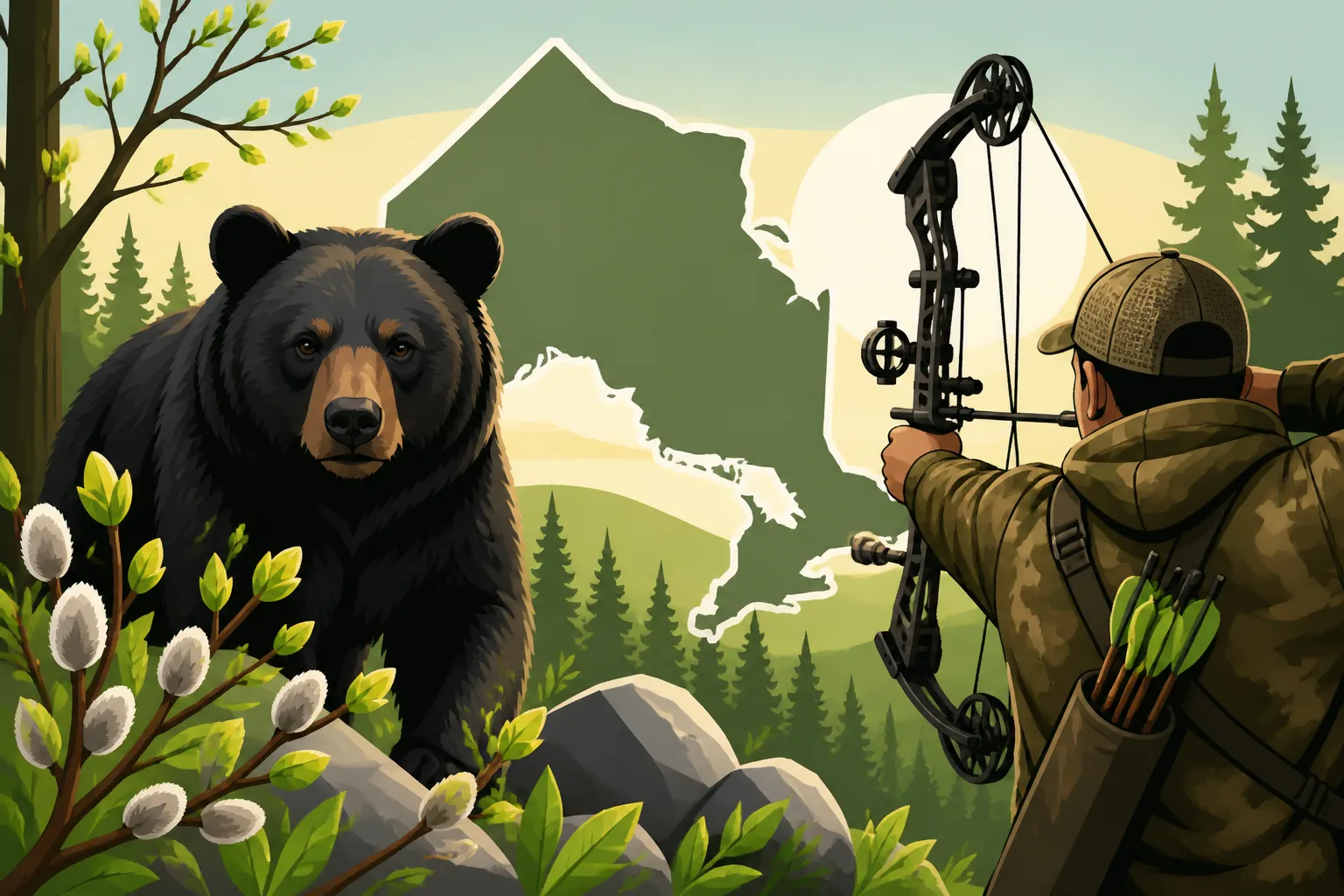
After months of long winter nights, that first hint of green on the forest floor, the sound of songbirds returning – it’s a feeling that awakens something primal in every Ontario hunter. But for many, the anticipation isn't just about spring itself; it's about the unique thrill and challenge of spring bear hunting. This guide is dedicated to helping you navigate the exciting, yet often demanding, world of pursuing black bears in Ontario during their first emergence from the den.
The Unique Challenge and Reward of Ontario's Spring Bear Hunt
There’s something truly special about hunting black bears in the spring in Ontario. Unlike the fall, when bears are focused on bulking up for winter, spring offers a glimpse into their immediate post-denning behaviours. They're emerging from hibernation, often lean, hungry, and looking for those first available food sources. This means their patterns are different, the weather can be wildly unpredictable, and the overall experience holds a distinct flavour compared to any other hunt. Many hunters cherish the spring season for its quiet solitude, the beauty of the awakening forest, and the sheer accomplishment of harvesting an animal after a long winter's wait.
Why Spring Bear Hunting is Different
The dynamics of a spring bear hunt are truly a world apart from a fall hunt. When bears first emerge, usually in late March or April, their metabolism is slow, and they're shedding winter weight. They aren't in a hurry to pack on fat, but rather to find easily digestible, nutrient-rich foods to get their systems back in gear. This translates to different travel patterns, different preferred habitats, and a different set of challenges for the hunter.
You're dealing with melting snow, potential mud, and often fluctuating temperatures that can swing from shirt-sleeve warm to below freezing with an unexpected snow squall. This early season variability demands a high degree of preparedness, not just in terms of gear, but also in understanding bear biology and adapting your strategies on the fly. It's a hunt where patience is a virtue, and understanding the bear's immediate post-denning needs is paramount.
The Allure of the Awakening Forest
Beyond the pursuit of the bear itself, the spring hunt immerses you in the breathtaking transformation of the Ontario wilderness. The world is coming alive after its winter slumber. You’ll witness the forest floor carpeted in emerging wildflowers, hear the distinct drumming of a ruffed grouse, and watch migratory birds return to their nesting grounds. It’s an incredibly vibrant time to be in the woods, offering far more than just the hunt itself.
The air is crisp, often carrying the fresh scent of damp earth and new growth. These sensory experiences contribute significantly to the overall appeal, making a spring bear hunt an experience that connects you deeply with the natural world. It's a chance to shake off your own winter cobwebs and recharge amidst Ontario's unparalleled natural beauty.
Understanding Ontario's Spring Bear Season Rules
Navigating the regulations for any hunt in Ontario can feel a bit like deciphering an ancient text, and spring bear hunting is no exception. The rules are in place to ensure a sustainable harvest and the ethical treatment of animals, but they do require careful attention. It’s absolutely vital to be intimately familiar with the specific guidelines for your chosen Wildlife Management Unit (WMU) and to adhere to all provincial requirements before you even think about heading into the bush.
Season Dates and WMU Specifics
Ontario’s spring bear season dates vary depending on the WMU you plan to hunt. While many areas offer a spring season, some do not, and the start and end dates can differ slightly. Generally, the season runs through May and into mid-June in most eligible WMUs. It's not a uniform opening across the entire province, so you absolutely must consult the current Ontario Hunting Regulations Summary for the specific WMU you intend to hunt. This document is your bible, and it’s updated annually.
Beyond the specific dates, it's also crucial to understand any local regulations or closures that might apply. For instance, certain areas might have special conditions or be entirely closed to spring bear hunting to manage local populations. Knowing your WMU thoroughly is the first step, whether you're planning to hunt around the vast expanses of the Chapleau country, or closer to more accessible regions near North Bay.
Licence and Tag Requirements
Before you can even consider chasing a spring bear, you'll need the proper licensing. This includes a valid Outdoors Card and an Ontario Black Bear Licence. If you're a non-resident of Ontario, you generally must hunt with an approved Ontario bear outfitter who holds a valid Bear Management Area (BMA) licence. This is a critical distinction, as residents have more flexibility to hunt independently or set their own baits on Crown Land where permitted.
The cost of an Ontario Black Bear Licence Cost will be a factor in your planning, so make sure to budget accordingly. Remember, it's not just about purchasing the license; you must also have it with you while hunting, whether in physical or digital format on your phone. Ignorance of the rules is never an excuse, and game wardens are diligent in ensuring compliance for the sake of the resource.
Ethical Considerations and Legalities
One of the most important aspects of spring bear hunting in Ontario revolves around the ethical implications, particularly concerning sows with cubs. It is strictly prohibited to harvest a sow with cubs, and this is where careful observation and identification become paramount. When you’re sitting on a bait site, or even spot and stalking, you need to be absolutely certain of the bear's sex and whether it has young in tow.
Understanding Why You Cannot Shoot a Sow With Cubs is not just about legality; it’s about responsible wildlife management and ensuring the continued health of the bear population. This requires patience and often means letting smaller bears, or bears you can’t positively identify, walk. It’s a moment of truth for every hunter, reinforcing the respect we owe to these magnificent animals. Furthermore, ensure you understand all baiting regulations, firearm restrictions, and blaze orange requirements, even though blaze orange is often not required for bear hunting, it's always wise to check for any special circumstances or local bylaws.
Key Strategies for Successful Spring Bear Hunting
Spring bear hunting is a strategic game, demanding adaptability and a keen understanding of bear behaviour during this unique time of year. Bears are driven by hunger and the need to recover from hibernation, but their movements are often dictated by weather fluctuations and the availability of those early food sources. Whether you're planning to sit a bait or attempt a spot and stalk, having a solid strategy is crucial for success.
Identifying Prime Spring Bear Habitat
When bears first emerge from their dens in the spring, they are looking for specific conditions. Sunny, south-facing slopes are often key, as these areas warm up faster and are typically where the first green vegetation appears. Look for areas with rich, moist soil where skunk cabbage, sedges, and other early greens might be sprouting. These locations provide the first easily digestible roughage that bears need to get their digestive systems back in order.
Beyond these early greens, bears will also seek out areas with exposed winter-killed carcasses or beaver lodges, which can provide a high-protein meal. Focus your scouting efforts on transitional zones where different habitat types meet, like the edge of a cedar swamp edge, or a pine plantation edge next to a hardwood ridge. These "edges" often act as natural travel corridors and provide diverse food options. Using satellite imagery, perhaps with a tool like GoHunt, can help you identify these potential hot spots from your home office before you ever set foot in the woods.
Baiting for Spring Bear
Baiting is a widely used and often highly effective method for spring bear hunting in Ontario, particularly for residents or those hunting with an outfitter. The concept is simple: establish a consistent food source to attract bears to a specific location, allowing you to observe and identify them before taking a shot. But effective baiting is far from simple; it's an art and a science.
You need to select a good bait site, ideally in a secluded area away from human disturbance, with good natural cover for setting up a stand or blind. Consider prevailing wind directions and escape routes for the bears. Consistency is key with baiting – once you start, you need to keep the bait replenished regularly. A mix of sweet and oily foods, like pastries, grease, dog food, or even old meat scraps, can be effective. The goal is to create a compelling scent trail and a consistent food reward. Remember, Setting a Bear Bait Site in Ontario involves specific rules, so always refer to the regulations.
Spot and Stalk Techniques
While baiting is popular, spot and stalk hunting for spring bear offers a different kind of thrill, relying heavily on keen observation skills and stealth. This method is particularly challenging but incredibly rewarding. Look for bears in open areas where new growth is occurring, like recent clear-cuts, old logging roads, or along power line corridors. These spots offer visibility for both you and the bear, so careful movement and patience are paramount.
Often, you'll want to hunt these areas during the cooler parts of the day – early morning and late evening – when bears are more likely to be active. Utilize binoculars or a spotting scope to scan distant areas thoroughly. Once you spot a bear, the real work begins: analyzing the terrain, planning your approach based on wind and cover, and slowly closing the distance for a clean shot. This method demands excellent woodsmanship and physical fitness, especially when navigating dense Ontario bush.
Essential Gear for an Ontario Spring Bear Hunt
A successful spring bear hunt isn't just about knowing where to go or what tactics to employ; it's also heavily reliant on being properly equipped. Ontario's spring weather can throw anything at you, from warm sunshine to freezing rain or even late-season snow. Having the right gear, from your weapon of choice to your clothing and navigation tools, will significantly enhance your comfort, safety, and ultimately, your chances of success.
Clothing and Footwear for Variable Weather
Layering is the golden rule for spring hunting in Ontario. Start with a moisture-wicking base layer, add insulating layers like fleece or wool, and top it off with a waterproof and windproof outer shell. Think about bringing a spare set of clothes, especially socks, as wet feet can quickly ruin a hunt and lead to discomfort or worse. You’ll be sitting for long periods, or covering ground, so adaptability to changing conditions is key.
For footwear, sturdy, waterproof boots are non-negotiable. Spring often means muddy trails, wet marshy areas, and melting snow. Look for boots with good ankle support and aggressive traction. Neoprene rubber boots are an excellent choice for keeping your feet dry in the wet conditions typical of early spring. Many hunters opt for hip waders if they anticipate crossing beaver ponds or particularly boggy terrain.
Weaponry and Ammunition Choices
Whether you prefer rifle hunting Ontario's deer season or are more inclined towards bowhunting Ontario's long archery season, your weapon choice for bear needs to be appropriate. For rifles, a minimum calibre of .270 is often recommended, with popular choices including .30-06, .308, and .300 Win Mag. Bears are tough animals, and you want enough kinetic energy and bullet construction to ensure a quick, ethical harvest. Premium bullets designed for deep penetration and controlled expansion are highly advisable.
For archers, sufficient draw weight and a well-tuned bow are crucial. Broadheads should be sharp, strong, and designed for heavy bone penetration. Many prefer fixed-blade broadheads for bear due to their robust construction. Whatever your choice, ensure you are intimately familiar with your weapon, have practiced extensively, and can place a shot accurately under pressure. A reliable handgun as a backup, where legal, can also offer peace of mind.
Navigation and Safety Equipment
Even if you're hunting with an outfitter or in a familiar area, robust navigation tools are non-negotiable. A GPS unit (either dedicated or on your phone with downloaded maps) is essential. Platforms like GoHunt offer excellent mapping capabilities that can be invaluable for understanding terrain, marking bait sites, and tracking your movements. Always carry a compass and a physical map as a backup, and know how to use them. Cell service can be spotty to non-existent in many parts of the Ontario bush.
Beyond navigation, a comprehensive first-aid kit is crucial. Include items for cuts, blisters, and any personal medications. Bear spray, easily accessible, is a wise precaution in bear country. A headlamp or flashlight, knife, fire starter, cordage, and emergency shelter are also important components of a well-prepared pack. Always let someone know where you are going and when you expect to return, especially if you’re hunting alone.
Ethical Harvest and Meat Care
Successfully harvesting a black bear in the spring is a profound experience, but the work isn’t over when the shot is fired. Ethical harvest means more than just a clean kill; it extends to respectful handling of the animal post-harvest. Proper field dressing, meat care, and reporting are critical steps that ensure you honour the animal and comply with Ontario’s regulations.
Field Dressing and Cooling Your Bear
Given that spring temperatures can sometimes be quite warm, immediate and thorough field dressing is absolutely vital to preserve the quality of the meat. Bears have a thick hide and a heavy fat layer, which can retain heat and spoil meat quickly. As soon as you recover your bear, get to work. Remove the entrails as quickly as possible, ensuring you also remove the lungs and heart. If you're physically able, prop the body cavity open with sticks to allow maximum airflow for cooling.
Depending on your plans for the hide (rug, skull mount), you may need to skin the bear in the field. If not, skin it as soon as possible, ideally by hanging it if conditions allow. The goal is to get that heat out of the meat rapidly. Even in cooler spring conditions, don't underestimate the heat-retaining properties of a bear's body. Learn about Field Dressing in Warm Ontario Weather for specific tips.
Transporting and Processing Bear Meat
Transporting a bear, especially a large one, out of the bush can be a monumental task. Consider quartering the bear in the field if you’re deep in the wilderness or on a fly-in hunt. Having robust game bags is essential to keep the meat clean and free from insects during transport. Once you're out of the bush, get the meat to a walk-in cooler or a butcher as quickly as possible.
Bear meat, when handled properly, is delicious and versatile. However, due to the potential for trichinosis (a parasite that can be found in some carnivorous animals), bear meat must be cooked thoroughly to an internal temperature of at least 160°F (71°C). Many hunters take their bear to professional butchers who are experienced in processing wild game, ensuring all cuts are properly prepared and packaged for the freezer.
Mandatory Reporting and Trophy Export
In Ontario, successful hunters are legally required to report their harvest. This is not just a formality; it provides crucial data to wildlife managers for population assessment and setting future hunting regulations. You can typically report your harvest online through the Fish and Wildlife Licensing Service or by contacting the Ministry of Natural Resources and Forestry (MNRF). Ensure you understand all the specifics for Reporting Your Ontario Harvest.
If you're a non-resident and wish to take your hide, skull, or meat across the border, you will need a Non-Resident Export Permit. This permit certifies that the animal was legally harvested and allows for its transport out of the province. Plan ahead to obtain this, as it's a necessary step for bringing your trophy home. Taking Meat and Antlers Across the Border requires adherence to both Canadian and your home country's regulations, so do your homework well in advance.
Planning Your Ontario Spring Bear Hunt
Putting together a spring bear hunt in Ontario, especially for those new to it, can feel like a big undertaking. From understanding the nuanced regulations to securing the right gear and making travel arrangements, there are many moving parts. A well-thought-out plan, however, can turn potential headaches into a smooth and enjoyable experience, leading to a successful and memorable hunt.
Resident vs. Non-Resident Considerations
This distinction is perhaps the most significant when planning an Ontario spring bear hunt. For Ontario residents, the process generally involves purchasing your Outdoors Card and Black Bear Licence, then deciding if you'll hunt on Crown Land, private land (with permission), or with a local outfitter. Residents have the flexibility to set their own bait sites and manage their hunt independently, provided they follow all regulations.
Non-residents, on the other hand, face stricter requirements. By law, non-residents must generally hunt black bears with the services of an outfitter who holds a Bear Management Area (BMA) licence. This simplifies logistics for many, as the outfitter will handle things like bait sites, guiding, and often accommodation. When Booking an Ontario Black Bear Hunt with an outfitter, ensure they are reputable and check references. This also influences your Ontario Black Bear Licence Cost, as non-resident fees are higher.
Choosing a Wildlife Management Unit (WMU)
Ontario's vastness means there are numerous WMUs, each with its own characteristics, bear populations, and hunting pressures. Some WMUs are known for higher bear densities, such as those in the Boreal Forest regions of Northwestern Ontario around Dryden and Sioux Lookout, or parts of Northeastern Ontario near Timmins and Cochrane. These areas often offer extensive Crown Land access.
When choosing a WMU, consider accessibility, whether you prefer remote wilderness or areas closer to amenities, and critically, the specific spring bear season dates for that unit. Using resources like Ontario's WMU maps and checking harvest statistics (if available) can help inform your decision. For a deeper dive into the provincial landscape, explore articles like Hunting Northwestern Ontario's Big Bush or Hunting Northeastern Ontario's Clay Belt.
Budgeting and Logistics
Hunting, especially for big game, involves costs beyond just licences and tags. Factor in travel expenses (fuel, flights), accommodation (campsite fees, cabin rentals, or outfitter package costs), food, and potentially gear upgrades. If you're driving long distances, consider vehicle maintenance and prepare a comprehensive "truck kit" for any roadside emergencies, especially in northern regions.
Logistically, think about how you'll transport your bear once harvested. Will you have access to a cooler? Do you need to pre-arrange a butcher? If you’re flying in, what are the weight restrictions for meat and hide? Planning these details beforehand will save you immense stress later. Many outfitters offer comprehensive packages that cover these logistics, which can be a huge benefit for non-residents or those new to the region.
| Aspect | Resident Hunter | Non-Resident Hunter |
|---|---|---|
| Licensing | Outdoors Card, Resident Black Bear Licence | Outdoors Card, Non-Resident Black Bear Licence |
| Guide Requirement | Optional | Generally mandatory with a licensed Ontario bear outfitter |
| Baiting | Can set own bait on Crown Land (where permitted) | Outfitter typically provides baited sites within their Bear Management Area (BMA) |
| Access to Land | Crown Land, private land with permission | Primarily within outfitter's BMA; some outfitters offer Crown Land access in their area |
| Cost | Generally lower (licence fees, DIY trip costs) | Generally higher (outfitter package fees, non-resident licence fees, travel) |
| Permit for Export | Not required for personal consumption within Ontario | Required for taking hide, skull, or meat across international borders |
| Planning & Logistics | Self-managed, requires thorough research and preparation | Often handled by outfitter (accommodation, meals, stands, field dressing assistance) |
Disclaimer
Please note that hunting regulations in Ontario are subject to change. This guide provides general information and recommendations. It is the sole responsibility of the hunter to consult the most current Ontario Hunting Regulations Summary, published by the Ministry of Natural Resources and Forestry, for specific dates, rules, and requirements pertaining to their chosen Wildlife Management Unit before participating in any hunting activity. Failure to comply with regulations can result in significant penalties.