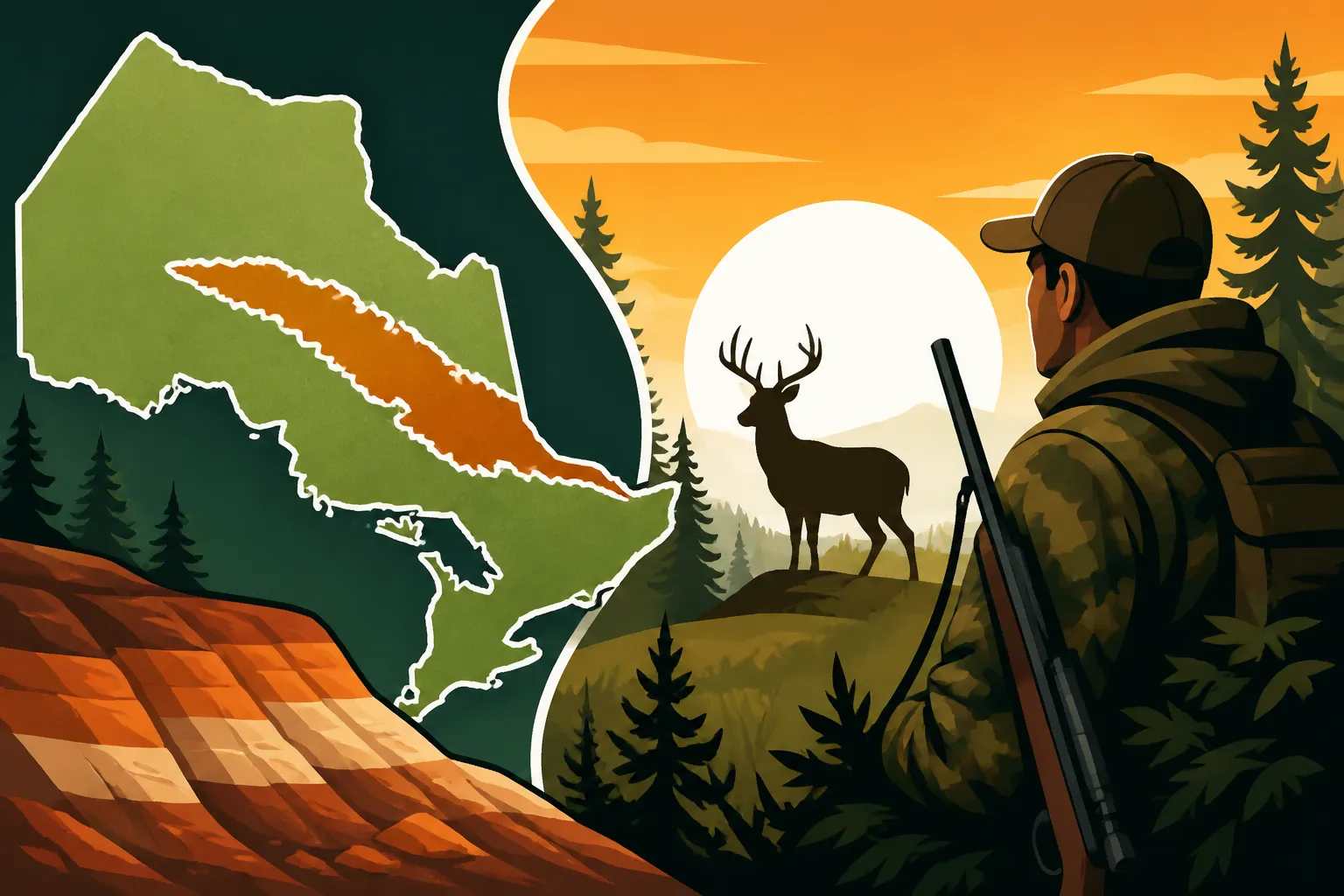
Hunting Northeastern Ontario’s Clay Belt
Hunting Northeastern Ontario's vast Clay Belt can feel like stepping into another world, a place where the landscape itself seems to hold a different rhythm than the rest of the province. Many hunters get overwhelmed by the sheer scale and the seemingly endless tracts of dense bush, worried they'll get lost or simply won't know where to begin. This comprehensive guide is here to help you unravel the mysteries of this unique hunting region, providing practical insights and strategies to confidently plan and execute a successful hunt in the Clay Belt.
Understanding the Clay Belt Landscape
The Clay Belt of Northeastern Ontario is a truly distinctive geographical area, vastly different from the rocky Canadian Shield or the agricultural lands of Southern Ontario. This ancient lakebed, left behind by glacial Lake Ojibway, created a massive expanse of rich, fertile clay soil, which in turn nurtures a unique forest composition. Understanding this landscape is paramount to understanding where game lives and how to hunt it effectively.
Geological Makeup and Vegetation
Imagine a massive, flat basin, hundreds of kilometres across, where ancient glaciers once scraped the bedrock clean and then deposited vast layers of fine, silty clay. This is the foundation of the Clay Belt. Unlike the thin, acidic soils of the Shield, the Clay Belt’s deep, nutrient-rich soil supports a different kind of forest. You'll find extensive stands of black spruce and balsam fir in the wetter, low-lying areas, creating dense, almost impenetrable thickets. These dark, coniferous forests are often interspersed with areas of poplar, birch, and willow, especially along river systems, old burns, and recent logging cuts.
These varying tree types create a mosaic of habitats. The dense spruce offers incredible thermal cover for moose and deer during harsh winters, and bedding areas year-round. The deciduous stands, particularly the poplar and willow, are crucial browse for moose and provide excellent foraging opportunities for deer, especially during the spring green-up and early fall. Knowing this, you can start to predict where different species might be concentrating their efforts throughout the season.
Water Features and Their Impact
The Clay Belt is crisscrossed by countless rivers, streams, and a multitude of shallow lakes and extensive wetlands. Because the underlying clay soil is often poorly drained, you'll encounter numerous bogs, fens, and beaver flowages. These aren't just scenic; they are central to the ecosystem and profoundly influence game movement. Rivers and large creeks often act as natural travel corridors for moose and bear, offering easier passage through otherwise thick bush. Beaver ponds, in particular, create diverse edge habitats, with new growth popping up after flooding, attracting everything from moose to waterfowl.
Navigating these water features can be a challenge. What looks like a small stream on a map might be a formidable obstacle on the ground, especially after heavy rains. Conversely, frozen beaver ponds and swamps can become crucial travel routes in late fall and winter. For hunters, these water features mean considering access points carefully. Sometimes the easiest way into prime habitat is by canoe or by following an old trapline that skirts a wetland. Always be prepared for wet feet, even on seemingly dry ground. Planning your approach with detailed topographic maps or digital mapping tools like onX Hunt, which can show wetlands and waterways in detail, is absolutely essential.
Prime Game Species of the Clay Belt
The Clay Belt, with its unique blend of dense boreal forest, wetlands, and regenerating timber, is a haven for several iconic Ontario big game and small game species. Targeting these animals requires understanding their specific habitat preferences and movements within this unique environment.
Moose: The King of the Clay Belt
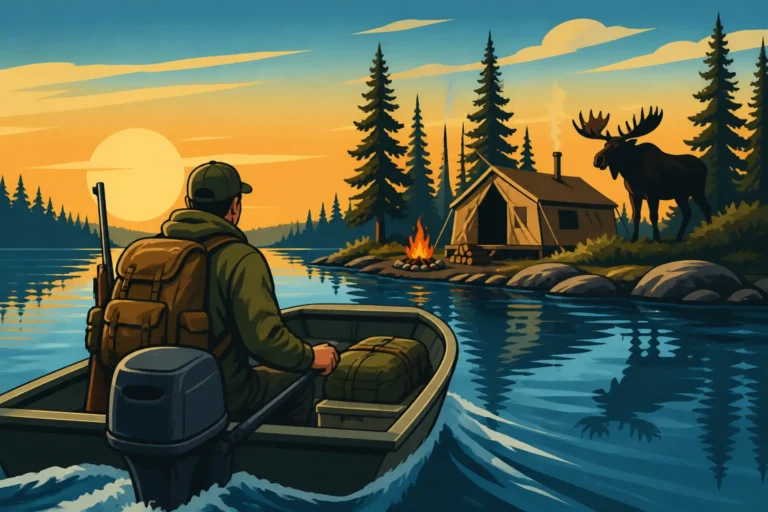
For many, the Clay Belt is synonymous with moose hunting. These magnificent animals thrive in the mix of mature spruce for cover and the abundant willow, birch, and aspen stands that provide their primary food source. You'll find moose concentrated around regenerating clearcuts that are a few years old, offering a buffet of young browse. They also frequent the edges of vast bogs and fens, particularly during the summer and early fall when aquatic vegetation is a preferred food. During the rut, typically in late September and early October, bulls become much more vocal and mobile, making calling a highly effective strategy in the vast and often quiet Clay Belt. Calling a Bull Moose in the Rut can be an incredibly exciting experience in this type of country.
Moose in the Clay Belt are masters of disappearing into the thick cover. Even a giant bull can vanish in a matter of seconds. Hunters often focus on old logging roads, hydro lines, and natural corridors like river valleys as travel routes, setting up ambush points or listening for calls. Scouting for fresh sign – large tracks, rubbed trees, and fresh droppings – is crucial. Remember that the Clay Belt moose population, like much of Ontario's, has its ups and downs, but the sheer size of the habitat means opportunities are always present for diligent hunters.
Black Bear: Abundant and Wary
Northeastern Ontario is prime black bear country, and the Clay Belt is no exception. With its extensive forests, numerous berry patches, and scattered agricultural interfaces on the fringes, bears find ample food and cover. Spring bear hunting in the Clay Belt, typically from May to June, sees bears emerging from dens and seeking out early green-up in clearings, along logging roads, and often near water sources. Fall hunting, from August through October, revolves around natural food sources like berries (blueberries, raspberries, saskatoons) and eventually acorns in hardwood areas, though these are less common in the deep Clay Belt.
Hunting black bears often involves baiting, which is a popular and effective method in this dense terrain. Hunters set up bait stations strategically, often along old logging roads or trails, and then observe from treestands or ground blinds. Bears in the Clay Belt can be incredibly wary and intelligent, requiring patience and meticulous attention to scent control. Setting a Bear Bait Site in Ontario in this type of environment is a serious undertaking that requires regular maintenance and careful planning to be successful. Even when not actively baiting, hunters will often find bears foraging along cut lines, berry patches, or near isolated stands of aspen.
White-Tailed Deer: Adapting to the North
While Southern Ontario is renowned for its deer numbers, the Clay Belt offers a different experience for Whitetail Hunting in Ontario. Here, deer populations are generally lower and more scattered, though pockets of excellent hunting exist, particularly on the southern and western edges of the Clay Belt where agricultural land starts to intermix with the forest. Deer in the Clay Belt face tougher winters than their southern counterparts, so they tend to concentrate in areas offering good thermal cover, such as dense cedar swamps or thick conifer stands. They will also utilize cutovers and aspen stands for browse, much like moose.
Hunting Clay Belt deer often means covering more ground and focusing on transition zones – where different forest types meet, or where bush edges up against smaller clearings or old farmsteads. Look for deer sign along old logging roads, especially where they intersect with thicker cover. The rut here typically peaks in early to mid-November, offering a concentrated window of opportunity. While you might not see the sheer numbers of deer as in southern areas, the Clay Belt can produce some exceptionally robust, hard-antlered bucks that have thrived in a challenging environment.
Other Game: Small Game and Waterfowl
Don't overlook the incredible opportunities for small game and waterfowl in the Clay Belt. The dense spruce and poplar stands are fantastic for Ruffed Grouse Hunting Ontario's Bush Roads and Hunting Spruce Grouse in Black Spruce. These birds are often found dusting themselves on old logging roads, making for exciting encounters as you walk or drive quietly through the bush. Look for them along the edges of clearcuts and where mixed forest transitions to denser cover.
The numerous lakes, rivers, and beaver ponds throughout the Clay Belt provide excellent habitat for waterfowl. Ducks, particularly mallards, black ducks, and ring-necked ducks, frequent these waters. Wood ducks can often be found along smaller creeks and beaver flowages. While large field hunts for geese are more typical further south, you can certainly find pockets of Canada geese on larger Clay Belt lakes. Jump-shooting smaller ponds or setting up blinds on larger water bodies can be very productive for ducks. Remember, for waterfowl, you'll need a federal migratory bird permit in addition to your provincial licence.
Navigating Crown Land and Access
A significant appeal of hunting the Clay Belt lies in its vast expanses of accessible Crown Land. However, navigating and effectively utilizing this public land requires some specific knowledge and planning.
Understanding Crown Land Rules
Ontario boasts an incredible amount of Crown Land, particularly in the northern regions like the Clay Belt, which means extensive public hunting opportunities. But with this privilege comes responsibility and specific regulations. Before you even pack your bags, it's crucial to understand the rules for Hunting Ontario's Crown Land. This includes regulations on camping, vehicle use, and the placement of tree stands. Generally, non-motorized access is permitted, but driving off established roads is often restricted to minimize environmental impact. Always check the specific rules for the area you intend to hunt, as some areas may have additional restrictions.
It's also important to remember that Crown Land is multi-use land. You might encounter other users – hikers, anglers, ATV riders, or even active logging operations. Respect for other users is paramount. Always be aware of your surroundings, wear appropriate blaze orange during big game seasons, and ensure you have permission before crossing any private property that might border Crown Land. Understanding where the Crown Land actually begins and ends is critical, and this is where mapping tools become invaluable.
Using Mapping Tools for Clay Belt Navigation
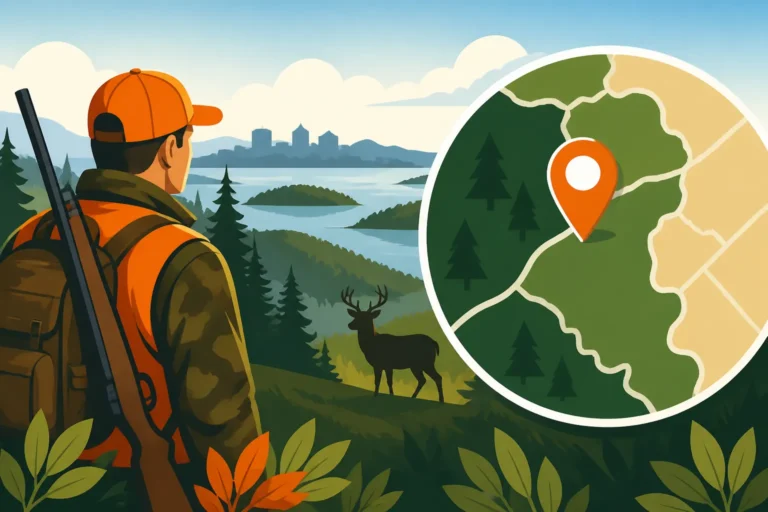
Given the immense and often featureless nature of the Clay Belt bush, mapping tools are not just helpful; they're essential. Forget relying solely on paper maps, although carrying a backup is always wise. Digital platforms like onX Hunt and others have revolutionized how hunters navigate this terrain. These apps allow you to download maps for offline use, pinpoint your exact location via GPS, mark waypoints for game sign or camp, and most importantly, clearly delineate Crown Land boundaries from private holdings. This is especially vital when you're on the fringe of the Clay Belt where private woodlots and farms might abut public land.
Before you go, spend considerable time scouting remotely. Zoom in on areas with good cover, proximity to water, and signs of past logging activity (which often regenerate into excellent browse for moose and deer). Look for old logging roads, trails, or hydro lines that could provide access points or travel corridors for both you and the game. Using these tools to plan your routes, identify potential stand locations, and understand the terrain before you even arrive can save you countless hours of wandering aimlessly. GoHunt also offers some great mapping features and research tools that can help identify potential hotspots and understand hunting pressure in different WMUs.
Finding Access Points and Old Logging Roads
Accessing the deeper parts of the Clay Belt often means utilizing the network of old logging roads that crisscross the region. These roads, while sometimes well-maintained, can also be washed out, overgrown, or closed to public vehicle traffic. Many start as main gravel logging roads and then branch off into smaller, less maintained spurs. These spurs are often where the best hunting begins, as they lead to less pressured areas.
Identifying these roads beforehand using satellite imagery on your mapping app is key. You might need to park your vehicle and walk or use an ATV (where permitted) to get deeper into the bush. Sometimes, the best access might be via an old trapline trail or a forgotten hydro line right-of-way. Remember, these roads are not always marked on conventional maps. Local knowledge, talking to outfitters, or asking at local general stores can provide invaluable information about current road conditions and access points. Always ensure your vehicle is capable of handling rough terrain if you plan to drive these roads, and carry essential recovery gear. Hunting an Old Logging Road in the North requires preparedness and a good sense of direction.
Planning Your Clay Belt Hunting Trip
A successful Clay Belt hunting trip, especially if you're venturing into remote areas, hinges on meticulous planning. The vastness and often challenging terrain demand more preparation than a typical hunt closer to home.
Choosing Your Wildlife Management Unit WMU
Ontario is divided into numerous Wildlife Management Units (WMUs), each with its own specific regulations, season dates, and game populations. For the Clay Belt, you'll generally be looking at WMUs in the Northeast region. It's vital to research the specific WMU you plan to hunt to understand its unique opportunities and limitations. Some WMUs might have higher moose densities, while others might be better known for their bear populations. Understanding Ontario's Wildlife Management Units and which ones fall within the Clay Belt is your first step.
Consider factors like game density, hunting pressure (some WMUs, especially those with easier access, might see more hunters), and accessibility. Some units are relatively easy to access by vehicle, while others might require extensive walking, ATV use, or even a boat or float plane. Your choice of WMU will dictate many aspects of your trip, including the type of game you target, your travel plans, and the gear you need to bring. Don't be afraid to reach out to local Ministry of Natural Resources and Forestry (MNRF) offices for information, although they often cannot provide specific "hot spots."
Logistics: Travel, Accommodation, and Supplies
Travel to the Clay Belt typically involves driving, as many prime hunting areas are far from major airports. You’ll be covering significant distances, so factor in fuel, vehicle maintenance, and potential rough road conditions. Accommodation options vary widely, from remote fly-in camps to basic Crown Land camping, or even local motels and lodges in smaller towns like Timmins, Kapuskasing, or Cochrane. If you're planning a DIY hunt, Camping on Ontario Crown Land is a popular option, but ensure you understand the rules and have the right gear for a comfortable and safe experience.
When it comes to supplies, think self-sufficiency. Local stores exist, but they might be far apart and have limited stock. Pack extra food, water, first-aid supplies, navigation equipment (GPS, compass, paper maps), and breakdown kits for your vehicle or ATV. Communication is another key consideration; cell service quickly disappears once you leave populated areas. A satellite phone or a reliable two-way satellite communicator like a Garmin inReach is not a luxury in the Clay Belt; it's a safety essential. Having a robust Truck Kit for a Northern Ontario Hunt is not just good advice, it’s a necessity.
Seasons and Tags for Clay Belt Hunting
Understanding the specific seasons and tag requirements for the game you wish to pursue is absolutely critical. Seasons vary by WMU and species. For moose, hunters often need to apply for a tag through a draw system, making Ontario's Moose Tag Allocation Process a central part of planning. Bear tags are generally over-the-counter but still require a Black Bear Validation Certificate. Deer tags are usually readily available as well, but some WMUs might have antlerless deer draws.
Always consult the current Ontario Hunting Regulations Summary, available online through the provincial government, or at licence issuers. This document is your bible for season dates, bag limits, legal equipment, and specific WMU rules. Don't rely on outdated information. Make sure your Outdoors Card is current and that you've purchased all necessary licences and tags well in advance of your trip. Non-residents have specific requirements, so check Rules for Non-Residents Hunting Ontario if applicable.
Essential Gear and Strategies for the Clay Belt
Hunting in the Clay Belt demands specific gear and adaptable strategies to cope with its unique terrain and vegetation. Being prepared can make the difference between a frustrating trip and a successful one.
Clothing and Footwear for Dense Bush
The Clay Belt environment is often wet and rugged, making proper clothing and footwear non-negotiable. Expect to be pushing through thick underbrush, climbing over downed timber, and potentially wading through muddy sections or shallow water. Waterproof and durable outer layers are essential. Think robust ripstop fabrics that can withstand thorns and snags. Layering is key, as temperatures can fluctuate wildly, especially during the shoulder seasons.
For footwear, sturdy, waterproof boots with excellent ankle support are a must. Many hunters opt for rubber boots with good traction, especially in the wetter parts of the Clay Belt, as they can be easily cleaned and keep your feet dry when crossing shallow streams or bogs. Ensure your boots are well broken-in to prevent blisters on long hikes. Don't forget gaiters to keep debris and moisture out of your boots, and always pack multiple pairs of moisture-wicking socks. You'll thank yourself after a long day of navigating the thick stuff.
Navigation and Communication Equipment
As mentioned, cell service is virtually nonexistent in much of the Clay Belt, making reliable navigation and communication gear paramount for safety. A dedicated GPS unit or a smartphone with a robust hunting app like onX Hunt (with offline maps downloaded) is essential. Carry a compass and a physical map as a backup, and know how to use them. These old-school tools can save your life if electronics fail.
For communication beyond your immediate hunting party, a satellite communication device is a must. Devices like the Garmin inReach allow you to send and receive text messages, track your location, and most importantly, send an SOS signal in an emergency. Whistles, signal mirrors, and even flares are also valuable additions to your safety kit. Always let someone know your exact hunting plans, including your general area and expected return time, especially if you're heading deep into the bush. What to Do If You Get Turned Around is a real concern in this vast country.
Hunting Strategies for Clay Belt Game
The dense cover of the Clay Belt often dictates a more active, slower hunting style. Still-hunting, moving slowly and deliberately, stopping frequently to scan and listen, can be highly effective for both moose and deer. Focus on transition zones, edges of clearcuts, and areas with fresh sign. For moose, calling during the rut is a powerful tactic, using cow calls and bull grunts to entice a response. Rattling Volume in Thick Bush for deer can be difficult, but grunts and doe bleats can still bring them in close.
When hunting bears over bait, patience is crucial. Sit quietly and pay attention to wind direction. For grouse, walking old logging roads or clearcut edges with a shotgun at the ready is a classic and productive method. Using a Flushing Dog in Thick Bush can also be incredibly effective for upland birds, helping to locate and flush birds that would otherwise be missed in the dense cover. Regardless of the species, adapt your strategy to the conditions and the behaviour of the game you're pursuing.
Challenges and Considerations Specific to the Clay Belt
While offering incredible opportunities, hunting the Clay Belt comes with a unique set of challenges that every hunter should be prepared for. Ignoring these can quickly turn a dream hunt into a difficult, if not dangerous, situation.
Thick Cover and Visibility
The dense boreal forest that defines much of the Clay Belt means visibility is often limited to mere yards. This isn't wide-open country where you can glass for miles. Here, encounters are often close-range and sudden. This makes ethical shot placement crucial, as tracking a wounded animal in thick cover can be incredibly difficult, time-consuming, and potentially lead to a lost animal. Always be absolutely sure of your target and what's beyond it.
This limited visibility also affects travel speed. Pushing through thick spruce or alder can be exhausting and slow, making long traverses challenging. Factor this into your daily hunting plans. It means focusing on smaller, more manageable areas, and meticulously planning your approach and exit routes. It also emphasizes the importance of blaze orange, not just for safety from other hunters, but also to help your hunting partners keep track of you. Hunting Ontario's Mixed Hardwood Bush or even the dense conifer stands require a different pace and heightened awareness.
Wildlife Encounters and Remote Safety
Beyond your target game, the Clay Belt is wild country, home to other large predators. While encounters are rare, knowing how to react to wolves and other bears (not on your tag) is important. Carry bear spray and know how to use it. Be aware of your surroundings, especially if you're field dressing an animal, as the scent can attract scavengers. Wildlife Safety in Ontario Bear Country should always be top of mind.
The remoteness of many Clay Belt hunting areas also means that help is far away. Minor injuries can become major problems if not addressed promptly. Carry a comprehensive first-aid kit and know basic wilderness first aid. Be aware of the signs of hypothermia and dehydration. If you're camping in remote areas, take precautions against cold, rain, and insects. A reliable shelter, warm sleeping gear, and purification tablets for water are essential. Always go with a partner or group, and ensure someone knows your detailed plans.
Field Care and Meat Preservation
Filling a tag in the Clay Belt is just the first step; getting that meat out and properly cared for is the next major challenge. The size of a Clay Belt moose, for example, means a significant amount of work. Quartering the animal on site is almost always necessary, and having the right tools – sharp knives, a bone saw, and game bags – is crucial. Depending on the time of year, temperatures can still be quite warm, so quick and efficient processing is vital to prevent spoilage. Meat Care in Ontario's Warm Early Seasons can be tricky.
Hauling large quantities of meat out of dense bush is physically demanding. Consider how you'll get the meat back to your vehicle or camp. This might involve multiple trips, the use of an ATV (if allowed), game carts, or even hiring a local to help. If you're in a very remote area, you might need to hang the meat for several days to cool before transport. Having a plan for processing and freezing your meat, whether at a local butcher or back home, is an important logistical detail not to be overlooked.
Working with Local Communities and Outfitters
For many hunters, especially those new to the Clay Belt or non-residents, leveraging local knowledge and services can significantly enhance the hunting experience and increase success.
Local Expertise and Information
The people who live and work in the Clay Belt communities – the trappers, loggers, camp owners, and long-time residents – possess an invaluable wealth of local knowledge. They understand the nuances of the terrain, animal movements, and the challenges specific to the area. Don't be shy about striking up conversations at local diners, gas stations, or general stores. You might glean insights into recent logging activity, good access points, or general game patterns that aren't on any map.
Respect their knowledge and the local way of life. These communities are often small, and building good relationships can open doors to future opportunities. Remember, however, that specific "hot spots" are rarely divulged. Instead, focus on gathering general information about trends, areas to avoid, or recent changes in the landscape. Their advice can often give you the edge you need to narrow down your focus in such a vast area.
Guided Hunts and Outfitter Services
For those seeking a less arduous or more structured experience, or for non-residents, booking a Hunting Guides and Outfitters in Ontario in the Clay Belt is an excellent option. Outfitters provide a range of services, from fully guided hunts with accommodation and meals to semi-guided options where they provide basic camp facilities and general area knowledge. This can be especially beneficial for Booking an Ontario Moose Hunt or Booking an Ontario Black Bear Hunt, as outfitters often have established bait sites, knowledge of current moose activity, and the logistics to handle large game.
Outfitters often hold specific tag allocations, which can simplify the process of obtaining a moose tag. They also handle many of the logistical challenges, such as camp setup, transportation into remote areas, and assistance with field dressing and meat retrieval. When choosing an outfitter, always do your research: ask for references, inquire about their success rates (and what "success" means to them), and ensure they are properly licensed. How to Vet an Ontario Outfitter is a critical step.
Regional Services and Support
Even if you're planning a DIY hunt, knowing where to find regional services is crucial. This includes fuel stops, hardware stores for unexpected repairs, grocery stores, and emergency services. Familiarize yourself with the locations of hospitals or clinics in the nearest towns. For meat processing, many smaller towns in the Clay Belt region will have local butchers who can process game. It's a good idea to research these services beforehand and even call ahead to confirm availability and hours, especially during peak hunting season.
Transportation services, such as float plane charters or boat rentals, may also be available in some areas if you're looking to access truly remote lakes or rivers. These services can be expensive but can dramatically expand your hunting territory. Being aware of all the support services available, even if you don't initially plan to use them, provides a crucial safety net and allows for greater flexibility during your hunt.
Conservation and Ethical Hunting Practices
Hunting in the Clay Belt, like anywhere else in Ontario, comes with a deep responsibility to uphold conservation principles and practice ethical hunting. This ensures the health of the wildlife populations and the sustainability of the hunting tradition for future generations.
Respecting Wildlife and Habitat
The Clay Belt's vastness might make it seem untouched, but its ecosystems are still susceptible to human impact. Ethical hunting means respecting the wildlife you pursue. This includes ensuring clean, humane kills and making every effort to recover any game shot. It also means understanding the concept of fair chase – giving the animal a reasonable chance. Avoid unnecessary stress on animals, especially during vulnerable times like harsh winters.
Beyond the animals, respect the habitat. Pack out everything you pack in, and leave no trace of your presence. Avoid damaging trees or natural features. If you're building a temporary blind, use natural materials and dismantle it when you leave. Practicing low-impact camping and travel helps maintain the wilderness character of the Clay Belt for everyone.
Adhering to Regulations and Reporting Harvests
Strict adherence to all provincial and federal hunting regulations is not just about avoiding fines; it's about responsible resource management. This includes understanding bag limits, season dates, and legal methods of take. Always ensure your tags are properly notched and attached to your animal immediately after harvest. Ontario Tag Notching and Attachment Rules are designed to ensure accountability.
Mandatory harvest reporting, particularly for big game like moose and bear, is a critical component of Ontario's wildlife management. By accurately reporting your harvest, you contribute to the data that helps biologists monitor populations, assess health, and set future seasons and quotas. Why Mandatory Reporting Matters cannot be overstated. It ensures that decisions are made based on sound science, helping to sustain healthy game populations in the Clay Belt.
Hunter Education and Safety
Lastly, continually prioritizing hunter education and safety is paramount. This isn't just for new hunters; even seasoned veterans should refresh their knowledge regularly. Understanding firearm safety, tree stand safety, and wilderness first aid are ongoing responsibilities. Always wear appropriate blaze orange during designated seasons to be visible to other hunters, and ensure everyone in your party understands and follows safety protocols. Ontario Blaze Orange Requirements are in place for a good reason.
The Clay Belt environment can be unforgiving. A commitment to personal safety, preparedness, and ethical conduct is the cornerstone of a responsible hunting experience. By embracing these principles, you not only ensure your own safety and success but also contribute to the long-term health of Ontario's magnificent hunting heritage.
Disclaimer
This article is for general informational purposes only and does not constitute professional advice. Laws, prices and regulations vary by location and change over time. Consult a qualified professional for guidance on your specific situation.