Truck Kit for a Northern Ontario Hunt
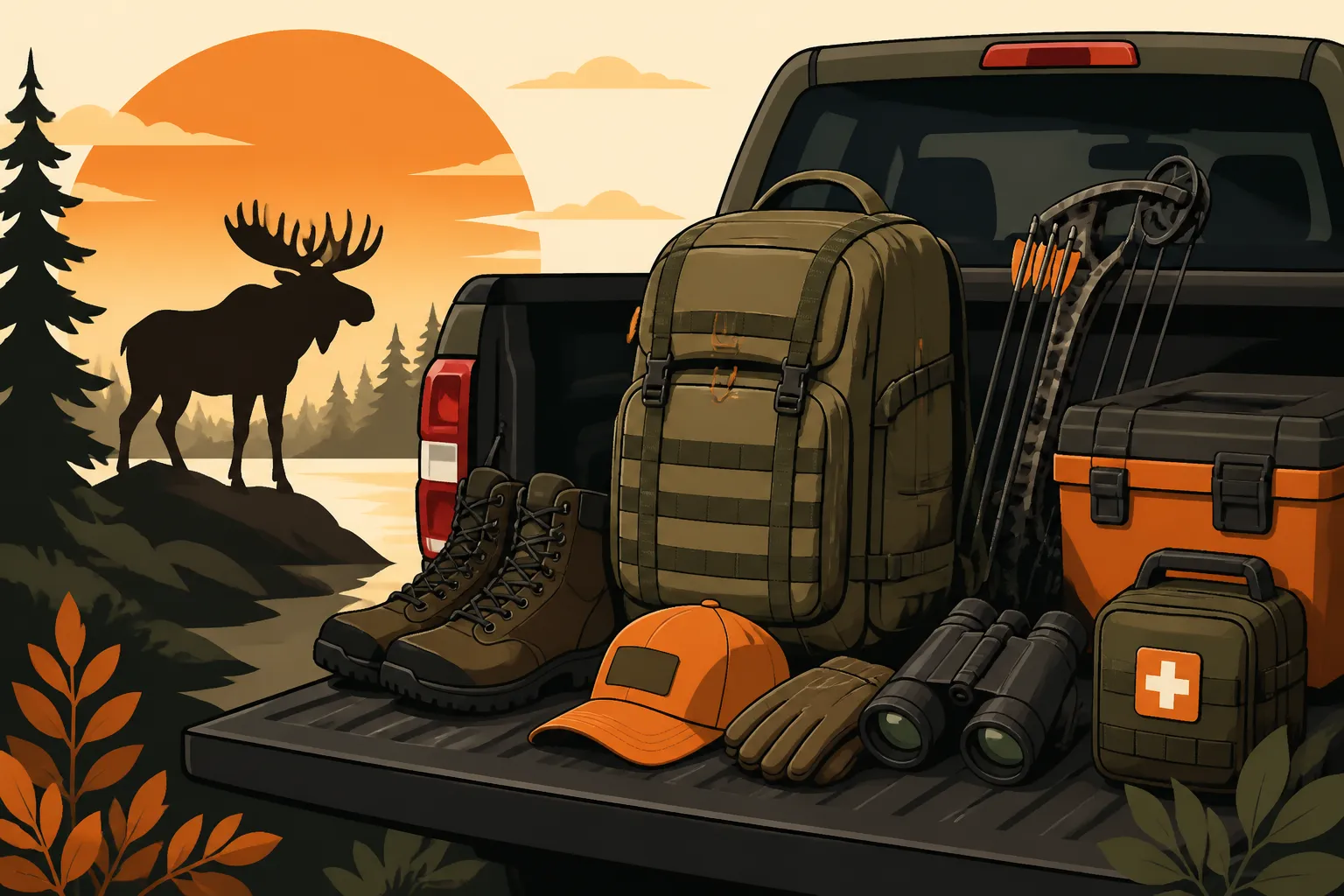
Heading out into the vast, wild beauty of Northern Ontario for a hunt is an experience unlike any other, but it comes with its own unique set of challenges. We've all been there, staring at the back of the pickup, wondering if we've truly thought of everything we'll need when civilization is hours, or even days, away. This isn't just about bringing your rifle and a warm jacket; it's about being self-sufficient in an environment that demands respect and preparedness. This comprehensive guide will walk you through building the ultimate truck kit, ensuring you're ready for anything the rugged Northern Ontario bush throws your way.
Essential Safety and Survival Gear for the Northern Bush
When you’re deep in the boreal forest, far from paved roads and easy access, your safety and survival gear aren't just recommendations – they're non-negotiable necessities. Northern Ontario’s wilderness can be unforgiving, and being prepared for the unexpected can literally save lives.
Reliable Communication Devices Beyond Cell Service
Let's face it, cell service in much of Northern Ontario is a cruel joke. One minute you have a bar, the next you're in a dead zone that stretches for hundreds of kilometers. Relying solely on your smartphone out here is a recipe for disaster. This is why dedicated communication devices are paramount.
Think about investing in a satellite messenger like a Garmin inReach or a Zoleo. These devices allow you to send and receive text messages virtually anywhere, even without cell signal, and most importantly, they have an SOS function that connects you directly to emergency services. This isn't just for you; it's for your hunting partners and the folks back home who want to know you're safe. Imagine breaking an ankle miles from the truck, or having a sudden medical emergency; that satellite messenger becomes your lifeline. Some hunters even use these for pre-planned check-ins with family, giving everyone peace of mind. For even more robust communication, especially if you're traveling with multiple vehicles or hunting with a group, a set of good quality two-way radios with a long range can be invaluable, particularly on bush roads where you might be out of sight around a bend but still within shouting distance by radio.
Navigation Tools That Don't Rely on Batteries Alone
GPS units are incredible, there’s no denying it. Modern handheld GPS devices, and even apps like the one from GoHunt on your phone, can pinpoint your exact location, track your movements, and show you detailed maps of the terrain, including Crown Land boundaries. But what happens when the batteries die, or your device gets wet, or worse, damaged?
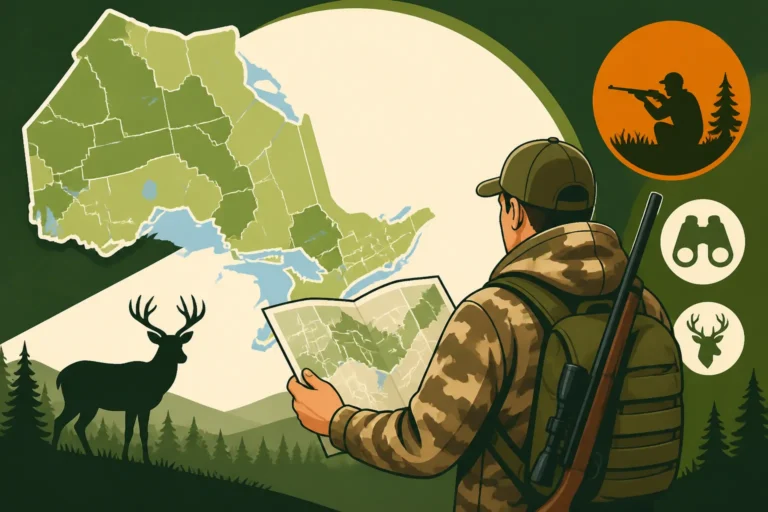
That's why a robust navigation kit needs redundancy. Always pack a traditional compass and a detailed physical map of your hunting area, ideally a topographical map that shows elevation changes. Knowing how to use them without a screen is a fundamental skill for any hunter heading into remote areas. Before you even leave home, spend time studying the map, identifying key landmarks, escape routes, and potential challenges. Marking your truck's location on the map and on your GPS before you head into the bush is a basic but critical step. If you're exploring new territory, learning how to read an Ontario WMU map before you go will give you a significant advantage. This combination ensures that even if all your electronics fail, you still have a way to orient yourself and find your way back to safety.
Comprehensive First-Aid and Emergency Shelter
A minor cut or scrape at home is no big deal, but in the bush, it can quickly become infected or lead to more serious complications. A well-stocked first-aid kit is crucial, especially one tailored for the types of injuries you might sustain in the wilderness – cuts, sprains, burns, and allergic reactions. Include pain relievers, bandages, antiseptic wipes, sterile gauze, medical tape, tweezers, and any personal medications. It’s also wise to have a basic knowledge of wilderness first aid.
Beyond medical needs, having emergency shelter can be a lifesaver if you find yourself unexpectedly stuck overnight. This doesn't mean hauling a full tent. Think lightweight, compact options like an emergency bivvy sack, a Mylar blanket, or a tarp along with some rope. These can provide crucial protection from hypothermia, rain, or unexpected snow. A small folding saw or axe is also invaluable for processing firewood to build a warming fire, which not only provides heat but also acts as a morale booster. Remember, even a small fire can make a huge difference in an unexpected overnight situation.
Vehicle Recovery and On-Road Essentials
Northern Ontario roads, particularly the bush roads and access trails, are infamous for being rugged, muddy, and sometimes barely maintained. Getting stuck or experiencing a mechanical issue is not a matter of if, but when. Your truck kit needs to equip you to handle these situations without relying on a tow truck that might be hours or days away, and incredibly expensive.
Tools for Getting Unstuck
Anyone who's spent time hunting in Ontario's vast northern regions can tell you stories about getting high-centred on a rock, mired in a mud pit, or sliding into a ditch. Having the right recovery gear in your truck is non-negotiable.
Start with a good quality shovel – a full-size spade, not a tiny camping shovel. You'll thank yourself when you're digging out mud or snow from under your tires. Next, consider recovery boards like MAXTRAX or similar brands. These are lightweight, durable, and provide excellent traction when your tires are spinning on slippery surfaces. A sturdy tow strap or recovery rope, rated for more than your vehicle's weight, is also essential, along with some shackles. If you're really serious about self-recovery, a winch mounted to your truck can be a game-changer, but make sure you understand how to use it safely. Don't forget a set of good, heavy-duty work gloves – your hands will thank you. When you're Hunting an Old Logging Road in the North, these items can be the difference between a minor delay and a truly miserable experience.
Basic Vehicle Repair and Maintenance Kit
You don't need to be a certified mechanic, but having the ability to perform basic repairs on the fly can save your hunt. A flat tire is perhaps the most common issue. Ensure you have a full-size spare tire (not a donut!), a reliable jack, and a lug wrench that fits your wheel nuts. A tire repair kit with plugs and a portable air compressor that runs off your truck's battery can patch minor punctures and reinflate tires in the field.
Beyond tires, a basic toolkit should include a selection of wrenches, sockets, screwdrivers, pliers, and a hammer. Duct tape and zip ties are the universal problem solvers of the bush, capable of temporarily fixing everything from a broken mirror to a loose exhaust pipe. Jumper cables are a must, as are extra fluids like engine oil, transmission fluid, and coolant. A can of penetrating oil can work wonders on rusty bolts. And don't underestimate the value of a bright headlamp or flashlight for working in the dark – because breakdowns never happen in broad daylight. Having a reliable flashlight from a brand like Streamlight or Fenix with extra batteries is critical.
Fuel, Firepower, and Auxiliary Power
When planning your trip, consider your fuel needs carefully. Gas stations can be few and far between once you leave the main highways in Northern Ontario. Carrying extra fuel in approved, securely fastened jerry cans is a smart move, especially if you plan on exploring remote areas or engaging in extended drives off the beaten path. Always secure fuel cans properly to prevent spills or damage.
For starting fires, which are crucial for warmth, cooking, and signaling, have multiple reliable ignition sources. Waterproof matches, a lighter (or several), and a ferro rod are all good options. Even if you don't plan on an overnight stay, things happen. For auxiliary power, think about a portable power bank for charging smaller electronics like your phone (for photos, not calls!), or a small portable generator if you're running a more elaborate camp setup that requires more juice for lights or more substantial cooking appliances.
Hunting-Specific Tools and Camp Comforts
Beyond survival, your truck kit should also enhance your hunting experience and make your time in the wilderness as comfortable and efficient as possible. This includes everything from field dressing tools to amenities that make camp feel a little more like home.
Field Dressing and Meat Care Essentials
Successfully taking down game is only half the battle; properly field dressing and caring for the meat is equally, if not more, important, especially if you’re far from a butcher. Your field dressing kit should include a sharp hunting knife (or two), a bone saw, and game bags. Nitrile gloves are a must for hygiene and to protect your hands.
In Northern Ontario, temperatures can fluctuate wildly, even during hunting season. For early season hunts, when the weather might still be warm, having a plan for Meat Care in Ontario's Warm Early Seasons is critical. This could involve coolers with ice, or even portable game chilling systems if you're out for an extended period. A tarp or ground sheet to keep the meat clean while working is also incredibly useful. And don't forget flagging tape to mark blood trails or your way back to a downed animal – it's easy to get turned around in thick bush.
Camp Kitchen and Food Storage
Even if you’re just doing day hunts from your truck, having a well-organized camp kitchen makes a huge difference. A sturdy cooler with plenty of ice (or dry ice for longer trips) is essential for keeping food fresh and drinks cold. Pack a portable stove (propane or white gas), fuel, a pot and pan, utensils, and biodegradable soap for cleaning up.
When it comes to food, think easy-to-prepare, calorie-dense options. Dehydrated meals are great for quick dinners, but don't forget staples like coffee, instant oatmeal, bread, and sandwich fillings. Water is another critical component. While Northern Ontario has plenty of lakes and rivers, having a reliable water filter or purification tablets is a smart backup, even if you're bringing bottled water. A 5-gallon jug of potable water is a good starting point. Keeping bears away from your food is crucial, so strong, bear-resistant containers or a plan for hanging food are important considerations, especially if you're in prime Black Bear Hunting in Ontario territory.
Personal Comfort and Miscellaneous Gear
Being comfortable in camp and on the hunt allows you to focus better and enjoy the experience more. A good quality folding chair can be a luxury after a long day of walking. A comfortable sleeping bag and pad are essential if you're planning on staying overnight, even in your truck or a tent. Proper layering of clothing is always important, as Ontario weather can change in an instant, often going from sunny to sleet in a matter of hours, particularly when hunting later in the year during Ontario's November Gun Season.
Don't forget personal hygiene items like a toothbrush, toothpaste, biodegradable soap, and toilet paper. Headlamps are mentioned for vehicle repair, but they are equally critical for navigating camp in the dark, processing game after sundown, or just reading. Other miscellaneous items that often prove invaluable include extra batteries for all your devices, a multi-tool, heavy-duty garbage bags for waste (pack it in, pack it out!), and a roll of paper towels.
Planning and Organizational Systems
Having all the gear is one thing; being able to find it quickly and efficiently when you need it most is another. A well-thought-out organizational system for your truck kit can save precious time and reduce stress when you're under pressure in the field.
Detailed Checklist and Inventory
Before every hunt, create a detailed checklist of everything you plan to bring. This ensures you don't forget critical items and helps you account for everything when packing up to leave. Many hunters use apps or even a simple spreadsheet for this. Consider categorizing your list: safety, vehicle, hunting, camp, personal.
It's also a good idea to perform a quick inventory check after each hunt. Did anything break? What did you use that you almost ran out of? What did you wish you had? This reflective practice will help you refine your kit over time, making it better suited to your specific hunting style and the conditions you typically encounter. A simple table can help keep track of key items.
| Category | Essential Items | Check |
|---|---|---|
| Safety/Survival | Satellite Messenger | [ ] |
| GPS Unit & Spare Batteries | [ ] | |
| Map & Compass | [ ] | |
| First-Aid Kit | [ ] | |
| Emergency Bivvy/Tarp | [ ] | |
| Fire Starters (multiple) | [ ] | |
| Whistle | [ ] | |
| Vehicle Recovery | Shovel | [ ] |
| Recovery Boards | [ ] | |
| Tow Strap/Rope & Shackles | [ ] | |
| Jack, Lug Wrench, Spare Tire | [ ] | |
| Tire Repair Kit & Air Compressor | [ ] | |
| Basic Tool Kit (wrenches, screwdrivers, pliers) | [ ] | |
| Jumper Cables | [ ] | |
| Extra Fluids (oil, coolant) | [ ] | |
| Hunting Specific | Hunting Knife & Sharpener | [ ] |
| Bone Saw | [ ] | |
| Game Bags | [ ] | |
| Flagging Tape | [ ] | |
| Rangefinder | [ ] | |
| Binoculars | [ ] | |
| Camp Essentials | Cooler & Ice | [ ] |
| Camp Stove & Fuel | [ ] | |
| Cookware & Utensils | [ ] | |
| Water (bottled, filter, tablets) | [ ] | |
| Food Supplies | [ ] | |
| Headlamp/Flashlight & Spare Batteries | [ ] | |
| Camp Chair | [ ] | |
| Personal Gear | Appropriate Clothing Layers | [ ] |
| Sleeping Bag & Pad (if staying overnight) | [ ] | |
| Hygiene Kit | [ ] | |
| Sunscreen/Bug Spray | [ ] |
Smart Packing and Storage Solutions
A messy truck can be just as problematic as missing gear. Imagine needing that first-aid kit in a hurry, only to find it buried under a pile of muddy clothes and empty snack wrappers. Effective storage solutions are your friend.
Consider using durable, waterproof storage bins or totes. Label them clearly (e.g., "Survival," "Kitchen," "Tools") so you can quickly grab what you need. Pack items you'll need frequently or quickly accessible (like your GPS, water, and snacks) in an easily reachable spot. Heavy items should be placed low and forward in the truck bed for better weight distribution and stability. If you're using the GoHunt app for digital maps, make sure your phone or tablet is charged and protected in a waterproof case, maybe in a dedicated drawer in your storage system. Organizing your truck this way also makes it easier to keep your vehicle tidy and free of clutter, which is especially important if you're driving long distances to areas like Hunting Northwestern Ontario's Big Bush or navigating challenging terrain.
Preparing for Specific Northern Ontario Conditions
Northern Ontario presents distinct challenges depending on the season. A spring bear hunt might mean dealing with swarms of black flies and mosquitoes, requiring copious amounts of bug spray and a head net. A fall deer hunt could see you facing crisp, sunny days one moment and sudden blizzards the next, demanding versatile layering and waterproof outer shells.
Always check the long-range weather forecast for your specific Wildlife Management Unit before you go, but be prepared for it to change. Bring extra layers of wool or synthetic clothing, waterproof rain gear, and insulated boots. For colder seasons, hand warmers, an emergency blanket, and perhaps even a small portable propane heater for your truck or enclosed blind can make a huge difference. Remember that Winter Road Access in Northern Ontario can be limited or treacherous, so ensure your vehicle is well-maintained and equipped with proper tires for the conditions.
Disclaimer
The information provided in this article is for general guidance and informational purposes only. Hunting regulations, safety protocols, and wilderness conditions can change rapidly. Always consult the most current Ontario hunting regulations, obtain the necessary licenses and permits, and prioritize safety above all else. Engaging in outdoor activities carries inherent risks, and proper personal preparation, training, and judgment are essential.