Where Hunting Is Prohibited Outright
Hunters must stay at least 300 metres from dwellings, schools and playgrounds, reduced to 150 metres for shotguns, muzzleloaders and bows, inside safety zones.
The hunt starts with the paperwork.
Season dates, zone and unit boundaries, draw applications, preference and bonus points, tag quotas, and what nonresidents pay.
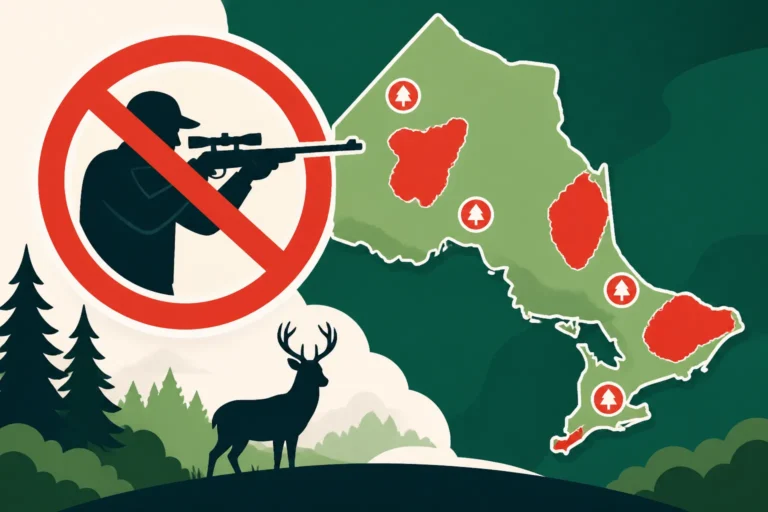
Hunters must stay at least 300 metres from dwellings, schools and playgrounds, reduced to 150 metres for shotguns, muzzleloaders and bows, inside safety zones.
Hunting in Ontario provincial parks explains where and how hunting is permitted within specific remote and managed park areas.
The Ontario Hunting Regulations Summary explains provincial licence requirements, seasons, bag limits, and general wildlife rules.
Ontario hunting regulations changes affect tag applications, season dates, bag limits, and equipment rules for wildlife management units.
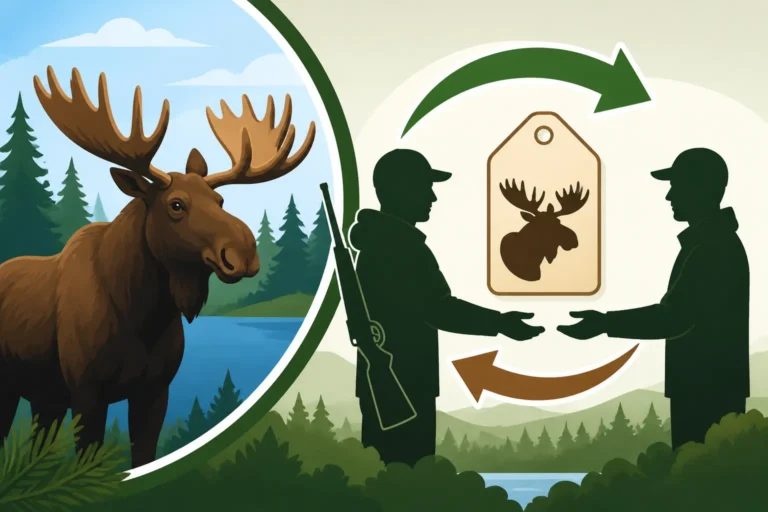
Ontario moose tag transfer rules prohibit moving individual tags to other hunters, explaining group permits and Ministry restrictions.

Ontario hunting licence refund rules explain when the Ministry of Natural Resources and Forestry permits recovering costs for medical emergencies.
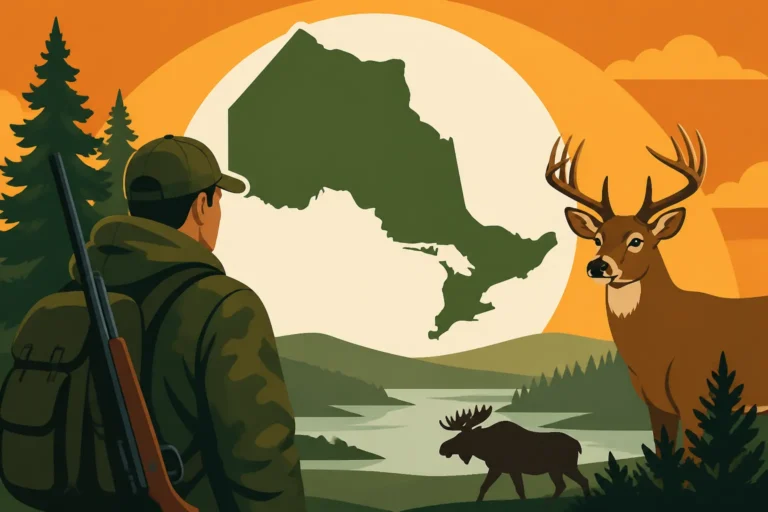
Treaty hunting rights in Ontario explain constitutional protections, historical contexts, and legal precedents for Indigenous hunters.
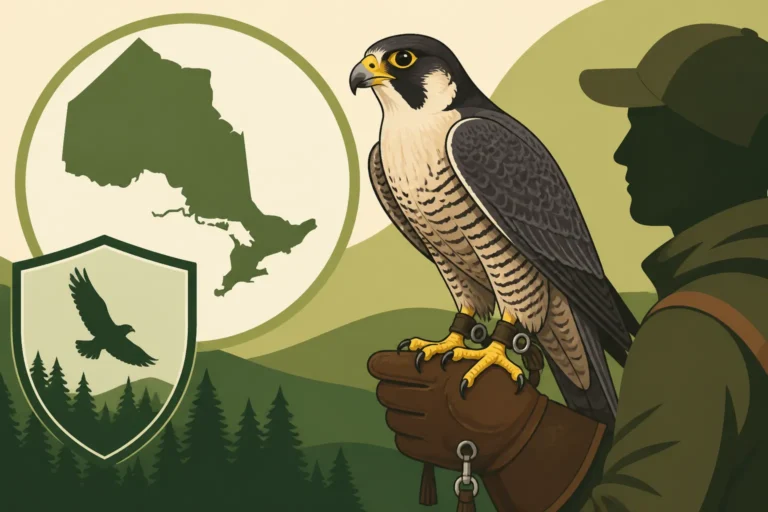
Ontario falconry permit rules require an apprenticeship, strict regulatory compliance, and significant time and financial investments.
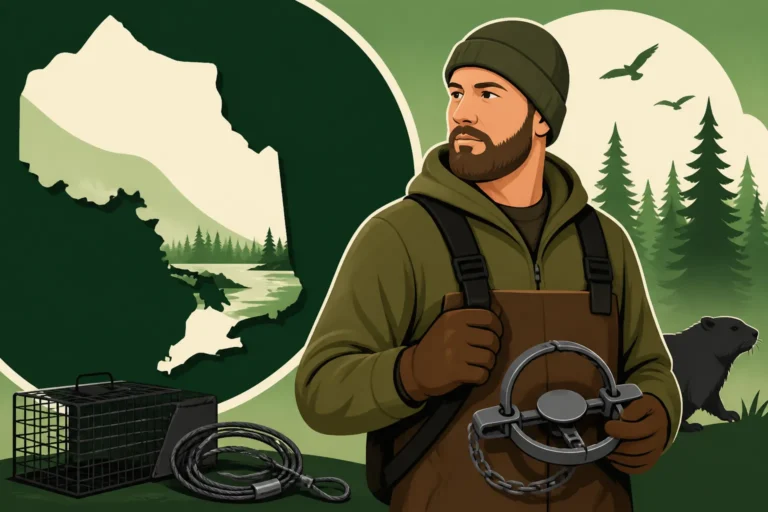
Ontario trapping licence requirements, mandatory education programs, and wildlife regulations for sustainable furbearer harvesting.
Ontario trapping season dates vary by Wildlife Management Unit and depend on furbearer population dynamics and environmental conditions.