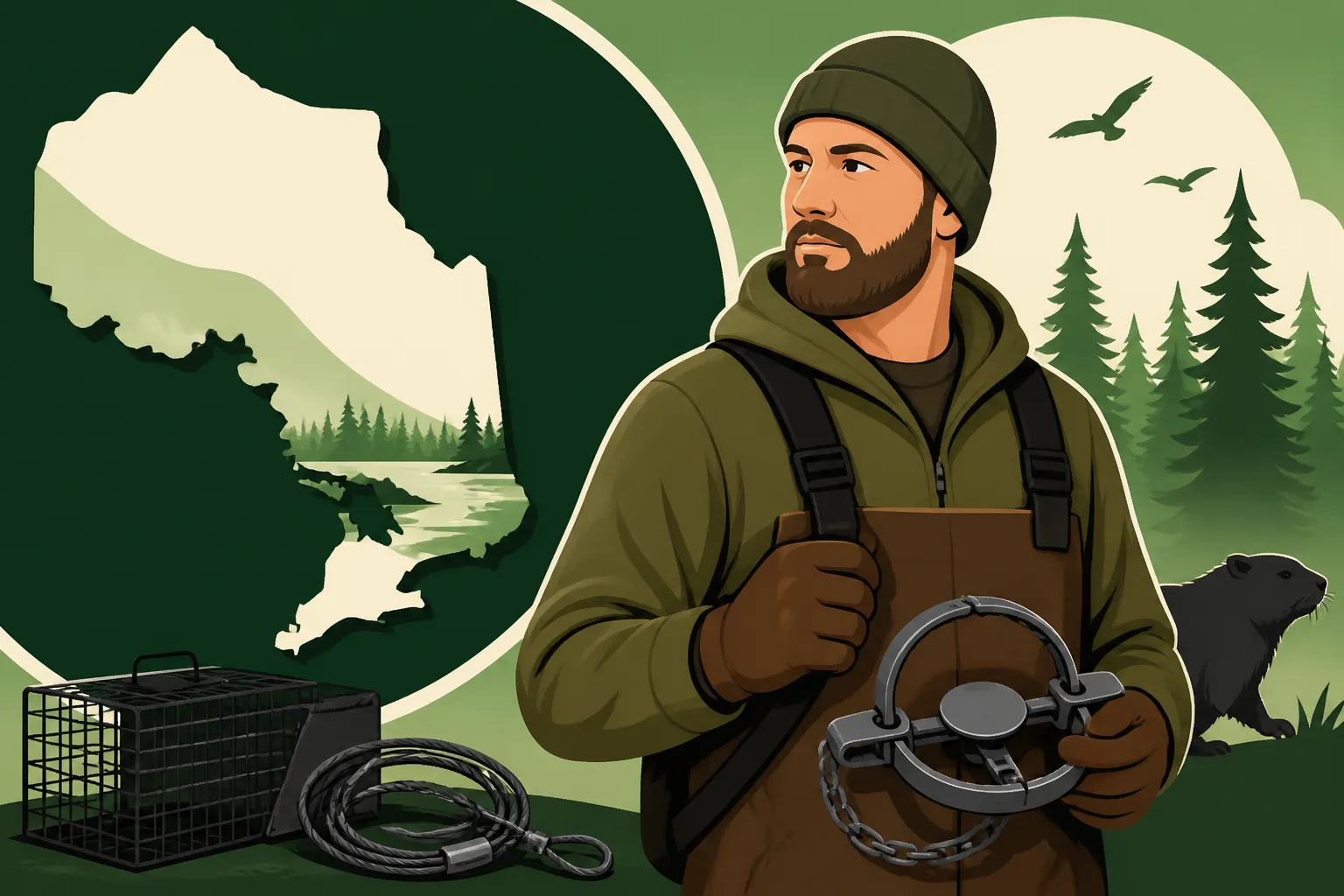
Getting an Ontario Trapping Licence
If you're looking to get into trapping in Ontario, you might feel a bit overwhelmed at first. It's not as simple as just grabbing a few traps and heading into the woods; there's a real process, and honestly, it can feel a little daunting trying to figure out all the steps, from courses to permits. This guide is here to walk you through exactly what you need to do to get your Ontario trapping licence, breaking down each step to make it as clear and straightforward as possible.
Understanding Ontario's Trapping Landscape
Trapping in Ontario is a rich tradition, deeply rooted in the province's history and natural resource management. It's a skill that connects you directly to the land, but it also comes with significant responsibilities. Before you even think about setting a trap, it's crucial to understand why these regulations are in place and how trapping differs from other forms of hunting.
Why Trapping Regulations Exist
It's easy to look at a regulated activity and feel like it's just bureaucracy getting in the way, but with trapping, every rule serves a vital purpose. The Ministry of Natural Resources and Forestry (MNRF) sets these regulations to ensure that trapping is conducted sustainably, humanely, and safely. We're talking about managing furbearer populations to prevent overharvesting, which could devastate future generations of animals. Think about it: without careful management, certain species could face significant declines, impacting the entire ecosystem.
Furthermore, regulations ensure ethical practices. Modern trapping standards emphasize humane trapping devices and quick, efficient dispatch methods to minimize animal suffering. This isn't just about good PR; it's about a deep respect for the wildlife we interact with. There are specific guidelines on trap types, sizes, and where they can be set, all designed to protect both the target species and non-target animals, even pets that might wander into the wrong place. These rules help maintain a balance, allowing trappers to pursue their passion while contributing to the long-term health of Ontario's wildlife populations.
The Difference Between Hunting and Trapping Licences
Many people assume that if you have a hunting licence, you can automatically trap, but that's a common misconception. In Ontario, hunting and trapping are considered distinct activities, each requiring its own specific licensing and educational background. A general hunting licence, even one for small game, doesn't grant you the authority to set traps for furbearers. This distinction makes a lot of sense when you consider the unique skill sets involved.
Hunting primarily involves pursuing animals with firearms or archery equipment, often requiring patience, tracking, and shooting prowess. Trapping, on the other hand, demands a deep understanding of animal behaviour, specific knowledge of trap mechanics, baiting techniques, and the ability to read the landscape for subtle signs of animal activity. It also involves a different level of responsibility, as traps need to be checked regularly and properly maintained. Because of these differences, the province mandates separate educational programs and licences. It ensures that anyone engaging in trapping has received specialized training in humane practices, species identification, and all the intricate regulations specific to this unique pursuit. It’s not just about compliance; it's about competence and stewardship.
Navigating the Ontario Trapper Education Program
The cornerstone of becoming a licensed trapper in Ontario is successfully completing the mandatory Ontario Trapper Education Program. This isn't just a formality; it's a comprehensive course designed to equip you with the knowledge and skills necessary to trap responsibly and effectively.
Mandatory Course Requirements
Before you can even apply for a trapping licence, you absolutely must complete an approved trapper education course. This isn't something you can skip or test out of; it's a foundational requirement. The course covers a wide array of critical topics, ensuring that you're well-versed in more than just setting a trap. You'll delve into the fascinating world of wildlife identification, learning to distinguish between various furbearer species like beaver, otter, marten, fisher, fox, and coyote. This is vital for selective harvesting and respecting bag limits.
A significant portion of the course focuses on humane trapping methods. This means understanding and demonstrating the proper use of different trap types, including snares, body-grip traps, and live traps, all designed to ensure a quick and ethical dispatch or capture. You'll learn about trap placement, anchoring, and camouflage to maximize effectiveness and minimize non-target catches. Furthermore, the curriculum covers provincial regulations inside and out, from season dates to trap checking intervals, and even proper pelt preparation for market. Expect to learn about important aspects like record-keeping, which is crucial for both personal accountability and contributing to provincial wildlife management data. Many courses include a practical, hands-on component, where you get to work with actual traps under the guidance of experienced instructors, which is truly invaluable.
Finding and Enrolling in a Course
Once you're committed to pursuing trapping, the next logical step is finding a course. The primary organization overseeing trapper education in Ontario is the Ontario Fur Managers Federation (OFMF). They are the go-to resource for course schedules, locations, and instructor contact information. You can often find listings on their website, which makes it incredibly easy to see upcoming courses in your region. These courses are typically offered at various times throughout the year, but it's wise to check well in advance, as popular ones can fill up quickly.
The duration of these courses can vary, but generally, they involve a mix of classroom instruction and practical field sessions, often spanning several days or a series of evenings and weekends. The cost will also vary depending on the provider and the comprehensiveness of the course, but it's a necessary investment in your education. When you’re looking for resources or trying to pinpoint a course near you, platforms like GoHunt can sometimes offer supplementary information or direct you to official MNRF links and OFMF contacts, streamlining your search for training opportunities. Don’t hesitate to reach out to local OFMF chapters; they often have a wealth of knowledge and can guide you to the best local instructors.
What to Expect During the Course
Going into your trapper education course, it's helpful to have a realistic expectation of what's involved. This isn't your average sit-and-listen lecture. While there will certainly be classroom time covering theory, regulations, and biology, a substantial part of the learning experience is hands-on. You'll be taught how to identify various furbearers and their sign, distinguish between legal and illegal traps, and most importantly, how to properly set, stabilize, and camouflage traps. This is where the rubber meets the road.
Instructors, who are typically seasoned trappers themselves, will demonstrate various sets for different animals and habitats. You'll get to practice handling traps, learning the safety mechanisms, and understanding the nuances of trap placement for humane and effective capture. This practical experience is absolutely critical. It’s one thing to read about setting a foothold trap for fox, and quite another to actually bait it, set the pan tension, and bed it securely in the snow or soil. This immersive learning ensures that you not only understand the theory behind ethical trapping but can also execute it safely and proficiently in the field. It’s challenging but incredibly rewarding, and you’ll leave with a tangible sense of accomplishment and readiness.
Applying for Your Ontario Trapping Licence
Once you've completed the demanding but essential trapper education program, you're on the home stretch toward getting your licence. There are a few more administrative hoops to jump through, but with your education certificate in hand, you're well-prepared.
Post-Course Steps and Documentation
Finishing your trapper education course is a huge milestone! You'll typically receive a certificate of completion or a similar document confirming your success. This piece of paper is incredibly important, as it serves as proof that you've met the educational requirements set by the province. Keep it safe! Beyond this, you'll need to ensure you have an active Outdoors Card, which is a prerequisite for all hunting and trapping licences in Ontario. If you don't already have one, you'll need to apply for it separately. Think of your Outdoors Card as your primary identification for all things outdoor related with the MNRF. You can learn more about how to get your own by checking out the guide on Getting an Ontario Outdoors Card.
There are also age requirements for obtaining a trapping licence. Generally, you need to be at least 16 years old to hold a full trapping licence. For younger individuals, there might be apprentice programs or specific guidelines that allow them to participate under the direct supervision of a licensed trapper. Make sure all your personal identification is up-to-date and matches what's on your Outdoors Card and education certificate, as any discrepancies can cause delays in your application.
The Application Process Through the MNRF
With your course completion under your belt and your Outdoors Card in hand, you're ready to apply for the actual trapping licence. The most common and convenient way to do this is through the Ontario government's online licence portal. This digital platform allows you to manage your licences, purchase new ones, and submit any required documentation from the comfort of your home. You'll typically log in using your Outdoors Card number and date of birth.
During the application, you'll select the appropriate trapping licence option. For most residents, this will be the "Resident Trapping Licence." There are also specific "Non-Resident Trapping Licences" for those visiting the province, though these often have different requirements and may involve working with an outfitter. Apprenticeship options are also available for those new to the sport who wish to learn under an experienced trapper, so be sure to investigate Ontario Apprentice and Youth Hunting rules if that's your path. You'll need to pay the associated fees, which cover the administrative costs and contribute to wildlife conservation efforts. The system is fairly intuitive, but if you run into any snags, don’t hesitate to contact the MNRF client services or check their official website for detailed instructions. Information portals like GoHunt can sometimes provide direct links or walk-throughs for these application processes.
Understanding Trapping Areas and Reporting
Unlike some hunting licences that allow you to hunt in broad Wildlife Management Units (WMUs), trapping in Ontario often involves a more localized system. Much of Ontario’s furbearer harvesting occurs on Registered Traplines, which are specific geographic areas allocated to individual trappers or trapping groups. These traplines are managed to ensure sustainable harvesting within defined boundaries, preventing overcrowding and overexploitation of resources. If you're looking to trap on Crown Land, it's essential to understand the rules around these designated areas. You can explore more about Public Hunting Land in Ontario to get a grasp of general public access.
Even if you’re trapping on private land with permission, or in an area not designated as a registered trapline, you still have responsibilities. One of the most crucial is annual harvest reporting. Every licensed trapper is required to report their catch each year, detailing the species harvested, the number of animals taken, and sometimes even the method of capture and the WMU it occurred in. This data is absolutely vital for the MNRF to monitor furbearer populations, assess the health of different species, and make informed decisions about future seasons and bag limits. It's not just a bureaucratic task; it's your contribution to the ongoing conservation and sustainable management of Ontario’s precious furbearers. Missing these reports can lead to penalties or even suspension of your licence, so make sure to mark those deadlines on your calendar! You can refer to information on Ontario Trapping Season Dates for specific timing.
Important Considerations for New Trappers
Embarking on your trapping journey in Ontario is an exciting prospect, but it’s also important to be aware of what lies ahead beyond just getting the licence. There are practicalities, ethical commitments, and the ongoing need for learning that will shape your experience.
Equipment and Initial Investment
One of the first realities a new trapper faces is the significant upfront cost of equipment. Trapping isn't a cheap hobby to get into, especially if you're starting from scratch. You'll need a variety of traps suited for different species and conditions – foothold traps, body-grip traps (often called Conibears), snares, and potentially live traps. Each trap type comes in various sizes, and you'll want to have a selection. Beyond the traps themselves, you'll need setting tools, anchors, dispatch tools, fleshing knives, stretchers for pelt preparation, bait, lures, and a reliable way to get into and out of your trapping area, which might mean a snowmobile, ATV, or even a robust canoe.
It’s easy to feel overwhelmed by the sheer list of necessities and their price tags. My advice? Don’t feel pressured to buy everything at once. Start small, focusing on one or two target species and gradually build your equipment inventory. Look for used traps at trapper conventions or online forums. The financial commitment is real, but like any serious outdoor pursuit, it’s an investment that pays off over time with experience and successful harvests. Remember, safe and effective trapping requires quality equipment that is properly maintained, so don't skimp on essential safety gear.
Ethical Trapping and Conservation
For any trapper in Ontario, ethical considerations are paramount. Modern trapping is deeply intertwined with conservation, and the two cannot be separated. The education you received emphasized humane trapping methods for a reason: it's our responsibility to ensure the animals we pursue are treated with respect and dispatched as quickly and humanely as possible. This means diligent trap checking — often every 24 hours, or even more frequently depending on conditions and regulations — to minimize the time an animal spends in a trap. It also involves correctly identifying target species to avoid catching non-target animals. If you do catch a non-target animal, you must know how to safely release it or report it as required.
Conservation goes beyond humane dispatch. It's about being an active steward of the land and its wildlife. This includes understanding the ecology of the furbearers you're pursuing, recognizing signs of disease, and even participating in data collection for wildlife management. Every trapper contributes to the overall health of Ontario’s ecosystems. We have a moral obligation to leave the land and its wildlife as healthy, if not healthier, than we found it. You can explore more about Ontario's Predators and Furbearers to deepen your understanding of the species you'll encounter.
Mentorship and Continued Learning
While your trapper education course provides an excellent foundation, it's just the beginning. Trapping, more than almost any other outdoor skill, benefits immensely from mentorship. The subtle nuances of reading animal sign, understanding local conditions, and perfecting a set are often best learned by spending time in the field with an experienced trapper. Find a seasoned veteran willing to share their knowledge and tricks of the trade. They can teach you local insights that no textbook ever could.
Joining local trapper associations, like those affiliated with the Ontario Fur Managers Federation, is another fantastic way to continue your learning journey. These groups offer a community of like-minded individuals, providing opportunities for shared knowledge, workshops, and even group trapping efforts. They’re a fantastic resource for learning about new regulations, trap modifications, and even market trends for pelts. The world of trapping is constantly evolving, with new research in humane methods and shifting wildlife populations. Staying connected and committed to lifelong learning will not only make you a more successful trapper but also a more responsible and respected one. Embrace the journey of discovery, because in the bush, there's always something new to learn.
| Step # | Description | Key Requirements | Estimated Time/Effort |
|---|---|---|---|
| 1 | Get an Outdoors Card | Valid identification, resident status. | Quick online application |
| 2 | Complete Trapper Education Course | Attend OFMF-approved course, pass exams (classroom & field). | Several days/weekends |
| 3 | Obtain Course Certificate | Proof of successful course completion. | Issued post-course |
| 4 | Apply for Trapping Licence | Outdoors Card, course certificate, appropriate fees. | Quick online application |
| 5 | Understand Trapping Areas | Research WMUs, Registered Traplines, Crown Land rules. | Ongoing research |
| 6 | Acquire & Maintain Equipment | Purchase traps, tools, safety gear. | Significant upfront cost |
| 7 | Annual Harvest Reporting | Submit detailed catch data to the MNRF. | Annually after season ends |
Disclaimer
The information provided in this guide is for general informational purposes only and does not constitute legal advice. Hunting and trapping regulations in Ontario are subject to change by the Ministry of Natural Resources and Forestry (MNRF). It is the sole responsibility of every individual hunter and trapper to consult the most current official Ontario Hunting Regulations Summary and the Fish and Wildlife Conservation Act, 1997, and its regulations, before engaging in any hunting or trapping activities. Always ensure you are in full compliance with all federal, provincial, and local laws.