Hunting Ontario Late When Snow Piles Up
Ontario deer and moose hunting in deep snow explains animal movement, winter yards, and survival patterns in cold conditions.
Close the distance.
Archery, muzzleloader, and firearm techniques — calling, stand placement, still-hunting, spot-and-stalk, and the weapon rules that change at the state line.
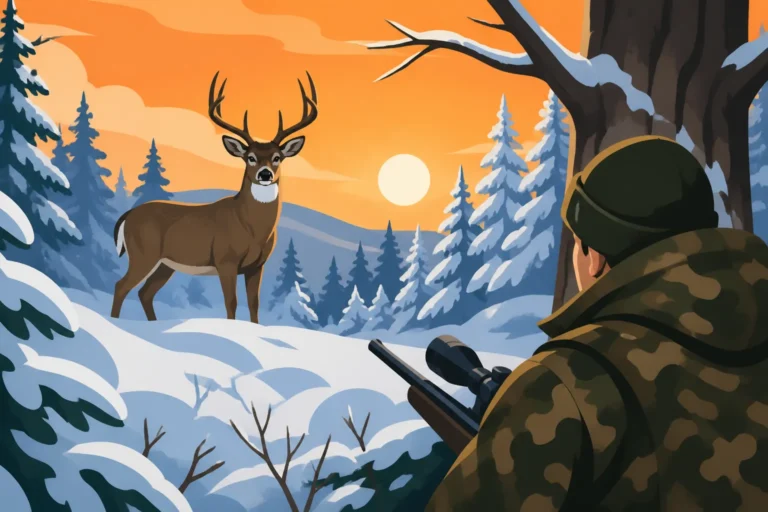
Ontario deer and moose hunting in deep snow explains animal movement, winter yards, and survival patterns in cold conditions.
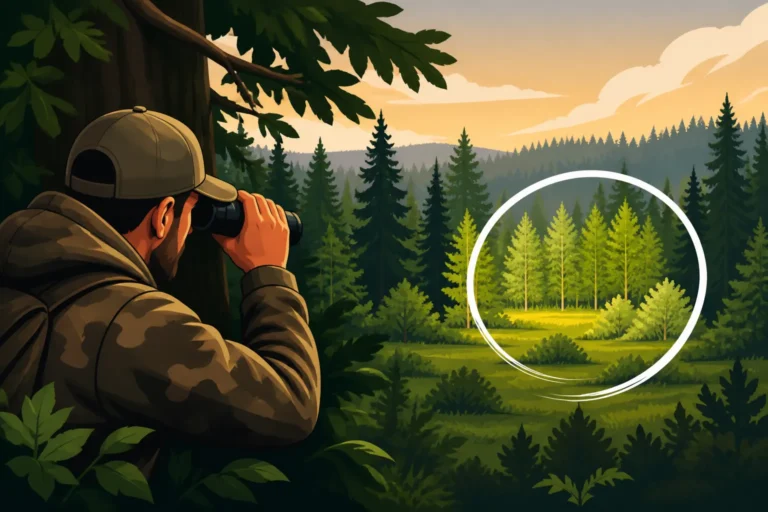
Overlooked bush areas in Ontario offer better deer, moose, and bear hunting when you locate hidden pockets away from crowded parking lots.
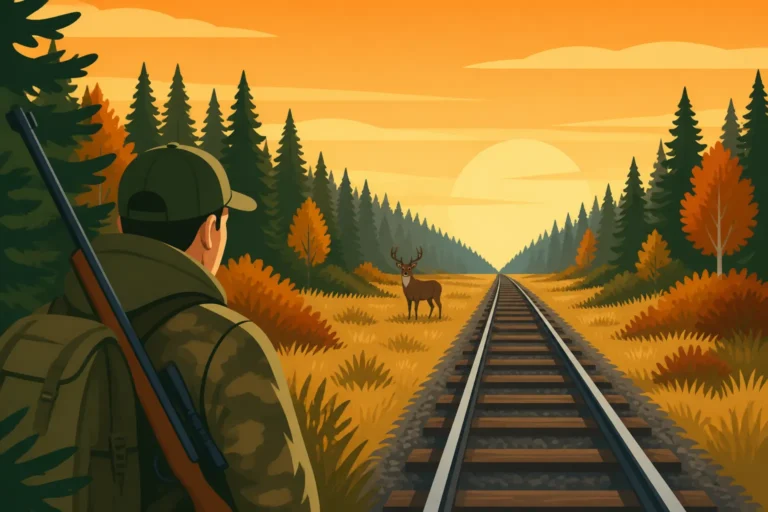
Railway right-of-way regulations in Ontario explain legal boundaries, trespassing laws, and safe hunting on adjacent private lands.
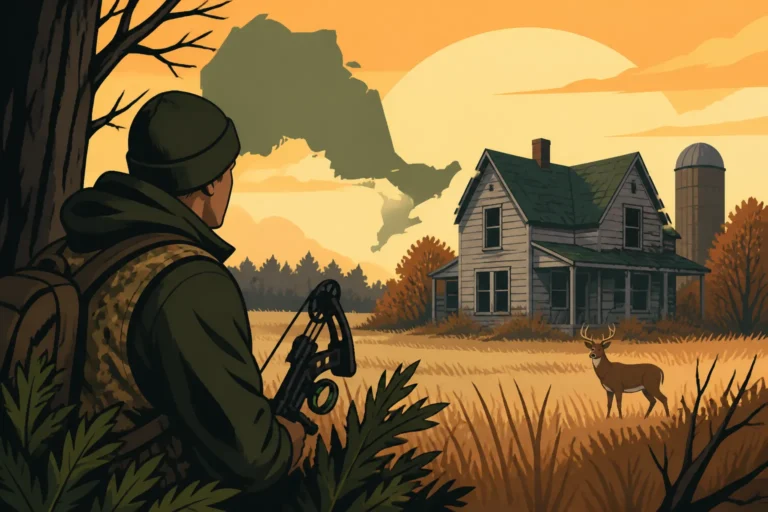
Abandoned farmsteads in Ontario offer hunters diverse habitats, rich food sources, and lower hunting pressure for local wildlife.
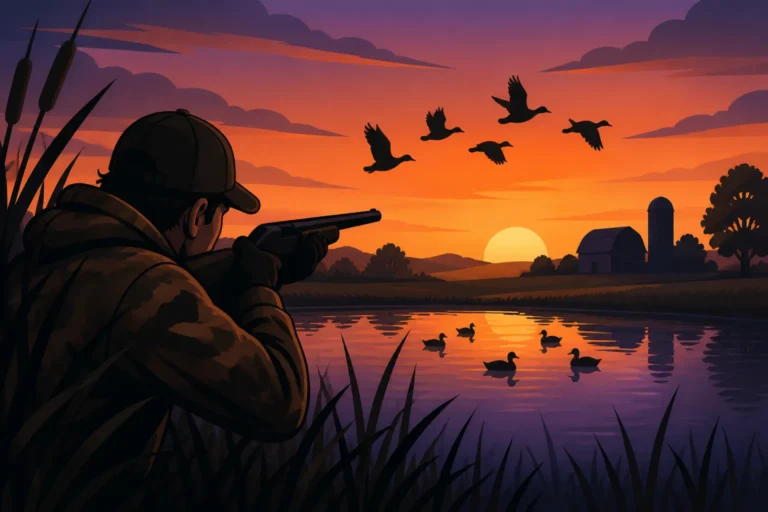
Ontario farm ponds provide evening wildlife hubs where deer, turkeys, and waterfowl converge for water and natural cover.
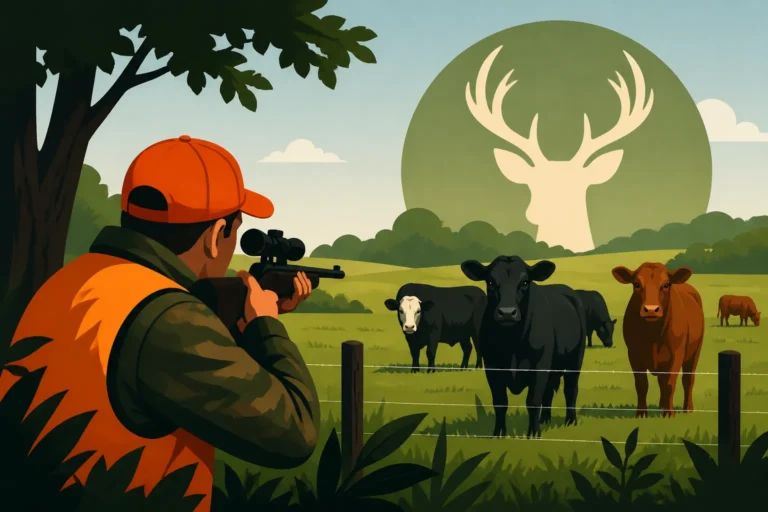
Hunting active cattle pastures in Ontario offers deer and predator hunters reduced hunting pressure and unique travel corridors.
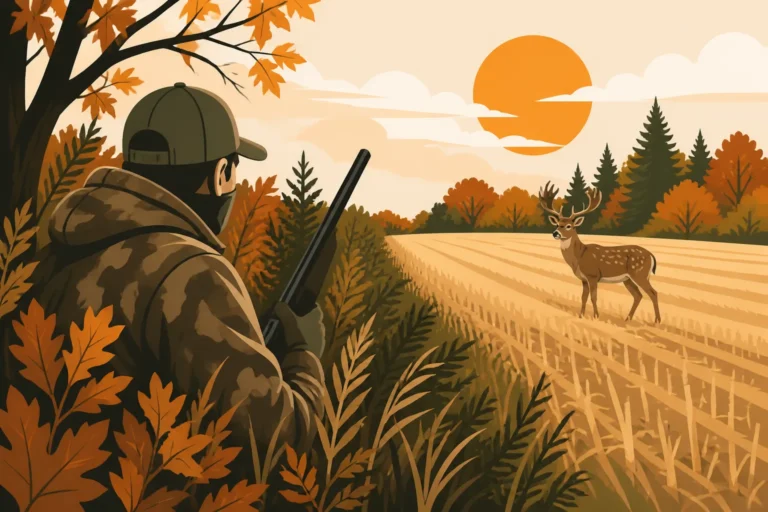
Fallow field borders in Ontario provide whitetail deer with natural food, cover, and predictable travel corridors for hunters.
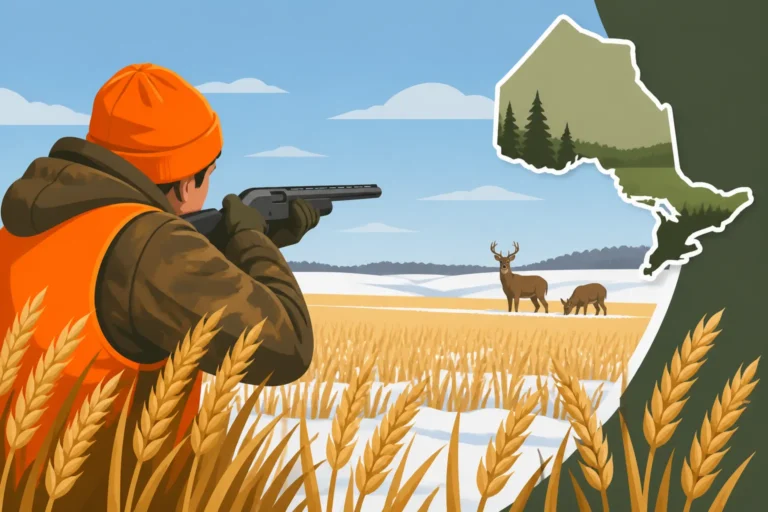
Ontario winter wheat fields attract deer with vital forage, offering hunters strategic seasonal patterns for whitetail success.
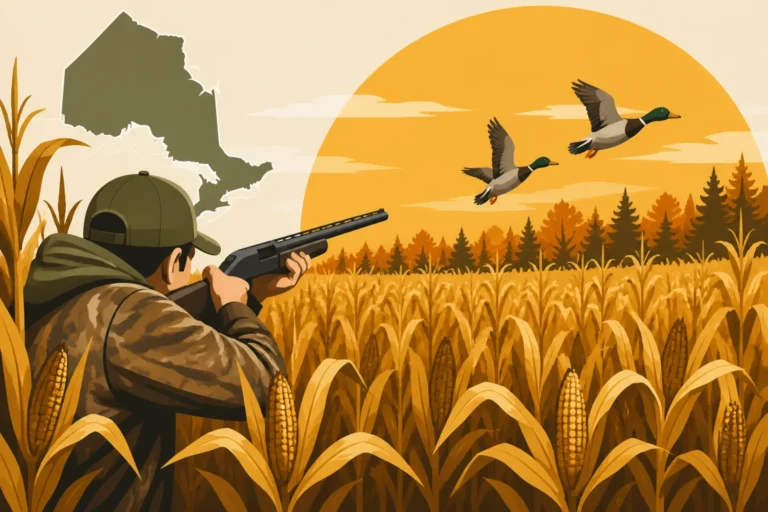
Ontario deer hunters learn strategies for hunting standing corn fields, utilizing food sources, thermal regulation, and movement patterns.
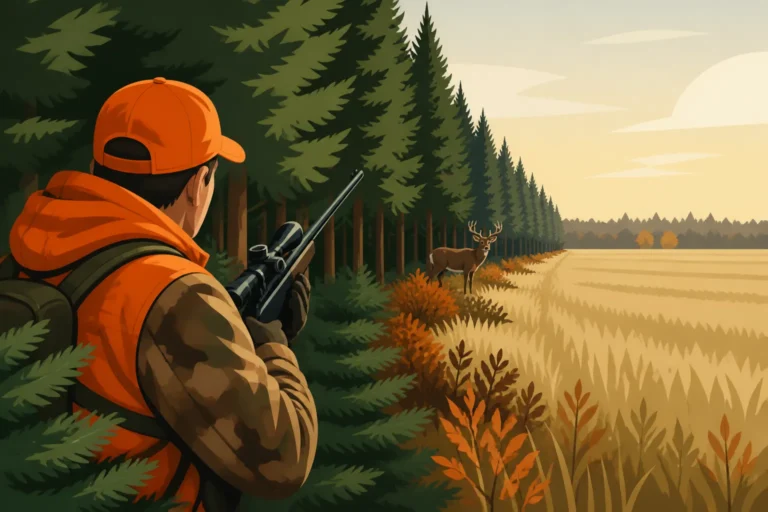
Ontario whitetail deer habitat features and seasonal behaviors help hunters track and find targets along pine plantation edges.