Hunting a Poplar Stand at First Light
Ontario whitetail hunters learn why deer use poplar stands at dawn and how to position for success in prime bush country.
Close the distance.
Archery, muzzleloader, and firearm techniques — calling, stand placement, still-hunting, spot-and-stalk, and the weapon rules that change at the state line.
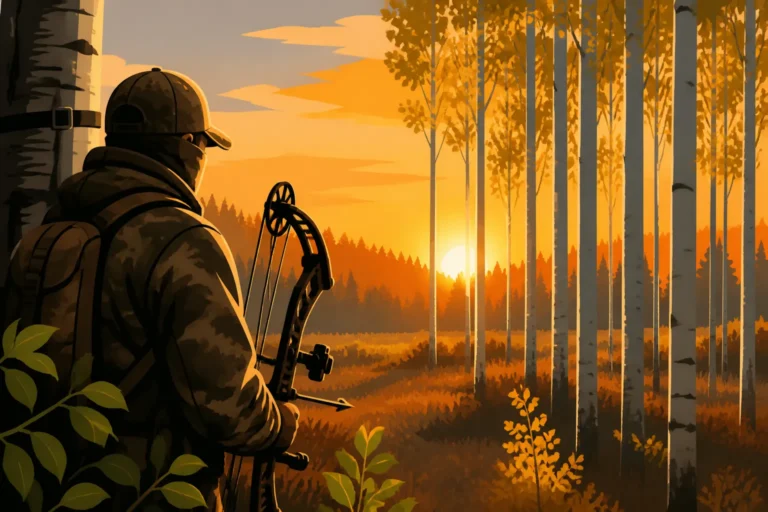
Ontario whitetail hunters learn why deer use poplar stands at dawn and how to position for success in prime bush country.
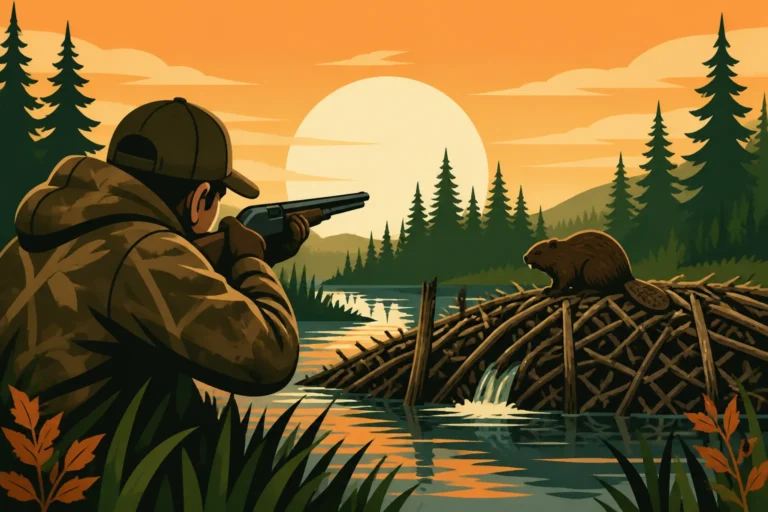
Beaver dam crossings act as natural land bridges in the Ontario wilderness, concentrating deer, moose, and bear movement for hunters.
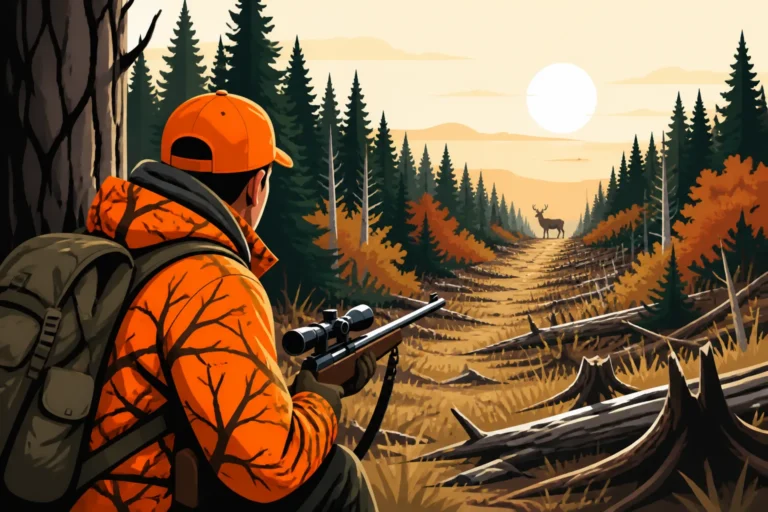
Old trapline cuts in Ontario wilderness offer strategic hunting corridors connecting animal bedding areas and feeding grounds.
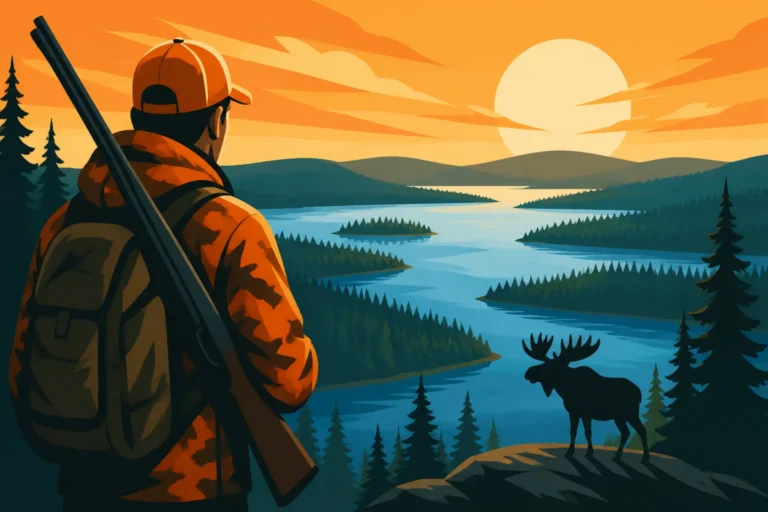
Ontario northern lake country hunting strategies, boreal forest habitats, and Wildlife Management Units access methods are explained.
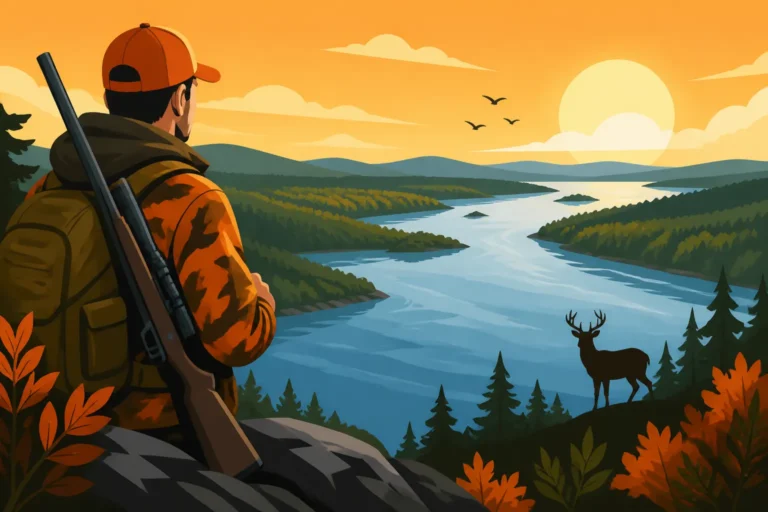
Hunting the Ottawa River region explains white-tailed deer and waterfowl habitats, migration patterns, and effective scouting strategies across Eastern Ontario.
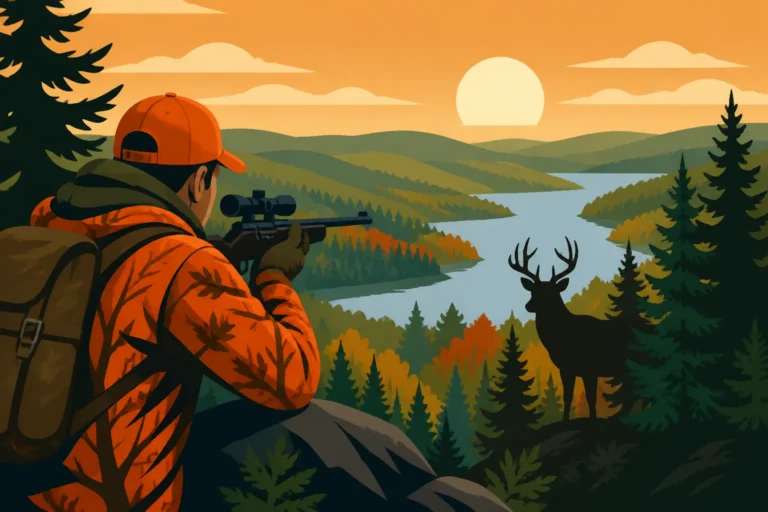
Hunting the Haliburton Highlands explains strategies for navigating rugged terrain to find whitetails, bears, and moose tags.
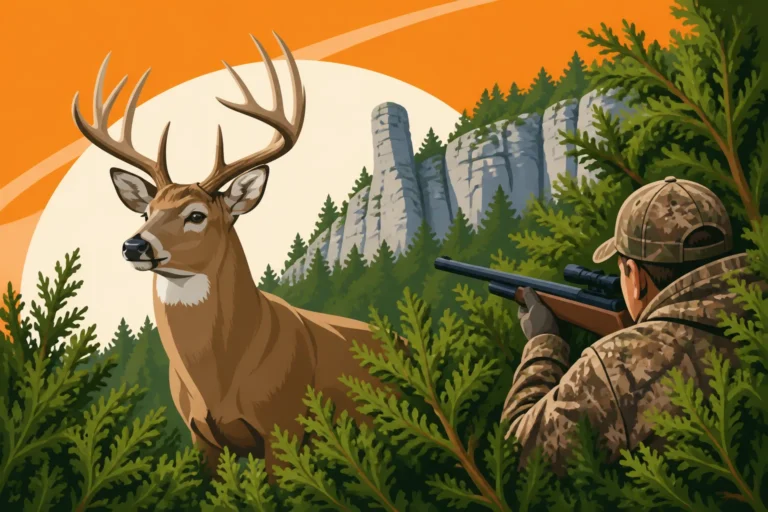
Bruce Peninsula cedar bush deer hunting requires navigating dense cover, rocky limestone terrain, and swirling Great Lakes winds.
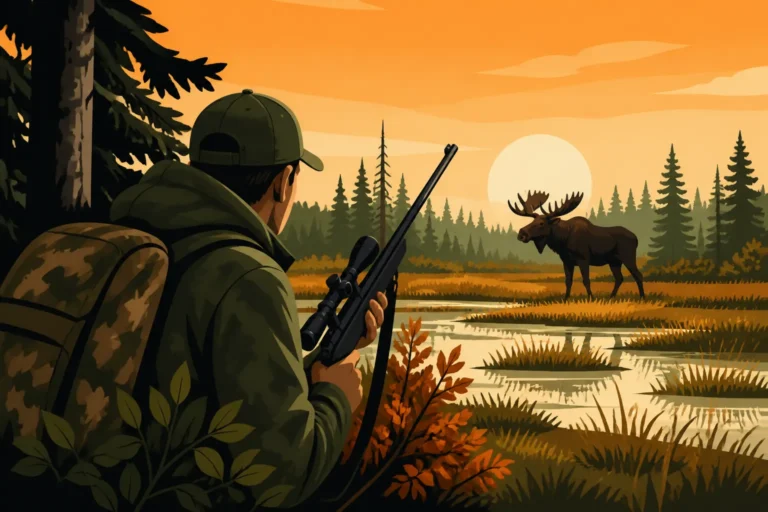
Ontario bog edges attract deer, moose, and black bears by providing water, dense cover, and abundant food sources.
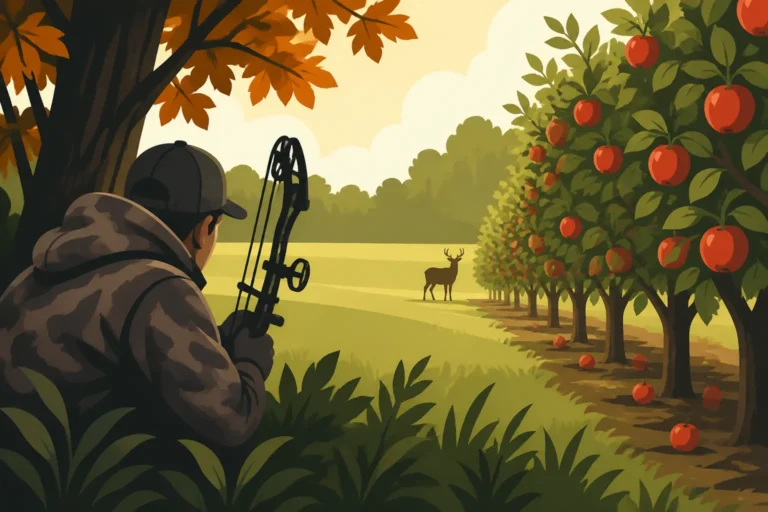
Apple orchard edges in Ontario attract whitetails with high-energy fruit and cover, creating reliable hunting opportunities.
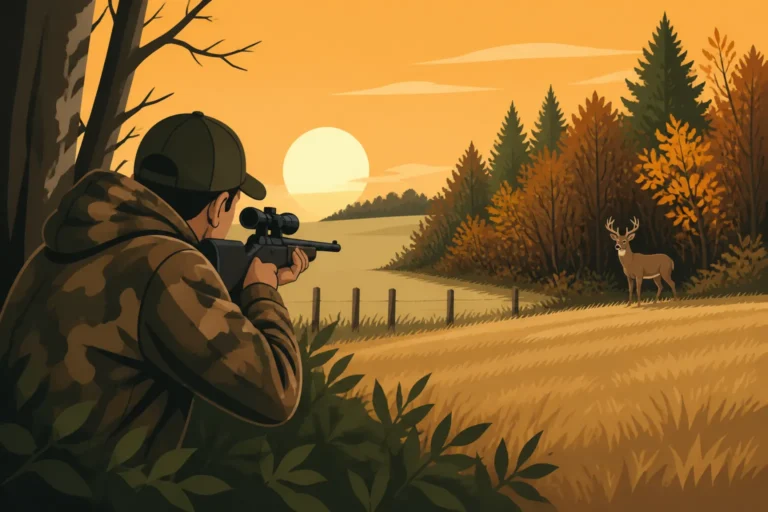
Deer hunting in Ontario bush lots bordering cattle pastures requires specific strategies for managing livestock interactions and landowner relationships.