Hunting Near the Ottawa River
For many of us, the idea of hunting near a major waterway like the Ottawa River conjures images of abundant wildlife and pristine wilderness. However, the reality of hunting this iconic corridor can be quite different from expectations, often leaving hunters scratching their heads about where to even begin. With a mix of agricultural land, sprawling forests, and residential areas, finding consistent access and understanding the unique behaviour of game here presents a distinct challenge. This guide aims to unravel the complexities of hunting the Ottawa River region, offering seasoned advice and practical strategies to help you navigate its diverse landscape and unlock its potential.
Understanding the Ottawa River Corridor as a Hunting Region
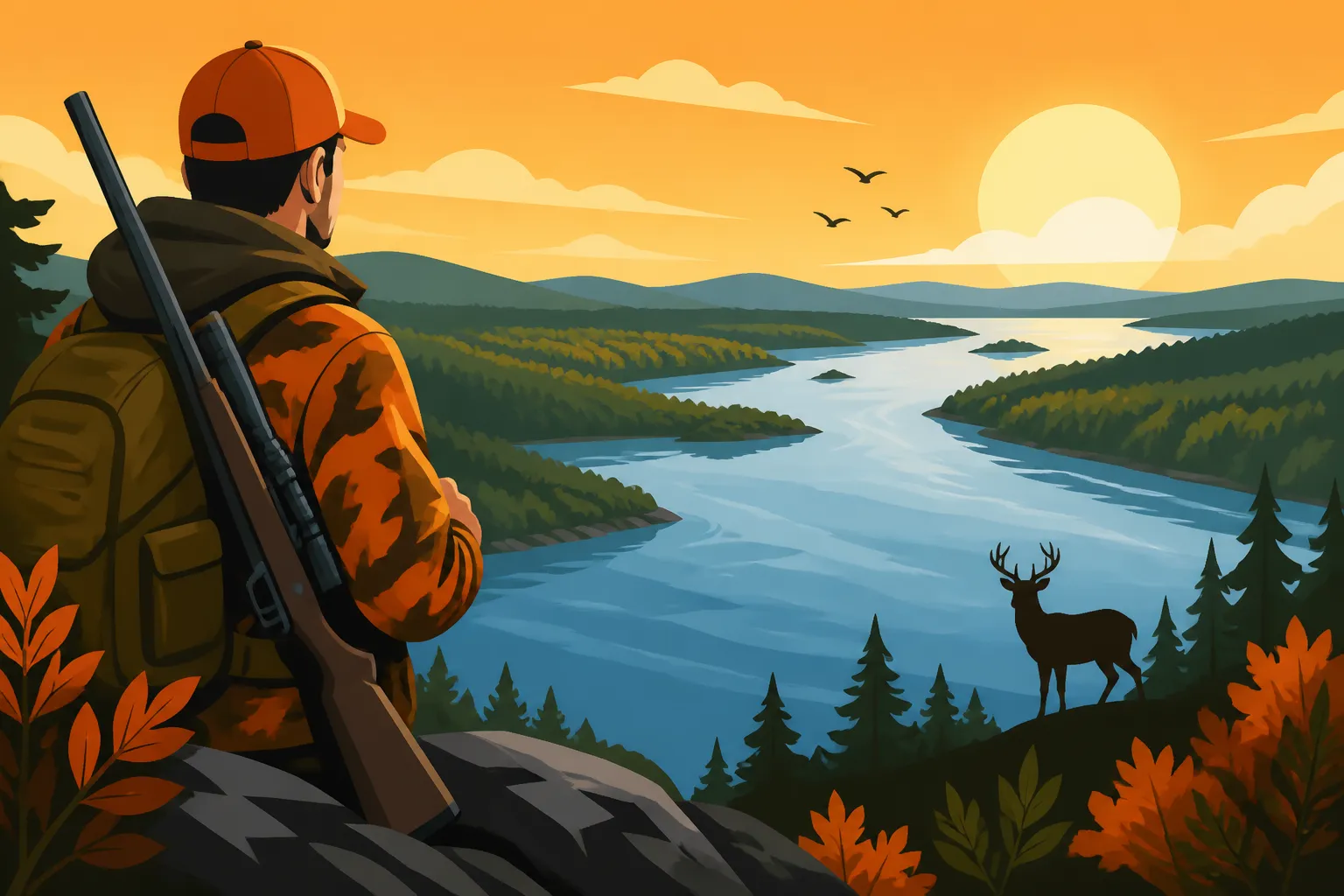
The Ottawa River is more than just a waterway; it's a vibrant ecosystem and a significant geographic feature that shapes the hunting opportunities around it. From its headwaters far north to its confluence with the St. Lawrence, the river acts as both a barrier and a highway for wildlife, creating a unique hunting environment that’s often overlooked in favour of more traditional hunting grounds.
Geographical Overview and Habitat Diversity
Stretching across a considerable portion of Eastern Ontario, the Ottawa River Valley presents an incredible mosaic of habitats. Along the river itself, you'll find extensive wetlands, marshy shorelines, and numerous small islands, creating ideal conditions for waterfowl and drawing deer to its edges for cover and water. As you move away from the immediate riverbanks, the landscape transitions rapidly. In some areas, particularly closer to urban centres or along the southern stretches, rich agricultural fields dominate, interspersed with small, isolated woodlots and hedgerows. Further north and west, you encounter more rugged Canadian Shield country, characterized by mixed forests of hardwoods and conifers, rocky outcrops, and countless smaller lakes and streams.
This diverse terrain means that scouting is absolutely paramount. A spot that looks great for Hunting a Fencerow Between Two Fields one mile in from the river might quickly become dense, mixed forest perfect for Hunting Ontario's Mixed Hardwood Bush just a few miles further. The varying landscapes dictate not only which species you'll encounter but also the most effective hunting methods. Think about how deer use these transitions: they'll feed in the fields, bed down in the adjacent bush, and often travel along the river's sheltered banks. Being able to read these subtle shifts in habitat is key to consistent success.
Key Game Species in the River Valley
The Ottawa River corridor is a fantastic area for a variety of game, with white-tailed deer and waterfowl often being the primary targets for many hunters. However, there's also great potential for small game and, in the northern reaches, even a chance at larger quarry.
- White-tailed Deer: The deer population here, particularly in the agricultural zones, benefits from rich food sources, leading to healthy animals. You'll find good numbers of deer throughout the region, from the mixed forests to the small bush lots bordering corn and soybean fields. Their movement patterns are highly influenced by the river itself, using its banks, islands, and associated swamps as travel corridors and bedding areas. Understanding White-Tailed Deer Across Ontario means recognizing how they adapt to these varied conditions, from dense cover to open fields.
- Waterfowl: Without a doubt, the Ottawa River is a major flyway and staging area, making it a hotspot for Waterfowl Hunting Across Ontario. Canada geese are abundant, often feeding in agricultural fields adjacent to the river, while various duck species like mallards, wood ducks, and black ducks utilize the river's marshes, backwaters, and tributaries. The opportunities here for goose and duck hunting can be exceptional, particularly during migration.
- Small Game: For the upland hunter, the mixed forests and regenerating cutovers offer excellent habitat for ruffed grouse. You might also find spruce grouse in the denser conifer stands further north. Rabbits and snowshoe hares are also present, especially in thick bush and brushy areas, providing good late-season opportunities. Ruffed Grouse Hunting Ontario's Bush Roads is a classic approach in many parts of the region.
- Black Bear and Moose: While less common directly along the more populated stretches of the river, black bears are certainly present in the extensive forested areas, especially in the northern and western parts of the watershed. Moose, too, inhabit the larger, more remote tracts of boreal forest as you move significantly north of the main river valley. If you're looking for these larger species, you'll need to focus on WMUs further away from the immediate river, where the wilderness is more unbroken.
Navigating Access: Crown Land, Private Land, and WMUs
One of the biggest hurdles for hunters new to the Ottawa River region, or even those familiar with it, is figuring out where you can actually hunt. Unlike vast northern regions, public land can be fragmented, and private land dominates in many productive areas.
Finding Public Access Along the River
While the Ottawa River itself is a public waterway, the land bordering it is a mix of private property, Crown Land, and sometimes municipal or conservation authority holdings. Large, continuous blocks of Hunting Ontario's Crown Land are less prevalent directly adjacent to the river in the more settled Eastern Ontario sections, but they do exist in pockets. These might be small, isolated woodlots that are Crown-owned, or larger tracts found further back from the river, especially as you head into WMUs with more Canadian Shield characteristics.
The key to finding these public parcels is thorough research. Digital mapping tools, like those offered by GoHunt, are invaluable here. They allow you to overlay property lines with satellite imagery, clearly delineating Crown Land from private holdings. You can spend hours at home scouting potential access points, looking for those less-travelled trails or forgotten corners of public ground that might hold game. Don't be afraid to zoom in and out, looking for small, unassumed Crown parcels that other hunters might overlook. Often, these smaller, harder-to-reach pockets of public land, especially those with wetland features or dense cover, can be surprisingly productive for deer and waterfowl.
Strategies for Securing Private Land Permission
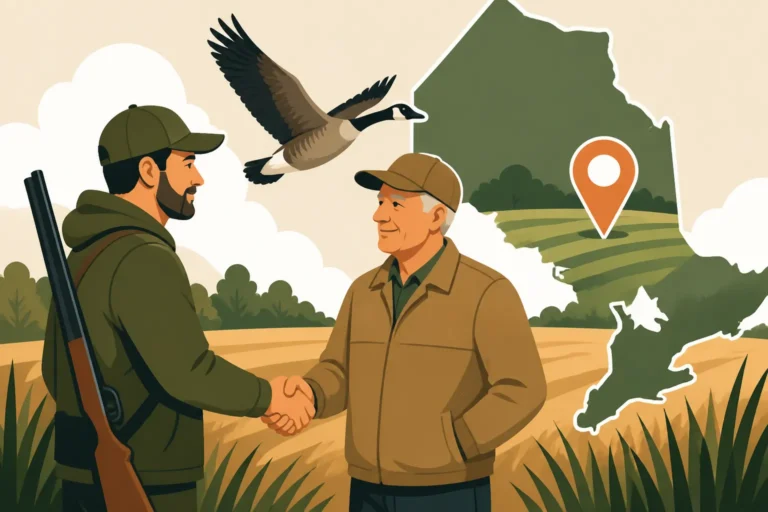
In the Ottawa River Valley, especially in its agricultural belt, private land is king. This means that a significant portion of your hunting opportunities will hinge on your ability to secure permission from landowners. This can be intimidating, but a respectful approach and a little persistence go a long way.
First and foremost, present yourself well. Knock on doors outside of busy farm hours, wear clean clothes, and be polite. Have a clear, concise request: "Hello, my name is [Your Name], and I'm a hunter looking for a safe place to hunt deer (or geese) this fall. I noticed you have some good habitat here, and I was wondering if you might consider allowing me to hunt on your property." Offer to share some of your harvest, and always leave your contact information. Reassure them that you'll be respectful, clean up after yourself, and be mindful of their property, livestock, and any specific requests they have. A detailed guide like Getting Private Land Permission in Ontario can offer more nuanced advice on approaching landowners.
Using mapping tools like GoHunt can also be a huge asset here. Before you even knock on a door, you can use these apps to identify the landowner's name and property boundaries. This preparation shows respect and professionalism, as you know exactly whose land you're asking about and can discuss specific areas. Remember, building relationships takes time, and a single "no" isn't a "never." Sometimes, a farmer might say no because of ongoing work, but might be open to it later in the season or next year. Persistence, politeness, and proven respect for their land are your best tools.
Hunting Strategies for the Ottawa River Environment
Once you've secured your hunting grounds, the next step is to adapt your strategies to the unique landscape of the Ottawa River. This isn't just about calling in a goose or still-hunting for a buck; it's about understanding how these animals interact with the river, its tributaries, and the surrounding terrain.
Riverine and Wetland Hunting Tactics
The Ottawa River and its myriad wetlands, sloughs, and beaver ponds are a haven for waterfowl. For duck and goose hunting, these areas are paramount. Successful hunts often involve setting up decoys near traditional feeding or roosting areas, often on river islands, sandbars, or along the edges of flooded timber. Jump-shooting smaller backwaters or tributaries, particularly for wood ducks, can also be productive. Don't overlook the importance of scouting; geese, especially, will often fly predictable patterns between the river and nearby agricultural fields, which you can use to your advantage when Field Hunting Geese in Ontario Stubble.
Deer, too, heavily utilize these riparian zones. During the rut, bucks will often cruise the edges of marshes and riverbanks looking for does, making these natural travel corridors excellent places for a stand. In early seasons, when mosquitoes are prevalent, deer might even seek relief near open water. Look for pinch points where deer are forced to cross narrower sections of water, or where dense cattails meet a hardwood ridge. A Hunting a Beaver Meadow Crossing can be incredibly effective, as these areas concentrate game that needs to traverse the wet ground. Access to these areas sometimes requires a canoe or small boat, allowing you to reach spots that are inaccessible by foot, giving you an edge over other hunters.
Bush Lot and Farmland Edge Approaches
Away from the immediate river, the patchwork of bush lots and agricultural fields creates a distinct hunting scenario, particularly for deer. In areas where larger tracts of forest are scarce, deer will rely heavily on these smaller woodlots for cover, bedding, and security, venturing out into the fields to feed, especially at dusk. This environment demands patience and often requires a well-placed stand on a key travel corridor.
Think about how deer move between their bedding areas in the bush and their feeding grounds in the fields. A fencerow, a drainage ditch, or a small finger of woods extending into a field can be an absolute highway for deer. Placing a stand on the edge of a Hunting a Standing Corn Field Edge or a soybean field, especially where it meets thicker cover, can provide excellent evening opportunities. Deer drives with a small group of hunters can also be effective in these smaller bush lots, pushing deer from cover to waiting standers. However, always ensure you have explicit landowner permission for any drives and prioritize safety above all else. During the late season, when standing corn or other crops are still up, these fields become massive bedding areas, and hunting their perimeters can be very productive.
Essential Gear and Considerations for Ottawa River Hunts
Hunting the Ottawa River region, given its unique characteristics, often requires some specific gear and a careful approach to safety and ethics. Being prepared for the environment is just as crucial as knowing your species.
Watercraft and Safety Considerations
If your hunting plans involve waterfowl or accessing remote areas along the river or its tributaries, a reliable watercraft is non-negotiable. A sturdy canoe, a jon boat, or a small utility boat with an outboard motor can open up a world of opportunities that are otherwise inaccessible. When operating any watercraft on the Ottawa River, especially during hunting season, safety must be your top priority. The river can be wide, currents can be strong, and weather conditions can change rapidly.
Always ensure your boat is in good working order, with all required safety equipment on board (life jackets, bailing device, sound-signalling device, etc.). Dress appropriately for immersion, even if you don't plan on getting wet, as accidental falls happen. Let someone know your float plan, including where you're going and when you expect to return. Consider the potential for ice later in the fall; cold water survival is a serious concern. While not directly related to watercraft, having a reliable GPS, possibly integrated with your GoHunt mapping application, is crucial for navigation on land and water, especially in unfamiliar territory or during low light conditions.
Local Regulations and Hunter Ethics
Hunting near the Ottawa River, like anywhere else in Ontario, means adhering strictly to all provincial regulations. This includes knowing the specific Ontario Deer Season Dates and Tags for your Wildlife Management Unit (WMU), understanding bag limits, and ensuring you have the correct licenses and validations. Remember, blaze orange requirements are in effect during gun seasons, and proper identification of your target is critical, especially when hunting near populated areas. If you're new to hunting in Ontario or just need a refresher, completing an Ontario Hunter Education Requirements course is invaluable for understanding these rules inside and out.
Ethical considerations are particularly important in this region due to the mix of public and private land and proximity to communities. Always know your target and what lies beyond it. Respect property boundaries, even when retrieving game; if an animal crosses onto private land where you don't have permission, you must seek permission to retrieve it. This is where strong landowner relationships really pay off. Leave no trace of your hunt, pack out all your garbage, and ensure your presence is a positive one. By upholding the highest ethical standards, we not only ensure safe hunting for ourselves but also foster good relationships with landowners and the public, which is vital for the future of hunting in the Ottawa River Valley.
| Species | Primary Habitat Types | Typical Hunting Methods | Best Seasons |
|---|---|---|---|
| White-tailed Deer | Mixed forests, bush lots, farmland edges, riverine cover | Stand hunting, still hunting, small drives | Archery (late Sept-Oct), Gun (Nov), Muzzleloader (Dec) |
| Canada Geese | Agricultural fields (corn, winter wheat, pasture), river islands, large open water | Decoying, field blinds, jump-shooting | Early Goose (Sept), Fall Regular (Sept-Jan) |
| Ducks (Mallard, Wood Duck) | Marshes, beaver ponds, river eddies, tributaries, flooded timber | Decoying, jump-shooting, marsh blinds | Fall Regular (Sept-Jan) |
| Ruffed Grouse | Young clearcuts, alder thickets, bush roads in mixed forest | Walk-up, dog hunting, still hunting | Fall (Sept-Dec) |
| Snowshoe Hare | Dense conifer thickets, regenerating clearcuts, brush piles | Running with beagles, still hunting | Fall/Winter (Sept-Mar) |
Disclaimer
Hunting is an inherently dangerous activity. Always prioritize safety, understand and follow all applicable laws and regulations, and respect private property. This guide provides general information and should not replace professional instruction, local regulations, or personal judgment. Be aware of your surroundings and hunt responsibly.