Timing an Ontario Spring Bear Hunt
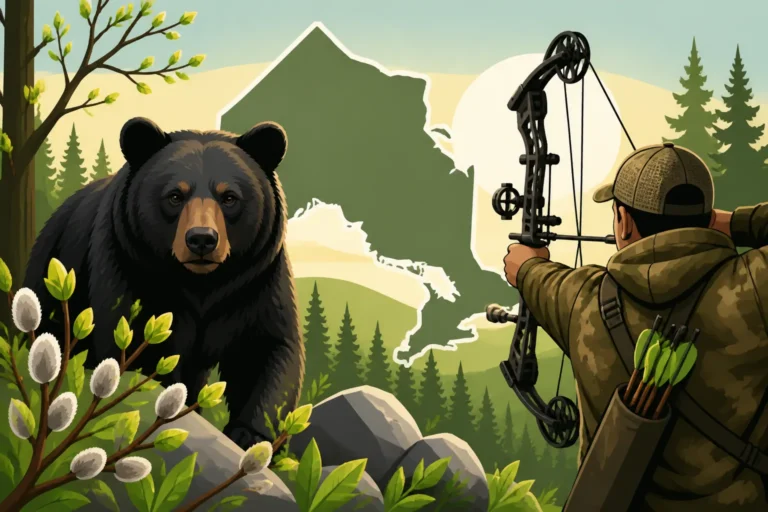
Ah, the Ontario spring bear hunt. It’s a pursuit that calls to many of us, a chance to get into the woods after a long winter and chase one of the most intelligent and formidable game animals out there. But let's be honest, trying to pinpoint the "perfect" time to be out there can feel like trying to guess the winning lottery numbers sometimes. The truth is, bear activity can be incredibly fickle, heavily influenced by factors completely out of our control. This guide is all about helping you understand the nuances of the spring season so you can make informed decisions and maximize your chances of success, despite nature's unpredictable whims.
Understanding Ontario's Spring Bear Season Window
First things first, let's talk about the official window you have to work within. Ontario's spring bear hunt is a precious, albeit relatively short, opportunity. Typically, the season kicks off on May 1st and runs until June 15th or sometimes June 30th, depending on the specific Wildlife Management Unit (WMU) you're targeting. This isn't a "set it and forget it" kind of deal; you really need to check the regulations for your chosen WMU every single year because dates and rules can shift.
It’s easy to get frustrated when you hear stories of bears being active in April further south, only to realize your northern Ontario WMU doesn't open until May. This provincial variability is a key component of Ontario's Black Bear Rules. Some WMUs, especially those further north or in areas with specific management goals, might have slightly different start or end dates, or even shorter seasons. For instance, while many popular southern and central WMUs consistently offer the May 1 to June 15 window, a quick check of the hunting regulations can reveal variations in certain northern areas. Don't just assume; always confirm with the most current Ontario Hunting Regulations Summary to ensure you're legal and hunting during the correct dates for your location. This isn't just about legality; it's about optimizing your timing within the available window, which we’ll dive into next.
General Start and End Dates
The general opening on May 1st is typically when bears in many parts of the province are just starting to emerge from their dens or have only been out for a short period. This early part of the season can be fantastic, but it also comes with its own set of challenges. Bears are often hungry, but their movements can still be restricted by lingering snow or unusually cold snaps. As the season progresses into June, the days get longer, temperatures rise, and natural food sources become more abundant, shifting bear behaviour once again.
The closing date, whether it's June 15th or June 30th, marks the end of a very dynamic period. By mid-June, many sows will have cubs with them, and the breeding season (the rut) for bears is often in full swing, especially in late May and throughout June. Understanding these general dates is step one; the real challenge and opportunity lie in predicting when within this window the bears in your specific area will be most active and vulnerable. Remember to specifically check Which WMUs Have a Short Spring Bear Season if you're planning on hunting less common areas, as it could dramatically affect your timing plans.
Regional Variations and WMU Specifics
Ontario is a massive province, stretching from the temperate farmlands of the south to the vast boreal forests of the north. What applies to a bear in the Bancroft region might be entirely different from one in the Thunder Bay area. WMUs in Southern Ontario often see bears emerge earlier due to milder spring conditions, while their northern counterparts can still be covered in significant snow well into May. This means that a "mid-season" hunt in the south might equate to an "early season" experience up north.
Using mapping tools like GoHunt can be invaluable here. You can overlay snow depth maps (if available seasonally) or historical temperature data to get a sense of how conditions typically unfold in your target WMU. Pay close attention to the specific WMU you hold a tag for. Each WMU is a unique ecological zone, and bears within them respond differently to spring conditions. Researching local historical weather patterns for your chosen WMU, rather than just general provincial forecasts, will give you a much clearer picture of what to expect on the ground When Bears Leave the Den in Spring. This foresight allows you to adapt your strategy, whether that means planning an earlier trip if conditions are mild or pushing it back a week or two if winter seems to be hanging on.
Factors Influencing Bear Activity in Spring
Bears, much like us, are creatures of comfort and opportunity. Their behaviour in spring is almost entirely dictated by two things: getting food and, for the boars, finding mates. Understanding these underlying drivers is key to timing your hunt effectively.
After months of hibernation, bears are running on empty. Their primary instinct is to replenish lost fat reserves. This intense hunger is your biggest ally during the spring hunt, especially in the early weeks. However, what they can eat and when it becomes available varies dramatically.
Post-Denning Hunger and Foraging Behavior
When bears first emerge from their dens, often in late April or early May, they're incredibly hungry but also somewhat sluggish. Their digestive systems are still waking up, and they're looking for easily digestible food. This usually means tender new shoots of grass, sedges, skunk cabbage, and any carrion they might stumble upon from winter kills. They’ll often frequent sunny, south-facing slopes where snow melts fastest and green-up occurs earliest. Creeks and rivers, where fresh growth often appears first, are also hotspots.
As the weeks progress, and more natural vegetation becomes available, their diet diversifies. They'll start tearing apart rotting logs for grubs and insects, flipping rocks for beetles, and nibbling on emerging berry bushes. This period of intense, broad foraging is a prime time to intercept them, whether you're using bait or trying to Hunting a Hardwood Ridge for Whitetails and hoping to stumble upon a bear feeding in the undergrowth. This shift in diet is why your scouting and baiting strategy needs to evolve with the season. For more insights on this, you can look into What Bears Eat in a Boreal Spring.
Impact of Natural Food Availability
The abundance, or lack thereof, of natural food sources is probably the single biggest factor influencing bear movement and, by extension, the effectiveness of your timing.
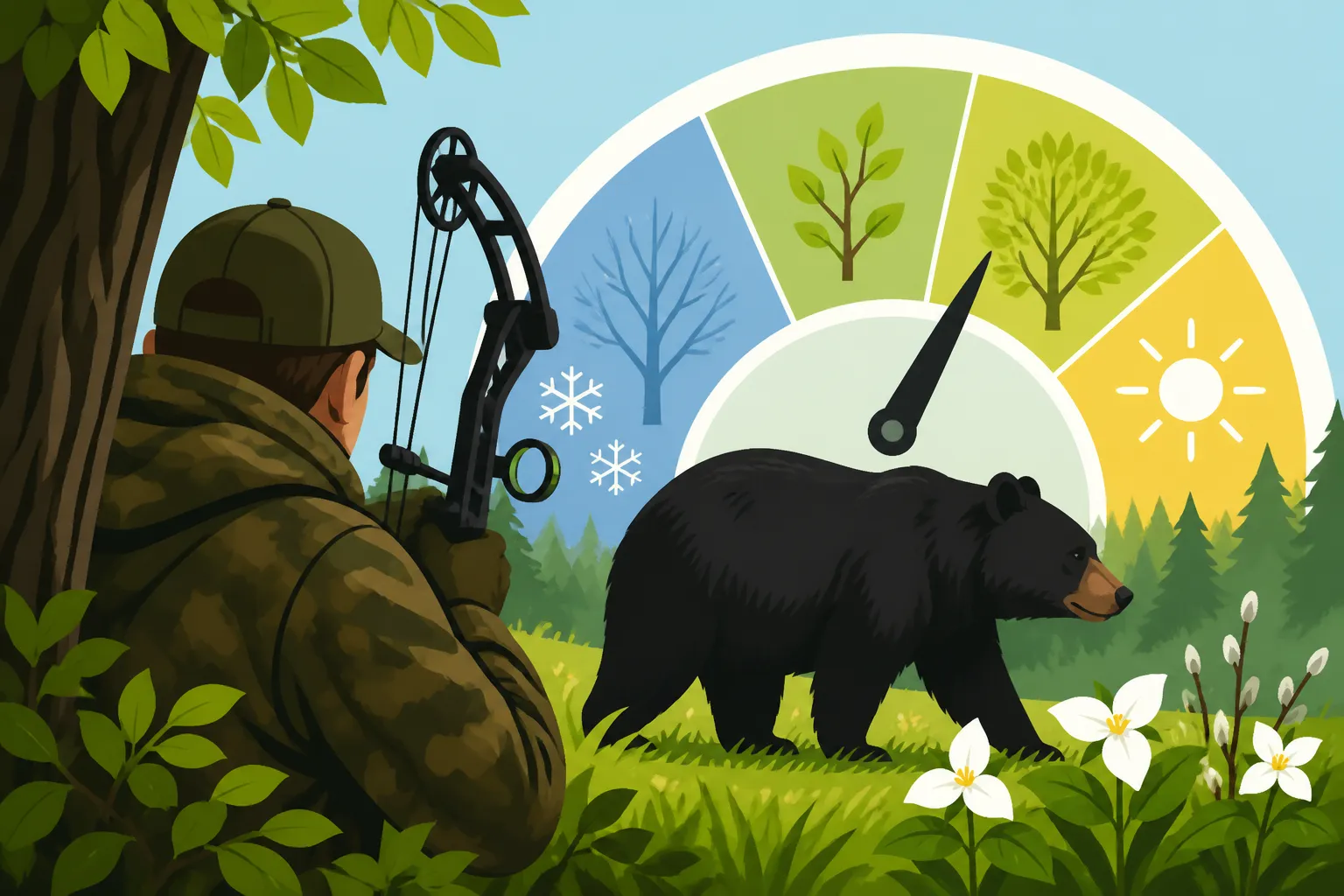
- Early Spring (May 1st – May 15th): If natural foods are scarce (e.g., due to a late, cold spring), bears are more likely to hit artificial bait sites hard and consistently. They're desperate for calories. This can be an excellent time to hunt over bait, but it also means dealing with potentially colder weather and more unpredictable bear emergence.
- Mid-Spring (May 15th – June 1st): As green-up really takes off, and more diverse food sources become available, bears might become a bit pickier. They’ll still visit bait, but perhaps less frequently or consistently if they find a patch of their favourite new growth nearby. This is also when the breeding activity starts to ramp up for boars.
- Late Spring (June 1st – June 30th): By late spring, natural food sources are plentiful. Berries might be starting to form, more insects are available, and the woods are lush. This can make baiting more challenging, as bears have many other options. However, it’s also the peak of the rut, meaning big boars are actively cruising huge areas looking for sows. This late period can be phenomenal for spot-and-stalk or still-hunting, as boars are less cautious and covering significant ground.
If you're relying heavily on bait, a cold, late spring where natural foods are slow to emerge can actually work in your favour, making your bait site a far more attractive option for a hungry bear. Conversely, an early, warm spring with abundant natural forage might mean your bait needs to be extra enticing to compete.
Breeding Season and Boar Movement
The black bear breeding season, or rut, typically peaks in May and June across Ontario. For hunters targeting a large boar, this period offers a unique advantage. During the rut, male bears expand their territories dramatically, travelling vast distances in search of receptive females. They become less cautious and more single-minded in their pursuit, often ignoring potential dangers they might otherwise avoid.
This is where the timing really comes into play for trophy hunters. While early season might be great for any hungry bear, mid-to-late May and especially early to mid-June can be prime for encountering larger, more transient boars. They might pass through areas they wouldn't normally frequent, following scent trails. Even if your bait site isn't getting consistent hits from a resident bear, a cruising boar might discover it during his wide-ranging travels. This is a time when having a good understanding of bear travel corridors and using a tool like GoHunt to identify potential routes between known bear territories can really pay off. Look for natural funnels, old logging roads, and creek bottoms that connect larger forested blocks; these are highways for rutting boars.
Strategies for Timing Your Hunt
So, how do you put all this knowledge into action? It's all about strategic planning and flexibility. Don't be afraid to adjust your expectations and tactics based on the conditions you find when you arrive.
Early Season (May 1st – May 15th) Tactics
The first couple of weeks of May can be a magical time, but they can also be challenging. Bears are just waking up, they're hungry, and often, the woods are still quite open before full leaf-out, which can aid visibility if you're not hunting over bait.
Pros:
- Bears are ravenous and often less wary.
- Competition for bait sites might be lower from other natural food sources.
- Fewer bugs (usually!).
- Good chance of connecting with a bear quickly if your bait is established and attractive.
Cons:
- Unpredictable weather (snow, freezing rain, cold snaps are possible).
- Bears might not be fully emerged in all areas, especially further north.
- Less boar movement for trophy hunters if the rut hasn't kicked off.
For early season, your best bet is often a well-established bait site. Focus on setting a high-calorie, highly aromatic bait to draw bears in. If you're planning on Setting a Bear Bait Site in Ontario, start well before the season opens (where legal, always check regulations) to give bears time to find it and get accustomed. Given the variable weather, ensure your hunting setup is comfortable and can withstand the elements – a pop-up ground blind offers good protection. Scout for south-facing slopes and areas near water where green-up will be earliest. Use GoHunt to identify areas with good wintering cover (cedar swamps, thick conifer stands) adjacent to early-green-up areas; bears will often move from these thermal refuges to their first food sources.
Mid-Season (May 15th – June 1st) Adjustments
This middle period often sees a transition. Temperatures are generally warmer, bugs are starting to emerge, and natural foods are becoming more prevalent. It’s also when boar activity really starts to pick up.
Pros:
- Increased general bear activity.
- Boars start to travel more, increasing the chances of encountering a large male.
- More consistent weather for hunting.
Cons:
- Natural food competition for bait can increase.
- Bugs become more prevalent (prepare for them!).
- Bears may become more nocturnal if they're feeling pressured.
Mid-season is a time for adaptability. If baiting, refresh your bait regularly with fresh, strong-smelling attractants to keep bears interested. Consider adding different types of food to your bait to appeal to changing preferences. This is also a fantastic time for still-hunting or spot-and-stalk if you're in an area with good visibility and high bear densities, such as when you’re Hunting Deer in Ontario's Mixed Forest and bears are also present. Focus on areas where you see signs of fresh digging, torn-up logs, or overturned rocks. The boars are moving, so keep your head on a swivel! This is also a good time to review Where the Highest Bear Densities Are to focus your efforts.
Late Season (June 1st – June 30th) Opportunities
As the spring hunt draws to a close, it offers unique challenges and incredible rewards, especially for those seeking a mature boar. The woods are fully green, bugs are out in force, and natural foods are abundant.
Pros:
- Peak of the rut for black bears, leading to maximum boar movement.
- Warmer, longer days allow for more hunting time.
- Excellent opportunity for big boars covering ground.
Cons:
- Intense natural food competition can make baiting very tough.
- Bugs can be relentless, impacting hunter comfort and focus.
- Dense foliage can reduce visibility significantly.
For late season, if baiting, your bait must be absolutely irresistible. High-sugar, high-fat content items, and potent liquid attractants become critical to pull bears away from natural forage. Focus on consistency – keeping the bait fresh and plentiful. However, this is also prime time for actively hunting bears by still-hunting or slowly slipping through known bear country. Concentrate your efforts around water sources, dense cover where bears might bed, and areas with early berry crops (like blueberries or saskatoons).
Remember that during the rut, boars will follow sow scent trails. Consider using boar urine or synthetic sow-in-heat attractants around your bait or along travel corridors. And absolutely, unequivocally, prepare for the bugs. Without proper insect repellent and head nets, your late-season hunt could be miserable. For specific advice, check out Bug Season on a Spring Ontario Hunt. This will be paramount to your comfort and ability to stay on stand.
| Season Phase | Typical Dates | Bear Behavior | Hunting Strategy | Pros | Cons |
|---|---|---|---|---|---|
| Early Spring | May 1 – May 15 | Hungry, emerging, near dens. | Baiting with high-calorie attractants, targeting early green-up. | High hunger, less wary, fewer bugs. | Unpredictable weather, variable emergence. |
| Mid-Spring | May 15 – June 1 | Increased activity, boars starting to cruise. | Refresh bait, consider still-hunting, focus on boar travel. | Consistent weather, increasing boar movement. | More natural food competition, bugs emerging. |
| Late Spring | June 1 – June 30 | Peak rut for boars, abundant natural food. | Irresistible baiting, active still-hunting for boars. | Max boar movement, longer days. | Intense natural food competition, severe bug pressure, dense foliage. |
Weather Considerations and Scouting
Ontario weather in spring is a fickle beast, ranging from late-season snowstorms to scorching heatwaves within the same week. Always keep an eye on the forecast leading up to and during your hunt. A sudden cold snap can reduce bear activity, while a warm rain can get them moving.
Before you even step foot in the woods, thorough scouting is paramount. Use mapping apps like GoHunt to analyze terrain, identify potential travel corridors, locate thick bedding areas, and pinpoint possible feeding spots. Look for areas with a mix of cover and water sources. Satellite imagery can help you identify clearings, old cutovers, and transition zones that bears frequently use. When you get boots on the ground, look for fresh tracks, scat, overturned rocks, and rubbed trees. This sign will tell you where bears are actively moving, allowing you to fine-tune your timing and stand placement. You can also gain an edge by using Scouting With Satellite Imagery in Ontario to identify potential hotspots before you even arrive.
Gear and Preparation for a Timed Spring Hunt
No matter when you decide to head out for your spring bear hunt, being properly prepared can make or break your experience. The timing influences what gear becomes critical.
Essential Clothing and Footwear
Given the variable spring weather in Ontario, layering is your best friend. Even on a warm May day, mornings can be chilly, and evenings can drop quickly.
- Early Season: Think insulated base layers, a fleece mid-layer, and a waterproof, windproof outer shell. Bring a warm hat and gloves. Waterproof boots are non-negotiable, as snowmelt and spring rains can create very wet conditions.
- Mid to Late Season: Lighter base layers are often sufficient, but always have a waterproof outer shell for sudden downpours. Good ventilation is key to avoid overheating. Your boots still need to be waterproof, but perhaps focus more on breathability.
Scent Control for Wary Bears
While spring bears might be less wary due to hunger or rutting distraction, they still have an incredible sense of smell. As the season progresses and they encounter more human activity, they can become increasingly cautious.
- All Season: Employ strict scent control practices. Wash your hunting clothes in scent-free detergent, store them in airtight containers, and use scent-eliminating sprays before heading into the woods. Consider a scent-control suit, especially for bait hunting where bears are likely to come in very close.
- Late Season: During the rut, boars are focused, but their noses are still working. If you're still-hunting or spot-and-stalking, playing the wind is absolutely critical. Even when using an excellent mapping app like GoHunt, which can show wind direction, you'll want to verify it on site.
Bug Protection – Don't Underestimate It!
This cannot be stressed enough: Ontario in spring means bugs, and by late May and June, they can be truly brutal. Black flies, mosquitoes, and deer flies can drive you absolutely insane and completely ruin a hunt if you're not prepared.
- Early Season: They might not be out in full force yet, but carry a head net and bug spray just in case.
- Mid to Late Season: This is prime bug season. You need a comprehensive bug protection strategy.
- Head Net: Non-negotiable.
- Bug Suit/Jacket: Lightweight, breathable bug-proof clothing, such as those made by Thermacell or other brands that incorporate permethrin, can be a lifesaver.
- Repellent: DEET-based repellents are effective, but apply carefully. Permethrin-treated clothing offers excellent protection.
- Thermacell: These devices create a bug-free zone and are absolutely invaluable for sitting on a stand or in a blind. Do not go into the late spring bear woods without one.
Trust me on the bug protection. There’s nothing worse than having a big boar approaching your bait and being so distracted by a cloud of black flies that you can’t focus on your shot. Prioritize your comfort, and you'll be able to stay out longer and remain more alert.
Managing Expectations and Embracing the Challenge
No matter how perfectly you time your hunt, remember that hunting wild animals is inherently unpredictable. There are no guarantees. You could hit the absolute peak of the rut in ideal weather and still not see a bear, or you could go out on a whim during a less-than-ideal window and tag out within hours. That’s the beauty and the frustration of it all.
The best approach is to embrace the challenge. Do your research, understand the general patterns, use tools like GoHunt to scout and plan, and then be ready to adapt to whatever conditions Ontario throws your way. Whether you choose to hunt the ravenous bears of early May or the rutting giants of late June, each phase of the spring season offers its own unique experience and rewards. Enjoy the time in Ontario's incredible wilderness, learn from every outing, and cherish the opportunity to pursue these magnificent animals.
Planning a Successful Hunt Beyond Timing
Beyond just the timing, there are many other critical elements to a successful Black Bear Hunting in Ontario trip. Make sure you understand the requirements for Ontario Hunting Licences and What They Cost, including the specific black bear validation certificate. Consider who you're hunting with, and what kind of experience you want. Are you going DIY on Hunting Ontario's Crown Land or using an outfitter? Each choice influences your strategy. Good luck out there, and may your timing be impeccable!
Disclaimer
This guide is for informational purposes only and should not be considered legal advice. Hunting regulations in Ontario can change frequently. It is the responsibility of every hunter to consult the most current Ontario Hunting Regulations Summary published by the Ministry of Natural Resources and Forestry (MNRF) before hunting. Always verify season dates, bag limits, and specific rules for your chosen Wildlife Management Unit (WMU).