What Bears Eat in a Boreal Spring
When spring finally starts to nudge the deep snow of an Ontario winter, many of us are itching to get back out into the bush. For black bears, that feeling isn't just an itch – it's a deep, gnawing hunger that drives their every move as they shake off months of hibernation. Understanding what these incredible animals are looking for, food-wise, in the boreal forest during those crucial spring weeks isn't just fascinating; it's absolutely vital for anyone venturing into their territory, whether you're a nature enthusiast, a camper, or a hunter keen on a Spring Bear Hunting in Ontario adventure. This guide will walk you through the challenging and ever-changing menu of a black bear emerging from its long winter nap in Ontario's vast northern woods.
The Great Awakening: Battling the Spring Hunger Gap
Imagine waking up after months of deep sleep, your body running on fumes, and the fridge is practically empty. That's pretty much the reality for an Ontario black bear as it emerges from its den in the spring. They've been living off fat reserves, and while their metabolism slows significantly during hibernation, it doesn't stop completely. They're lean, often a bit groggy, and driven by an intense need to replenish energy and nutrients. The boreal forest, especially in early spring, isn't exactly a buffet. The challenge of finding enough calories quickly is immense, and it shapes their every movement and foraging choice.
The Post-Hibernation Metabolism and Nutritional Needs
When a bear first steps out of the den, their digestive system isn't immediately ready for a heavy meal. It's a slow re-acclimation process, much like us easing back into solid food after a bad flu. They're not just craving calories; they need specific nutrients to repair tissues, regain strength, and kickstart their metabolism back into high gear. This initial phase often sees them consuming easily digestible, softer foods. Think less about a massive steak and more about a gentle soup to start. Their primary goal is to get their internal systems working efficiently again and to start packing on some lean mass before the truly productive berry seasons later in the year.
Scavenging for Winter's Leftovers
One of the first and most crucial food sources for a newly awakened bear in the boreal spring is carrion. Winter can be harsh in Ontario, and many animals, particularly deer and moose, don't make it through the deep snow and bitter cold. As the snow melts, these winter-killed carcasses become exposed, offering a high-protein, high-fat feast that's invaluable to a hungry bear. Bears have an incredible sense of smell, allowing them to detect these opportunities from a great distance. They'll actively travel ridge lines and check low-lying areas where animals might have sought shelter or perished. This scavenging is a critical bridge for bears during the leanest part of spring, providing a significant caloric boost before new vegetation really takes hold. You might even find them nosing around areas where you know there's high deer or moose traffic, such as areas referenced when Hunting Moose Around an Ontario Beaver Pond or discussing Where Ontario's Moose Are Densest.
The First Green Shoots: Nature's Spring Tonic
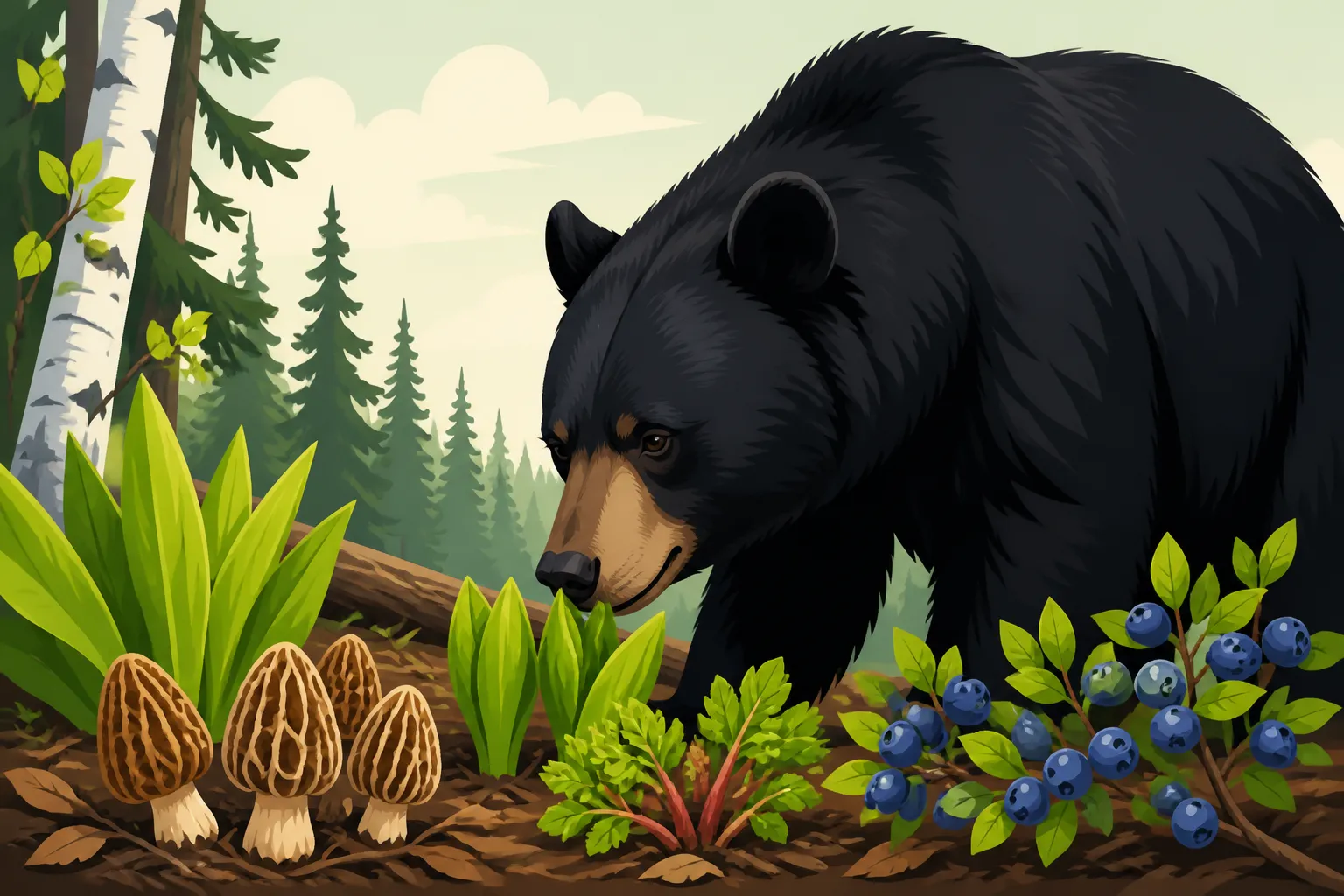
While carrion provides a much-needed protein hit, bears are also herbivores for a significant portion of their diet. As soon as the ground thaws and sunlight penetrates, the first green shoots push through the soil. These early plants are often high in water content and contain crucial vitamins and minerals, acting like a spring tonic for the bears.
Some common early spring greens that Ontario black bears will gorge on include:
- Cattail Shoots: Found along wetlands and pond edges, the tender white shoots of cattails are a favourite.
- Sedges and Grasses: Anywhere there's open ground and sunlight, fresh grasses and sedges provide accessible forage.
- Skunk Cabbage: While stinky to us, bears don't seem to mind and will consume the early leaves.
- Dandelions and Clovers: These common plants pop up quickly and offer a readily available food source, especially near clearings or disturbed ground.
- Aspen and Willow Buds/Catkins: The tender buds and catkins of these trees provide an early burst of energy.
While not packed with calories, these greens aid digestion and help cleanse the bear's system after months of dormancy. They are essential for kickstarting the bear's internal processes and preparing them for the more calorie-dense foods to come.
Beyond the First Greens: A Shifting Spring Diet
As spring slowly but surely progresses in the boreal forest, the bear's menu begins to diversify. The emphasis shifts from pure scavenging and the first tender greens to a more active search for protein and energy-rich foods that are starting to become more available. This transition period is crucial for bears to continue building up their reserves.
Insect Protein: A Critical Resource
One of the most important, and often overlooked, spring food sources for black bears is insects. They are a fantastic source of protein and fat, and bears will spend hours methodically turning over rocks, tearing apart rotting logs, and digging into the ground to find them.
- Ant Colonies: Ants and their nutrient-rich larvae are a huge draw. Bears will rip into ant hills and fallen logs, scooping up handfuls of ants and their eggs. The sheer volume of ants in the boreal forest makes this a consistent and reliable food source.
- Grubs and Larvae: Under the bark of dead trees, in rotting wood, and beneath the soil, various beetle larvae and grubs provide another protein-packed meal. Bears' powerful claws are perfectly adapted for shredding and digging to uncover these hidden treats.
- Other Insects: While perhaps not targeted specifically, bears will opportunistically consume other insects they encounter while foraging.
The work involved in finding and consuming insects is significant, but the nutritional payoff makes it well worth the effort for a hungry bear. If you're using tools like GoHunt to scout, looking for areas with plenty of downed timber and rocky outcrops could point you to prime insect foraging grounds.
Leftover Berry Crops: A Sweet Surprise
While spring is generally too early for fresh berries, some hardy species can persist through the winter under a protective blanket of snow or in sheltered areas. Berries like highbush cranberry, certain blueberries, or even some wild grapes might still be found clinging to branches, shriveled but still offering a concentrated burst of sugar. Bears have a long memory for prime berry patches, and they will revisit these locations in spring on the off-chance they can find any residual fruit. These finds are rare but highly prized, offering a much-needed dose of carbohydrates. While most berry talk happens later in the season, understanding Why Berry Crops Move Ontario Bears is still relevant to their early scouting habits.
Beaver and Other Small Mammals
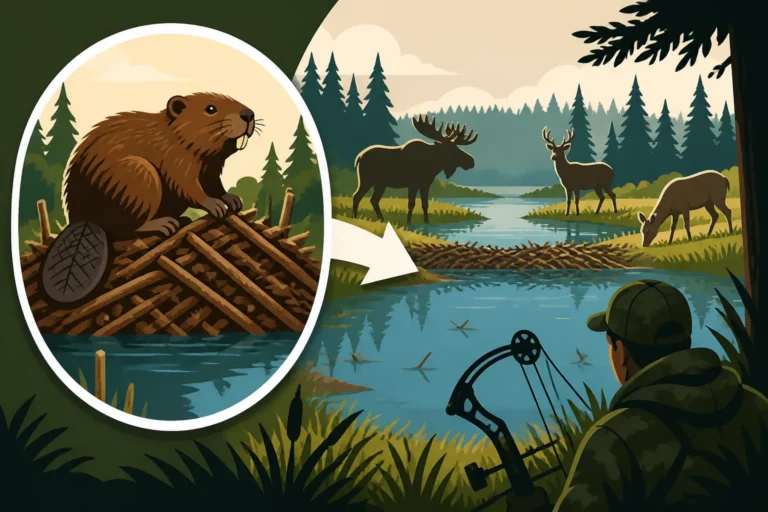
Bears are incredibly opportunistic omnivores, and while they aren't typically considered apex predators, they won't pass up an easy meal. As beavers become more active after the ice-out, especially young kits or weaker individuals, they can become targets. A bear might lie in wait near a beaver lodge or dam, ambushing a beaver as it emerges or works in the water. Muskrats, too, are vulnerable as they venture out of their dens. Bears will also opportunistically prey on the fawns of deer or moose calves that are born in late spring, though this usually occurs a bit later than the earliest spring foraging. However, understanding areas like a Hunting a Beaver Meadow Crossing can indicate potential bear activity for these and other food sources.
The Role of Human Influence and Predictive Scouting
The natural diet of a black bear in the Ontario boreal spring is often a struggle, a constant search for calories in a landscape slowly awakening. However, human presence can dramatically alter this dynamic, sometimes for the worse, and understanding these patterns is crucial for both conservation and successful hunting.
Attractants Near Human Habitation: A Dangerous Convenience
Unfortunately, human garbage, bird feeders, and even compost piles can become irresistible magnets for hungry bears in the spring. As natural food sources are scarce, the smell of easily accessible, calorie-dense human food is a powerful draw. While it might seem harmless to leave out birdseed, it habituates bears to human presence and creates dangerous situations for both animals and people. Bears that learn to associate humans with food often become "nuisance" bears, which can lead to tragic outcomes. It's a critical part of living and recreating in bear country to be "bear-wise" and secure all attractants.
Natural Bear Attractants vs. Artificial Baits
In designated areas, often managed by outfitters or experienced resident hunters, artificial baiting is a common and legal method for Black Bear Hunting in Ontario during the spring season. These baits, often a mix of sweet and oily foods, mimic the high-calorie, energy-rich foods a bear craves after hibernation. They provide a concentrated, consistent food source that helps hunters predict bear movement and provide ethical shot opportunities. Understanding the natural diet helps hunters select and place baits effectively, making them more appealing to a bear's natural spring cravings. When Setting a Bear Bait Site in Ontario, thinking about what a bear wants after a long winter can be a game-changer.
The Importance of Habitat and Food Availability
Ultimately, the health and distribution of black bears in Ontario, including Where the Highest Bear Densities Are, is inextricably linked to the availability of natural food sources. Healthy, diverse boreal forests that provide a variety of early greens, abundant insect populations, and thriving populations of other wildlife (which contribute to carrion opportunities) lead to healthier bear populations. Conversely, habitat degradation or significant changes in weather patterns affecting natural food cycles can impact bear health and reproductive success. For anyone using tools like GoHunt for pre-season scouting, understanding the nuances of local habitat—identifying prime foraging zones for specific spring foods—is key.
Seasonal Progression and Predictive Scouting for Hunters
The boreal spring isn't a static event; it's a dynamic progression, and a bear's diet evolves right along with it. For hunters, being able to read these shifts and predict where bears will be concentrating their efforts can be the difference between a successful hunt and an empty trip.
From Scavenging to Active Foraging
In the earliest days of spring, when snow still blankets much of the ground, scavenging winter-killed animals and grazing the first tender shoots are paramount. As the snow recedes further, exposing more ground and allowing insect populations to emerge, bears transition to a more active foraging strategy. They'll spend less time on pure "graze and scavenge" and more time tearing into logs, digging, and perhaps even actively pursuing small prey. This means their core areas of activity will shift from general travel corridors to more specific locations like rotting log piles, beaver ponds, and freshly thawed clearings.
Understanding Bear Movements Based on Food
Connecting specific food sources to bear location is key. If you know that early spring means browsing fresh green growth, you'd focus on sun-exposed south-facing slopes, old logging cuts, or wetland edges where new vegetation emerges first. If you understand the importance of insect protein, you'd scout for areas with abundant deadfall, stumps, and rocky terrain that harbours ant colonies. For hunters leveraging mapping and scouting apps like GoHunt, overlaying habitat maps with known food source locations can create a powerful predictive model for spring bear movements. For example, identifying areas with high concentrations of aspen or willow – where buds are an early food source – can give you an edge. This kind of detailed reconnaissance, combined with knowledge of Black Bear Numbers and Where They Peak, informs smart hunting strategies.
The Hunter's Advantage: Knowing Their Menu
For those participating in Black Bear Hunting in Ontario, having a deep understanding of What Bears Eat in a Boreal Spring is an invaluable asset. It allows you to anticipate where bears will be, even before you see fresh sign. If you're setting up a bait site, knowing their natural cravings helps you select the most effective attractants. If you're spot-and-stalk hunting, it guides your approach to areas most likely to hold feeding bears. This knowledge extends beyond just food; it helps you understand their entire spring behaviour. For instance, knowing When Bears Leave the Den in Spring provides context for their initial, ravenous search for anything edible. By staying informed about their natural diet and utilizing tools like GoHunt for detailed scouting, hunters can develop a more ethical and successful strategy, respecting the animal's needs while pursuing their passion.
| Spring Phase | Primary Food Sources | Bear Behavior | Prime Habitat to Scout |
|---|---|---|---|
| Early Spring | Winter-killed carrion, tender green shoots (cattails, sedges, dandelions), tree buds | Focused scavenging, slow grazing, den vicinity activity | South-facing slopes, wetland edges, low-lying areas, old animal trails |
| Mid-Spring | Ant colonies, grubs/larvae, continued greens, opportunistic small mammals | Active digging, log-turning, browsing, moving into new areas | Areas with abundant deadfall, rocky outcrops, beaver ponds, clearings |
| Late Spring | Increased variety of greens, more active insect foraging, lingering berries, young prey (fawns, calves) | Broader foraging range, more active hunting, searching out specific patches | Mature forests with diverse undergrowth, berry patches (even old), clearcuts, new growth areas |
By understanding this seasonal progression and what drives a bear's stomach, you're not just observing nature, you're becoming a part of the intricate dance of the boreal forest.
Disclaimer
This article is for general informational purposes only and does not constitute professional advice. Laws, prices and regulations vary by location and change over time. Consult a qualified professional for guidance on your specific situation.