Small Game Species in Ontario
For many of us who love the outdoors, there's a unique satisfaction in pursuing small game. It’s less about the trophy and more about honing skills, putting meat on the table, and connecting with the land in a truly immersive way. But let's be real, navigating the ins and outs of licenses, seasons, and species-specific rules for small game in Ontario can feel like trying to untangle a stubborn fishing knot. This comprehensive guide is here to unravel all that complexity, helping you confidently plan your next small game adventure across our diverse province.
Navigating Ontario's Small Game Hunting Regulations
Before you even think about hitting the bush, understanding the regulatory landscape for small game in Ontario is absolutely crucial. It’s not just about having a license; it’s about knowing what you’re allowed to hunt, when, and where. This province offers an incredible array of opportunities, but with that comes a responsibility to know and follow the rules.
Defining Small Game in Ontario Regulations
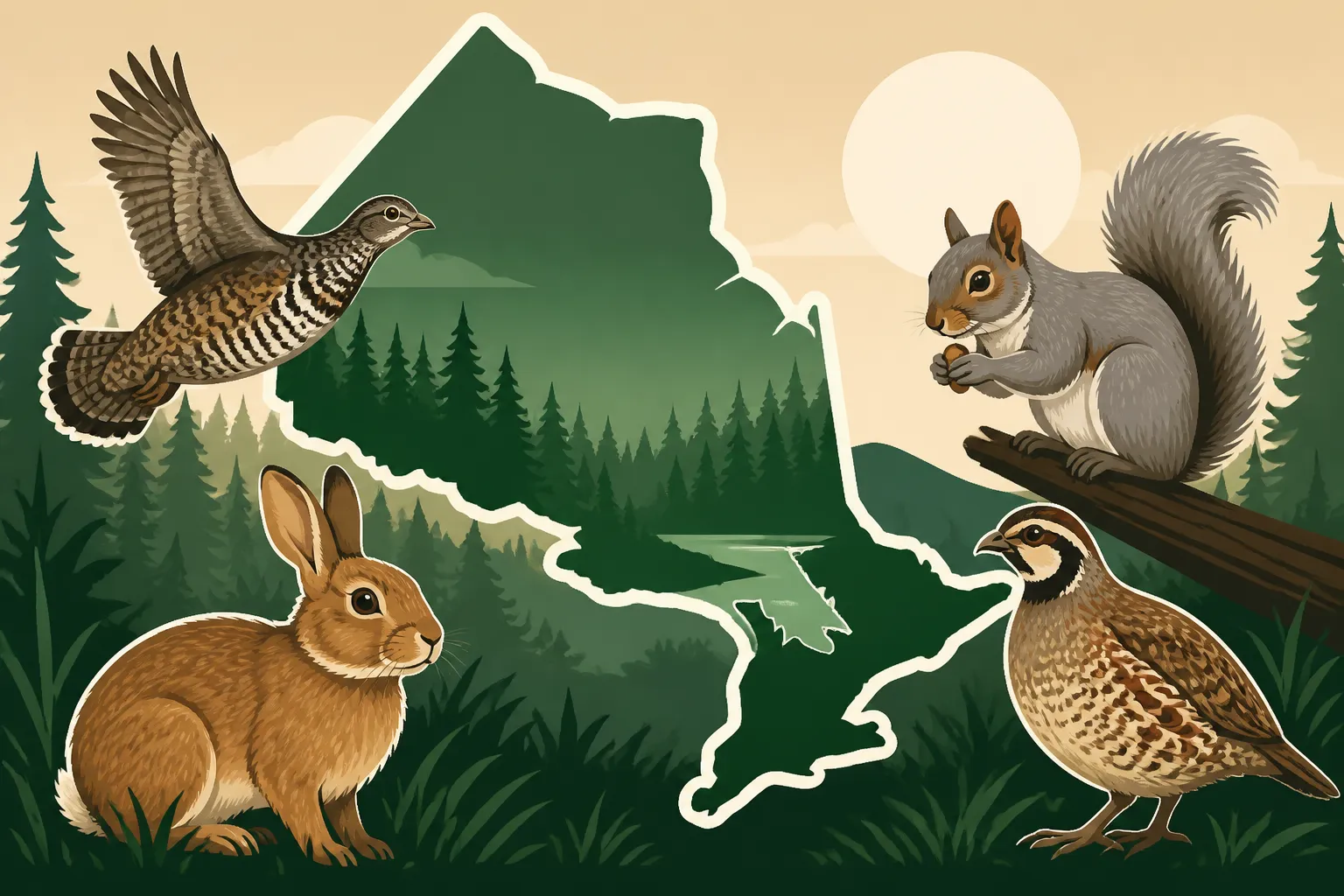
When we talk about "small game" in Ontario, we're referring to a specific list of mammals and birds that are regulated differently from big game species like deer, moose, or bear. Generally, these are animals that don't require species-specific tags in the same way big game does, although there are exceptions like wild turkey. The umbrella of small game typically includes rabbits, hares, squirrels, and various upland birds. It's important to differentiate these from furbearing mammals that might have distinct trapping seasons or from predators like wolves, even if some of these can also be hunted under a small game license with specific conditions. The Ontario Ministry of Natural Resources and Forestry (MNRF) clearly outlines which species fall into which category in their annual hunting regulations summary, so always make that your first point of reference.
Licensing and Season Overview
To legally hunt small game in Ontario, you first need a valid Outdoors Card and a Resident Small Game Licence. For migratory game birds like woodcock and snipe, you’ll also need a federal Migratory Game Bird Hunting Permit and a Canadian Wildlife Habitat Conservation Stamp. It's a few pieces of paper, but they're essential. The beauty of small game hunting is that seasons are often quite long, opening early in the fall and, for some species like rabbits and squirrels, extending deep into winter. This provides a lot of flexibility, allowing hunters to target different species as the seasons change. However, specific opening and closing dates, as well as bag and possession limits, vary by species and by Wildlife Management Unit (WMU). For example, grouse seasons might open earlier in northern WMUs compared to southern ones. Always consult the official summary to verify dates for your chosen species and area. For more details on what these cost, you can check out our guide on Small Game Licence Cost and Coverage.
The Importance of WMUs for Small Game
Ontario is divided into numerous Wildlife Management Units, or WMUs, and these geographical boundaries dictate much of your hunting experience, even for small game. While big game hunting often has more restrictive WMU-specific draws and tag allocations, small game seasons and bag limits can still vary significantly from one WMU to another. For example, some WMUs might have longer seasons for certain grouse species, or different daily bag limits for cottontail rabbits. Understanding which WMU you plan to hunt in is critical for staying legal. Modern mapping tools, like those offered by GoHunt, can be incredibly helpful for identifying WMU boundaries, especially when you're exploring new areas. Being aware of your WMU allows you to cross-reference with the regulations summary to ensure you're hunting within the correct parameters. Remember, ignorance of the law is no excuse, so always double-check the specifics for your intended hunting grounds by learning how to properly read an Reading an Ontario WMU Map Before You Go.
The Elusive Hares and Rabbits of Ontario
Hares and rabbits offer some of the most exciting and accessible small game hunting in Ontario, often providing fast-paced action and delicious table fare. They are particularly popular during the colder months when other hunting opportunities might be limited.
Snowshoe Hare: Winter's Ghost
The snowshoe hare (also known as the varying hare) is a quintessential small game species of Ontario's northern and central forests. Known for its remarkable camouflage, it changes its coat from brown in summer to pure white in winter, allowing it to blend seamlessly into snowy landscapes. These hares prefer thick cover, particularly young regenerating forests, cedar swamps, and alder thickets, where they can find both food and protection from predators. Hunting snowshoe hare in winter, especially after a fresh snowfall, is a truly invigorating experience. Tracking them in the snow reveals their patterns of movement, leading you to their daytime beds. Many hunters prefer to use small gauge shotguns, like a .410 or 20 gauge, for these quick, darting targets. The thrill of a snowshoe hare bursting from a brush pile is something every small game hunter should experience.
Eastern Cottontail: Field and Brush Dweller
Further south, the Eastern cottontail dominates the rabbit population. These little powerhouses thrive in agricultural areas, along fencerows, at the edges of woodlots, and in abandoned fields. Unlike the snowshoe hare, their coat remains brown year-round, blending in with the drab winter landscape of southern Ontario. Cottontails are masters of evasion, often using dense briar patches, rock piles, and tangled brush as their fortresses. Hunting cottontails often involves walking through likely cover, sometimes with a dog, to flush them out. They run short distances, often circling back to familiar cover, which can provide multiple shot opportunities. A .22 rifle or a light shotgun is perfect for cottontail hunting. This is a great species for new hunters, offering plenty of action and a chance to learn tracking and flushing techniques. You might even find yourself Hunting a Fencerow Between Two Fields for these speedy critters.
Hunting Strategies for Hares and Rabbits
When it comes to hares and rabbits, successful hunting often comes down to covering ground in the right habitat and being ready for a quick shot. For snowshoe hares, particularly in areas like the Haliburton Highlands or further north, still-hunting through thick coniferous cover is a common and effective method. Look for fresh tracks in the snow, especially around areas with dense undergrowth. Many hunters also swear by using beagles. These dogs are specially bred for their scenting ability and persistence in trailing rabbits, eventually pushing them in a circle back towards the hunter. This method, often referred to as Running Beagles on Ontario Snowshoe Hare, turns a solitary pursuit into a highly social and exciting group activity. For cottontails, similar strategies apply, though the cover will be more open. Walking through thick brush piles, along hedgerows, and in overgrown fields with an attentive eye can often flush a rabbit. Patience and quick reflexes are your best friends when hunting these speedy targets.
Squirrels: Bushy-Tailed Challenges for Hunters
Hunting squirrels might not be as high-profile as deer or moose, but it offers a fantastic way to spend a fall or winter day in the woods, honing your stalking and shooting skills. Plus, squirrel meat is surprisingly delicious and often overlooked!
Grey and Black Squirrels: Forest Acrobats
The grey squirrel (which includes the melanistic, or black, phase) is perhaps the most recognizable squirrel species across much of Ontario, particularly in southern and central regions. These highly intelligent and agile animals are primarily found in mature hardwood forests, especially those rich in oak, hickory, and maple, where acorns and other nuts are abundant. Their keen eyesight and hearing make them challenging quarry. They're masters of using tree trunks and branches to evade detection, often "treeing up" or circling around a trunk to stay out of sight. GoHunt maps can help identify hardwood ridges, which are prime locations for these squirrels. Hunting these squirrels usually involves slow, careful stalking through the woods, pausing frequently to listen for their tell-tale chattering or the rustle of leaves as they forage. A .22 rifle or a small-bore shotgun is ideal for this type of hunting. For more in-depth techniques, you might want to read about Squirrel Hunting Ontario Hardwoods.
Red Squirrels: Pine Forest Residents
The smaller, more feisty red squirrel is a common sight in coniferous and mixed forests throughout Ontario. Unlike their grey cousins, red squirrels are more territorial and often associated with pine and spruce stands, where they feed on cones, seeds, and even mushrooms. They're incredibly vocal, often announcing your presence with a rapid-fire series of barks and chirps, which can sometimes be a double-edged sword: they alert you to their presence, but also make them aware of yours. Red squirrels are smaller targets, requiring a steady hand and a precise shot, making them excellent practice for marksmanship. While less sought after for meat than grey squirrels, they still offer a challenging and rewarding hunt. When hunting red squirrels, listen for their distinct calls and focus on areas with abundant pine cones.
Effective Squirrel Hunting Techniques
Successful squirrel hunting demands stealth, patience, and good observational skills. One of the most common methods is still-hunting: moving slowly through the woods, stopping often (often for several minutes at a time) to scan the trees and forest floor. Dawn and dusk are typically the best times, as squirrels are most active then. Look for movement, listen for sounds, and scan tree branches carefully. When you spot one, try to get a clear shot before it disappears. Another popular technique is "sitting and waiting" in an area with high squirrel activity, such as under an oak grove during acorn season. For this, a comfortable spot with a good view is essential. Many hunters use a .22 rifle, aiming for headshots to preserve meat and ensure a quick, ethical harvest. A decent pair of binoculars can also be invaluable for spotting these masters of camouflage high in the canopy.
Ontario's Upland Game Birds: A Hunter's Delight
Ontario's forests, fields, and marshes provide fantastic opportunities for pursuing a variety of upland game birds. These hunts offer a blend of active walking, challenging shooting, and the rewarding experience of working with a good bird dog, if you have one.
Ruffed Grouse and Spruce Grouse: Bush Bombers
The ruffed grouse, affectionately known as the "partridge" by many old-timers, is perhaps Ontario's most iconic upland game bird. Found throughout the province's mixed forests, particularly in areas with aspen, birch, and poplars, they offer explosive flushes and challenging wing shooting. Ruffed grouse thrive in habitat transitions, like where a logging cut meets mature timber, or along old bush roads. The drumming sound of a male ruffed grouse is a quintessential sound of the Ontario fall. Spruce grouse, on the other hand, are typically found in dense coniferous forests, especially spruce and fir stands in northern Ontario. They are known for being much more docile than ruffed grouse, often allowing hunters to approach quite closely, earning them the nickname "fool hens." Hunting for ruffed grouse often involves walking old logging roads or trails, trying to flush birds. It's a fantastic way to get out and explore the diverse landscapes of Ontario, particularly for Ruffed Grouse Hunting Ontario's Bush Road.
Woodcock and Snipe: Migratory Delights
American woodcock and Wilson's snipe are two migratory game birds that offer unique hunting experiences in Ontario. Both are often found in wet, boggy areas, along creek bottoms, and in dense alder or willow thickets. Woodcock, with their long bills and cryptic brown plumage, are primarily nocturnal feeders, probing the soft earth for worms. They hold tight, offering a sudden, darting flush when disturbed. Snipe are even more challenging, with their erratic, zig-zagging flight patterns. Hunting these birds requires a federal Migratory Game Bird Hunting Permit in addition to your provincial small game licence. Since they are migratory, federal regulations apply, including the requirement to use non-toxic shot. This is a critical detail to remember; for more on this, consult guidelines such as those for Non-Toxic Shot Requirements for Waterfowl, as migratory bird rules often overlap. The best time to hunt woodcock and snipe is during their fall migration, typically in September and October, when they are staging in large numbers before heading south. These birds offer fast-paced shooting and a chance to explore some of Ontario's less-traveled wetlands.
Hunting Upland Birds with Dogs and Without
Whether you hunt with a dog or prefer to "still-hunt," both methods can be incredibly effective for upland birds. For those with a well-trained pointing or flushing dog, the experience is elevated. A pointing dog, like a Setter or Pointer, will locate birds and freeze, indicating their presence, allowing the hunter to move in for the flush and shot. Flushing dogs, such as Spaniels or Labs, work to push birds out of cover. The synergy between hunter and dog is truly special. Without a dog, still-hunting or "walk-up" hunting is the primary method. This involves systematically walking through prime habitat, staying alert for flushes. For grouse, focus on areas with varied cover—edges, thickets, and regenerating clearcuts. For woodcock and snipe, target moist, brushy lowlands. Often, simply walking slowly and pausing frequently to listen for bird sounds or movement can be very productive. Carry a light shotgun (20 gauge or 12 gauge with light loads) and be prepared for quick, often close-range shots.
Coyotes and Fox: Strategic Pursuits in Ontario's Small Game Landscape
While often grouped under "furbearers" or "predators," coyotes and foxes can be legally hunted in Ontario with a small game licence during specific seasons, providing an exciting challenge and an opportunity to contribute to wildlife management. These intelligent canines offer a more strategic and often patient hunting experience compared to flushing rabbits or grouse.
Coyotes in Ontario's Diverse Landscapes
Coyotes are incredibly adaptable creatures, thriving in almost every corner of Ontario, from the dense northern forests to the agricultural landscapes of the south. Their presence often sparks debate, especially among farmers dealing with livestock depredation, making their management an important topic. For hunters, coyotes represent a challenging and rewarding quarry. They are notoriously wary, possessing sharp senses of smell, sight, and hearing. Hunting coyotes often involves calling them in, either with distress calls (imitating a wounded rabbit or bird) or with howls. This method requires patience, stealth, and a good understanding of coyote behavior. Prime times for coyote hunting are early morning and late evening, or on overcast days. During winter, their tracks are easier to spot, helping hunters understand their travel patterns. Using snow as a backdrop can also make them more visible, but also makes you more visible. For effective tactics in specific regions, consider our guide on Calling Coyotes in Ontario Farm Country.
Red and Grey Fox: Crafty Canines
Ontario is home to both red and grey fox. The red fox is widespread, found in various habitats from open farmland to mixed forests. Known for their striking red coats and bushy white-tipped tails, they are incredibly elusive and cunning. Grey fox, though less common and typically found in the deciduous forests of southern Ontario, are unique in their ability to climb trees, adding an interesting dimension to their pursuit. Hunting foxes shares many similarities with coyote hunting, often employing calling techniques. However, foxes tend to respond to slightly different calls, often favoring squeaks and chirps over howls. They are also generally smaller targets, requiring a more precise shot. Like coyotes, they are most active during low-light conditions. Hunters often find success by setting up downwind of likely travel corridors or denning areas and using camouflage to blend into the surroundings.
Calling and Stalking for Predators
Predator hunting, particularly for coyotes and foxes, is a game of strategy, stealth, and patience. Calling is arguably the most popular and effective method. This involves using electronic callers or mouth calls to mimic prey animals in distress, drawing the curious or hungry predator into range. Set up in an elevated position if possible, with a clear view, ensuring you are downwind of where you expect the animal to approach. Consider the wind direction carefully, as their sense of smell is their greatest defense. Stalking can also be productive, especially in snowy conditions where tracks can reveal their movements. This requires extreme stealth and the ability to read sign. A rifle, typically a .223 Remington, .22-250 Remington, or even a .243 Winchester, is common for predator hunting, offering the range and accuracy needed for these wary animals. For those using a service like GoHunt, identifying remote clearings or dense cover near farmland can significantly improve your chances of encountering these intelligent hunters.
Crow Hunting and Other Niche Small Game Opportunities
While rabbits, squirrels, grouse, and predators form the bulk of Ontario's small game hunting, there are a few other less common, but equally engaging, opportunities that can challenge your skills and extend your time afield.
Crow Hunting: A Strategic Challenge
Crow hunting is a unique small game pursuit that often gets overlooked, but it offers incredible action and demands strategic thinking. Crows are intelligent birds with excellent eyesight and a strong social structure. They are considered an unlisted species under the Fish and Wildlife Conservation Act, which means they can be hunted without a small game licence, provided you comply with safety and firearms regulations. However, many hunters choose to include them as part of their general small game pursuits. Crow hunting often involves calling, using decoys, and setting up blinds to ambush flocks. Electronic calls mimicking crow distress or fighting calls can be highly effective at bringing them in, but be prepared for them to circle and examine your setup from a distance. A shotgun with heavy loads is typical for crow hunting, as they can be tough birds and offer fast-paced shooting. This is a fantastic way to sharpen your shotgun skills during times when other seasons might be closed.
Pheasants: A Southern Ontario Opportunity
Ring-necked pheasants are not native to Ontario but have been introduced in certain agricultural regions, primarily in southern Ontario. While wild populations exist, many hunting opportunities arise from stocked birds on private lands or dedicated pheasant preserves. These birds offer spectacular flushes and challenging flying targets, especially when hunted with a good flushing dog. The seasons for pheasants are often shorter and more localized than for other small game, and some areas may require specific permissions or access to private land where stocking occurs. Always check the regulations for specific WMUs, as opportunities can be quite limited. For hunters in areas like the Norfolk Sand Plain or other agricultural zones, encountering a wild pheasant can be a real treat, adding an unexpected bonus to a rabbit or squirrel hunt. They prefer dense cover, like overgrown field edges, standing corn, or thick fencerows. Hunting a Standing Corn Field Edge can be very effective for flushing pheasants.
Essential Gear, Techniques, and Scouting for Small Game
Success and enjoyment in small game hunting come down to more than just knowing the regulations; it’s also about being properly equipped and employing effective strategies. From the right firearm to smart scouting, these elements are key.
Firearms and Ammunition Choices
The versatility of small game hunting means your firearm choice can vary widely. For rabbits, squirrels, and upland birds, a shotgun is often the weapon of choice. A 20-gauge or 12-gauge with light game loads (like 6, 7.5, or 8 shot) is highly effective, offering a good balance of power and pattern density for moving targets. Many hunters also prefer a .22 caliber rimfire rifle for squirrels and rabbits, especially for more precise, ethical headshots, which is great for meat preservation. For coyotes and foxes, a centerfire rifle like a .223 Remington or .22-250 Remington provides the necessary range and accuracy. Always ensure your firearm is legal for the species you're pursuing in Ontario and that you have the appropriate hunting licence and firearms licence. Remember to match your ammunition to the game – lighter loads for birds, heavier for predators.
Clothing, Footwear, and Navigation
Comfort and safety are paramount in the bush. Layered clothing, appropriate for the season, is essential. Blaze orange is a mandatory requirement during certain gun seasons for big game and often recommended for small game for safety, making you visible to other hunters. For more on this, check out our guide on Ontario Blaze Orange Requirements. Sturdy, waterproof boots are non-negotiable, especially when traversing wet fields or marshy grouse cover. A good quality compass and map, or a GPS device/app, are critical for navigation, especially if you're exploring vast tracts of Crown land. Tools like GoHunt can provide invaluable satellite imagery and public land boundary overlays, helping you stay found and know exactly where you are in relation to WMUs and property lines. Don't forget bug spray for warmer months and hand warmers for the colder ones!
Field Care and Processing
Once you've harvested your small game, proper field care is crucial for ensuring the meat is fit for the table. For rabbits, squirrels, and birds, this typically means field dressing as soon as possible to cool the carcass. For small birds and squirrels, simply gutting them can suffice. For larger game like coyotes, proper skinning and cooling of the pelt (if you intend to keep it) is important. Carry a sharp knife, game bags, and gloves. In warmer temperatures, having a cooler with ice to transport your game back home is vital. Small game offers an excellent opportunity to practice your processing skills, leading to delicious meals that truly connect you to your hunt. Knowing how to properly care for your harvest ensures nothing goes to waste.
Ethical Considerations and Conservation for Ontario Small Game Hunters
Responsible hunting is about more than just following the rules; it's about upholding a strong ethical code and contributing to the conservation of the species we pursue. Small game hunting, with its accessibility, provides a perfect opportunity to instill and practice these principles.
Understanding Bag Limits and Possession
One of the most fundamental aspects of ethical small game hunting is adhering strictly to bag and possession limits. Bag limits dictate how many animals of a particular species you can harvest in a single day, while possession limits refer to the total number you can have in your possession, whether that's in your freezer, at camp, or on your person. These limits are set based on biological data and population management goals to ensure sustainable harvests. Exceeding these limits can have detrimental impacts on local populations and undermines the conservation efforts of all hunters. Always check the regulations summary for the specific WMU you are hunting, as these numbers can change. A service like GoHunt can help you quickly reference WMU information while you're in the field, ensuring you're always within the legal harvest limits.
Ethical Hunting Practices and Landowner Relations
Ethical hunting extends to how we treat the land, the wildlife, and other people. Always strive for clean, humane shots to ensure a quick and painless harvest. Never shoot at game beyond your effective range or in situations where you cannot clearly identify your target and what lies beyond it. Respecting private property is paramount. If you're not hunting on Crown land, always secure permission from landowners before stepping foot on their property. Building good relationships with landowners is vital for maintaining access and a positive public image for hunters. Leaving gates as you found them, avoiding property damage, and even offering to share some of your harvest can go a long way in fostering goodwill. Remember that Getting Permission for a Goose Field or a rabbit patch is an important skill in itself. On Crown land, practice "leave no trace" principles, pack out all your garbage, and be mindful of other users, whether they are hikers, campers, or other hunters.
Contributing to Small Game Management
Every hunter plays a role in conservation. By purchasing your licenses and permits, you directly contribute funds that support wildlife management, research, and habitat conservation efforts in Ontario. Beyond that, actively reporting your harvest, even for small game, provides valuable data to the MNRF, helping them make informed decisions about future seasons and limits. Participating in hunter surveys or citizen science initiatives can also provide critical information on game populations. Respecting wildlife, understanding their habitat needs, and advocating for healthy ecosystems are all ways that small game hunters contribute to the long-term sustainability of these cherished resources for future generations.
Small Game Species in Ontario: A Quick Reference
Here’s a simplified table summarizing common small game species in Ontario, their typical habitats, and general hunting seasons. Always consult the official Ontario Hunting Regulations Summary for precise, up-to-date information for your specific WMU.
| Species | Typical Habitat | General Season (Approx.) | Daily Bag Limit (Varies by WMU) | Notes |
|---|---|---|---|---|
| Snowshoe Hare | Coniferous, mixed forests, cedar swamps | Sept/Oct – March | 5-10 | White coat in winter, common in North |
| Eastern Cottontail | Farmland, fencerows, woodlots (Southern ON) | Sept/Oct – Feb/March | 5-10 | Brown year-round, prefers dense cover |
| Grey & Black Squirrel | Mature hardwood forests (Southern/Central) | Sept/Oct – Feb/March | 5-10 | Nut eaters, agile in trees |
| Red Squirrel | Coniferous forests | Sept/Oct – Feb/March | No Limit | Smaller, very vocal, pine cone eaters |
| Ruffed Grouse | Mixed forests, aspen/birch stands | Sept 15 – Dec 15 | 5 | "Partridge", explosive flush |
| Spruce Grouse | Dense coniferous forests (Northern ON) | Sept 15 – Dec 15 | 5 | "Fool Hen", docile |
| Sharp-tailed Grouse | Prairies, open fields, clearcuts | Sept 15 – Nov 15 | 5 | Limited range in NW Ontario |
| American Woodcock | Wet thickets, alder swamps | Sept 15 – Nov 15 | 3 | Migratory, requires Federal Permit & non-toxic shot |
| Wilson's Snipe | Wet meadows, marsh edges | Sept 15 – Nov 15 | 8 | Migratory, requires Federal Permit & non-toxic shot |
| Ring-necked Pheasant | Agricultural fields, dense cover (Southern ON) | Sept/Oct – Nov/Dec | 2 | Often stocked, check local regulations |
| Coyote | Widespread, all habitats | Sept 1 – Aug 31 | No Limit | Hunting allowed with small game licence, check local bylaws |
| Red & Grey Fox | Widespread, farmlands, forests | Sept 1 – Feb 28 | No Limit | Hunting allowed with small game licence, check local bylaws |
| Crow | Open country, agricultural areas | No closed season | No Limit | No licence required, but safety/firearms rules apply |
Disclaimer
The information provided in this guide is for general informational purposes only and is not a substitute for the official hunting regulations. Hunters are responsible for understanding and adhering to all current provincial and federal laws. Always consult the official Ontario Hunting Regulations Summary, published annually by the Ministry of Natural Resources and Forestry (MNRF), for the most accurate and up-to-date rules, seasons, and bag limits. Regulations can change, and it is the individual hunter's responsibility to ensure compliance.