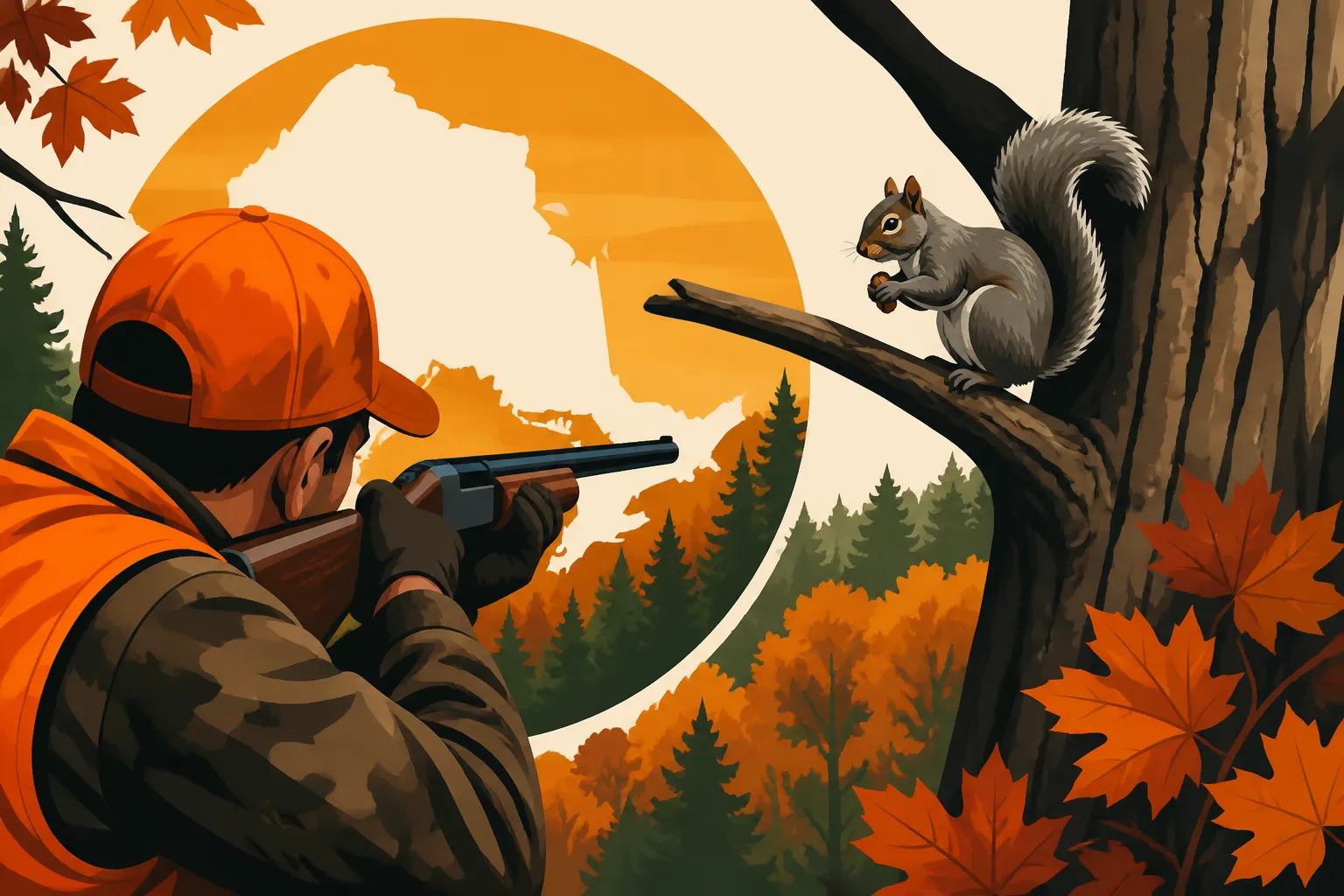
Squirrel Hunting Ontario Hardwoods
When the bigger game seasons close, or you're simply looking for a fantastic way to sharpen your woodcraft and spend some quality time in the bush, many hunters feel a bit lost. The truth is, Ontario's hardwood forests offer an incredible, often overlooked, opportunity: squirrel hunting. This guide will walk you through everything you need to know to successfully hunt squirrels in Ontario's hardwood country, from identifying prime locations to mastering the techniques that will put bushytails in your game bag.
The Allure of Squirrel Hunting in Ontario's Hardwoods
For many, squirrel hunting might seem like a niche pursuit, but it's an incredibly rewarding experience that hones fundamental hunting skills, provides delicious wild game, and extends your time in the beautiful Ontario wilderness. It's not just about the harvest; it's about connecting with nature on a different scale, observing the forest's intricate workings, and truly becoming a part of the ecosystem.
Why Squirrels Are the Perfect Quarry
Squirrels, particularly the prevalent grey squirrel and red squirrel, offer a dynamic and accessible hunting experience. They're widespread across Ontario's hardwood regions, providing ample opportunities even for those new to the sport. Unlike some larger game, the barrier to entry for squirrel hunting is relatively low, making it an excellent starting point for new hunters or a relaxed change of pace for seasoned veterans. You don't need a huge budget for specialized gear, and the seasons are generous. Plus, the meat is incredibly tasty and versatile, a true wild delicacy that often goes unappreciated. It's also an excellent way to practice patience, stealth, and marksmanship in a real-world setting, skills that seamlessly transfer to other forms of hunting, like when you're deer hunting in Ontario's mixed forest or even chasing ruffed grouse on Ontario's bush roads.
Ontario's Hardwood Bounty: Habitat and Species
Ontario's hardwood forests, particularly in the southern and central regions, are prime squirrel habitat. These areas are characterized by mature stands of deciduous trees like oak, maple, hickory, and beech, which are vital food sources for squirrels. When you're scouting, look for those majestic stands of towering trees, especially if there are signs of nut production. The primary species you'll encounter are the Eastern Grey Squirrel (which includes the black morphs sometimes seen) and the Red Squirrel.
The Eastern Grey Squirrel is larger, typically found in deeper hardwood forests and woodlots. They're often seen caching nuts in the fall, a behaviour that can make them predictable if you know what to look for. Red Squirrels, on the other hand, are smaller, more territorial, and often found in mixed wood forests, including conifers, but they'll happily forage in hardwoods too. They're known for their vocal nature, often chattering away at perceived threats, which can be both a blessing and a curse for a hunter. Understanding these species' habits is key to successful hunting. You'll often find both species sharing the same general areas, particularly where hardwood stands meet mixed forest edges, providing diverse opportunities for your hunt.
Best Times to Hunt and Regulations
Ontario offers a very generous small game season, and squirrels are typically fair game for most of it. The fall is arguably the best time to hunt squirrels in hardwoods. This is when they are most active, frantically foraging and caching nuts in preparation for winter. The leaves are also falling, which improves visibility through the canopy, a huge advantage. Early fall, when the leaves are still thick, presents a unique challenge, forcing you to rely more on sound and quick reflexes. Late fall and early winter, after the leaf drop and with a light dusting of snow, can be incredibly productive, as squirrels become more visible against the stark forest floor. Check the Ontario Hunting Regulations Summary for specific dates in your Wildlife Management Unit (WMU) group, as seasons can vary slightly. You'll need an Ontario Outdoors Card and a small game licence to hunt squirrels. When considering your hunting spot, remember to read an Ontario WMU map before you go.
Essential Gear and Tactics for Hardwood Squirrels
Once you've decided to hit the hardwoods, having the right gear and a solid understanding of effective tactics will significantly increase your success. It's not about expensive gadgets, but rather reliable equipment and a keen sense of observation.
Firearm Choices: Rimfire, Shotgun, or Archery?
The choice of firearm for squirrel hunting is highly personal and often depends on the terrain and your preferred style of hunting.
- Rimfire Rifle (e.g., .22LR): This is arguably the most popular choice for dedicated squirrel hunters. A .22LR rifle is accurate, quiet, and uses inexpensive ammunition. It's ideal for headshots, which is a great way to conserve meat and practice precision marksmanship. When hunting with a rimfire, patience is key. You'll often be taking stationary shots at squirrels high in trees, so a stable shooting platform (like resting on a tree trunk or using shooting sticks) is beneficial. The quiet report also means you often won't scare off other squirrels in the immediate vicinity, allowing for multiple opportunities. Brands like Ruger 10/22 or CZ 457 are popular for their reliability and accuracy.
- Shotgun (e.g., .410, 20-gauge, 12-gauge with light loads): For those who prefer a more forgiving spread, or if you're hunting in dense cover where squirrels might be on the move, a shotgun is an excellent option. Smaller gauges like a .410 or 20-gauge with light birdshot (e.g., #6 or #7.5) are perfect, reducing meat damage. A 12-gauge can work, but choose very light target loads to avoid obliterating your quarry. Shotguns are great for quick shots at running squirrels or those that are partially obscured. They're also a good choice if you're bringing along a new hunter, as they're generally easier to hit with.
- Archery: For the truly dedicated and those seeking an ultimate challenge, bowhunting squirrels is incredibly rewarding. It demands extreme stealth, precise shooting, and close-range encounters. Flu-flu arrows are often used to prevent arrows from burying themselves too deeply or flying too far if you miss. While challenging, the quiet nature of archery hunting makes it incredibly immersive and can put you right in the middle of the action without disturbing other game.
Regardless of your choice, ensure your firearm is properly sighted in and you're comfortable and proficient with it. Safety is paramount, especially when shooting into trees or dense cover.
Essential Gear for the Squirrel Hunter
Beyond your firearm, a few other items will make your hunt more comfortable and successful:
- Binoculars (8x or 10x): Absolutely indispensable for scanning tree branches, identifying squirrels, and determining if they're in a shootable position. They help you pick out that subtle twitch of an ear or tail against the bark.
- Camouflage Clothing: While squirrels aren't as wary as deer, blending into your surroundings helps. A good quiet set of camo, appropriate for the season, will serve you well. Think layers for comfort.
- Game Bag or Vest: A mesh game bag or a hunting vest with a large pouch is perfect for carrying your harvested squirrels.
- Knife and Gloves: A sharp knife for field dressing and gloves to keep your hands clean.
- Bug Spray: Especially in early fall, mosquitoes and blackflies can still be a nuisance in the bush.
- Water and Snacks: Always stay hydrated and keep your energy up.
- Navigation Tools: A compass and map, or a GPS device/app like GoHunt, are crucial, especially if you're exploring new areas of Crown land or large woodlots. Knowing your location and boundaries is key, as is understanding vehicle rules on Ontario Crown Land.
- Small Stool or Pad: Sitting quietly is a core tactic, and a small, portable stool or foam pad can make a huge difference in comfort and staying still longer.
Stalking and Still-Hunting Techniques
Squirrel hunting success often boils down to a blend of two primary tactics: stalking and still-hunting.
- Still-Hunting: This is a fantastic method, particularly in hardwoods where visibility can be good. The idea is to move extremely slowly, taking a few steps, then stopping for several minutes to observe and listen. Use your binoculars to scan every branch, every knot, every shadowed spot in the trees. Listen for the rustle of leaves, the chatter of squirrels, or the distinct sound of gnawing on nuts. This method requires immense patience, but it allows the forest to return to its natural rhythm, often revealing squirrels that were previously hidden. It's a great way to practice the stealth required for bowhunting Ontario's long archery season.
- Stalking: Once you've spotted a squirrel, the art of stalking comes into play. Use natural cover (tree trunks, dense underbrush, folds in the terrain) to approach stealthily. Move when the squirrel is distracted or looking away, freezing when it looks in your direction. Pay attention to the wind direction; while squirrels don't have the nose of a deer, they can detect unusual scents. If a squirrel barks at you and scurries to the other side of a tree, try walking in a wide circle around the tree, keeping the trunk between you and the squirrel, hoping to catch it off guard as it tries to keep the tree between itself and your last known position.
A combination of both methods is usually most effective. Still-hunt through promising areas, then stalk into position once you locate game.
Finding the Right Habitat and Reading Squirrel Sign
You can have the best gear and tactics, but if you're not in the right place, you won't find success. Learning to read the land and interpret the subtle signs squirrels leave behind is paramount to consistently filling your game bag.
Key Hardwood Tree Species and Food Sources
Understanding what squirrels eat and where those food sources are concentrated is the foundation of successful squirrel hunting in Ontario.
- Oaks (Red and White): Acorns are a primary food source, especially in the fall. Mature oak stands are squirrel magnets. Look for fresh mast on the ground – chewed acorn caps are a dead giveaway that squirrels are active.
- Beech: Beech nuts are another favourite. These small, triangular nuts grow in burrs. Look for areas with older beech trees, as they produce the most nuts.
- Hickory: Hickory nuts are harder to crack but a rich source of protein and fat. If you find hickory trees, you've likely found squirrels.
- Maple: While not as critical as oaks or beech for nuts, maples provide buds and seeds (samaras) which squirrels will feed on, especially in spring and late winter. They also provide good denning trees.
- Walnut and Butternut: Less common in dense stands, but where you find them, expect to find squirrels. The large nuts are an undeniable draw.
When scouting, don't just look for trees; look for producing trees. Some years are better than others for mast crops. Finding an area with a good nut crop is like finding a buffet for squirrels – they'll be there. This applies to bigger game too; knowing what acorns crops do to Ontario deer can guide your deer hunts.
Reading the Forest Floor: Tracks, Cuttings, and Dens
Squirrels are busy creatures, and they leave plenty of clues about their presence and activities. Learning to read these signs will tell you if you're in an active area.
- Cuttings: This is perhaps the most obvious sign. Squirrels will chew through the outer shell of nuts, leaving behind small fragments and the tell-tale "cuttings" of the inner nut meat. Find a log, stump, or even the base of a tree littered with these fragments, and you know squirrels are actively feeding nearby.
- Tracks: Squirrel tracks are relatively small, with four toes on the front feet and five on the back. They often show a bounding pattern, with hind feet landing ahead of the front feet. Look for them in soft soil, mud, or fresh snow.
- Nests (Dreys): These are easily visible clumps of leaves and twigs high in tree branches. While squirrels also den in tree cavities, dreys indicate current or recent occupation. A fresh drey might have green leaves woven in.
- Tree Cavities: Keep an eye out for holes in tree trunks or large branches. These are prime denning sites, especially in colder weather. Squirrels will often peek out of these holes, so a patient wait near a cluster of old trees with cavities can pay off.
- Rub Marks: Squirrels will sometimes rub their cheeks on branches to mark territory or leave scent. While subtle, consistently finding these in an area can indicate high traffic.
Using a tool like GoHunt or other digital mapping applications can also help you identify hardwood stands and potential food sources from satellite imagery before you even step foot in the bush. This kind of pre-scouting can save you a lot of time.
Utilizing Terrain and Water Features
Squirrels, like most wildlife, are influenced by terrain and water. Incorporating these features into your scouting and hunting strategy can greatly increase your odds.
- Ridges and Draws: Hardwood ridges, especially those with good mast trees, are travel corridors and feeding grounds. Squirrels will often move along these elevated features. Conversely, draws (small valleys or depressions) can offer sheltered travel routes and may hold older, larger trees less exposed to wind. Hunting a hardwood ridge for whitetails teaches you similar observational skills that transfer directly to squirrel hunting.
- Creek Beds and River Bottoms: Areas along creeks, rivers, or even beaver ponds often have a different microclimate, which can lead to larger, more productive trees. The moist soil can also support a wider variety of nut-bearing trees. These linear features are also excellent travel corridors for squirrels.
- Edges: The edge where a hardwood forest meets a field, a pine plantation edge, or even a different type of bush can be incredibly productive. These "edge habitats" often provide a greater diversity of food and cover, attracting more wildlife. Think about hunting a cedar swamp edge for a different hunting challenge, but the principle of edge hunting remains the same.
- Logging Roads and Trails: While not natural features, old logging roads and trails often provide easier access into deeper parts of the hardwoods. Squirrels will sometimes use the edges of these clearings for sunning or foraging. However, be mindful of ATV rules on Ontario Crown Land if you're considering motorized access.
By systematically scouting these areas and looking for the signs, you'll soon develop an intuition for where squirrels are likely to be, turning a casual walk in the woods into a productive hunt.
Ethical Considerations and Regulations
As with any hunting, ethical conduct and adherence to regulations are paramount. Respect for the game, the land, and fellow outdoors enthusiasts ensures the sustainability of our hunting heritage.
Responsible Hunting Practices
Ethical hunting goes beyond simply following the rules; it's about making conscious decisions that reflect respect for the animals you pursue.
- Clean Kills: Always strive for a quick, humane kill. For rimfire hunters, this means taking headshots whenever possible. For shotguns, ensure you're within effective range and using appropriate shot size. If you wound a squirrel, make every effort to track and recover it.
- Bag Limits: Adhere strictly to the daily bag limits for squirrels in your WMU. These limits are in place to ensure healthy populations.
- Respect for Private Property: If you're hunting on private land, ensure you have explicit permission. Always know your boundaries. What Ontario trespass law requires is clear: get permission first. Even on Crown Land, be mindful of other users like hikers or campers.
- Field Dressing and Meat Care: Squirrels should be field dressed as soon as possible after harvest, especially in warmer weather, to preserve the meat. While small, proper meat care in Ontario's warm early seasons is just as important for squirrels as it is for deer. Cool the carcass quickly.
- "No Waste" Philosophy: Commit to utilizing the meat from every animal you harvest. Squirrels are delicious and provide excellent table fare; don't let them go to waste.
Ontario Hunting Regulations for Small Game
Before heading out, always consult the most current Ontario Hunting Regulations Summary. These can change, and it's your responsibility as a hunter to know and follow them.
- Licensing: As mentioned, an Ontario Outdoors Card and a small game licence are required. If you're a non-resident, be sure to understand Ontario non-resident licence options.
- Open Seasons and Bag Limits: These are specific to certain WMUs and species. Double-check for squirrels in your hunting area.
- Firearm Restrictions: Understand legal firearms and bows for small game. While generally less restrictive than big game, specific local bylaws or WMU restrictions can apply.
- Blaze Orange: While not always mandatory for small game in all situations, wearing blaze orange requirements is a wise safety precaution, especially if other hunters might be in the area. It significantly increases your visibility to other people.
- Reporting Harvest: While not all small game harvests require mandatory reporting, it's always good practice to know if it applies to your specific hunt and to contribute to conservation efforts by providing accurate data when requested.
A little preparation and adherence to these guidelines will not only keep you legal and safe but also ensure a more enjoyable and meaningful hunting experience in Ontario's hardwood forests.
Disclaimer
Please note that hunting regulations, seasons, and licensing requirements can change. Always consult the most current Ontario Hunting Regulations Summary provided by the Ministry of Natural Resources and Forestry (MNRF) or the relevant provincial authority before planning any hunting trip. This guide is for informational purposes only and does not supersede official government regulations.