Hunting Cottontails Along a Fencerow
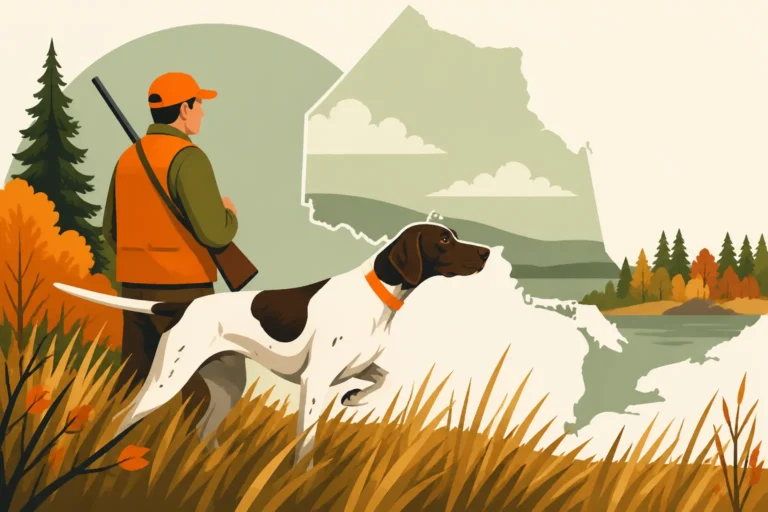
There's nothing quite like the crisp air of an Ontario morning, the frost clinging to the grass, as you set out with a lightweight shotgun and a sense of purpose. But if you’ve ever tried to chase down cottontail rabbits, you know how frustrating it can be to find them consistently, especially when they seem to vanish into thin air. This guide is here to unravel the mysteries of hunting cottontails along a fencerow, giving you the practical strategies, gear advice, and ethical considerations you need to turn those fleeting glimpses into a successful day afield.
Understanding Cottontail Fencerow Habitats
Fencerows, those often-overlooked linear strips of cover, are absolute magnets for cottontail rabbits in Ontario. They're not just lines on a map; they're dynamic micro-ecosystems that provide everything a cottontail needs to survive and thrive. Understanding why rabbits choose these areas, and when they're most active, is the first step toward putting more in your game bag.
Why Fencerows Are Prime Cottontail Real Estate
Imagine a cottontail. What does it need? Shelter from predators, a steady food source, and safe travel corridors. Fencerows, especially older ones, deliver on all fronts. They often consist of a jumble of thorny bushes like hawthorn or multi-flora rose, interspersed with dense saplings, tall grasses, and often, an old stone wall or brush pile underneath. This dense, tangled vegetation creates an impenetrable fortress where a rabbit can vanish from a hawk’s keen eye or a coyote’s nose in a flash.
Beyond just cover, these linear habitats act as natural food buffets. The edges of fields adjacent to fencerows often provide access to clover, alfalfa, winter wheat, and various weeds, which are dietary staples for cottontails. As a hunter, you might drive past a seemingly barren field, but that thin green line of the fencerow holds a world of activity. It’s like a superhighway connecting patches of woods, abandoned farmsteads, and crop fields, allowing rabbits to move relatively safely between different feeding and bedding areas. It's truly incredible how much life a narrow strip of cover can hold, often in places you'd least expect, right here in the heart of agricultural Ontario.
Identifying Key Areas and Cottontail Sign
Just because a fencerow exists doesn't mean it's a rabbit hotspot. You need to be a detective, looking for clues that indicate heavy cottontail usage. Start by looking for areas where the cover is thickest and most varied. A fencerow composed solely of dead weeds won't hold rabbits like one bristling with briars, sumac, and brush piles. Look for intersections with other fencerows, small woodlots, or patches of dense marsh grass; these are often high-traffic zones.
Once you've identified promising sections, get down and look for actual sign. Cottontail droppings are small, round pellets, often found in clusters. If they're fresh and plentiful, you know rabbits are actively using that stretch. You might also spot "clipped" vegetation – small branches or stems that have been neatly cut at a 45-degree angle by a rabbit’s incisors. In winter, fresh tracks in the snow are a dead giveaway, revealing where they’re entering and exiting the thickest cover. For a deeper understanding of how to interpret these clues, our guide on Reading Whitetail Sign in Ontario Hardwoods provides a similar approach to understanding animal movements, which can be applied to smaller game as well. Mapping tools like GoHunt can be invaluable here, helping you pinpoint these thick, interconnected areas and even identify potential public access points or private land boundaries before you ever set foot in the field.
Seasonal and Daily Activity Patterns
Cottontails are creatures of habit, and understanding their routine is crucial for successful hunting. They are most active during dawn and dusk, much like deer. In the early morning, they’ll be moving out of their night beds in the thickest cover to feed in adjacent fields, and they'll reverse this process as evening approaches. During the middle of the day, especially if it’s sunny, they’ll often be bedded down in thick cover, sometimes even out in the open if the grass is tall enough to conceal them, soaking up the warmth.
Weather plays a significant role too. On overcast, drizzly days, cottontails might be active for longer periods throughout the day. After a fresh snowfall, they often hunker down, but once the sun comes out, they’ll be eager to move and feed. In the depths of winter, when snow piles up, they'll create tunnels under the snow or seek out areas with exposed vegetation. This is when a strong, dense fencerow with overhead cover becomes even more critical for their survival. Knowing these patterns means you're not just randomly wandering; you're strategically placing yourself where and when rabbits are most likely to be active.
Strategic Approaches for Hunting Fencerow Cottontails
Hunting cottontails along fencerows is often a game of flushing and quick reactions. Whether you're alone or with a group, having a plan of attack will dramatically increase your chances of success. It's not always about brute force; sometimes, a subtle approach is key.
The Art of Still Hunting a Fencerow
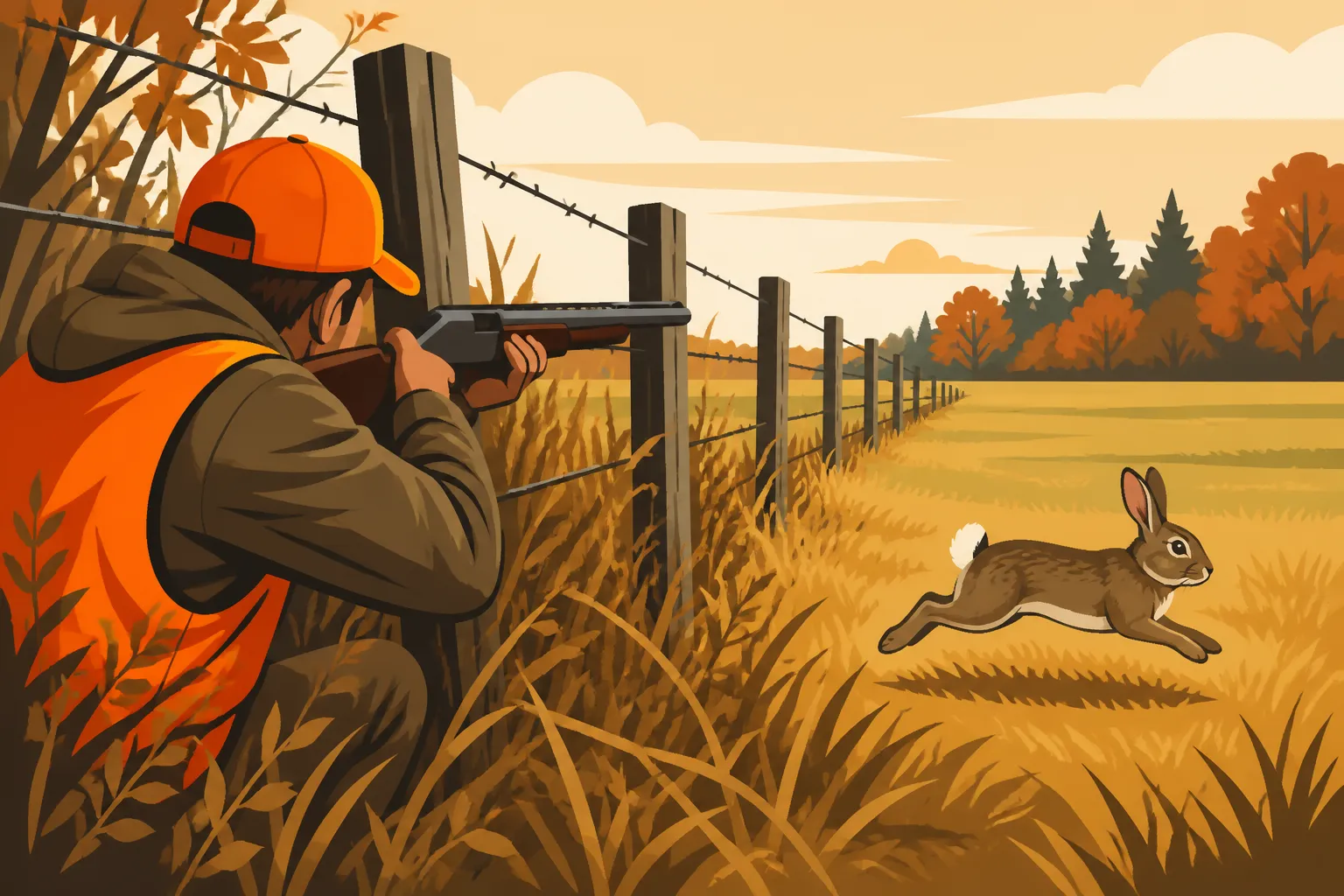
Still hunting, or stalking, is a wonderfully peaceful and effective way to hunt fencerows, especially if you’re alone or prefer a quieter experience. The key is to move incredibly slowly, pausing frequently to observe and listen. Walk just inside the fencerow, or parallel to it in the adjoining field, keeping a keen eye on the densest cover. Cottontails often won't bolt immediately; they'll hold tight, hoping you'll pass them by. Your job is to spot that subtle twitch of an ear, a glint of an eye, or the dark outline against the brush before they decide to run.
Take three steps, then pause for thirty seconds, scanning every inch of the fencerow. Use binoculars if you have them, as they can help you pick apart dense cover. The objective is not to walk quickly, but to force the rabbit to flush by slowly encroaching on its hiding spot. When a rabbit does jump out, it's often a burst of speed for a short distance before it tries to re-enter cover. Be ready for that quick, often erratic shot. This method can be incredibly rewarding, as it relies on your tracking skills and patience, not just noise and movement. It’s a very intimate way to hunt, connecting you directly with the subtle cues of the environment.
Organizing a Fencerow Drive with Partners
If you have a few hunting buddies, organizing a fencerow drive can be an incredibly effective and exciting way to hunt cottontails. This method involves strategizing positions and movements to push rabbits out of cover and into shooting lanes. Typically, one or two "drivers" will walk through the fencerow, making noise and stomping through the thickest brush, while "blockers" or "posters" are positioned at strategic points ahead of the drivers, usually at the ends of the fencerow or at intersections where rabbits might try to cross.
Communication is absolutely vital in a drive. Before you even start, discuss safe shooting lanes, agree on signals, and ensure everyone knows their role. Drivers should move at a steady, deliberate pace, thoroughly working the cover. Blockers need to be alert and ready for fast-moving rabbits bursting from the fencerow. For small game like rabbits, safety is paramount, especially when multiple hunters are involved. Always be aware of your partners' positions and backgrounds before taking a shot. This collaborative effort makes for a social hunt and often yields more rabbits, especially in longer, denser fencerows. Our guide on Deer Drives With Three or Four Hunters offers insights into coordinating group movements, principles that can be adapted for smaller game as well.
Leveraging Dogs for Fencerow Rabbits
For many, hunting cottontails is synonymous with the baying of beagles. Using a good rabbit dog, particularly a beagle, transforms the hunt into a dynamic and auditory experience. Beagles, with their incredible sense of smell and relentless pursuit, are tailor-made for working dense fencerows. They'll dive into the thickest briars, flush rabbits, and then follow the scent trail, often in a circular pattern as the rabbit tries to outwit them by circling back to its home territory.
Your role as the hunter is to position yourself strategically along the fencerow, listening to the dog's cry. When the baying indicates the dog is hot on a track, anticipate where the rabbit might emerge. Rabbits often try to cross open ground to another patch of cover, or they'll double back within the fencerow itself. A dog helps you cover ground more effectively and penetrate cover that would be impossible for a human. If you're considering Running Beagles on Ontario Snowshoe Hare, many of the techniques and joys apply directly to cottontail hunting as well. A well-trained dog not only increases your success rate but adds an immeasurable amount of enjoyment to the hunt.
Essential Gear and Safe Practices for Fencerow Hunting
Hunting cottontails along a fencerow might not require the same specialized equipment as big game, but having the right gear and prioritizing safety are still critical for an enjoyable and successful outing. These narrow strips of cover can present their own unique challenges that you need to be prepared for.
Choosing the Right Firearms and Ammunition
For cottontails, a shotgun is the undisputed king. The quick, often close-range shots required when a rabbit flushes from dense cover make a scattergun ideal. A 12-gauge or 20-gauge shotgun is perfect, typically choked improved cylinder or modified for a good spread. Many hunters prefer a lightweight pump-action or semi-automatic shotgun, as it allows for quick follow-up shots if needed. A .410 gauge can also be effective at very close ranges, offering a lighter option, especially for younger hunters or those who prefer less recoil.
As for ammunition, stick with small game loads. #6 or #7.5 shot are excellent choices for cottontails. These smaller pellets provide a dense pattern, increasing your chances of connecting with a fast-moving target without over-penetrating and ruining too much meat. Avoid larger shot sizes, which are overkill for rabbits and can damage the meat unnecessarily. Always carry enough ammunition for your hunt, but don't overpack; fencerow hunting means you'll be moving through tight spaces, and a lighter load is always appreciated. Our comprehensive guide on Small Game Hunting in Ontario covers other suitable firearms and ammunition for various species you might encounter.
Navigating the Unique Challenges of Fencerows
Fencerows, while productive, are not without their difficulties. They are often littered with old barbed wire, discarded farm equipment, hidden holes, and uneven ground. This terrain can be treacherous, making sturdy, waterproof boots with good ankle support absolutely essential. You’ll be stepping over tangled vines, pushing through thorny bushes, and potentially sinking into muddy patches. Long pants made of durable material, like canvas or briar-proof fabric, will protect your legs from scratches and thorns. A good pair of leather gloves is also highly recommended to shield your hands.
Beyond physical hazards, there's the challenge of visibility. Dense fencerows limit your line of sight, which is why slow movement and careful observation are so important. Always be mindful of what’s beyond the fencerow. Is it another field? A road? A neighbour’s property? Using a reliable mapping app, like GoHunt, can help you visualize the terrain and identify property lines, ensuring you don't inadvertently trespass or shoot in an unsafe direction. This awareness is critical for both safety and respecting the land you're hunting.
Prioritizing Safety and Communication
Safety is paramount in any hunting scenario, but especially so when hunting in dense cover like a fencerow, potentially with partners or dogs. Always treat every firearm as if it were loaded. Keep the muzzle pointed in a safe direction, typically towards the ground in front of you or slightly up, away from your hunting partners and any dwellings. Your finger should remain off the trigger until you are ready to shoot and have positively identified your target.
Communication with your hunting partners is non-negotiable. Clearly call out when you’ve flushed a rabbit, when you’re taking a shot, or if you’re moving into a new position. Blaze orange clothing is not only a legal requirement in many Ontario hunting scenarios but also a crucial safety measure when hunting small game in dense cover. A blaze orange vest and hat will make you highly visible to other hunters, whether they are part of your group or not. Remember, fencerows are often adjacent to active farmland or private residences, so always be aware of your surroundings and only take shots with a safe background.
Ontario Regulations and Ethical Considerations
Hunting in Ontario comes with a responsibility to understand and abide by the provincial regulations. This isn't just about avoiding fines; it's about ensuring a sustainable future for hunting and upholding the respect we owe to the game we pursue. Cottontail hunting is no exception.
Understanding Cottontail Seasons and Limits
Before you even think about heading out, you need to be familiar with Ontario's hunting regulations for small game. Cottontail season dates vary by Wildlife Management Unit (WMU), so it's critical to check the current Ontario Hunting Regulations Summary for your specific area. Generally, cottontail seasons are quite generous, often running from early fall well into winter, providing ample opportunity.
Bag limits are also specified by WMU and refer to the maximum number of rabbits you can harvest in a single day and possess at any given time. Always adhere strictly to these limits. They are in place to manage game populations and ensure healthy numbers for future generations of hunters. If you're unsure about the specifics for your hunting area, the Ontario Ministry of Natural Resources and Forestry (MNRF) website is your go-to source. You'll also need a valid Outdoors Card and an Ontario Small Game Licence to hunt cottontails. Our guide on Small Game Season Dates and Limits provides a handy overview of these regulations across the province.
Securing Landowner Permission and Respecting Property
A significant portion of Ontario's cottontail habitat, particularly prime fencerows, runs along private agricultural land. Never assume you have permission to hunt on private property. It is your responsibility, and a matter of respect, to obtain explicit permission from the landowner before you step foot on their property. This usually involves knocking on doors, introducing yourself, explaining your intentions, and asking politely. Many farmers are happy to grant access to respectful hunters, especially if rabbits are causing crop damage, but it’s their land, and their rules.
When granted permission, clarify any specific requests or restrictions the landowner might have, such as areas to avoid or times of day they prefer you not to hunt. Always leave gates as you found them, pick up any spent casings or litter, and avoid disturbing livestock or crops. Building a positive relationship with landowners is not just good etiquette; it’s essential for ensuring continued access for yourself and other hunters. Our comprehensive articles on Ontario Trespass Law for Hunters and What Ontario Trespass Law Requires delve deeper into the legalities and best practices for securing permission and respecting private land boundaries. Tools like GoHunt can help you identify property owners, making the process of asking for permission a bit easier and more organized.
Practicing Responsible Hunting Ethics
Beyond the written rules, there are unwritten codes of ethics that guide responsible hunters. This includes practicing fair chase, which means giving the animal a reasonable chance. It also involves taking clean, ethical shots to ensure a quick, humane harvest. Always strive to retrieve every animal you shoot; a wounded animal left in the field is a disservice to the game and a waste of resources.
After a successful hunt, properly field dress and care for your rabbits to ensure the meat is fit for consumption. Share your harvest with family and friends, celebrating the bounty of the land. Leave the habitat as good as, or better than, you found it. This means picking up any litter, not damaging fences, and being mindful of your impact on the environment. These ethical considerations are not just about being a good hunter; they are about being a responsible conservationist and ambassador for our sport.
Here's a quick look at how cottontail activity might vary:
| Time of Day | Weather Condition | Expected Cottontail Activity | Hunting Strategy |
|---|---|---|---|
| Dawn | Clear & Cold | High (feeding) | Still hunt field edges, fencerow exits |
| Mid-Morning | Overcast/Drizzly | Moderate (moving to thicker cover) | Drive fencerows, work with dogs |
| Mid-Day | Sunny & Warm | Low (bedded down) | Focus on dense brush piles, heavy fencerows |
| Late Afternoon | Clear & Cooling | High (moving to feed) | Still hunt, focus on travel corridors |
| After Snowfall | Fresh Snow, Mild | Low (hunkered down) | Spot tracks, work heavy cover slowly |
| After Snowfall | Sun after snow | Moderate to High (feeding) | Drive or still hunt edges, exposed browse |
Disclaimer
Hunting involves inherent risks, and it is the responsibility of each individual hunter to ensure they are familiar with and adhere to all local, provincial, and federal laws and regulations. Always prioritize safety, obtain proper licensing, and respect wildlife and the environment. This guide provides general information and should not be considered a substitute for official regulations or professional instruction.