Getting a Moose Out by Canoe
You’ve finally done it. After days, maybe even weeks, of bushwhacking and calling, you’ve put down a magnificent Ontario bull moose deep in the backcountry. The adrenaline is pumping, but then the daunting reality sets in: how on earth do you get a beast weighing well over half a ton out of the remote wilderness and back to civilization, especially when the nearest road is miles away and the only access is by water? This guide will walk you through the nitty-gritty of extracting a hard-earned moose using nothing but the humble, yet incredibly capable, canoe.
The Unique Challenges of a Canoe-In Moose Hunt
Hunting moose in Ontario’s vast wilderness, particularly in the northern reaches, often means venturing far from any established roads or even ATV trails. This is where the canoe becomes your lifeline, offering silent access to pristine areas where other hunters simply can’t go. But that same silent access quickly transforms into a Herculean task once you’ve punched your tag.
The Sheer Size of an Ontario Moose
Let's be real, a moose isn't a whitetail deer. A mature Ontario bull moose can easily stand over six feet at the shoulder and weigh upwards of 1,000 to 1,200 pounds, sometimes even more. Even a cow can be 800-900 pounds. Imagine trying to move that colossal mass through dense bush, over uneven ground, and then load it into a canoe. It's simply not feasible to drag a whole or even halved moose. This reality dictates a thorough field dressing and quartering strategy, which we'll dive into shortly. Each quarter, even stripped of most bone, can weigh hundreds of pounds, requiring careful planning and brute strength. Knowing what a big bull moose weighs truly puts the challenge into perspective.
Remote Terrain and Lack of Infrastructure
Ontario’s canoe country is defined by its rugged beauty: endless forests, interconnected lakes, winding rivers, and countless beaver ponds. While stunning, this landscape offers no easy passage for heavy loads. You’ll be navigating narrow channels, paddling across vast lakes, and, inevitably, facing portages – those dreaded stretches of land where you have to carry everything between waterways. These portages can range from short, well-worn paths to overgrown, boggy nightmares, making the task of moving heavy moose quarters incredibly strenuous. There are no ramps, no docks, often not even a cleared shoreline to make loading and unloading simple. It's just you, your canoe, and the raw bush.
Weather and Water Conditions
The elements in northern Ontario are notoriously unpredictable, especially during the fall moose hunting season. A calm, sunny morning can quickly give way to strong winds whipping up whitecaps on a large lake, making paddling a heavily loaded canoe treacherous. Rain can turn portage trails into slippery mud bogs, and early-season snow can obscure footing and make the bush even harder to navigate. Low water levels in late summer or early fall can expose rapids or narrow out channels you planned to paddle, forcing longer, more difficult portages. Conversely, high water might mean strong currents. You need to be prepared for anything Mother Nature throws at you, as these conditions will directly impact the speed, safety, and overall success of your extraction.
Planning Your Canoe Retrieval Strategy
Success in getting a moose out by canoe begins long before you ever pull the trigger. It’s all in the planning, preparation, and knowing exactly what you’ll do when that moment comes. This isn't a task for the faint of heart, or for the unprepared.
Field Dressing and Quartering for Canoe Transport
The first, and arguably most critical, step in any canoe-based moose retrieval is proper field dressing and quartering. You absolutely cannot skip this. The goal is to break the animal down into manageable, weighable chunks that can be lifted, carried, and placed into a canoe without compromising stability.
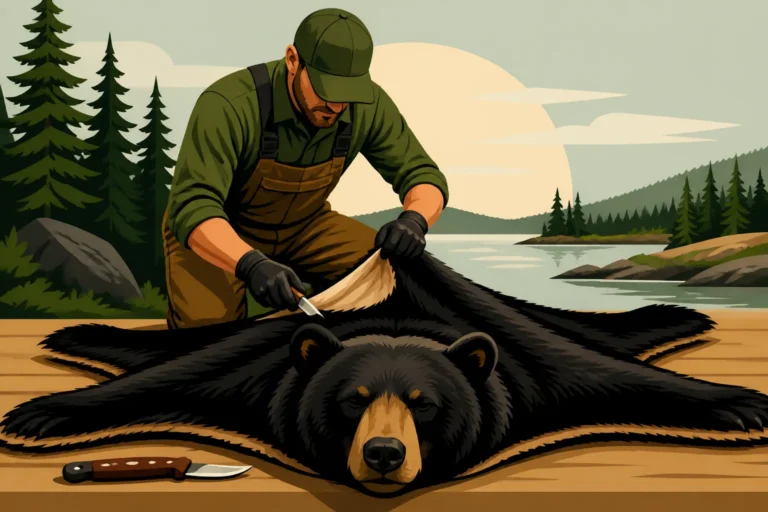
Start by getting the animal gutted quickly to begin cooling the meat, especially if you're in a warmer early season. Then, the real work begins. You'll need sharp knives, a bone saw, and possibly a small axe. Break down the moose into its four quarters, each with the bone in for easier handling and to keep the meat clean. You'll also want to remove the backstraps, tenderloins, neck meat, and any other prime cuts. The rib cages are often left behind unless you have ample space and truly want the rib meat, as they are bulky and less efficient to transport. The head and antlers are another story – they add significant weight and bulk. If you're after a trophy, you'll need to cape the head and skull plate out, leaving just the antlers and a portion of the skull. This can be challenging work in the bush, especially if you're attempting to quarter a moose alone in the bush.
Each piece of meat, especially the quarters, should be placed into durable game bags immediately. These bags protect the meat from flies, dirt, and debris, and make it easier to handle. You might need several large game bags. Remember, meat care in Ontario's warm early seasons is paramount; getting the meat cooled down and protected from contamination is critical to prevent spoilage.
Essential Gear for a Canoe Moose Extraction
Having the right gear is non-negotiable for a successful canoe extraction. This isn't just about hunting gear; it's about a specialized kit for moving heavy loads in a wilderness setting.
- Durable Game Bags: As mentioned, these are crucial. Think heavy-duty canvas or synthetic bags that can withstand punctures and tears.
- Heavy-Duty Ropes/Straps: For securing meat in the canoe, lashing packs, and potentially for makeshift hauling systems on portages.
- Tarps: Use these to keep meat clean while quartering, and to cover meat in the canoe from sun or rain.
- Bone Saw/Axe: Essential for precise cuts and breaking down bone.
- Sharp Knives and Sharpening Stone/Steel: You'll be doing a lot of cutting.
- Pulleys/Hoist System: For lifting quarters, especially onto a canoe or bank, a small, lightweight system can be a lifesaver.
- Heavy-Duty Backpacks/Pack Frames: While most meat will be in the canoe, some pieces, or camp gear, might need to be backpacked across portages.
- Navigation Tools: A reliable GPS unit, a compass, and waterproof maps are critical. Tools like GoHunt can be invaluable for identifying navigable waterways, potential portages, and safe camping spots.
- First-Aid Kit: Comprehensive enough for wilderness emergencies.
- Water Purification: Staying hydrated during such strenuous work is vital.
- Emergency Shelter/Fire Starting Kit: Just in case you're delayed overnight.
- Extra Paddles: A broken paddle deep in the bush is a serious problem.
- Repair Kit for Canoe: Duct tape, epoxy, patch material – small holes happen.
Route Planning and Scouting for Waterways
Your extraction route should be meticulously planned long before you even set foot in the bush. This involves studying maps, satellite imagery, and potentially even scouting sections of your route. Utilize tools like GoHunt, which can provide detailed topographic maps and aerial views to identify the most efficient water routes, assess potential hazards, and locate suitable portage trails. Look for:
- Navigable Waterways: Are there enough interconnected lakes and rivers? Are there any sections known for rapids or extremely shallow water?
- Portage Length and Difficulty: Identify all portages on your route. Look for signs of use, elevation changes, and potential obstacles like beaver dams or dense blowdowns. A seemingly short portage can be a nightmare with 200 pounds of meat.
- Water Levels: If possible, research typical water levels for the season you'll be hunting. A dry fall could mean lower water, turning paddleable streams into muddy drags.
- Safe Loading/Unloading Spots: Mark areas on your map where the shoreline is clear enough to safely load and unload heavy quarters.
- Fallback Routes: Always have an alternative plan in case your primary route becomes impassable due to weather or unforeseen obstacles. When planning, consider how this route ties into your overall strategy for Canoe-In Hunting on Ontario Crown Land.
The Step-by-Step Canoe Extraction Process
Once you’ve got your moose quartered and bagged, and your route planned, it’s time for the real muscle work. This is where teamwork, if you have a hunting partner, truly pays off.
Loading the Quarters into Canoes
This is a delicate operation. Moose quarters are heavy, awkward, and can easily capsize a canoe if not loaded correctly.
- Work as a Team: If you have multiple canoes and hunters, distribute the load as evenly as possible. Each canoe should ideally carry similar weight to maintain balance.
- Stable Loading Platform: Try to find a low, stable bank or even shallow water where the canoe can be partially beached and held steady. Two people can stabilize the canoe while a third loads.
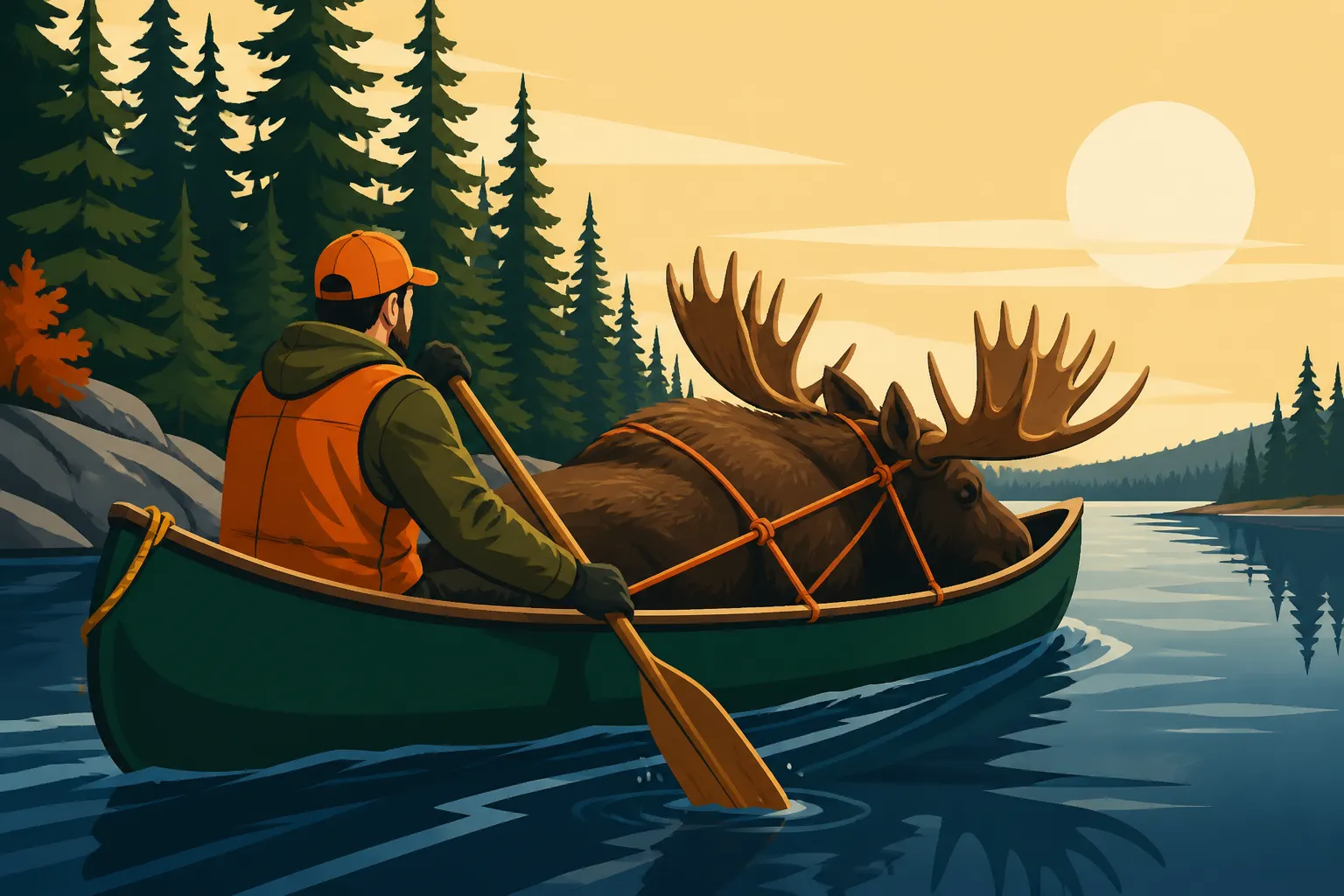
- Weight Distribution: The heaviest quarters should be placed low in the canoe, as close to the center line as possible. This lowers the center of gravity, significantly improving stability. Avoid piling all the weight at one end.
- Secure the Load: Use your ropes and straps to secure the game bags to the thwarts or ribs of the canoe. You don't want them shifting, especially on rough water or during a sudden stop. Cover the meat with a tarp to protect it from the elements and keep it cool.
- Test Stability: Before pushing off, gently rock the canoe to feel its stability. Make any necessary adjustments to the load distribution. Remember, it's better to be safe and take an extra moment here than to capsize miles from your truck.
Navigating Waterways with a Heavy Load
Paddling a canoe loaded with hundreds of pounds of moose meat is a completely different experience than paddling an empty one.
- Paddling Technique: Your stroke will need to be stronger and more deliberate. Paddle in unison with your partner to maintain momentum and control.
- Safety First: Be extra cautious in currents, around rapids, or in windy conditions. The canoe will be slower to respond and much less forgiving. Avoid swift water if possible, or consider lining the canoe (walking along the bank with ropes) through particularly tricky sections.
- Maintain Awareness: Keep a constant eye on the weather and water. If a storm is brewing or winds are picking up, seek shelter on shore immediately. It's better to lose a few hours than to risk losing your canoe, gear, and hard-earned meat.
- Group Effort: If you're on a group moose tag together, you'll need excellent communication. One person might be the primary paddler/steerer while others help with stability or spotting hazards. Consider if your strategy changes if you are Hunting Moose From a Boat or Canoe versus a dedicated canoe only trip.
Portaging the Moose Meat
Portages are often the most physically demanding part of a canoe moose extraction. Each quarter of meat can be a substantial load.
- Multiple Trips: Unless you're exceptionally strong and the portage is very short, you will likely need to make multiple trips. It's usually more efficient to carry gear on one trip and meat on another, or divide the meat between two trips.
- Strategic Packing: Before hitting the portage, repack game bags into sturdy pack frames or heavy-duty duffels. This makes them easier to carry on your back, leaving your hands free for balance.
- Divide and Conquer: If in a group, assign specific tasks. One person might carry the canoe, another the heaviest meat, and others the rest of the gear.
- Take Breaks: Don't try to be a hero. Regular breaks are essential to conserve energy, stay hydrated, and prevent injury. Find a comfortable spot to rest your load.
- Scout Ahead: If you haven't already, scout particularly long or challenging portages. Knowing what's coming can help you mentally prepare and plan your approach. Be mindful of footing; mossy rocks and tangled roots can be treacherous with a heavy load.
Safety Considerations and Best Practices
In the remote Ontario bush, safety should always be your top priority. Getting a moose out is a massive undertaking, and it's easy to overlook critical details when you're tired and focused on the task at hand.
Preventing Hypothermia and Dehydration
Exertion, especially in cooler fall temperatures, can lead to sweating, which then can lead to hypothermia if you stop and cool down too quickly without proper layers. Always dress in layers of moisture-wicking materials. Bring extra dry clothes, especially socks. Staying hydrated is also crucial for preventing fatigue and maintaining focus. Carry plenty of water or have a reliable water filter/purifier. Electrolyte drinks can be beneficial during prolonged physical activity. Even on a cool day, the physical exertion of quartering a moose and then moving it by canoe is immense, so plan your water intake carefully.
Wildlife Encounters and Bear Awareness
You're in prime black bear country, and a fresh moose kill is a massive attractant. Bears have an incredible sense of smell and will be drawn to the carcass.
- Be Alert: Always be aware of your surroundings. Make noise as you work to avoid surprising a bear.
- Secure Meat: Once quartered, get the meat into game bags and sealed away as quickly as possible. If you must leave meat unattended for any length of time (e.g., while retrieving canoes or other gear), hang it from a tree or cover it completely to deter scavengers.
- Bear Spray: Always have bear spray readily accessible, and know how to use it.
- Camp Site Selection: When camping during the extraction process, choose a campsite away from the kill site. Store all food and meat properly, ideally in bear-resistant containers or hung from a bear pole. Utilize services like GoHunt to scout for established campsites or identify suitable areas that are less likely to attract wildlife.
Group Communication and Emergency Protocols
Hunting and extracting a moose, especially with a canoe, is ideally a group activity. Clear communication is paramount.
- Pre-Trip Briefing: Everyone in the hunting party should know the plan, the route, and their roles. Discuss potential contingencies and what to do if someone gets injured or lost.
- Communication Devices: Cell service is non-existent in most of Ontario's remote moose country. Carry a satellite phone or a Garmin inReach/Spot device for emergency communication. Ensure everyone knows how to use it. This is part of your essential truck kit for a northern Ontario hunt.
- First Aid Training: At least one member of the group should have wilderness first aid training.
- "What to Do If You Get Turned Around": Discuss scenarios where someone might get separated or lost, and have a clear protocol for what to do. This might include staying put, signalling, or specific rendezvous points.
Here's a quick checklist of essential gear for your canoe moose extraction:
| Item | Purpose | Quantity (per group) | Notes |
|---|---|---|---|
| Durable Game Bags | Protects meat from contamination, aids handling | 6-10 (large) | Synthetic, breathable, heavy-duty |
| Heavy-Duty Ropes/Straps | Securing load, lashing, makeshift pulls | 50-100 ft | 1/2" diameter recommended, brightly colored |
| Tarps (heavy duty) | Meat cleanliness, sun/rain protection, temporary shelter | 2-3 | At least 10×12 ft |
| Bone Saw / Small Axe | Quartering, clearing portage obstacles | 1-2 | Folding saw is practical |
| Sharp Knives | Field dressing, skinning, quartering | 2-3 (diverse) | Bring a sharpener |
| Headlamps / Flashlights | Working in low light, emergency | 1 per person + spares | Red light option for night vision preservation |
| GPS Unit / Satellite Messenger | Navigation, emergency communication | 1 per group + backup | Pre-load maps; Garmin inReach or Spot device highly recommended |
| Waterproof Maps & Compass | Primary navigation, backup for electronics | 1 per group | Laminated maps covering your Ontario's Wildlife Management Unit System |
| Bear Spray | Personal defense, deterring wildlife | 1 per person | Must be easily accessible |
| Water Filter/Purifier | Staying hydrated | 1-2 per group | Or ample bottled water for the duration |
| First-Aid Kit | Treating injuries, emergencies | 1 comprehensive | Include blister treatment, pain relief, trauma dressing |
| Extra Paddles | Essential backup in case of breakage | 1 per canoe | Securely lashed inside or on top of canoe |
| Canoe Repair Kit | Patching punctures, minor repairs | 1 | Duct tape, marine epoxy, patch material |
| Heavy-Duty Backpacks/Pack Frames | Carrying meat/gear on portages | 1 per person | Or suitable large dry bags |
| Dry Bags / Barrels | Keeping gear dry, protecting electronics | As needed | Various sizes for clothes, electronics, sleeping bags |
| Signaling Device | Whistle, signal mirror, flair kit | 1 per person | For emergencies |
Getting a moose out by canoe is an experience few forget. It’s physically demanding, mentally challenging, and will push you to your limits, but the reward of bringing that hard-won game meat home, knowing the effort it took, is incredibly satisfying. It's truly an integral part of Hunting Moose in Ontario's Boreal Forest.
Disclaimer
The information provided in this guide is for general informational purposes only and does not constitute professional advice. Hunting regulations and safety protocols can change, and conditions in the wilderness are unpredictable. Always consult the most current Ontario hunting regulations, practice proper safety, and ensure you are adequately prepared and equipped for your specific hunting trip. The author and publisher are not responsible for any injuries, damages, or losses that may occur as a result of using this information.