Moose in Ontario’s Boreal Forest
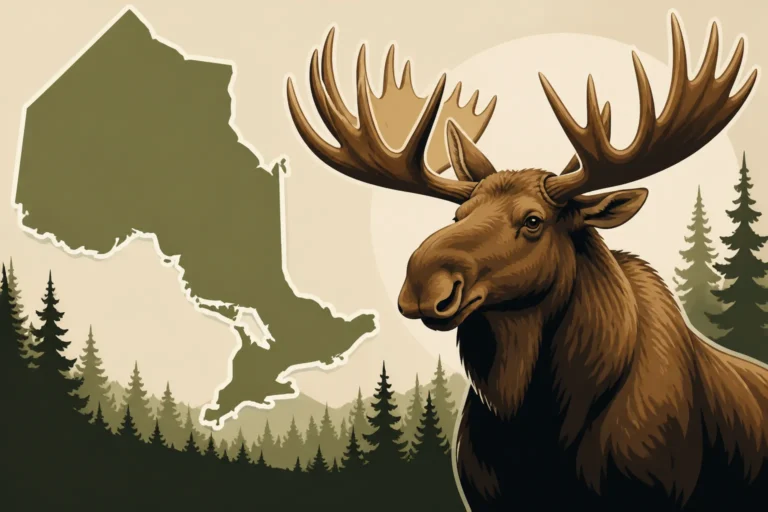
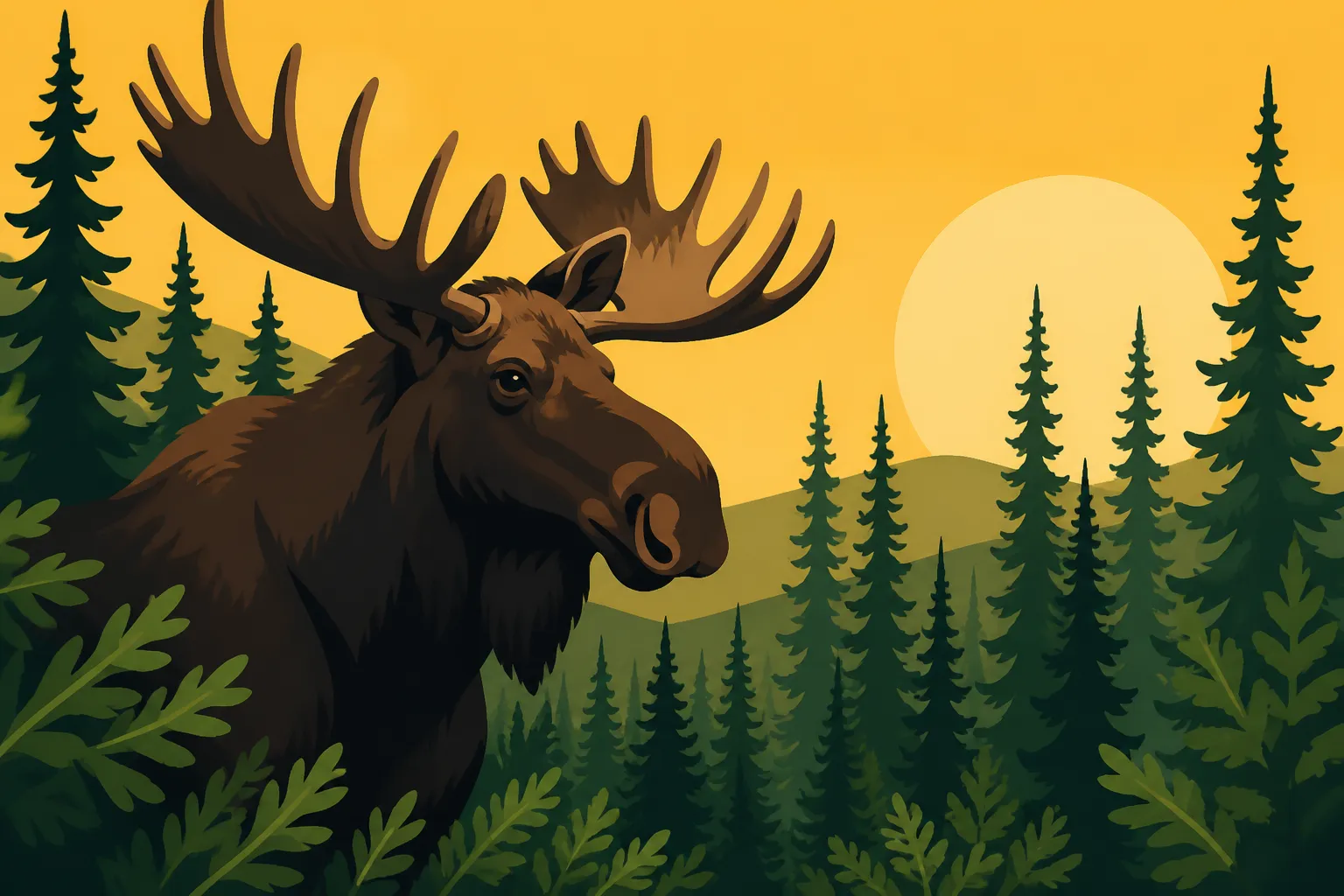
There's a quiet worry among many of us who cherish the Ontario outdoors: the majestic moose, a true symbol of our northern wilderness, seems to be facing an uphill battle. It's frustrating to head out to your favorite areas, perhaps with years of experience under your belt, and notice fewer tracks, fewer fresh browsed areas, and fewer sightings than you remember from decades past. This comprehensive guide aims to unravel the complex story of moose in Ontario's boreal forest, exploring the challenges they face, the habitat they call home, and the critical role we all play in their future.
Moose Population Dynamics and Challenges in Ontario
The moose, an iconic resident of Ontario's vast northern landscapes, has always held a special place in the hearts of hunters and nature enthusiasts alike. However, for many years now, conversations around campfires and in sporting goods stores have often turned to concerns about their populations. It’s not just anecdotal; the science supports the observations many of us have made firsthand – moose numbers in certain parts of Ontario are facing significant pressures.
Historical Context of Ontario's Moose Population
Back in the day, moose populations in Ontario were incredibly robust. During the late 19th and early 20th centuries, large swaths of the province's boreal forest were relatively untouched by human development on a massive scale, and moose thrived. There were periods of decline, often attributed to overhunting in the early days before robust wildlife management practices were in place, or even large-scale forest fires that drastically altered habitats. But for a long time, the sheer vastness of the Canadian Shield and boreal forest offered refuge and plentiful forage. Hunters would speak of truly wild, remote areas where moose were almost a guarantee, a testament to the abundance of this magnificent animal. We've certainly seen swings over the decades, and anyone who has been hunting in Ontario for a long time has seen moose numbers ebb and flow with various factors, but the current trends feel different.
Recent Trends and Concerns
In recent years, the trend has been a cause for significant concern for wildlife managers and hunters across many regions of the province. While exact numbers fluctuate and comprehensive province-wide surveys are challenging due to the sheer size of Ontario, various Wildlife Management Units (WMUs), particularly those along the southern edge of the boreal forest and even deeper within it, have reported noticeable declines. For instance, areas in Central Ontario and parts of the Northeast have shown some of the more significant drops. It's not a uniform decline across the entire province, which can be confusing. Some remote northern WMUs still boast healthy populations, but it's the accessible areas, often the ones that have historically sustained vibrant hunting traditions, where the pinch is felt most acutely. This has led to reduced tag allocations, shorter seasons, and a growing sense of frustration among hunters who are seeing fewer opportunities and fewer animals. It’s hard to stay optimistic when you put in countless hours scouting and still come up empty, knowing that a decade or two ago, this wasn't always the case.
Regional Population Spotlights
To truly understand the situation, it helps to look at Ontario's vast landscape in segments.
- Northwestern Ontario: This expansive region, encompassing areas like Thunder Bay, Kenora, and Rainy River districts, historically has some of the highest moose densities. While it has also seen some localized declines, particularly in areas with more fragmented habitat or higher predator populations, many WMUs here still offer strong opportunities for moose hunters. The sheer amount of undeveloped Crown land in this part of the province helps maintain healthy pockets of moose. It's still considered a stronghold, though even here, the challenges are mounting.
- Northeastern Ontario: Moving east, into areas around Sudbury, Timmins, and Cochrane, the situation becomes a bit more mixed. Some WMUs here have faced significant pressures, experiencing more pronounced declines than their northwestern counterparts. This region often has more mixed forest, and also sees the southern edge of the boreal giving way to more agricultural or developed lands, increasing factors like deer interactions and habitat changes. However, areas within the "Clay Belt" still hold good numbers in places.
- Central Ontario: This region, including areas like the Haliburton Highlands and the Algonquin Park fringe, has seen some of the most significant and consistent population drops. These WMUs are often at the southern extent of moose range, meaning they are more susceptible to climate-related stressors and increased interactions with white-tailed deer and their associated parasites. Many hunters who once pursued moose in these areas now find the opportunities incredibly limited, often requiring years to draw a tag for an area with already dwindling populations. The challenges here really highlight the overall struggles facing the species.
The Boreal Forest Habitat: A Moose Stronghold
The boreal forest isn't just a backdrop for Ontario's moose; it's the very fabric of their existence. This vast, often rugged landscape provides everything these massive animals need to survive, from food to shelter, but it's also a dynamic environment that is constantly changing, sometimes to the detriment of its largest resident.
Defining Ontario's Boreal Moose Habitat
Ontario's boreal forest is a mosaic of coniferous trees like black spruce, white spruce, balsam fir, and jack pine, interspersed with deciduous species such as trembling aspen, white birch, and balsam poplar. This mix is critical for moose. They're not just browsers; they're selective browsers, meaning they need a variety of plant species to meet their nutritional needs throughout the year. The boreal also features countless wetlands, lakes, and rivers, providing essential aquatic vegetation that moose absolutely love, especially during the hot summer months. These watery buffet lines offer not just sustenance but also a respite from biting insects.
Crucially, moose thrive in early successional forests. This means areas that have been recently disturbed – by wildfires, windstorms, or sustainable logging practices – are prime habitat. When older forests are cleared, new growth like young aspen, birch, and willow sprouts up, providing a dense, nutrient-rich food source at a height moose can easily reach. These "cutovers" or "burns," particularly those 5 to 20 years old, become superhighways and feeding grounds for moose, offering both food and escape cover from predators like wolves. This is where savvy hunters focus their efforts, knowing that a freshly regenerating area is a magnet for moose.
Impact of Habitat Fragmentation and Loss
While the boreal forest is vast, it's not immune to change, and human activities often lead to habitat fragmentation and, in some cases, outright loss. Logging, though it can create beneficial early successional habitat, can also, if poorly managed, lead to large, uniform tracts of single-aged forest that aren't ideal. Extensive road networks built for resource extraction, like those in the far north for mining or forestry, can open up previously remote areas to increased human activity and easier access for predators.
The development of new infrastructure, whether it's power lines, pipelines, or even expanding cottage country at the southern fringe of the boreal, also fragments critical moose habitat. This forces moose into smaller, isolated patches of forest, making them more vulnerable to predation and reducing their access to diverse food sources. When their range is cut up, they can’t move freely between summer feeding grounds and winter yarding areas. It's like trying to navigate a familiar grocery store when half the aisles are suddenly blocked off – it just makes everything harder, more stressful, and less efficient for them.
Climate Change and Habitat Shifts
Perhaps one of the most insidious threats to Ontario's boreal moose habitat is climate change. A warming climate brings a cascade of effects that can drastically alter the northern forest and the animals that depend on it. Warmer winters, for instance, mean less snow, which can actually benefit deer by making it easier for them to move around. However, these milder winters also mean an increase in parasites like winter ticks, which can be devastating for moose populations. This directly impacts their health and survival, particularly for calves.
Furthermore, a warming trend can cause the southern edge of the boreal forest to gradually shift northward, pushing moose range with it. This allows white-tailed deer, which are less cold-hardy but carry brainworm, to expand their range deeper into traditional moose territory. As the climate changes, the vegetation itself can shift, favouring plant species that are not as nutritious or preferred by moose, or making it harder for existing species to thrive. This slow, relentless change can subtly but powerfully reduce the quality and quantity of moose habitat, impacting their long-term survival in areas they’ve called home for millennia.
Understanding Ontario Moose Biology and Behavior
To truly appreciate the challenges and triumphs of moose in Ontario, it helps to dive into their unique biology and how they navigate their world. These aren't just big animals; they're incredibly adapted creatures with specific needs that drive their daily lives and seasonal movements.
Moose Diet and Foraging Habits
Moose are true herbivores, and their diet is a fascinating testament to their adaptation to the boreal environment. They are primarily browsers, meaning they prefer to eat the leaves, twigs, and bark of woody plants, rather than grazing on grasses like deer. During the summer months, their diet is incredibly diverse. They'll gorge on the tender shoots of trembling aspen, white birch, and willow, which are abundant in regenerating cutovers and along forest edges. But a truly critical part of their summer diet comes from aquatic plants. You’ll often find moose wading into beaver ponds, marshes, and shallow lakes, submerging their massive heads to feed on water lilies, pondweed, and other nutrient-rich vegetation. These aquatic plants are packed with sodium, a vital mineral often scarce in their terrestrial diet. A bull moose can eat 50-60 pounds of forage a day, especially during the summer, packing on the calories needed to grow those impressive antlers and sustain them through the lean winter months.
As winter sets in and snow piles up, their diet shifts. They transition to a more woody browse, nipping off the tips of balsam fir, red osier dogwood, and other species that remain accessible. This period is tough; the nutritional value of winter browse is lower, and they expend more energy just moving through deep snow. This constant need for high-volume, diverse forage means that quality habitat with a good mix of forest types and wetlands is absolutely non-negotiable for a healthy moose population.
The Annual Rut and Reproduction
For many hunters, the rut is the highlight of the moose season, a time of incredible activity and vocalization. In Ontario, the moose rut typically peaks from late September through the first couple of weeks of October. During this time, the normally solitary bulls become much more vocal, using deep grunts to attract cows and challenge rival males. Cows, too, will call, often with a mournful, drawn-out bawl, to signal their receptivity. This is when you hear stories of hunters calling in bulls, sometimes right to the base of their stand, a truly unforgettable experience. If you're looking to learn more about this exciting period, our article on When Ontario's Moose Rut Peaks delves deeper into these behaviours.
Bulls will fight over receptive cows, crashing antlers together in powerful displays of dominance that can sometimes last for an hour or more. These battles are not just for show; they determine who gets to breed, ensuring that the strongest genes are passed on. A successful rut is crucial for the health of the overall population, as it dictates the number of calves that will be born the following spring. After mating, the cow moose carries her calf (or sometimes twins) through a gestation period of about eight months, with births usually occurring in late May or early June.
Calf Rearing and Survival
The survival of moose calves is a critical bottleneck for population growth in Ontario. When a cow gives birth, often to a single calf but sometimes two, these little ones are incredibly vulnerable. Weighing around 25-35 pounds at birth, they are easy targets for predators. Black bears are a significant threat to newborn calves in spring, often preying on them in their first few weeks of life. Wolves are also a constant danger, particularly as calves grow but remain less agile than adults.
A cow moose is fiercely protective of her offspring, often charging anything she perceives as a threat. Calves grow rapidly, relying on their mother's rich milk and quickly learning to browse. By fall, they'll weigh several hundred pounds and be much more capable of keeping up with their mother. However, the first winter is often the biggest test. Deep snow makes travel difficult, and the nutritional stress can weaken them. This is also when winter ticks become a huge problem. Without robust cows, good habitat, and moderate predator numbers, calf survival can plummet, which directly impacts the overall moose population, causing those frustrating declines we've been seeing.
Key Factors Influencing Moose Health and Survival
When we talk about declining moose populations, it's never just one thing. It's a complex interplay of environmental factors, diseases, and human impacts. Understanding these challenges is the first step toward finding solutions for our Ontario moose.
Winter Ticks and Parasitic Loads
Perhaps one of the most significant and heartbreaking threats to moose in Ontario is the winter tick, Dermacentor albipictus. These aren't just a nuisance; they can be absolutely devastating, especially to calves and yearlings. Unlike the deer tick which can transmit Lyme disease, winter ticks spend their entire life cycle on one host. They hatch in the spring, wait in the vegetation, and then in the fall, thousands of tiny larvae attach to a single moose. They feed all winter, growing larger, and by late winter or early spring, the moose can be carrying tens of thousands of engorged ticks.
The effect on the moose is profound. Imagine having thousands of parasites constantly sucking your blood for months on end. This leads to severe blood loss, anaemia, and extreme irritation. Moose will rub themselves raw trying to scratch off the ticks, often rubbing off their hair in large patches – giving them a ghostly white appearance, hence the common term "ghost moose." This hair loss, particularly along the flanks and shoulders, robs them of their insulation, making them susceptible to hypothermia in cold spring weather. Weakened by blood loss and struggling with their body temperature, these moose often become easy targets for predators or simply succumb to exhaustion and disease. Our article How Winter Ticks Affect Moose Survival goes into even more detail on this critical issue. Milder winters, unfortunately, contribute to higher tick survival rates, creating a vicious cycle that puts immense pressure on moose populations.
Predation by Wolves and Bears
Predation is a natural and healthy part of any ecosystem, and wolves and black bears have always been part of the moose's world. However, the balance can shift, especially when moose populations are already stressed. Wolves are highly efficient predators of moose, particularly calves and older, weaker adults. A pack of wolves can take down a healthy adult moose, but they often target the most vulnerable individuals. In areas where moose numbers are low, or where habitat changes make moose more accessible, wolf predation can have a more pronounced impact on population recovery.
Black bears are particularly significant predators of newborn moose calves in the spring. As bears emerge from hibernation, they are often hungry and seeking easy protein. A newborn calf is a relatively defenseless meal. Studies have shown that bear predation can account for a substantial percentage of calf mortality in their first few weeks of life. While predation is essential for ecosystem health, understanding its localized impact is key to moose management. For instance, the Algonquin Wolf (which is a type of Eastern Wolf) is a protected species in certain areas, and its interaction with moose populations is a complex management consideration. To learn more about this unique predator, you can check out our guide on What the Algonquin Wolf Actually Is.
Brainworm and Other Diseases
Another insidious threat to moose, particularly in southern Ontario where their range overlaps more significantly with white-tailed deer, is brainworm (Parelaphostrongylus tenuis). White-tailed deer are the definitive host for this nematode; they carry the parasite without showing symptoms. However, if a moose ingests the larvae (which are carried by snails and slugs, accidentally eaten while browsing), the parasite can migrate to the moose's brain and spinal cord.
The effects on moose are devastating. Brainworm causes neurological damage, leading to symptoms like loss of coordination, circling, head tilting, blindness, and eventually, paralysis and death. It's a truly heartbreaking condition to witness. Because deer populations are robust and often expanding, the risk of moose encountering brainworm is increasing in many areas, particularly where deer densities are high. This disease is a major factor in limiting moose expansion or recovery in the southern portions of their range. For a deeper dive, our article What Brainworm Does to Moose provides more insights. Beyond these major concerns, moose can also be affected by other diseases and parasites, though none typically have the population-level impact of winter ticks or brainworm.
Harvest Management and Hunter Pressure
The role of hunting in moose populations is often misunderstood. While hunters harvest moose, it's a regulated activity designed to be sustainable. Ontario's Ministry of Natural Resources and Forestry (MNRF) uses a complex system to set harvest levels, aiming to balance hunting opportunities with population health. When moose numbers decline, tag allocations are reduced, sometimes drastically, as many frustrated hunters have experienced. This often means fewer tags for bulls, cows, and even calves, to give the population a chance to recover.
However, hunter pressure can be a factor, particularly in accessible areas. High hunter numbers, even with reduced tags, can sometimes concentrate effort, making moose wary and pushing them into less optimal habitats. The goal of management is to ensure that harvest remains compensatory, meaning hunting takes animals that would likely die from other causes, rather than additive, where hunting mortality adds to other mortality factors, thus suppressing the population. This is a fine line to walk, and it requires continuous monitoring and adaptation to ensure the long-term health of the species while still providing sustainable hunting opportunities.
Ontario's Moose Management and Conservation Efforts
Managing a species as grand and far-ranging as the moose across a province as vast as Ontario is a monumental task. It requires science, dedication, and the cooperation of many stakeholders, including hunters. The Ministry of Natural Resources and Forestry (MNRF) plays a central role in these efforts, aiming to balance conservation with sustainable use.
Provincial Management Strategies
The MNRF is responsible for moose management in Ontario, operating under a framework that aims to maintain healthy, self-sustaining moose populations while providing hunting opportunities. This involves a multi-faceted approach, starting with extensive research and monitoring. Aerial surveys are conducted in various Wildlife Management Units (WMUs) to estimate population size, calf recruitment rates, and sex ratios. These surveys are challenging and expensive, but they provide critical data on how populations are trending.
Based on this data, the MNRF develops management plans for specific WMUs, setting population objectives and harvest targets. These objectives are not static; they are reviewed and adjusted as new information becomes available or as environmental conditions change. When populations decline, tag allocations are reduced, and regulations are tightened to give moose a better chance to rebound. For hunters, keeping abreast of these changes and understanding the regulations is crucial. Platforms like GoHunt can be invaluable tools for hunters to access and understand current regulations, apply for tags, and contribute to the data collection process through harvest reporting. It helps simplify the sometimes-complex provincial systems, making it easier for hunters to remain compliant and informed.
Moose Tag Allocation Process
For many Ontario hunters, the moose tag allocation process is a source of both excitement and, often, deep frustration. The demand for moose tags far outstrips the supply, leading to a highly competitive draw system. The province uses a points system, where unsuccessful applicants accumulate points, increasing their odds in subsequent years. This system is designed to give everyone a fair chance over time, but it means that drawing a bull tag in a desirable WMU can take many years, sometimes even a decade or more.
The process involves two main stages: the Primary Allocation Stage and the Second Chance Allocation Stage. In the primary stage, applicants with the most points have the best chance. If you're successful in drawing a tag, your points reset to zero. If you're unsuccessful, you gain another point. Then comes the second chance draw for any remaining tags. Understanding this system is vital for anyone hoping to hunt moose in Ontario. Our guides on Ontario's Moose Tag Allocation Process and How Ontario Moose Points Accumulate break down these intricacies, helping hunters navigate this often-daunting system. The frustration of waiting years, only to be unsuccessful, is a shared experience among many dedicated moose hunters.
Habitat Restoration and Research
Beyond population monitoring and tag allocation, significant effort goes into habitat restoration and research. Recognizing that healthy moose populations depend on healthy habitat, the MNRF works with forestry companies and other partners to implement sustainable forest management practices. This includes promoting logging methods that mimic natural disturbances, creating varied age classes of forest, and ensuring the regeneration of key browse species like aspen and willow. Controlled burns are also sometimes used to rejuvenate forest ecosystems, creating the early successional habitat moose thrive in.
Research plays a continuous and critical role. Scientists are studying everything from moose genetics and movement patterns using GPS collars, to the prevalence of diseases like brainworm and the impact of winter ticks. This research helps inform management decisions, ensuring that strategies are evidence-based and adaptive. For example, understanding how moose use specific habitats in winter helps managers prioritize certain areas for protection or regeneration. This ongoing scientific work, often funded in part by hunter license fees, is the backbone of effective moose conservation, though the scale of the challenge means there's always more to learn and do.
How Hunters Can Contribute to Moose Conservation
Hunting in Ontario is more than just a recreational pursuit; it's a deeply ingrained tradition with a strong ethical foundation that directly contributes to conservation. Hunters are often the first to notice changes in wildlife populations and, through their actions and fees, are vital partners in ensuring the future of species like the moose.
Ethical Hunting Practices
At the core of hunter contribution is ethical practice. This means adhering strictly to all regulations, ensuring that every hunt is conducted safely, legally, and respectfully. For moose hunters, this translates to knowing your WMU boundaries, understanding specific tag restrictions (bull, cow, calf), and being absolutely certain of your target before taking a shot. Ethical hunting also emphasizes minimizing waste; a responsible hunter will take every measure to recover their animal and utilize the meat fully. This commitment to a clean, ethical harvest not only honours the animal but also upholds the positive image of hunting as a conservation tool.
Beyond the regulations, it’s about a personal code of conduct. This includes respecting private land, leaving no trace, and demonstrating patience and perseverance. Hunting is not always about filling a tag; often, it’s about the experience, the time spent in the boreal forest, and the deep connection to nature. By embodying these ethics, hunters serve as ambassadors for the sport and ensure that future generations can also participate in the tradition of Whitetail Hunting in Ontario and other big game.
Reporting Observations and Harvests
One of the most powerful and often overlooked ways hunters contribute to moose conservation is through diligent reporting. In Ontario, mandatory harvest reporting for moose is not just a bureaucratic hoop to jump through; it's absolutely crucial data for wildlife managers. Every reported harvest, whether successful or unsuccessful, provides valuable information on population trends, sex ratios, and geographical distribution. When hunters take the time to accurately report their harvest, including details like location, sex, and age (if known), they are directly informing future tag allocations and management strategies. Our article on Reporting Your Ontario Harvest outlines just how important this process is.
But it's not just about successful hunts. Hunters spend an incredible amount of time in the bush, making them invaluable "eyes and ears" on the ground. Reporting unusual observations, such as sick moose (especially those with signs of winter ticks or neurological symptoms like brainworm), unusual animal behaviour, or signs of poaching, provides critical early warning signals to the MNRF. Many conservation initiatives rely on this ground-level intelligence. When you use tools like GoHunt to track your hunting areas and make observations, you're not just organizing your own data; you're often generating information that can be shared (anonymously if desired) with wildlife agencies, bolstering the collective understanding of moose health.
Supporting Conservation Organizations
The financial contribution of hunters to conservation is immense. Through the purchase of hunting licenses, tags, and permits, hunters directly fund wildlife management, research, and habitat protection efforts across Ontario. These fees contribute to the very programs that monitor moose populations and work to address their challenges.
Beyond license fees, many hunters are active members and supporters of various conservation organizations. Groups like Ducks Unlimited Canada, the Ontario Federation of Anglers and Hunters (OFAH), and local conservation clubs all play vital roles. They engage in habitat restoration projects, advocate for sound wildlife policies, and educate the public about conservation issues. For instance, OFAH often lobbies the provincial government on behalf of hunters, pushing for policies that benefit moose and other game species. By supporting these organizations, either through membership, donations, or volunteering, hunters amplify their impact beyond their individual hunt. It’s a collective effort, demonstrating that conservation is a community responsibility, where every person who cares about the future of our wildlife can make a difference. These organizations also provide fantastic resources, much like GoHunt provides for individual hunt planning, to keep hunters engaged and informed about the broader conservation landscape.
The Future of Moose Hunting in Ontario
The path ahead for Ontario's moose and the cherished tradition of moose hunting is undoubtedly fraught with challenges, but it's not without hope. With informed management, dedicated conservation efforts, and the continued passion of hunters, we can work towards a more secure future for these magnificent animals.
Adapting to Changing Conditions
One of the greatest necessities for ensuring a future for moose in Ontario is flexibility and adaptation in management. The environmental landscape is not static; it's continually shifting due to climate change, evolving forest dynamics, and human pressures. This means that management strategies cannot be rigid. The MNRF must constantly review and adjust tag allocations, season dates, and habitat management techniques in response to the latest scientific data and on-the-ground observations. For example, if winter tick infestations become particularly severe in certain areas, managers might need to consider even stricter harvest reductions or more aggressive habitat interventions.
There's an ongoing, often passionate, debate about more active interventions, such as predator control in specific, localized circumstances, or more intensive habitat manipulation to favour moose. While complex and ethically charged, these discussions reflect the urgency of the situation. The future success will hinge on our ability to embrace new data, challenge old assumptions, and implement responsive, adaptive strategies that put the long-term health of the moose population first, even if it means short-term sacrifices for hunters.
The Role of Technology and Data
Technology is rapidly transforming the field of wildlife management, offering powerful new tools to understand and protect moose. Satellite imagery, for example, provides unparalleled insights into habitat changes, allowing managers to track forest regeneration after fires or logging, or to identify critical wintering areas. GPS collars on moose provide real-time data on animal movement, habitat use, and mortality, helping researchers pinpoint areas of high predation or disease. These technological advancements provide a much clearer picture of moose ecology than ever before.
For hunters, too, technology is playing an increasing role. Apps and platforms, including GoHunt, allow hunters to access digital WMU maps, track their scouting efforts, record sightings, and even apply for tags online. This data, when collected systematically and ethically, can contribute to the larger pool of information used by wildlife managers. Imagine a future where hunter-contributed data on moose sightings, behaviour, and health trends could be integrated with professional survey data to create an even more robust understanding of populations. This collaborative approach, marrying traditional knowledge with modern tech, holds immense potential for the future of moose management.
Sustaining the Tradition for Generations
Ultimately, the goal of all these efforts is to sustain healthy moose populations so that the tradition of hunting them can continue for generations to come. This isn't just about preserving a recreational activity; it's about maintaining a deep cultural connection to the land and its wildlife, a connection that has shaped communities and individuals across Ontario for centuries. The challenges are significant, no one is denying that, and it's easy to feel disheartened when you hear about declining numbers.
However, the dedication of Ontario's hunters, conservationists, and wildlife managers provides a strong foundation for optimism. By staying informed, advocating for sound conservation policies, participating in ethical hunting practices, and supporting research and habitat initiatives, we can collectively ensure that the call of the bull moose continues to echo through the boreal forest, and that future generations will have the opportunity to experience the thrill of Calling Moose in Ontario's Boreal Forest and the immense satisfaction of a successful, hard-earned hunt. It's a fight worth having, for the moose, and for the soul of our northern wilderness.
| Moose Population Factors | Impact on Moose | Management Response | Hunter's Role |
|---|---|---|---|
| Winter Ticks | Blood loss, hypothermia, increased mortality (especially calves) | Monitoring, research on climate impacts, potential future habitat manipulation to reduce tick habitat | Report "ghost moose" sightings, support research, proper meat care |
| Brainworm | Neurological damage, paralysis, death, limits southern range | Research on deer/moose interaction, habitat management to reduce overlap, CWD surveillance | Report sick moose with neurological symptoms, proper disposal of deer waste |
| Predation (Wolves/Bears) | Direct mortality, especially calves and vulnerable adults | Monitoring predator-prey ratios, specific WMU management where necessary (highly debated) | Respect predator populations, follow regulations, understand predator-prey dynamics |
| Habitat Fragmentation | Reduced access to forage/shelter, increased vulnerability | Sustainable forestry practices, protected areas, land-use planning | Support land conservation, minimize impact while hunting |
| Climate Change | Habitat shifts, increased parasites, altered food sources | Adaptive management strategies, long-term research, carbon footprint reduction | Stay informed, support climate action, adapt hunting strategies to changing conditions |
| Human Development | Habitat loss, increased disturbance, road mortality | Land-use planning, mitigation strategies for infrastructure projects | Respect private land, be mindful of presence in sensitive areas |
Disclaimer
The information provided in this guide is for general knowledge and informational purposes only, and does not constitute professional advice. Hunting regulations and wildlife management practices in Ontario can change frequently. Always consult the most current official publications from the Ontario Ministry of Natural Resources and Forestry (MNRF) or other relevant government agencies before planning any hunting activity. Adherence to all provincial and federal laws is the responsibility of the individual hunter.