Reporting Your Ontario Harvest
You’ve just had a successful hunt, your heart is still thumping from the adrenaline, and now you’re back at camp, tired but triumphant. The last thing on your mind is often more paperwork, isn’t it? Many hunters view reporting their harvest as just another bureaucratic hoop to jump through, a tedious chore after all the hard work. But let me tell you, that harvest report is far more critical than you might realize, and this guide is here to walk you through exactly why it matters and how to get it done properly in Ontario.
Why Your Harvest Report Matters More Than You Think
It’s easy to feel like your single harvest report gets lost in a sea of data, or that one unreported deer won't make a difference. But the truth is, every single report contributes to a massive, vital dataset that helps shape the future of hunting in Ontario for all of us. This isn't just about bureaucracy; it's about robust wildlife management and ensuring healthy populations for generations to come.
Understanding Population Management
Think of the Ministry of Natural Resources and Forestry (MNRF) as the ultimate wildlife stewards. They're tasked with managing game populations across our vast province. How do they do that effectively? By understanding population trends, harvest rates, and other critical metrics. Your harvest report provides direct, real-time data on how many animals are being taken from specific Wildlife Management Units (WMUs). This data, combined with aerial surveys, field observations, and other research, helps them build a clearer picture of herd health, distribution, and overall numbers. Without accurate harvest data, it's like trying to navigate a dense fog – you just don't know where you're going or what challenges lie ahead. This is especially crucial for species like moose, where populations can fluctuate due to factors like winter ticks or habitat changes. Understanding Why Ontario Moose Numbers Fell relies heavily on accurate reporting.
Shaping Future Hunting Opportunities
This is where it really hits home for us hunters. The data collected from harvest reports directly influences decisions about future hunting seasons, tag allocations, and special hunts. If the reports consistently show that a particular WMU or region has a higher or lower harvest rate than expected, the MNRF can adjust. This might mean increasing or decreasing the number of antlerless tags, altering season lengths, or even introducing controlled hunts. Accurate reporting ensures that these decisions are based on the best available science, maximizing sustainable hunting opportunities for everyone. Imagine if everyone failed to report their deer in a specific area – the MNRF might assume the population is robust and increase tags, leading to overharvesting. Conversely, under-reporting could lead to needlessly restrictive seasons. Your report is a vote for smart management that directly impacts the availability of your next Ontario Deer Season Dates and Tags.
Contributing to Conservation Efforts
Beyond direct population management, harvest reporting plays a broader role in conservation. It reinforces the idea that hunters are an integral part of wildlife management, contributing valuable information and resources. The funds generated through licence and tag sales, which reporting is a part of, are reinvested into conservation programs, habitat restoration, and enforcement. By diligently reporting your harvest, you're not just fulfilling a legal obligation; you're actively participating in the scientific monitoring and conservation of Ontario's incredible wildlife heritage. It shows that we, as hunters, are responsible stewards of the land and its creatures, truly embodying the spirit of conservation. It’s part of the comprehensive effort that highlights Why Mandatory Reporting Matters.
What Species Require Mandatory Reporting?
It’s a common misconception that all harvested game needs to be reported in Ontario. While the MNRF certainly appreciates any information you can provide, mandatory reporting is currently focused on specific species. Knowing which ones require your attention is key to staying compliant and avoiding any unnecessary headaches.
Big Game Reporting Essentials
For most big game species in Ontario, reporting your harvest is absolutely mandatory and a condition of your licence and tag. This includes:
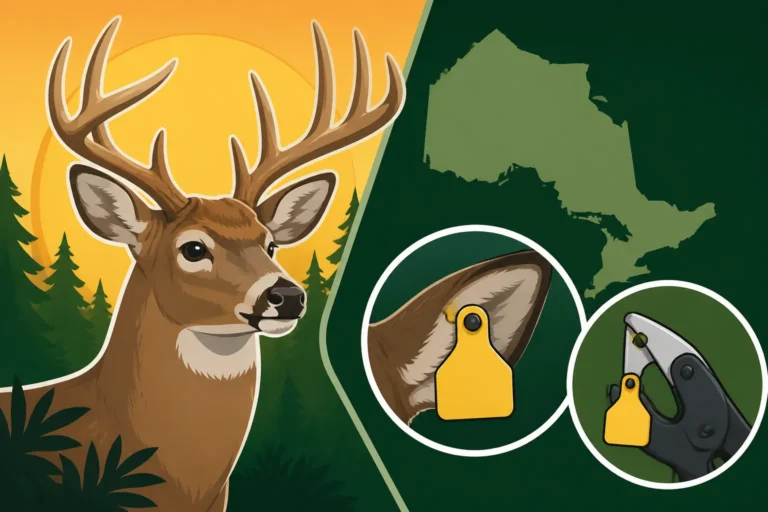
- White-tailed Deer: Whether you've filled an antlered tag, an antlerless tag, or a controlled hunt validation, every deer taken must be reported. This data is critical for understanding regional deer populations and the success of various management strategies. If you’ve been successful Hunting the Rut in Early to Mid November or put in the time during other seasons, don't forget this final step.
- Moose: This is perhaps the most scrutinized report, given the significance of moose populations in Ontario. Every moose harvested, whether a bull, cow, or calf, must be reported. The data helps the MNRF track herd health, success rates in different WMUs, and evaluate the effectiveness of the Ontario's Moose Tag Allocation Process.
- Black Bear: Both spring and fall bear harvests are mandatory to report. This information aids in monitoring bear populations, understanding distribution, and assessing the impact of hunting pressure in various regions, which is vital for maintaining healthy numbers under Ontario's Black Bear Rules.
- Elk: Though still a relatively niche hunt with limited draw opportunities, if you are one of the fortunate few to draw an elk tag, your harvest must be reported. This is especially important for monitoring the growth and spread of Ontario's restored elk herds.
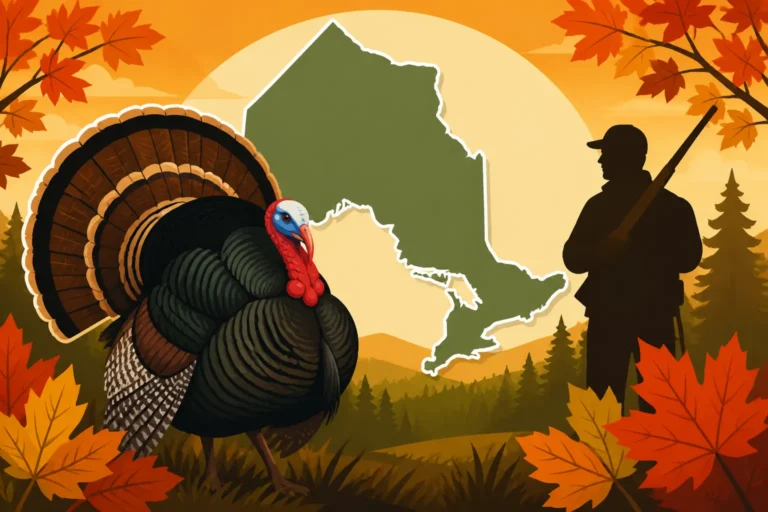
- Wild Turkey: Both spring and fall turkey harvests also require mandatory reporting. This helps the MNRF track population dynamics, breeding success, and the expansion of turkeys across the province, which is a fantastic Ontario's Wild Turkey Restoration Story.
These reports are typically submitted online through the province’s official hunting portal, which we'll discuss in detail shortly. It's not just about noting you got an animal; it's about the specifics: the WMU, the date, the sex, and for antlered animals, the number of antler points.
Other Species and Voluntary Reporting
For many other game species in Ontario, such as small game (like rabbits, squirrels, grouse), furbearers, and migratory birds (ducks, geese), mandatory harvest reporting is generally not required. Your daily and seasonal bag limits for these species are outlined in the hunting regulations summary, and while you must adhere to them, you don't typically need to submit a formal report for each individual animal taken.
However, that doesn't mean your input isn't valued! The MNRF often conducts voluntary surveys for small game and waterfowl hunters. Participating in these surveys, if you choose to, can provide invaluable data for species management, helping biologists understand population trends for Ruffed Grouse Hunting Ontario's Bush Roads or the health of Ontario's Ducks and Geese by Flyway. Keep an eye on the Ontario Hunting Regulations Summary for information on any current voluntary reporting programs or surveys you might be eligible to join. While not mandatory, your participation in these voluntary programs still makes a difference.
How to Navigate Ontario's Reporting System
Successfully harvesting an animal is the result of preparation, skill, and a little luck. Reporting that harvest, while less exciting, also requires a bit of preparation. Thankfully, Ontario has streamlined the process, making it relatively straightforward once you know the steps.
The Online Reporting Portal
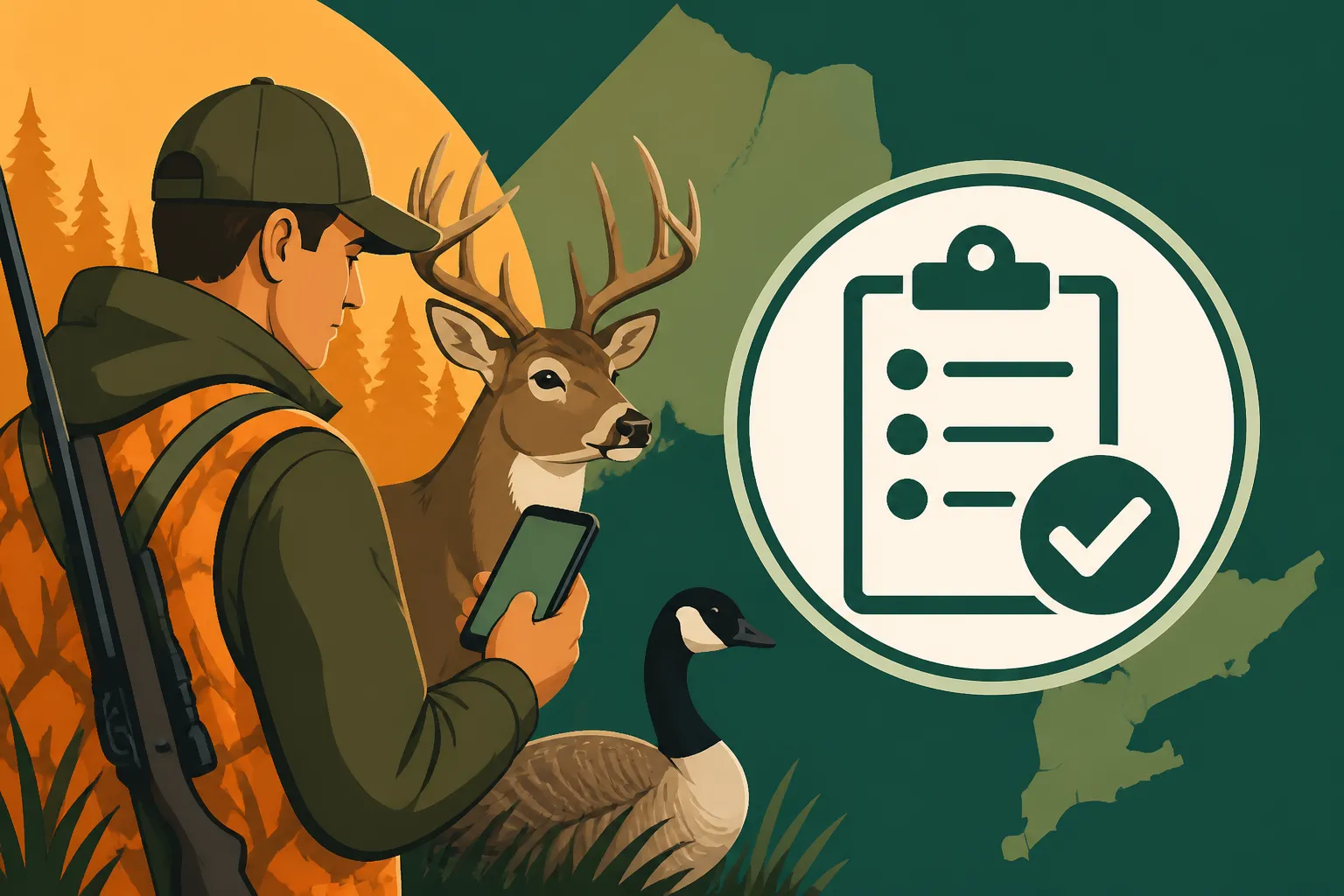
The primary method for reporting your mandatory harvest in Ontario is through the online system, accessible via the GoHunt portal. This is a dedicated platform designed to manage all your hunting and fishing licence needs, including harvest reporting. You'll need to log in using your Outdoors Card number and password.
- Access GoHunt: Head to the official Ontario.ca hunting and fishing licence website. Look for the "GoHunt" or "Fish and Hunt Online" link.
- Log In: Enter your Outdoors Card number and the password you created when you first purchased your Ontario's Outdoors Card Explained or renewed your licence. If you've forgotten your password, there's usually an easy recovery option.
- Navigate to Reporting: Once logged in, you'll typically see a section or tab dedicated to "Harvest Reporting" or "Report a Harvest." Click on this.
- Select Your Tag: The system will usually display any outstanding mandatory harvest tags you currently hold (e.g., deer, moose, bear, turkey). Select the specific tag you used for your harvest.
- Enter Details: This is where you fill in the specifics of your hunt. Be prepared with the information outlined in the next section.
- Review and Submit: Double-check all the entered information for accuracy. Once you're confident everything is correct, hit the submit button. You’ll usually receive a confirmation number or email, which is a good idea to keep for your records.
This online system is generally user-friendly, and it's available 24/7, meaning you can report your harvest at your convenience, whether it's right after the hunt or closer to the deadline.
Information You'll Need to Provide
To make your online reporting process as smooth as possible, have the following information readily available before you log in:
- Your Outdoors Card Number: This is your unique identifier as a hunter in Ontario.
- The Specific Tag Number: Each tag (e.g., deer, moose, bear) has a unique identifier printed on it. You'll need to enter the number from the tag you notched and affixed to your harvested animal.
- Wildlife Management Unit (WMU) Where Harvested: This is incredibly important. You need to know the specific WMU (e.g., 42, 60B, 87A) where you harvested the animal. If you hunt an area that borders multiple WMUs, be precise about where the animal was actually taken. Knowing your Ontario's Wildlife Management Unit System is crucial here.
- Date of Harvest: The exact date you harvested the animal.
- Sex of the Animal: Was it a male or a female?
- Antler Points (for antlered deer/moose/elk): For antlered animals, you'll need to count the number of points on one side of the antler, or both sides if required by specific regulations (check your summary!). For deer, this often refers to points greater than 1 inch.
- Weapon Type: Indicate the type of weapon used for the harvest (e.g., rifle, shotgun, bow, muzzleloader).
- Residency: Confirm whether you are an Ontario resident or a non-resident hunter.
Taking a quick photo of your notched tag and the animal before you start field dressing can be a lifesaver, ensuring you have all the details accurately recorded.
Deadlines and Consequences of Non-Compliance
Each mandatory reporting species has a specific deadline by which your harvest must be reported. These dates are clearly outlined in the annual Ontario Hunting Regulations Summary, which you should always consult. Generally:
- Deer: Within seven days of harvest.
- Moose: Within seven days of harvest.
- Black Bear: Within seven days of harvest.
- Elk: Within seven days of harvest.
- Wild Turkey: Within seven days of harvest.
Missing these deadlines isn't just a minor oversight; it can carry significant consequences. Failing to report a mandatory harvest is a violation of the Fish and Wildlife Conservation Act. Penalties can range from fines to the suspension of your hunting privileges. Imagine getting your hunting licence revoked for a season or more, simply because you forgot to submit a report! It’s a harsh reality, but it underscores the importance the province places on this data. It's a key part of your responsibility as a hunter, right up there with knowing your Ontario Hunter Education Requirements and following safety protocols.
Common Hurdles and How to Overcome Them
Life happens, and sometimes, even with the best intentions, reporting your harvest can present a few challenges. Whether it's a lost piece of paper or a patchy signal, anticipating these hurdles can help you overcome them quickly and stay compliant.
Losing Your Tag or Outdoors Card Details
We've all been there: fumbling through pockets, rummaging through gear, only to realize that crucial piece of paper with your tag number or Outdoors Card information is nowhere to be found. It's a frustrating moment, especially when you're ready to report.
- Pre-Hunt Preparation: Before you even head out, take a clear photo of all your licences and tags with your smartphone. Better yet, print a backup copy of your Outdoors Card and all issued tags. This digital or physical backup can be a lifesaver. You can also typically carry your licence on your phone, but a physical backup is always a good idea in case of a dead battery.
- Online Retrieval: If you've lost your Outdoors Card number or forgotten your password for the GoHunt portal, don't panic. The system usually has a "Forgot Outdoors Card number" or "Forgot password" link that allows you to retrieve this information using your email address or other personal details. This applies to your Ontario Resident Licence Options and any associated tags.
- Contact the MNRF: If all else fails and you can't access your information online, you can contact the MNRF directly. They can assist you in retrieving your Outdoors Card number and potentially help with your reporting, though this should be a last resort.
Remote Areas and Lack of Connectivity
Hunting often takes us to remote corners of Ontario where cell service is a distant dream. This can be a real problem when you're trying to meet a seven-day reporting deadline but won't be back in civilization for ten.
- Plan Ahead for Offline Data Collection: Don't rely on being able to report from your treestand. Instead, carry a small waterproof notebook and pen. Immediately after harvest, meticulously write down all the required details: date, time, WMU, sex, antler points, tag number, and the weapon used. This way, when you do get back to an area with service or internet, you have all the information ready to input into the GoHunt portal.
- Utilize Satellite Devices: If you frequently hunt in remote areas, consider investing in a satellite messenger device like an inReach or Zoleo. While primarily for emergency communication, some of these devices allow for basic text messaging or email, which might be used to send your report details to a trusted friend or family member who can submit it for you (ensure they have all your necessary details beforehand and you trust them implicitly with this critical task).
- Report Upon Return: The seven-day clock starts ticking from the date of harvest. If you're going to be out of service for longer than that, you need to be strategic. Plan to report as soon as humanly possible upon your return to connectivity. While it's best to adhere strictly to the deadline, the MNRF typically understands challenges associated with truly remote hunts, but proactive documentation and prompt reporting upon return are key.
The Learning Curve for New Hunters
For those new to hunting in Ontario, the entire licensing and reporting process can seem overwhelming. There are so many rules, dates, and requirements to keep track of, and it’s easy to feel lost amidst it all.
- Buddy System: If you're a new hunter, pair up with an experienced mentor or friend. They can guide you through the process, from Getting an Ontario Outdoors Card to understanding tag notching and harvest reporting. Their firsthand experience can demystify much of the bureaucracy.
- Read the Regulations Summary Thoroughly: It sounds obvious, but many new hunters skim the regulations. The Ontario Hunting Regulations Summary is your bible. Read it cover to cover, paying close attention to the sections on mandatory reporting for each species you plan to hunt. Highlight key dates and requirements.
- Utilize Online Resources: Beyond this guide, the MNRF website is packed with helpful information, FAQs, and even instructional videos on how to use the GoHunt portal. Don't be afraid to dig into these resources.
- Practice Reporting: You can't actually practice reporting a real harvest, but you can familiarize yourself with the GoHunt portal beforehand. Log in, click around (without actually submitting anything!), and see where the harvest reporting section is. This will make the actual process much less daunting when the time comes.
Remember, every experienced hunter was once a new hunter. Don't be shy about asking questions and seeking clarification. It's far better to ask than to unknowingly violate a regulation.
Here's a quick reference table to help keep things straight:
| Species | Mandatory Reporting? | Reporting Method | General Deadline | Key Info Needed (Beyond Basics) |
|---|---|---|---|---|
| White-tailed Deer | Yes | GoHunt Online | Within 7 days of harvest | WMU, Sex, Antler Points (if applicable), Weapon Type |
| Moose | Yes | GoHunt Online | Within 7 days of harvest | WMU, Sex, Antler Points (if applicable), Weapon Type |
| Black Bear | Yes | GoHunt Online | Within 7 days of harvest | WMU, Sex, Weapon Type |
| Wild Turkey | Yes | GoHunt Online | Within 7 days of harvest | WMU, Sex, Weapon Type |
| Elk | Yes | GoHunt Online | Within 7 days of harvest | WMU, Sex, Antler Points (if applicable), Weapon Type |
| Small Game | No (Voluntary Surveys May Exist) | N/A (Online Surveys) | N/A | N/A |
| Waterfowl | No (Voluntary Surveys May Exist) | N/A (Online Surveys) | N/A | N/A |
| Furbearers | No (Trappers Report Separately) | N/A | N/A | N/A |
Disclaimer: Hunting regulations, including reporting requirements and deadlines, can change. Always consult the most current Ontario Hunting Regulations Summary for the definitive and up-to-date information before heading out on any hunt. This guide is for informational purposes only and should not be considered a substitute for official government documents.