Ontario’s Wild Turkey Restoration Story
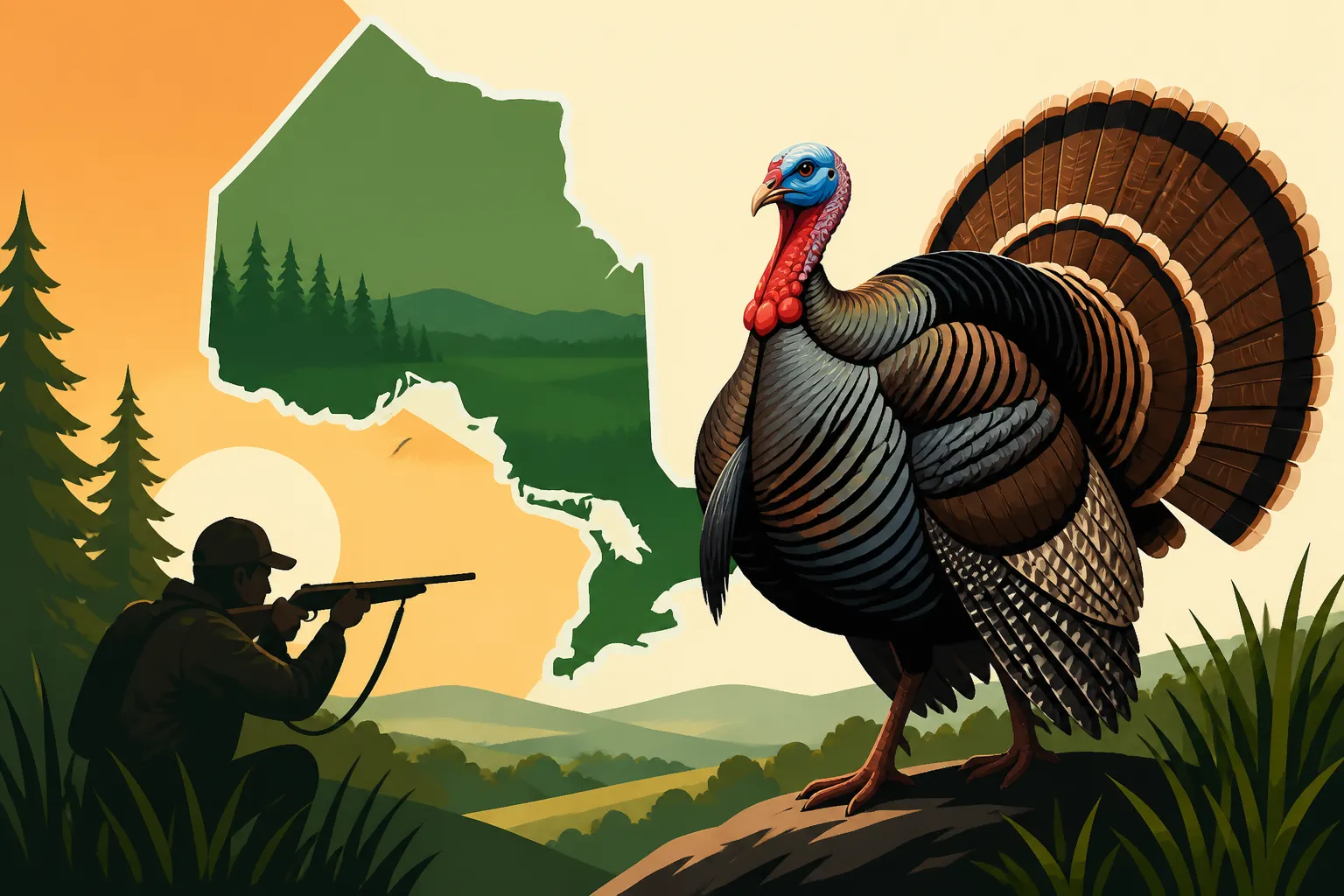
For decades, the vibrant gobble of a wild turkey was nothing more than a distant echo in Ontario's vast wilderness, a sound utterly lost to time. It’s hard to believe now, given how common they are in many areas, but these magnificent birds were completely extirpated from our province. The thought of Ontario without wild turkeys can be disheartening for anyone who cherishes our natural heritage, but their incredible comeback is a testament to what dedicated conservation can achieve, and this guide will take you through every step of that inspiring journey.
The Historical Decline of Wild Turkeys in Ontario
It’s easy to look at the thriving populations of wild turkeys we have today and forget that there was a time when they were entirely gone from Ontario. This wasn't a sudden disappearance but a slow, grinding loss driven by a combination of factors that, in hindsight, seem almost inevitable given the historical context. Understanding this decline is crucial to appreciating the magnitude of their return.
Overhunting and Habitat Loss: A Double Whammy
The primary culprits behind the wild turkey's disappearance in Ontario were undoubtedly unregulated hunting and widespread habitat destruction. In the early days, before any real understanding of wildlife management, hunting was often driven by necessity and lacked any thought for sustainable harvest. Market hunting for meat and feathers, coupled with a lack of season limits or bag restrictions, put immense pressure on turkey populations. Imagine a time when you could simply shoot as many birds as you wanted, whenever you wanted – it's a stark contrast to today's carefully managed seasons and bag limits.
Simultaneously, as European settlers pushed northward and westward across Ontario, forests were cleared at an alarming rate. These weren't just small woodlots; vast tracts of diverse woodland, which provided critical food and cover for turkeys, were felled for agriculture, timber, and settlement. Turkeys need a mosaic of mature forests for roosting and foraging, open fields for insect hunting and breeding displays, and dense undergrowth for nesting and brood rearing. When these varied habitats were replaced by monoculture farms or completely removed, the turkeys simply had nowhere left to go, leading to a profound impact on their ability to survive and reproduce.
The Vanishing Act: When Turkeys Disappeared
By the early 20th century, the evidence was clear and grim: wild turkeys were gone from Ontario. The last confirmed native wild turkey sighting in the province is generally placed around 1909, though some reports suggest scattered birds might have persisted a little longer in isolated pockets. Regardless, by the 1920s, it was widely accepted that they were locally extinct. For generations, the only turkeys anyone in Ontario would see were the domestic birds on farms, a far cry from the wary, intelligent wild birds that once roamed the bush.
This absence wasn't just a loss for hunters; it was an ecological void. Turkeys play a vital role in forest ecosystems, helping with seed dispersal and insect control. Their absence meant a piece of Ontario's natural fabric was missing. For those who grew up hearing stories of their grandparents seeing turkeys but never experiencing it themselves, it was a tangible reminder of what had been lost. The dream of hearing a wild gobble again seemed almost impossible, but thankfully, that dream eventually started to take shape.
The Grand Comeback: Ontario's Wild Turkey Reintroduction Program
The journey to bring wild turkeys back to Ontario was long, arduous, and full of uncertainty. It wasn't a simple matter of releasing a few birds and hoping for the best. It required careful planning, scientific understanding, and the relentless dedication of countless individuals and organizations.
The Relocation Strategy: Bringing Birds Back Home
The core of Ontario's wild turkey restoration strategy revolved around a technique known as "trap and transfer." This wasn't about raising pen-reared birds and releasing them – experience had shown that captive-bred turkeys lacked the survival instincts of their wild counterparts. Instead, the plan was to capture healthy, wild turkeys from thriving populations in other jurisdictions and release them into suitable habitats in Ontario.
These wild birds, having lived their entire lives navigating natural threats and finding sustenance, were far better equipped to establish new populations. In the late 1980s and early 1990s, Ontario began receiving wild turkeys from states like Michigan, Missouri, New York, and Vermont. Imagine the logistics involved: trapping these wary birds, ensuring their health during transport, and then carefully releasing them into carefully selected areas within Ontario. These initial groups, often numbering 20-30 birds, were the crucial pioneers, tasked with rebuilding a species that had been absent for nearly a century. This was a true undertaking of passion and patience, with conservationists hoping that these initial releases would form the foundation of a self-sustaining population.
Partnerships for Success: OFAH and MNRF Efforts
No single entity could have achieved this monumental task alone. The success of the wild turkey reintroduction is a shining example of effective collaboration between government agencies and conservation organizations. The Ontario Federation of Anglers and Hunters (OFAH) spearheaded much of the public-facing effort, coordinating fundraising, volunteer efforts, and community engagement. Their members were instrumental in scouting potential release sites, monitoring new populations, and educating the public.
The then-Ontario Ministry of Natural Resources (MNR, now MNRF – Ministry of Natural Resources and Forestry) provided the scientific expertise, regulatory framework, and logistical support. They determined suitable habitats, managed the permits for inter-state transfers, and oversaw the health and genetics of the introduced birds. This partnership was vital; the OFAH brought the passion and grassroots support, while the MNRF provided the scientific backbone and official capacity. Many volunteers spent countless hours on the ground, sometimes in challenging conditions, checking release sites and reporting sightings, showcasing a true dedication to the cause. For anyone passionate about conservation, this story really highlights the power of collective action.
Initial Releases and Their Impact
The first wild turkey releases in Ontario took place in the late 1980s, primarily in areas of southern Ontario that offered a mix of agricultural land and mature woodlots – habitats that closely mimicked what wild turkeys need. Places like Hastings, Northumberland, and Frontenac counties were among the initial recipients. It wasn't always smooth sailing; some early releases struggled, encountering harsh winters, high predation, or simply failing to establish breeding populations. There were undoubtedly moments of frustration and doubt for those involved.
However, the resilience of the wild turkey, combined with persistent efforts and strategic site selection, began to pay off. As the birds adapted to their new homes, populations slowly but steadily grew. The sight of the first successful broods of poults was a huge morale boost for everyone involved, signaling that their hard work was genuinely making a difference. Each successful breeding season meant exponential growth, and within a few years, those initial small flocks started expanding their range, gobbling for the first time in places where the sound hadn't been heard for generations.
Where Ontario Turkeys Have Spread and Thrived
Once the initial hurdle of re-establishing populations was cleared, the wild turkeys demonstrated an incredible ability to adapt and expand their territory across the province. Their spread has been far more extensive than many initially anticipated, showing just how robust and adaptable these birds truly are.
From Southern Farmland to Forested Edges
Wild turkeys initially thrived in southern Ontario, particularly in regions characterized by a mix of agricultural fields and extensive woodlots. This kind of "edge habitat" provides everything a turkey needs: open areas for foraging on insects, seeds, and waste grain, and dense timber for roosting safely at night and finding cover from predators. Areas like Norfolk County, known for its diverse agriculture, and the Kawartha Lakes region with its blend of farms and forests, quickly saw booming turkey numbers.
However, the birds didn't stop there. Over time, they demonstrated their adaptability by pushing into more forested, less agricultural regions, including parts of central Ontario's mixed forests. While the dense, unbroken boreal forest of the far north still poses a challenge, turkeys have successfully colonized areas with a mosaic of deciduous and coniferous stands, small clearings, and access to water. You can now find thriving populations in areas like the Bancroft Highlands, and even further east towards the Ottawa Valley, demonstrating their ability to utilize different forest types as long as critical resources are available. It's a fantastic testament to their tenacity.
The Role of Food Sources and Habitat Diversity
The rapid expansion of wild turkeys is largely due to the abundance and diversity of food sources available across Ontario's varied landscape. Turkeys are opportunistic omnivores, meaning they'll eat just about anything they can get their beaks on. This includes acorns, beech nuts, wild berries, agricultural crops like corn and soybeans, and a huge variety of insects, especially during the spring and summer when poults need high-protein diets.
The diversity of Ontario's habitats – from the rich agricultural soils of the southwest to the mixed hardwoods and pines of central Ontario – provides a year-round pantry for these birds. A good year for acorn production in a hardwood ridge, for example, can significantly boost turkey survival rates through the winter. Conversely, a poor mast crop can lead to increased stress and mortality. Having access to different food sources in various habitats acts as a buffer against shortages, allowing turkeys to adapt to changing conditions. This makes tools like GoHunt invaluable for hunters looking to scout areas with diverse food sources, helping them pinpoint where turkeys are likely to be concentrating.
Why Deep Snow Limits Turkey Range
While turkeys have proven incredibly adaptable, there are still natural boundaries to their expansion, with deep snow being one of the most significant limiting factors. Wild turkeys are ground-dwelling birds for much of their daily activity, foraging for food by scratching through leaf litter and snow. When snow depths consistently exceed about 10-12 inches (25-30 cm), it becomes incredibly difficult for them to access food on the ground. This is particularly challenging in more northern regions of Ontario where heavy snowfalls are common and persist for long periods.
Even if they can find food, the energy expenditure required to move through deep snow can be debilitating, especially during prolonged cold snaps. Their long legs aren't built for wading through deep drifts like a moose or deer. This is why you tend to find strong turkey populations in areas where winters are milder or where snow cover is intermittent, allowing them to consistently access ground-level food sources. As you move further north in Ontario, the consistent deep snow means a natural barrier to their permanent establishment, influencing Why Deep Snow Limits Turkey Range.
Life on the Edge: Challenges and Management of Ontario's Wild Turkey Population
Despite their remarkable success, Ontario's wild turkey populations face ongoing challenges. Maintaining healthy, sustainable numbers requires continuous monitoring and adaptive management strategies. It’s not a "set it and forget it" situation; nature is constantly throwing new curveballs.
Predation and Disease: Natural Pressures
Wild turkeys are part of a complex ecosystem, and like all wildlife, they contend with natural predators and diseases. Coyotes, foxes, raccoons, opossums, and various raptors (hawks and owls) all pose threats, especially to nests, poults, and even adult birds. A hen sitting on a nest is particularly vulnerable to mammalian predators, and newly hatched poults are easy targets for almost anything that eats meat. It's a tough life out there, and while predation keeps populations healthy by culling weaker individuals, excessive predation can hinder local turkey numbers.
Diseases can also play a role, though often less dramatically than in more confined animal populations. Avian pox, blackhead disease, and parasitic infections are some of the ailments that can affect turkeys. While healthy, dispersed populations are generally resilient, localized outbreaks can occur. The MNRF continually monitors bird health and population dynamics to detect any widespread issues that might require intervention, but for the most part, natural checks and balances keep things in equilibrium.
Weather Extremes and Their Influence
Ontario's weather is famously unpredictable, and extreme conditions can have a significant impact on wild turkey survival. Harsh, prolonged winters with deep snow and ice, as we discussed, can make foraging nearly impossible, leading to starvation. Conversely, unusually cold and wet springs can be devastating for poult survival. Young turkeys are particularly susceptible to hypothermia in their first few weeks of life, and heavy, cold rains can wipe out entire broods.
Droughts in late summer can also impact food availability, especially if it affects berry crops or insect populations. These weather events are natural fluctuations that populations generally recover from, but a series of bad years can set back local turkey numbers considerably. Hunters often feel these effects directly; a tough winter might mean fewer birds in the woods the following spring, leading to tougher hunting conditions and sometimes adjusting expectations on Ontario Turkey Bag Limits. Being observant of weather patterns and their potential impact is key for anyone serious about hunting or conservation.
Balancing Act: Ongoing Management Strategies
Effective management of Ontario's wild turkey population is a continuous balancing act. The goal is to ensure sustainable populations that provide recreational opportunities while maintaining ecological health. This involves annual population surveys, habitat assessments, and careful regulation of hunting seasons and bag limits. The MNRF uses data from harvest reports, hunter surveys, and field observations to make informed decisions about turkey management.
For instance, if population models suggest a decline in a particular Wildlife Management Unit (WMU), adjustments to season lengths or bag limits might be considered. Conversely, in areas with booming populations, seasons might be more liberal. The aim is to allow for recreational harvest without negatively impacting the long-term health of the species. Furthermore, habitat improvement projects, such as prescribed burns or selective logging to create varied forest structure, are sometimes implemented to enhance turkey range. This proactive approach ensures that Ontario’s wild turkeys continue to thrive for future generations.
The Hunter's Role in Turkey Conservation and Management
While the wild turkey restoration was a collective effort, hunters have played an undeniable and critical role, not just in supporting the reintroduction but in the ongoing management and funding of these magnificent birds. It's a relationship deeply rooted in conservation ethics.
Regulated Seasons and Sustainable Harvest
One of the cornerstones of modern wildlife management is regulated hunting, and wild turkeys in Ontario are a prime example of its success. Spring turkey hunting seasons are carefully designed to allow for the harvest of gobblers (adult males) after they have had a chance to breed. This approach minimizes impact on the reproductive capacity of the flock. When Ontario's Spring Turkey Season Runs is calculated to coincide with peak breeding activity, allowing hunters to target vocal, visible gobblers.
Fall seasons, where they are permitted, often allow for the harvest of either sex, but these seasons are generally shorter and have lower bag limits to prevent overharvest. This careful control ensures that populations remain healthy and resilient. For hunters, these regulations are not just rules but a commitment to the species. We understand that by adhering to these guidelines, we contribute directly to the ongoing health of the turkey population, ensuring that there are birds for years to come.
Funding Conservation Through Licences
It's a common misconception that conservation efforts are solely funded by government taxes. In reality, hunters are major contributors to wildlife conservation through the purchase of hunting licences and tags. In Ontario, when you purchase your Ontario Wild Turkey Licences and Tags, a significant portion of that revenue goes directly into wildlife management, research, and habitat protection programs. This "user-pay, user-benefit" model is incredibly effective.
This funding supports everything from population surveys and disease monitoring to habitat restoration projects and enforcement against poaching. Without the financial contributions of hunters, many of the successful reintroduction stories, including that of the wild turkey, would simply not have been possible. It's a direct investment by hunters into the very wildlife they cherish and pursue, a cyclical relationship where the passion for hunting fuels the protection of the hunted species. Organizations like OFAH continue to advocate for this funding model and engage hunters directly in conservation work.
Ethical Hunting and Turkey Behavior
Beyond financial contributions and adherence to regulations, ethical hunting practices are paramount to the continued success and public acceptance of wild turkey hunting. This includes fair chase principles, ensuring clean kills, and respecting private property. Understanding turkey behaviour is also key, whether you're trying Calling a Gobbler Off an Ontario Roost or carefully choosing your Decoy Placement for Pressured Ontario Gobblers. Knowing When Ontario Gobblers Go Quiet in Late May can inform your strategies.
Hunters often spend countless hours scouting, learning turkey vocalizations, and honing their calling skills. This deep engagement fosters a profound appreciation for the birds and their environment. Moreover, reporting harvests, as required by the MNRF, provides vital data that feeds back into population management models, creating a truly integrated conservation loop. Tools like GoHunt can help hunters scout new areas and understand terrain features that influence turkey movement, further enhancing ethical hunting success. The hunter, far from being just a harvester, acts as a dedicated steward, playing an active and responsible role in the long-term health of Ontario's wild turkey population.
The Future of Ontario's Wild Turkeys
The wild turkey restoration in Ontario stands as a monumental achievement, a shining example of what passionate people and sound scientific management can accomplish. However, the work is never truly done. Maintaining healthy populations and adapting to new challenges is an ongoing commitment.
Expanding Range and Population Stability
Currently, Ontario's wild turkey populations are considered stable and continue to expand into suitable habitats, especially within central and eastern regions of the province. While the extreme north will likely remain a challenge due to persistent deep snow, turkeys are showing incredible resilience in colonizing new niches. There's always excitement about where they might pop up next.
Monitoring remains crucial, especially as populations reach carrying capacity in some areas, or as they encounter new environmental pressures. Wildlife managers are constantly assessing population health, looking at factors like reproductive success, survival rates, and hunter harvest data to ensure that numbers remain robust. The goal isn't just to have turkeys, but to have thriving, ecologically sound turkey populations throughout their viable range.
New Challenges and Conservation Efforts
As successful as the restoration has been, new challenges are always on the horizon. Climate change, with its potential for more extreme weather events, could impact turkey populations. Changes in land use, such as urban sprawl encroaching on prime turkey habitat, also present ongoing concerns. Disease monitoring will always be important, especially with the potential for new pathogens.
Conservation efforts are now shifting from pure reintroduction to long-term habitat management and monitoring. This includes working with landowners to create turkey-friendly habitats, mitigating the impacts of development, and continuing research into turkey ecology and behaviour. Education also plays a huge role; ensuring the public understands the value of wild turkeys and the importance of responsible management is key to their continued success. Groups like the OFAH, along with the MNRF, continue to lead these efforts, ensuring a bright future for these magnificent birds.
The Legacy of a Successful Restoration
The wild turkey restoration is more than just a wildlife success story; it's a powerful narrative of hope, collaboration, and the positive impact humans can have when they commit to restoring what was lost. For hunters, it means the joy of pursuing a challenging and rewarding game bird, experiencing the thrill of a spring morning gobble, or learning how to approach a flock during Hunting the Fall Turkey Season With a Bow or by Breaking Up a Fall Turkey Flock.
For naturalists and outdoor enthusiasts, it means the return of a iconic species to our forests, enriching biodiversity and adding to the natural symphony of the Ontario bush. The ability to see wild turkeys foraging in a field or roosting in a tall tree is a reminder that with dedication and effort, we can indeed bring back species from the brink. It’s a legacy that every Ontarian can take pride in, a testament to what we can achieve when we prioritize the health of our natural world.
| Year Range | Primary Source Regions | Key Release Areas | Estimated Population (approx.) | Status |
|---|---|---|---|---|
| 1900-1920 | N/A | N/A | 0 | Extinct |
| 1980s | Michigan, Missouri | Hastings, Northumberland | 500-1,000 | Reintroduction Begins |
| 1990s | New York, Vermont | Frontenac, Durham | 5,000-10,000 | Growing Steadily |
| 2000s | Intra-provincial transfers | Widespread Southern Ontario | 25,000-50,000 | Rapid Expansion |
| 2010s-Present | Self-sustaining, natural spread | Central & Eastern Ontario | 70,000-100,000+ | Stable, Thriving |
Disclaimer
Please be aware that hunting regulations and wildlife management strategies in Ontario are subject to change. Always consult the most current official Ontario Hunting Regulations Summary published by the Ministry of Natural Resources and Forestry (MNRF) before planning any hunting activity. This guide is for informational purposes only and does not supersede official government documentation.