What Climate Shift Means for Ontario Game
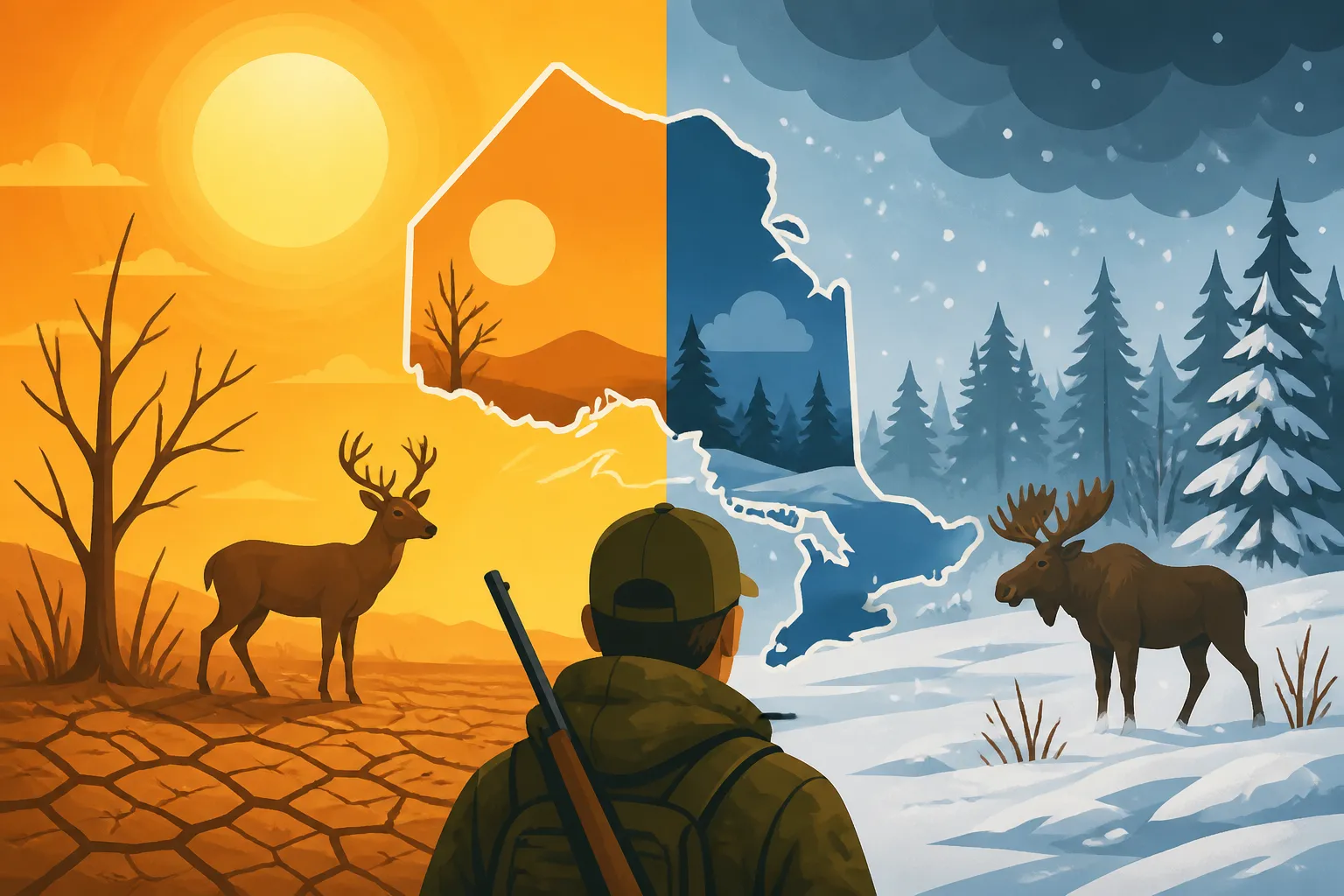
For those of us who spend our seasons in Ontario's bush, fields, and wetlands, there's an undeniable feeling that things are shifting. The weather patterns feel different, the timing of age-old events seems off, and these changes are having a real impact on the game we pursue. This guide dives deep into what climate shifts mean for hunting in Ontario, exploring how our cherished wildlife is adapting and what we, as hunters, can expect and do to adapt ourselves.
How Changing Winters Impact Ontario's Iconic Big Game
Our winters here in Ontario have always been a defining force for wildlife. Deep snow, long periods of extreme cold, and the duration of these conditions have historically shaped deer populations, moose health, and bear denning habits. But with what many are observing as milder, shorter, or more erratic winters, these traditional patterns are being disrupted, creating both challenges and, occasionally, unexpected opportunities for our big game species.
Whitetail Deer: The Double-Edged Sword of Milder Winters
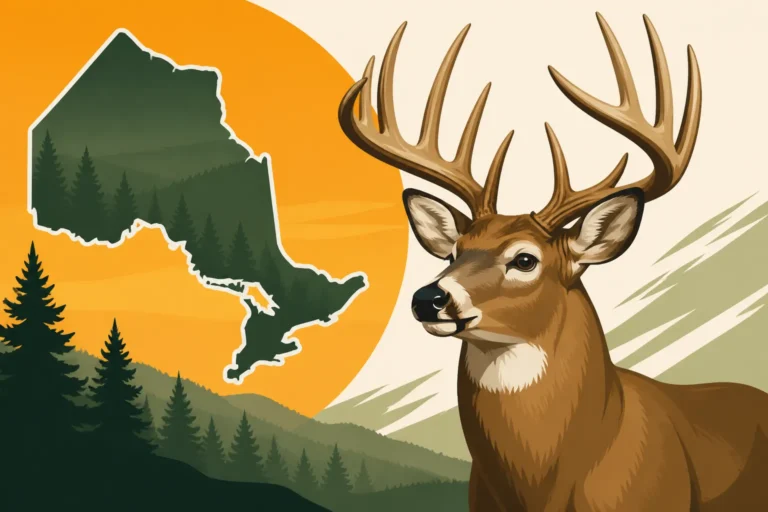
For whitetail deer, milder winters can seem like a blessing at first glance. Less snow means easier movement, less energy expended, and better access to forage throughout the cold months. This often translates to higher fawn survival rates and deer entering spring in much better condition, which can lead to increased population numbers and even better antler growth in the following season. We've seen areas of southern and central Ontario where deer numbers have certainly benefited from easier winters. However, the picture isn't entirely rosy. A significant concern is the increased survival of parasites, particularly winter ticks, which thrive in milder conditions. These tiny menaces can still greatly impact deer health, especially fawns and older animals, even without deep snow. It's a complex dynamic, where a lack of snow might alleviate one stressor but allow another to flourish. Hunters need to be aware that even if deer look healthy, internal parasite loads could be a silent factor. You can learn more about What a Hard Ontario Winter Culls and How Deep Snow Shapes Ontario Game to understand the historical context.
Moose: Struggling Against the Warmth
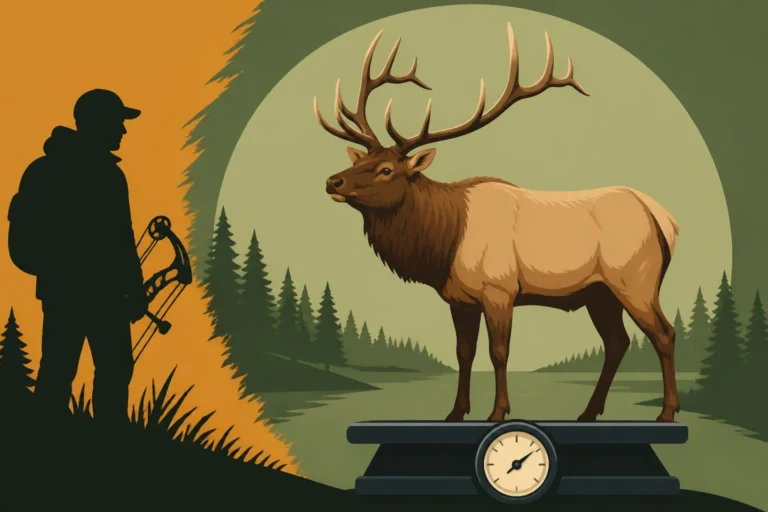
For our majestic moose, milder winters are generally bad news, unfortunately. Moose are incredibly well-adapted to cold, with long legs for deep snow and thick coats that keep them insulated. When temperatures rise, especially late into the fall or early spring, moose can suffer from heat stress. This stress burns vital energy and can weaken their immune systems, making them more susceptible to disease and parasites. The infamous winter tick is a major culprit here, too. Milder winters mean more ticks survive, leading to heavier infestations on moose. These ticks can literally bleed a moose to death or cause severe hair loss, leading to hypothermia when a cold snap eventually hits. This is a significant factor in Why Ontario Moose Numbers Fell and How Winter Ticks Affect Moose Survival. The long-term trend of warming winters poses a serious threat to moose populations, pushing their range further north and reducing their overall health and productivity in more southerly areas where they once thrived.
Black Bears: Shifting Denning and Foraging Patterns
Black bears are also feeling the shift. Their annual cycle is intrinsically linked to the seasons: denning when food is scarce and emerging when it returns. Milder falls might mean bears stay out of their dens longer, trying to pack on more fat if food is still available. Conversely, an early warm spell in spring can wake them up prematurely, often before natural food sources like berries, nuts, and green vegetation are readily available. This can lead to increased human-bear conflicts as hungry bears venture into populated areas seeking easy meals. A delayed denning or early emergence can also affect reproductive success, as the timing of breeding and cub rearing is finely tuned to environmental cues. While bears are incredibly adaptable, these shifts add another layer of stress to their survival strategies, impacting their overall health and population dynamics.
Shifting Seasons and Their Ripple Effect on Game Birds and Small Game
It's not just the big game feeling the crunch of a changing climate; our smaller game animals and game birds are also navigating new seasonal rhythms. The timing of migrations, breeding, and food availability are all crucial for these species, and any disruption can have significant consequences for their populations and for hunters.
Waterfowl: Unpredictable Migrations and Staging Areas
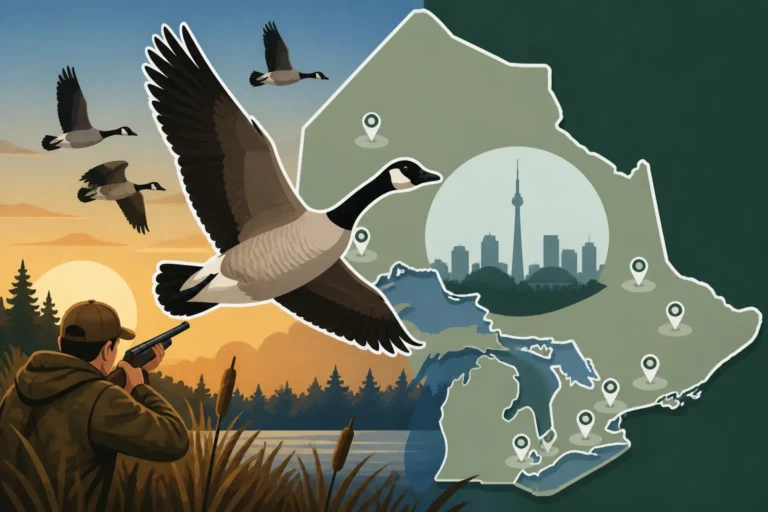
Waterfowl are perhaps some of the most visible indicators of climate shifts. Their migration patterns are primarily driven by temperature and the availability of open water and food. Milder falls mean ducks and geese may linger longer in northern staging areas, delaying their southward journey. When they do decide to move, the traditional "pushes" of birds we once expected might become more erratic. Conversely, an earlier spring thaw can cause them to return to breeding grounds sooner. This unpredictability makes it challenging for hunters who rely on historical migration timing. Furthermore, changes in wetland health—due to altered precipitation patterns, prolonged droughts, or intense rainfall leading to flooding—directly impact the availability of suitable habitat, both for breeding and during migration. As avid hunters using the GoHunt app to track weather trends know, understanding these shifting patterns is becoming paramount. The availability of food and water sources throughout the province, vital for species that depend on Why Lake St. Clair Draws So Many Ducks, could also see major changes.
Wild Turkeys and Upland Birds: Timing is Everything
For wild turkeys, the timing of spring green-up and insect hatches is critical for poult survival. Milder springs can mean an earlier emergence of insects, providing a vital food source for young turkeys. However, more volatile weather, like late-season heavy rains or cold snaps, can be devastating to vulnerable poults. The range of wild turkeys is largely dictated by winter severity; Why Deep Snow Limits Turkey Range is a real factor. If winters become consistently milder, we might see their populations continue to expand into areas once considered too harsh. For upland birds like ruffed grouse, changes in forest composition and understory due to altered growing seasons and potential drought stress could impact their habitat. An early spring combined with a late frost can damage crucial berry crops, directly affecting the autumn food supply for these birds, making their populations more volatile year-to-year.
Small Game: Habitat Changes and Interconnected Lives
Small game species like snowshoe hare, cottontail rabbits, and various furbearers are deeply tied to their immediate environment. Changes in snowfall patterns can affect snowshoe hare camouflage, leaving them more vulnerable to predators if the snow comes late or melts early. Altered vegetation growth due to extended growing seasons or droughts can impact food availability and protective cover for rabbits and hares. Even the timing of insect emergence can affect species like woodcock, which rely on specific soil conditions for probing. Many of these species are interconnected in the food web; for example, lynx populations famously follow the Lynx and the Snowshoe Hare Cycle. Any climate-induced stressor on one species can have a ripple effect throughout the ecosystem. Tools like GoHunt can help hunters keep an eye on changing habitat conditions and predict where small game might be found.
Habitat Transformations and Species Range Adjustments
Climate shifts aren't just altering the timing of events; they're fundamentally changing the landscapes our game calls home. From the boreal forests of the north to the agricultural lands of the south, habitats are transforming, leading to species expanding, contracting, or shifting their geographical ranges. These changes present both ecological challenges and new considerations for hunters planning their seasons.
The Boreal Forest: A Slow March Northward
Ontario's vast boreal forest, home to moose, black bears, and a variety of furbearers, is particularly vulnerable to warming temperatures. As the climate warms, the southern edge of the boreal forest is slowly receding northward, replaced by mixedwood or even more temperate forest species. This process, while gradual, can mean a loss of critical habitat for species specifically adapted to the boreal. For moose, this means their optimal habitat is shrinking in the south, while other species, like whitetail deer, might push further into what was traditionally moose country. This overlap can lead to increased competition for resources and potentially the spread of diseases, such as brainworm, which deer carry but is often fatal to moose. What Wildfire Does to Ontario Game Range is another critical factor here; increased frequency and intensity of wildfires, often linked to drier, warmer conditions, reshape the landscape dramatically, creating both new opportunities and challenges for wildlife and hunters alike. Using platforms like GoHunt for mapping and understanding these shifting forest types will become increasingly important.
Wetlands and Waterways: A Precarious Balance
Ontario's wetlands are crucial nurseries and feeding grounds for countless species, especially waterfowl. Climate change can bring more intense rainfall events, leading to increased flooding in some areas, or prolonged droughts, causing wetlands to shrink or dry up entirely in others. These unpredictable water levels severely impact breeding success and food availability. For example, Why Wetland Loss Hurts Ontario Ducks is a serious concern, as ducks rely on stable water levels and diverse vegetation for nesting and rearing young. Changes in ice cover duration on lakes and rivers also affect waterfowl access to food and resting areas. Furthermore, invasive species, often thriving in disturbed or warmer conditions, can further degrade wetland quality, outcompeting native vegetation and reducing biodiversity, impacting the food sources available to game.
Agricultural Lands: Extended Growing Seasons and New Challenges
In southern Ontario, our rich agricultural lands are also seeing changes. Extended growing seasons, while beneficial for farmers, can alter the availability of cover and food for game species like deer, wild turkeys, and pheasants. Crops may mature differently, offering concealment for longer or being harvested earlier, changing how deer and other animals utilize these fields. This can also influence pest insect populations, which in turn affect species that feed on them. Hunters pursuing Hunting Deer in Southern Ontario Farmland need to be particularly attuned to these annual variations in crop cycles and how they affect deer movement and bedding areas. The interplay between natural cover, crop types, and harvest dates will become even more dynamic, requiring hunters to be more adaptable in their scouting and hunting strategies.
Adapting Our Hunting Strategies in a Changing Climate
Given these widespread shifts, it's clear that hunters in Ontario can't simply rely on past traditions. Adaptation is key to continuing our hunting heritage ethically and effectively. This means embracing new knowledge, adjusting our timing, and becoming even more attuned to the nuances of our environment.
Scouting and Research: More Critical Than Ever
In an era of shifting patterns, pre-season scouting and ongoing research are no longer optional—they're essential. Historical data on animal movements, migration timing, or rut activity might become less reliable. We need to be on the ground, observing current conditions, reading sign, and understanding how local weather is influencing game. Tools and resources that offer up-to-date satellite imagery, weather forecasting, and even crowd-sourced observations can be invaluable. This means leveraging platforms like GoHunt not just for regulations, but for tracking real-time environmental data and adapting our plans on the fly. For instance, if a specific region experienced an unseasonably warm fall, expecting When Ontario's Whitetail Rut Peaks to occur exactly as it did five years ago might lead to frustration. Staying informed about local conditions and population trends is paramount, especially when considering Where Deer Density Is Highest in Ontario or Ontario's Moose Population Decline in specific WMUs.
Flexibility in Season Timing and Location
The days of rigidly sticking to the "usual" hunting week might need to evolve. With migrations shifting, ruts starting earlier or later, and animals adapting to new food sources, hunters may need to become more flexible with their chosen dates and locations. For example, a late-season cold snap could suddenly push waterfowl south, creating an unexpected opportunity. Or a prolonged mild spell could mean deer are still acting like it's early fall even in November. Being prepared for varying conditions, from Hunting an Ontario WMU in a Dry Fall to Hunting Ontario Late When Cold Sets In, will enhance success. This might mean keeping a closer eye on long-range forecasts, being willing to shift plans, or exploring different Wildlife Management Units (WMUs) that might be experiencing more favourable conditions for the species you're pursuing.
Conservation and Ethical Practices: Our Shared Responsibility
As hunters, we are often the first to notice these subtle (and not-so-subtle) changes in the environment. This positions us as critical conservation stewards. It's our responsibility to advocate for policies that address climate resilience, support habitat restoration efforts, and ensure sustainable management practices. This also includes adhering strictly to bag limits, reporting our harvests accurately, and continuing to fund conservation initiatives through our licence fees. Furthermore, understanding the stressors on game animals due to climate change means we must continue to make ethical choices in the field, ensuring quick, humane harvests and avoiding undue stress on populations that may already be facing environmental pressures. Our passion for hunting gives us a unique connection to the land and its creatures, and with that connection comes a profound responsibility to protect them for future generations.
Impacts of Climate Shift on Key Ontario Game Species
| Game Species | Key Climate Shift Impact | Hunter Adaptation |
|---|---|---|
| Whitetail Deer | Milder winters improve survival but increase parasites. | Monitor local health, adjust scouting for shifted patterns. |
| Moose | Heat stress, increased winter ticks, range contraction. | Focus on cooler, higher elevation areas, support habitat. |
| Black Bear | Earlier emergence, delayed denning, increased conflicts. | Be aware of changing denning times, secure attractants. |
| Waterfowl | Unpredictable migration timing, wetland habitat changes. | Track real-time migration, scout new staging areas. |
| Wild Turkey | Vulnerability of poults to volatile spring weather. | Monitor local hatch success, adapt calling strategies. |
| Upland Birds | Impact on berry crops and understory habitat. | Scout for food sources, explore diverse cover types. |
| Small Game | Snow cover changes affect camouflage, habitat shifts. | Adapt to changing snow/cover, understand food cycles. |
Disclaimer
This article is for general informational purposes only and does not constitute professional advice. Laws, prices and regulations vary by location and change over time. Consult a qualified professional for guidance on your specific situation.