How Ontario Ranks for Record Book Deer
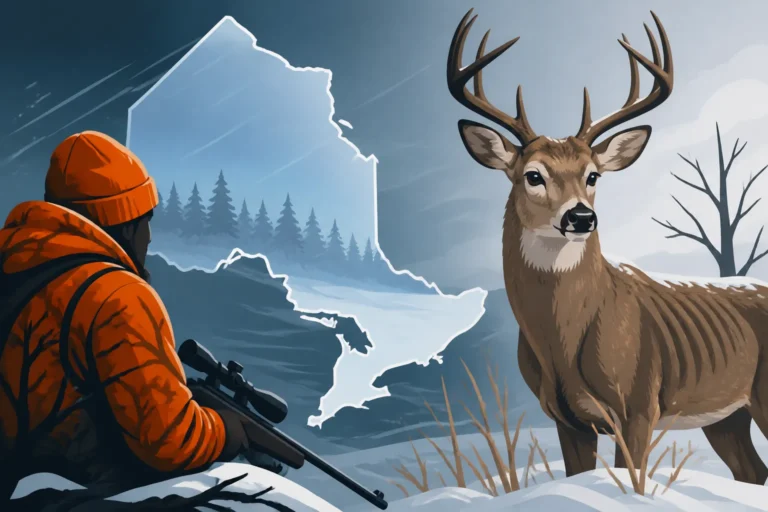
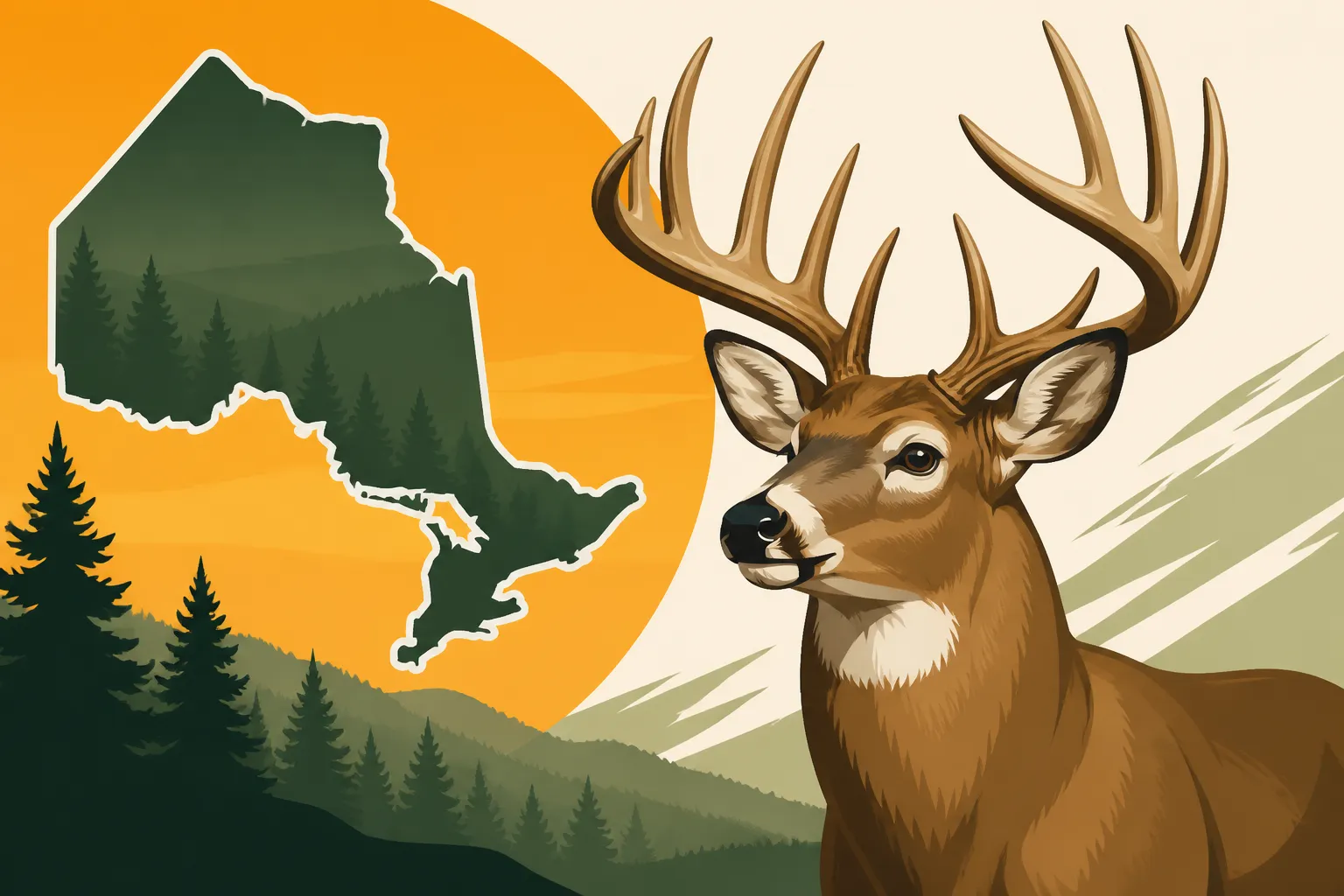
Every hunter who spends time in the Ontario bush or perched in a stand, no matter how much they say "it's not about the rack," secretly dreams of encountering a truly magnificent whitetail buck—one that makes your heart pound and your hands tremble. We all wonder just how the deer we pursue here in Ontario stack up against those giants we see in magazines or on TV from other regions. This guide will dive into Ontario's standing in the world of record-book deer, exploring what makes our province a hidden gem for trophy whitetails and how you can increase your chances of finding one.
Understanding the World of Record Book Whitetails in Ontario
When we talk about "record book deer," most hunters immediately think of organizations like Boone & Crockett and Pope & Young. These are the gold standards for big game records in North America, and they have very specific criteria for what constitutes a "record" animal. For a deer to even be considered, it typically needs to meet a minimum score based on antler measurements. But beyond these international giants, Ontario also has its own regional recognition programs, often celebrated within local hunting communities and outfitter circles. It's important to understand the different ways a deer can be recognized as truly exceptional.
What Constitutes a "Record Book" Deer?
For a whitetail to make it into the prestigious Boone & Crockett Club records, for example, it has to meet a significant minimum score. These scores are derived from a complex system of antler measurements, including main beam length, circumference at various points, inside spread, and the length of each individual point. Accuracy is paramount, and certified measurers are the only ones who can officially score an animal for entry. The Pope & Young Club uses the exact same scoring system but is exclusively for animals taken with archery equipment. This distinction is crucial for many bowhunters who pride themselves on the challenge of taking a trophy with a stick and string.
The common lament among hunters is that scoring rules can sometimes seem arbitrary, especially when a uniquely beautiful but perhaps asymmetrical rack might not score as high as a perfectly symmetrical, albeit less characterful, one. This is where the categories of "typical" and "nontypical" come into play. A typical rack is one that is largely symmetrical, with points growing upward from the main beams. A nontypical rack includes abnormal points, drops, or kickers that don't conform to the typical growth pattern. Both are impressive, but they are scored differently to maintain fairness. It’s a painstaking process, but it ensures consistency and truly highlights the most exceptional animals. Scoring a Typical Whitetail Rack covers the basics, but getting it officially done is another level.
Ontario's Place in North American Trophy Hunting
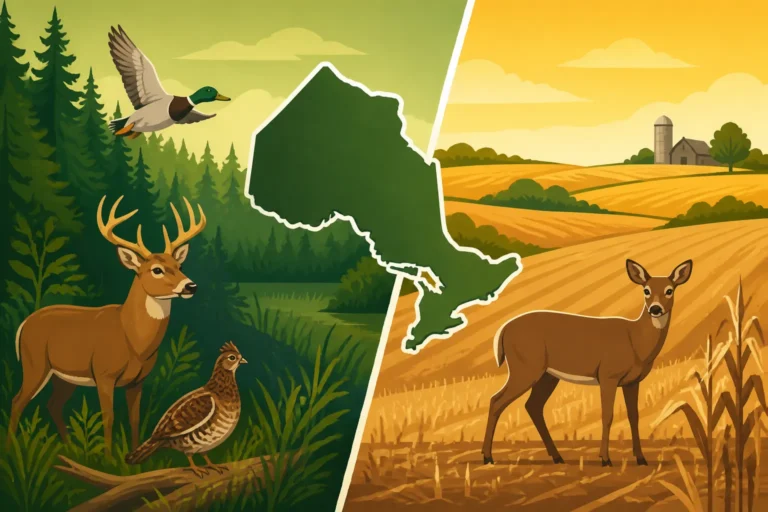
While Ontario might not always grab the headlines like some of the traditional "big buck states" to our south, make no mistake: this province consistently produces some absolute monsters. We often hear tales from states like Iowa, Kansas, or Ohio, but Ontario quietly holds its own, especially when you look at certain regions. Our diverse habitat, from the rich farmlands of the south to the vast mixed forests and boreal regions further north, provides prime conditions for deer to grow impressive antlers.
What often sets Ontario apart is the sheer size of some of our deer. While antler genetics are certainly part of the equation, the robust body size of many northern whitetails often correlates with larger antler growth. These animals have to be tough to survive our winters, and that resilience can translate into massive frames supporting incredible headgear. Historically, Ontario has seen numerous entries into both Boone & Crockett and Pope & Young, particularly in the nontypical categories, showcasing the unique character of our whitetail population.
Factors That Contribute to Ontario's Record Book Potential
So, why does Ontario hold its own in the record books? It's not just luck. A combination of prime habitat, genetics, intelligent wildlife management, and the availability of nutrient-rich food sources creates the perfect storm for growing massive whitetail deer. Understanding these factors is key to appreciating Ontario's potential and, for the dedicated hunter, can help guide your own pursuit of a trophy.
Habitat Diversity and Nutrient Availability
Ontario's landscape is incredibly diverse, offering a smorgasbord of habitats that are ideal for whitetails. In the southern agricultural belts, you have vast expanses of prime farmland with nutrient-rich crops like corn, soybeans, and alfalfa. These areas provide an abundance of high-quality food that fuels rapid growth and supports superior antler development. Deer here don't have to work as hard for their calories, allowing more energy to be diverted to antler growth. This is a big reason Why Southern Ontario Grows Heavy Bucks.
As you move north into the mixed forests and beyond, while agricultural food sources become less dominant, the natural browse and mast crops are still excellent. Acorns, beechnuts, apples, and a wide variety of woody browse provide crucial nutrients. Regenerating clearcuts and logging operations create thick new growth that offers both food and cover. A healthy, balanced diet throughout the year, particularly during the antler growing season, is absolutely fundamental for a buck to express its full genetic potential. Think of it like a carefully managed livestock farm, but on a grand, wild scale.
Genetic Pool and Age Structure
You can have all the food in the world, but if a buck doesn't have the right genes, it won't grow a monster rack. Ontario's whitetail population generally boasts a strong genetic base for antler growth. More importantly, in many areas, a good age structure exists, meaning bucks are allowed to reach older ages. It's a well-known fact that whitetail bucks typically don't reach their peak antler potential until they are 4.5, 5.5, or even 6.5 years old. Younger bucks might look impressive, but they often haven't fully matured.
Many Ontario hunters, driven by the dream of a true trophy, are increasingly practicing quality deer management principles, even if informally. This often means passing on younger bucks, allowing them another year or two to grow. While there aren't widespread antler restrictions like in some US states, a collective shift in hunting culture, combined with the vastness of some of our hunting areas, naturally allows more bucks to reach maturity. This patience pays off, not just for individual hunters, but for the overall health and trophy potential of the deer herd.
Wildlife Management and Hunting Pressure
The provincial wildlife management strategies play a crucial role. Regulations regarding season lengths, bag limits, and specific tags (like antlerless deer draws) all influence the deer population dynamics and age structure. While some areas face significant hunting pressure, especially around population centres, many vast tracts of public and private land remain relatively unpressured, allowing older bucks to thrive. Hunting Whitetails on Ontario Crown Land can be a great way to find these less-pressured areas.
The large areas of Crown Land in Ontario, particularly in the central and northern parts of the province, offer sanctuaries where deer can mature with minimal human disturbance. This isn't to say it's easy hunting—quite the opposite. These areas are often remote and challenging, requiring significant effort to access and hunt effectively. But for the hunter willing to put in the work, these less-accessible regions can hold the biggest rewards.
Here's a quick look at some key factors contributing to trophy potential:
| Factor | Impact on Trophy Potential | Ontario Context |
|---|---|---|
| Nutrient Availability | Direct correlation with body size and antler growth. High-protein, mineral-rich diet is essential. | Abundant agricultural crops (South), diverse natural browse/mast (North). |
| Age Structure | Bucks typically reach peak antler size between 4.5 and 6.5 years old. | Growing trend among hunters to pass on younger bucks; vast, less-pressured areas allow bucks to mature. |
| Genetic Potential | Inherent ability of a buck to grow large antlers. Varies within populations. | Strong genetic pool in many regions, producing large-bodied, heavy-antlered deer. |
| Hunting Pressure | High pressure can lead to younger age structure and more nocturnal deer. | Varies widely. High near population centers, but low in vast Crown Land areas, allowing bucks to mature. |
| Habitat Quality | Provides optimal food, cover, and refuge from disturbance. | Diverse habitats from rich farmlands to mixed forests, clearcuts, and swamps, offering everything a deer needs. |
| Climate & Winter Severity | Harsh winters can impact health and survival, affecting antler growth in subsequent years. | Deer in Ontario are resilient; good wintering habitat (e.g., cedar swamps) helps mitigate harsh conditions. How Deer Use a Cedar Swamp in Winter |
Notable Ontario Record Book Entries and Trends
Ontario boasts a proud history of producing world-class whitetails, and looking at the record books, you're bound to find some truly incredible deer from our province. While I can't give you specific names or scores from an "as of this writing" perspective, I can tell you about the general trends and regions that have historically coughed up these giants.
Typical Versus Nontypical Records
One fascinating aspect of Ontario's record-book history is the strong showing in both typical and nontypical categories. While a perfectly symmetrical, high-scoring typical rack is the holy grail for many, Ontario has a particular knack for producing nontypical monsters. These are the bucks with extra points, gnarly drop tines, and irregular formations that make them truly unique and often visually more impressive, even if they sometimes score slightly lower than a perfect typical.
Many of Ontario's most legendary bucks have been nontypical, reflecting the robustness and sometimes the unusual growth patterns found in our herds. This isn't just about genetics; it can also be influenced by injuries to the pedicle (the base where the antler attaches to the skull) or mineral deficiencies in localized areas that lead to unique antler growth. These unique racks are often highly prized by hunters who appreciate character over perfect symmetry. You might find a buck with a G3 that's split three ways, or a main beam with a long drop tine that just makes you gasp. These are the deer that tell a story. Ontario's Top Typical Whitetails and Ontario's Top Nontypical Whitetails provide more specific details on those legendary animals.
Regions That Consistently Produce Giants
While a record-book buck can technically come from anywhere with whitetails, certain regions in Ontario have a reputation for producing them more consistently. The fertile agricultural lands of Southern Ontario are definitely high on that list. Areas with a mix of woodlands and intense farming, particularly where access is limited or hunting pressure is managed, offer everything a deer needs to grow old and grow big. Think of the counties along Lake Erie, or parts of Southwestern Ontario with abundant row crops.
Further north, the vast, rugged mixed forests, particularly on the fringes of agricultural zones, or areas with extensive logging activity providing ample regenerating browse, also produce some incredible animals. The deer here might be fewer in number, and harder to hunt, but their sheer size can be astounding. Remote pockets of Crown Land, especially those with good wintering cover and diverse food sources, are often where patient and persistent hunters eventually connect with an old, heavy-bodied buck carrying a massive rack. Sometimes, it's just about finding that one bush lot that's always overlooked, or that thick cedar swamp that acts as a fortress.
The Role of Scouting and Persistence
Finding a record-book deer isn't just about being in the right place; it's about putting in the time and effort. Advanced scouting, utilizing tools like aerial imagery (many hunters use apps like GoHunt to analyze terrain and potential bedding areas), and meticulous ground scouting are paramount. You need to understand how deer use the landscape, identify primary food sources, bedding areas, and travel corridors. Look for heavy sign—big tracks, deeply rubbed trees, and large scrapes—which indicate the presence of mature bucks. Reading Whitetail Sign in Ontario Hardwoods is a skill that takes years to hone, but it’s essential for finding those giants.
Many record-book deer are taken by hunters who have studied a particular area for years, learning the habits of specific bucks. It's often not a fluke, but the culmination of dedicated effort. This could mean sitting for countless hours in a stand, enduring cold weather, or making multiple trips into remote areas before the season even opens. The patience and persistence required are immense, but the reward of connecting with a truly exceptional Ontario whitetail is unmatched.
Strategies for Pursuing a Record Book Whitetail in Ontario
Hunting a record book whitetail in Ontario is a marathon, not a sprint. It demands dedication, strategic planning, and a deep understanding of deer behaviour and habitat. It's not just about spending more time in the woods, but about spending smarter time. If you're serious about taking a truly exceptional buck, you need to elevate your game beyond casual hunting.
Intensive Scouting and Property Analysis
Before you even step foot in the woods during hunting season, the work begins. Utilize online tools and resources to pore over satellite imagery. Apps like GoHunt can layer property boundaries, topo maps, and aerial photos, giving you an immense advantage in understanding the lay of the land. Look for natural funnels, pinch points, bedding areas (often thick cover on south-facing slopes, or heavy cedar swamps), and food sources. Identify potential travel corridors between these key areas.
Once you have a general understanding from your digital reconnaissance, it's time for boots on the ground. Walk the property in the off-season, looking for old rubs, scrapes, and large track sizes. Pay close attention to transition zones—where one habitat type meets another, like a hardwood ridge meeting a cedar swamp, or a clearcut bordering an old-growth forest. These are often high-traffic areas for mature bucks. Set up trail cameras in strategic locations, focusing on mock scrapes or natural travel routes, not just food plots. This helps you inventory the deer herd, identify individual bucks, and understand their patterns. Scouting With Satellite Imagery in Ontario can be an absolute game-changer.
Hunting Mature Deer: Patience and Precision
The single most important factor in harvesting a record-book buck is finding a mature deer. This means focusing your efforts on areas known to hold older age-class animals, and having the discipline to pass on younger, smaller bucks. It's a tough call sometimes, especially when a decent 2.5-year-old steps out, but it's essential for achieving your goal. Many trophy hunters will tell you they spend more time not shooting than shooting.
When you do decide to hunt, precision is key. Hunt the wind religiously. Mature bucks have an incredible sense of smell and will bust you every time if your scent drifts into their zone. Approach your stand or blind quietly and strategically, minimizing disturbance. Be prepared to sit for long hours, especially during the rut when bucks are actively seeking does. Hunting the Rut in Early to Mid November is a prime time to be in the woods, as mature bucks are often more vulnerable during this period. Your setup needs to be quiet, comfortable, and offer a clear shooting lane for a precise shot, because you often only get one chance at a truly big deer.
Choosing the Right Weapon and Strategy
Your choice of weapon can also influence your approach. Archery hunting, while challenging, offers a longer season in many WMUs, allowing more time to pursue a specific buck. It also often allows you to hunt closer to urban areas where rifle hunting might be restricted or require specific permits. For rifle hunters, understanding the effective range of your firearm and practicing regularly to ensure ethical shots at longer distances is crucial. Muzzleloader seasons, often later in the year, can also offer unique opportunities, especially during colder weather when deer movements might change.
Regardless of your weapon, adapt your strategy to the conditions. During early season, focus on food sources. As the rut approaches, shift to travel corridors and bedding areas where bucks will be cruising for does. In late season, look for wintering areas and isolated food sources that deer are concentrating on. Don't be afraid to experiment with different tactics, like rattling or grunting, if they fit the situation. But always remember, the most effective strategy is often the one you've spent the most time perfecting and adapting to your specific hunting ground.
Disclaimer
This article is for general informational purposes only and does not constitute professional advice. Laws, prices and regulations vary by location and change over time. Consult a qualified professional for guidance on your specific situation.