Why Southern Ontario Grows Heavy Bucks
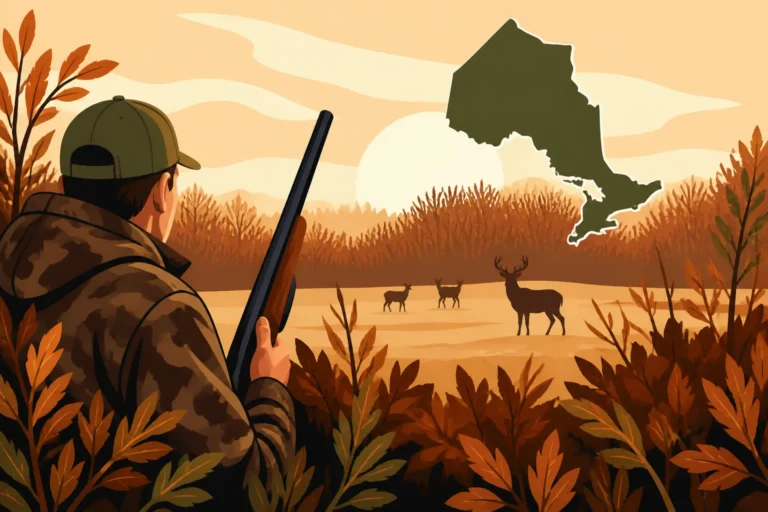
Many hunters across Ontario, especially those who spend time in the rugged Shield country up north, often look at pictures of monster whitetails taken in the province and scratch their heads, wondering how some of these southern giants get so big. It’s a common frustration, feeling like the deer in your hunting area just don't have the same potential. This comprehensive guide will peel back the layers and explore exactly why Southern Ontario is a consistent producer of heavy, big-racked bucks, delving into the unique combination of factors that contribute to their impressive size.
The Abundant Food Source Advantage
When we talk about big bucks, the first thing that almost always comes up is food, and Southern Ontario delivers on this front like no other region in the province. The fertile soils and extensive agricultural operations create an environment where deer don't just survive; they thrive. This isn't just about having some food; it's about the quality, quantity, and consistency of it.
Crop Variety and Nutritional Density
Imagine a deer living in the vast, dense forests of Northern Ontario. Its diet consists largely of natural browse – twigs, leaves, various forbs, and lichens. While this diet sustains them, it often lacks the concentrated energy and protein needed for truly exceptional body and antler growth. Now picture a whitetail in Southern Ontario. Its backyard is often bordered by fields of lush alfalfa, protein-rich soybeans, and high-energy corn.
These agricultural crops are like a deer superfood buffet. Alfalfa provides incredible protein for muscle and antler development. Soybeans are packed with fat and protein, giving deer the necessary building blocks and energy reserves. Corn, especially in the fall and winter, is a critical energy source that helps deer put on the weight needed to survive harsh winters and grow impressive antlers the following season. This diverse, nutrient-dense diet is a stark contrast to what many northern deer subsist on, and it’s a primary reason Why Southern Ontario Grows Heavy Bucks. It’s not uncommon to see deer literally embedded in a standing corn field, using it for both cover and sustenance.
Year-Round Availability and Energy Buffers
Beyond the sheer nutritional value, Southern Ontario's agricultural landscape offers consistent food availability throughout the year, even into the late seasons. While standing corn fields provide excellent late-season foraging, deer also benefit from gleaning leftover grains in harvested fields. This continuous access means deer aren't subjected to the same boom-and-bust cycles that might impact deer in purely natural environments.
During the critical pre-rut and rut phases, bucks are expending massive amounts of energy. Having readily available, high-calorie food sources allows them to maintain their condition, recover faster, and continue to grow rather than just survive. When winter finally hits, residual crops become vital. A deer that can maintain good body condition through winter is a deer that starts the next antler-growing season with a significant advantage. This sustained nutrition minimizes stress and maximizes growth potential, season after season. Many hunters will target a Hunting a Standing Corn Field Edge in late fall for this very reason.
Supplementation from Natural Forage
While crops are king, Southern Ontario also offers a fantastic mix of natural forage that complements the agricultural bounty. Woodlots, fencerows, and river bottoms are often rich in acorns, various berries, and natural browse species. This diverse diet ensures a broad spectrum of nutrients that agricultural crops alone might not fully provide.
For example, a banner acorn crop can significantly boost deer health and antler growth, offering crucial fats and carbohydrates. When acorns are plentiful, deer will seek them out, even temporarily leaving agricultural fields. This combination of natural and cultivated foods creates an almost ideal nutritional profile for deer, contributing to their overall health, body weight, and antler development. It's truly the best of both worlds, where deer have both staple crops and seasonal delicacies to choose from. When scouting, using tools like GoHunt can help identify areas with this crucial mix of natural and agricultural food sources, making it easier to pinpoint high-potential hunting grounds.
Genetics and Herd Health
While food is undoubtedly a massive piece of the puzzle, it's not the only piece. The genetics of the deer herd itself, coupled with how those herds are managed and protected, play an equally critical role in producing the heavy, impressive bucks that Southern Ontario is known for. It's a combination of nature and nurture, where the right genes meet the right environment.
Historical Deer Management and Age Structure
For decades, wildlife management in Southern Ontario has, often by default, fostered a healthier age structure within the deer population. This isn't necessarily due to strict antler restrictions everywhere, but rather a combination of factors including hunter selectivity, land access challenges, and the inherent characteristics of farming regions. Hunters, especially those seeking trophy-class animals, often pass on younger bucks, allowing them to mature.
A mature buck, typically 3.5 years old or older, has had several seasons to develop his body and antlers. With ample nutrition, these older bucks can really express their genetic potential. In areas with higher hunting pressure or different management philosophies, younger bucks might be harvested before they reach their peak. The sustained nutrition in Southern Ontario allows these deer to not only get old but also to keep growing significantly year after year. Understanding When Ontario's Whitetail Rut Peaks can help you time your hunts for these mature deer.
Lower Disease and Stress Factors
Compared to some other regions, Southern Ontario deer often face fewer widespread disease challenges and environmental stressors. While CWD is a concern across North America, Ontario has so far successfully managed to keep it out of its wild herds, with robust Ontario's CWD Surveillance Program in place. Furthermore, the milder winters in the south, compared to the brutal conditions of Northern Ontario, mean less winter kill and less energy expenditure simply surviving the cold.
Deer in the south are less likely to experience severe nutritional stress or prolonged periods of extreme cold. This allows their bodies to dedicate more energy towards growth and reproduction, rather than just survival. Lower stress levels translate directly into healthier animals with more robust immune systems and, ultimately, larger body weights and antler mass. It's a cascade effect: less stress means more resources for growth, which leads to bigger bucks. GoHunt's mapping features can sometimes highlight areas with historically lower disease reports or less severe winter conditions, aiding in scouting.
Trophy Potential and Genetics
It's a simple truth: you can't grow a big rack without the genetic blueprint for it. Southern Ontario's deer herd has a strong genetic foundation for growing large antlers, further enhanced by the exceptional nutrition. Over generations, the combination of abundant resources and hunters often allowing younger bucks to walk has created a population with a high prevalence of individuals carrying those coveted "big rack" genes.
While there's no official "trophy genetics" program, the sheer volume of high-quality food ensures that deer with the genetic potential to grow large racks can actually realize that potential. It's not just about one or two record-book deer; it's about a consistent average of larger-bodied, heavier-antlered bucks across the region. This genetic predisposition, coupled with the optimal environment, is why southern deer consistently make the record books. Hunters keen on Reading Whitetail Sign in Ontario Hardwoods know that bigger rubs and scrapes often mean bigger bucks, a common sight in these productive areas.
Habitat Diversity and Protection
Even with all the food in the world and top-tier genetics, a deer still needs a safe place to call home, to bed down, and to feel secure from predators, including human hunters. Southern Ontario, despite its significant human population and agricultural development, offers surprisingly effective habitat diversity and, in many cases, pockets of protection that allow bucks to age.
Woodlots, Hedgerows, and River Bottoms
The agricultural landscape of Southern Ontario isn't just vast, open fields. It's an intricate mosaic of cultivated land interspersed with small woodlots, dense fencerows, thick river bottoms, and drainage ditches. These features are absolutely crucial. Woodlots, even small ones, provide bedding cover, thermal refuge from winter winds or summer heat, and essential hard mast like acorns.
Fencerows, often overlooked, act as vital travel corridors, allowing deer to move between feeding areas, bedding cover, and water sources without exposing themselves in open fields. Imagine a mature buck slipping from a cornfield, through a dense hedgerow, and into a small patch of woods to bed down – these are the subtle nuances of Hunting a Fencerow Between Two Fields. River valleys and creek bottoms, with their tangled growth and often difficult-to-access terrain, offer incredible sanctuary, especially during hunting season. This network of cover allows bucks to remain elusive and reach older age classes.
Reduced Hunting Pressure in Pockets
It might seem counterintuitive in a densely populated region, but Southern Ontario often has significant pockets of land where hunting pressure is surprisingly low, or even non-existent. These areas act as de facto sanctuaries. This can be due to:
- Small, fragmented landholdings: Many landowners might not allow hunting, or only permit family members, creating scattered refuges.
- Suburban and urban interfaces: Areas bordering towns and cities often have large deer populations but no hunting, allowing bucks to grow old and become truly massive.
- Difficult access: Some thick swamp edges or dense woodlots can be so challenging to navigate that many hunters simply avoid them, creating natural safe zones.
- Landowner preferences: Farmers might be busy with crops and not interested in managing hunting, or they might allow only very limited, controlled access.
This patchwork of low-pressure zones means that even if a buck occasionally wanders onto hunted property, it has numerous safe havens to retreat to when pressure mounts. This sustained lack of consistent pressure contributes significantly to bucks reaching maturity. GoHunt's public land and private property overlays can be a game-changer here, helping hunters identify these potential sanctuary areas and strategize their approach.
The "Urban Edge" Factor
One of the most unique aspects contributing to large bucks in Southern Ontario is the "urban edge" phenomenon. As cities and towns expand, they often create large, unhuntable zones (parks, golf courses, greenbelts, residential areas) that become absolute havens for deer. These deer live right on the edge of human development, benefiting from manicured landscapes and often feeling little fear of people.
These bucks have access to incredible nutrition (garden plants, ornamental shrubs, fertilized lawns), minimal predation, and zero hunting pressure. While they might occasionally venture onto adjacent huntable land, they spend the majority of their lives in safety. These "city deer" often grow to incredible sizes, and when one eventually does step out of its sanctuary, it can be a true giant, a testament to what unlimited food and safety can do for a whitetail. This dynamic is a critical, though often frustrating, element for hunters trying to understand Why Southern Ontario Grows Heavy Bucks.
Water Access and Mineral Rich Soils
Beyond the obvious factors of food and cover, two less-talked-about elements also play a crucial role in Southern Ontario's ability to produce heavy-bodied, big-antlered bucks: omnipresent water sources and remarkably fertile, mineral-rich soils. These underlying ecological factors provide the foundational health for deer.
Extensive Waterways for Hydration
Water is essential for all life, and deer are no exception. Proper hydration is critical for overall health, digestion, nutrient absorption, and yes, even antler growth. Southern Ontario is crisscrossed by an incredible network of rivers, streams, creeks, farm ponds, and drainage ditches. Wherever you are, a fresh water source is rarely far away.
This abundant water means deer never have to travel far or expend excessive energy to find a drink. They can remain close to their preferred feeding and bedding areas, minimizing exposure to danger and reducing energy expenditure. This constant, easy access to water, especially during hot summer months when antlers are actively growing, helps ensure optimal physiological function. A deer that is well-hydrated is a healthier deer, capable of maximizing its growth potential. Hunters often find excellent sign around these water sources, a testament to their importance for deer.
Nutrient-Rich Soils and Their Impact
Perhaps one of the most fundamental, yet often overlooked, reasons for Southern Ontario's massive bucks lies literally beneath our feet: the soil. Southern Ontario boasts some of the most fertile agricultural soils in Canada, a legacy of ancient lakebeds and glacial deposits. These soils are naturally rich in essential minerals like calcium, phosphorus, magnesium, and other micronutrients.
Why does this matter for deer? Because deer get their minerals primarily from the plants they eat, and those plants, in turn, absorb their nutrients from the soil. If the soil is mineral-deficient, the plants grown in it will also be deficient, and so too will the animals that consume them. In Southern Ontario, the highly mineralized soil means that every stalk of corn, every soybean plant, every blade of alfalfa, and every natural forb is packed with the nutrients deer need. This continuous intake of high-quality, mineral-rich forage directly translates to stronger bones, larger body mass, and significantly bigger, denser antlers.
This foundational soil quality elevates the nutritional value of everything a deer eats, creating a consistent, year-after-year advantage that deer in less fertile regions simply don't have. It's a key reason Why Farm Country Bucks Grow Faster in these areas – the very ground they walk on is contributing to their superior development. When you use tools like GoHunt, understanding the geological and agricultural characteristics of an area can provide insights into its potential for producing big deer.
A Comparative Look: Southern vs. Northern Ontario Deer
To truly appreciate why Southern Ontario bucks are so heavy, it's helpful to compare their environment to that of their northern counterparts. While Northern Ontario offers vast wilderness and unique hunting experiences, the ecological realities for deer are quite different.
| Feature | Southern Ontario Whitetails | Northern Ontario Whitetails |
|---|---|---|
| Primary Diet | Abundant agricultural crops (corn, soy, alfalfa), acorns. | Natural browse (twigs, leaves, lichens), some forbs. |
| Nutritional Value | High protein, fat, carbohydrates; mineral-rich due to soil. | Generally lower protein/fat; mineral availability can vary. |
| Winter Severity | Milder winters, less prolonged deep snow, lower winter kill. | Harsh, long winters, deep snow, higher winter kill, more yarding. |
| Hunting Pressure | Variable; high in some public areas, low in private/urban fringes. | High in accessible areas, lower in remote wilderness. |
| Habitat Type | Mixed agricultural fields, woodlots, fencerows, urban interface. | Vast boreal forests, rock outcroppings, clear-cuts, swamps. |
| Age Structure | Often skewed towards older bucks in sanctuary areas. | Can be younger due to harsher conditions, higher predation. |
| Body/Antler Size | Consistently larger body weights, heavier, denser antlers. | Generally smaller body sizes, antlers can be impressive but often lighter. |
This table clearly illustrates the advantages Southern Ontario offers. The combination of easy, abundant access to high-quality, mineral-rich food, coupled with milder winters and often fragmented habitats that create de facto sanctuaries, gives bucks in the south a biological head start and a sustained advantage throughout their lives. This leads to the impressive body weights and heavy racks that hunters often marvel at.
Strategies for Hunting Southern Ontario's Heavy Bucks
Understanding why these bucks get so big is one thing; successfully hunting them is another. The unique characteristics of Southern Ontario’s landscape require specific strategies, often different from those employed in more traditional big-woods hunting scenarios.
Gaining Access to Private Land
One of the biggest hurdles and most critical components of hunting trophy bucks in Southern Ontario is securing access to private land. The majority of the prime deer habitat, especially the agricultural fields and fragmented woodlots, is privately owned. Simply finding good hunting ground can be a challenge in itself, unlike the extensive Hunting Ontario's Crown Land opportunities up north.
- Knocking on Doors: This old-school method remains highly effective. Approaching landowners respectfully, in person, well before the season, is key. Offer to help with chores, be polite, and always have a plan for how you'll hunt safely and responsibly. Emphasize your respect for their property.
- Networking: Talk to locals, farmers, and other hunters. Sometimes, word of mouth can open doors to properties that aren't actively being hunted.
- Building Relationships: Once you gain access, be an exemplary hunter. Follow all rules, clean up after yourself, and perhaps offer the landowner some venison. A long-term relationship is invaluable.
- GoHunt and Mapping Tools: Utilize mapping applications like GoHunt to identify property lines, landowner information, and assess the land before you even approach. This allows you to intelligently discuss the layout and potential of their property. Knowing Ontario Trespass and Landowner Law is crucial before stepping foot on any private property.
Adapting Your Scouting and Hunting Techniques
Hunting Southern Ontario bucks often means adjusting your approach significantly. The "big woods" tactics of covering vast tracts of forest might not work here.
- Focus on Edges and Corridors: Deer in agricultural areas are masters of using edges – the border between a field and a woodlot, a fencerow, or a creek bank. These are primary travel routes. Setting up a stand on an Hunting a Cedar Swamp Edge or a Hunting a Hardwood Ridge for Whitetails that overlooks these travel corridors can be incredibly productive.
- Observe Field Activity: Spend time glassing fields at dawn and dusk. Pay attention to where deer enter and exit fields, which fields they prefer, and any consistent patterns. Hunting a Soybean Field at Dusk can be particularly effective.
- Strategic Stand Placement: Due to smaller, more fragmented cover, stand placement is critical to avoid spooking deer. Think about wind direction, entry and exit routes, and how your stand impacts deer movement. Consider hanging a stand on an Hanging a Stand on an Ontario Bush Edge where deer transition from thick cover to feeding areas.
- Pressure Management: These deer can be highly sensitive to pressure. If you have limited access, consider hunting judiciously to avoid burning out a spot. Sometimes, leaving an area undisturbed for a few days can bring deer back.
- Utilizing Technology: GPS units, rangefinders, and mapping apps like GoHunt are invaluable. They help you pinpoint key features, navigate property boundaries, and mark sign. Scouting With Satellite Imagery in Ontario can reveal hidden lanes and cover types that are otherwise impossible to see from the ground.
By understanding the unique environmental advantages and adapting your hunting strategies to the specific landscape, you can increase your odds of encountering and harvesting one of Southern Ontario's truly heavy bucks. It's a challenging but incredibly rewarding experience that showcases the exceptional deer potential of this region.
Disclaimer
The information provided in this guide is for informational purposes only and does not constitute legal advice. Hunting regulations and access rules in Ontario are subject to change. Always consult the most current Ontario Hunting Regulations Summary and obtain all necessary licenses and permits before hunting. It is your responsibility to understand and adhere to all local, provincial, and federal laws.