Posting a Drive Around a Bush Lot
It's happened to all of us: you’ve got a promising-looking bush lot, a few buddies willing to help, and a plan for a classic deer drive. But despite your best efforts, the deer somehow just vanish, slipping out through some unseen seam in your perimeter. This guide is all about mastering the art of "posting a drive around a bush lot" in Ontario, making sure those crafty whitetails get pushed right where you want them, safely and effectively.
Understanding the "Bush Lot" in Ontario Hunting
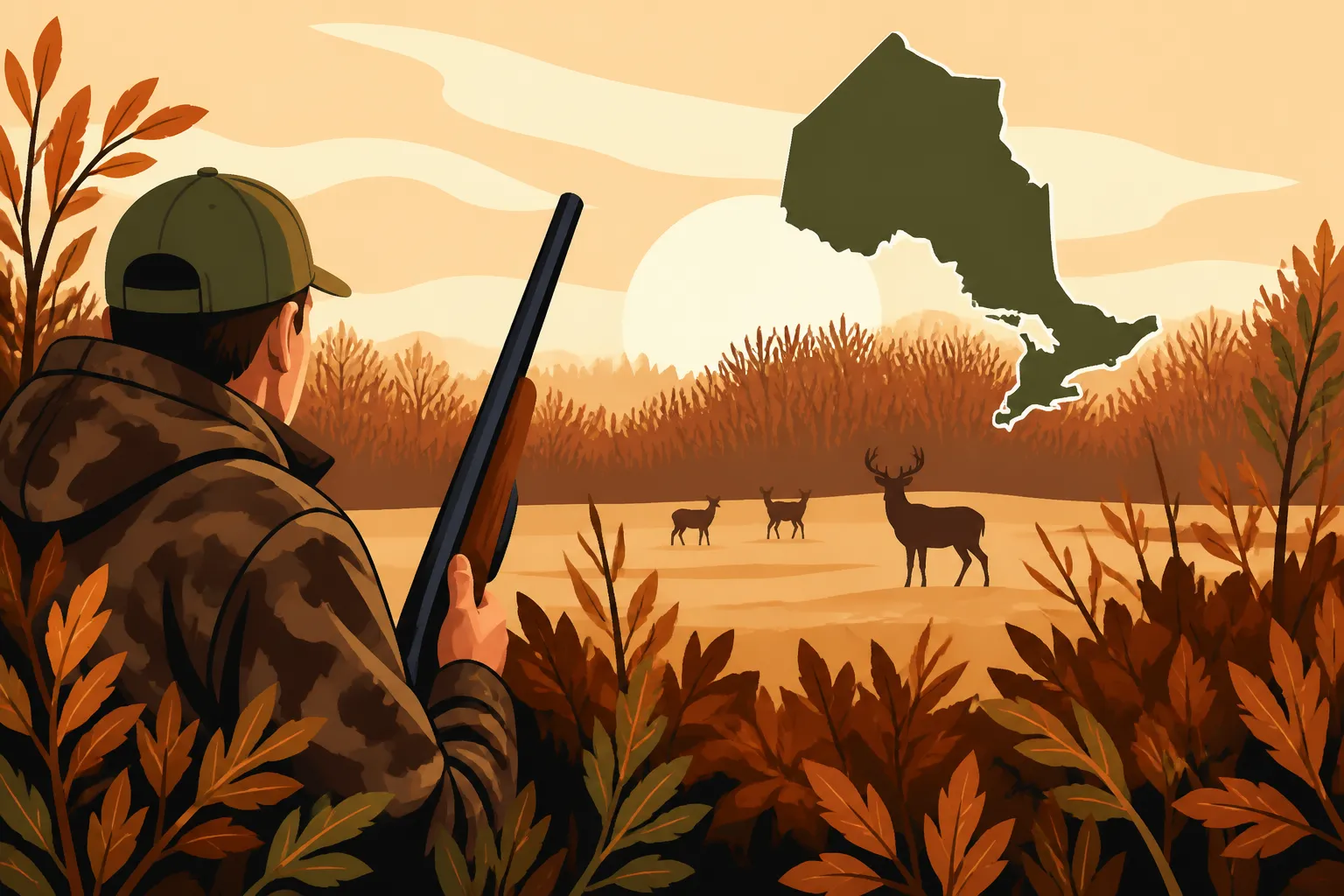
When we talk about a "bush lot" in Ontario, we're not just talking about any patch of woods. These are often distinct, manageable parcels of forest, typically surrounded by open fields, agricultural land, or even residential areas in Southern Ontario. Up north, they might be isolated islands of mature timber within a vast mosaic of clear-cuts and regenerating forest. Understanding these specific characteristics is key to a successful drive.
What Defines an Ontario Bush Lot?
An Ontario bush lot can range from a few acres to hundreds, but what makes it distinct is usually its clear boundaries. Imagine a 20-acre block of mixed hardwoods and cedars nestled between a cornfield, a soy field, and a property line marked by an old fence row. Or picture a stand of mature pines on Crown Land, bordered by a logging road and a recent clear-cut. These are prime examples. They're big enough for deer to feel secure, but small enough that with proper planning, you can reasonably attempt to push them. They often feature a mix of cover: dense cedar swamps perfect for bedding, mature oaks dropping acorns, or thick conifer stands offering thermal protection during cold snaps. These diverse habitats within a relatively confined space make them incredibly attractive to whitetails.
Why Deer Use These Areas
Deer, especially whitetails, are creatures of habit and efficiency. A bush lot, particularly one adjacent to agricultural fields or with good natural forage, offers everything they need within a short distance. They’ll bed down in the thickest cover during the day, like a dense cedar swamp edge, feeling safe from predators and human disturbance. As dusk approaches, they'll often move along well-worn trails from the security of the bush lot out to a nearby standing corn field edge or a winter wheat field for feeding. The beauty of a bush lot is that it acts as a sanctuary, a travel corridor, and a dining room all rolled into one. When hunting pressure ramps up, these bush lots become even more critical for deer, as they seek out familiar, secure spots to hunker down. This predictable behavior is exactly what we aim to exploit with a well-executed drive.
The Challenges of Driving a Bush Lot
Driving a bush lot isn't just about making noise and hoping for the best. It presents unique challenges. First, there's the unpredictability of deer movement. You might think you know every trail, but deer have an uncanny ability to find the path of least resistance, often a small, overlooked seam in your setup. If your standers aren't covering all angles, deer will inevitably slip out, leaving you scratching your head. Second, safety is paramount. Bush lots can be thick, reducing visibility, and hunters need to be hyper-aware of their surroundings, knowing where every other hunter is located and what's beyond their intended target. Thirdly, communication can be tricky. Radios might be out of range, or natural terrain might muffle calls. A well-intentioned drive can quickly become disorganized, dangerous, or simply ineffective if these challenges aren't addressed upfront.
Strategic Posting for an Effective Drive
A successful drive hinges on strategic posting, and that starts long before you ever step foot in the woods with your hunting party. It requires scouting, anticipating deer movement, and ensuring every hunter knows their role and their responsibilities.
Identifying Key Escape Routes and Funnels
Before you even think about placing standers, you need to understand the bush lot's geography from a deer's perspective. Spend time scouting, preferably before the season, or use tools like aerial imagery. Services like GoHunt are fantastic for this, allowing you to examine topography, vegetation changes, and potential travel corridors from above. Look for:
- Pinch Points: Areas where the bush lot narrows, forcing deer into a smaller travel lane. These are prime spots for standers.
- Natural Funnels: Old logging trails, fencerows, creek beds, or even changes in vegetation density that naturally guide deer movement.
- Heavy Cover Edges: Deer will often skirt the edges of thick cover before bursting into the open.
- Swamp Crossings: If there's a low, wet area or a beaver dam crossing, deer will use it.
- Ridge Lines: Deer often travel along the tops or sides of hardwood ridges.
- Connections to Other Cover: Are there other patches of woods nearby? Deer will try to get to the next piece of cover if they can.
Mark these potential escape routes on a map, ideally a printed topographical map or a digital one on your phone. This visual aid is crucial for coordinating your team. Remember that the wind direction on the day of the hunt will also heavily influence how deer attempt to escape, so factor that into your planning.
Assigning Standers to Maximize Coverage
Once you've identified these key escape routes, it's time to place your standers – the hunters who will remain stationary, waiting for deer to be pushed towards them. This is where many drives succeed or fail.
- Placement is Everything: Standers should be positioned to cover the most likely escape routes and funnels. Think of it like setting up a goalie in hockey – you want them to cut off angles. Often, this means placing standers on the downwind side of the bush lot, or along edges where deer are likely to break cover. A stander might be positioned on a hardwood ridge for whitetails, or along the edge of a cedar swamp where deer are known to yard up in deep snow.
- Visibility and Shooting Lanes: Standers need good visibility for safe and ethical shots. They should clear any immediate brush that might impede a shot, but without exposing their position too much. Ensure they have a clear understanding of their "zone of fire" – the safe area they can shoot into.
- Spacing and Overlap: Don't space standers so far apart that deer can easily slip through the gaps. You want some overlap in coverage. Too close, however, and you limit the area covered and increase safety risks. It's a delicate balance. On private land, you might be able to hang a stand on an Ontario bush edge, giving a stander an elevated view and better control over their zone.
- Communication: Before anyone moves, every stander must know where every other stander is located. This can be done by assigning specific landmarks or using GPS coordinates. A pre-hunt briefing, with everyone looking at the same map (digital or paper), is non-negotiable.
Here's a quick reference table for stander positioning:
| Stander Position Strategy | Goal | Ideal Placement | Common Mistakes to Avoid |
|---|---|---|---|
| Cover Escape Routes | Intercept deer trying to leave the bush lot. | At pinch points, intersections of trails, narrow clearings, or fence lines. | Leaving large gaps for deer to slip through; ignoring less obvious escape routes. |
| Utilize Topography | Use natural terrain to your advantage. | On high ground overlooking low areas, along natural funnels like creek beds or ridge lines. | Standing in low visibility areas; not considering what's beyond the immediate area. |
| Consider Wind Direction | Place standers downwind of where deer are expected to break cover. | Anywhere a deer might approach scenting drivers, or where their natural exit is downwind. | Placing standers upwind, allowing deer to scent them easily. |
| Maximize Visibility & Safety | Ensure clear shooting lanes and safe backstops. | On a rise, near a mature tree for cover, with a natural backstop like a hill or thick woods. | Standing in dense brush with limited visibility; aiming towards other hunters or roads. |
| Maintain Communication | Ensure all hunters can communicate if needed. | Within earshot or radio range of another hunter; pre-determined signals. | Relying solely on yelling in large areas; not testing radios beforehand. |
Safety Considerations for Posted Hunters
Safety is the absolute priority, especially when coordinating a deer drive with three or four hunters.
- Blaze Orange: In Ontario, it's mandatory to wear blaze orange during gun seasons for good reason. Ensure all hunters, both standers and drivers, are wearing sufficient blaze orange. This isn't just a rule; it's a lifesaver. Ensure you understand the specific Ontario blaze orange requirements.
- Defined Zones of Fire: Each stander needs a clear, pre-defined zone where they can safely shoot. This means knowing what's behind your target and ensuring no other hunter, vehicle, or building is in that zone. Never shoot at sound or movement. Identify your target positively.
- No "Running" Shots into the Bush: While deer are being driven, they might appear suddenly. Standers should never take a shot into thick bush if they can't clearly identify the animal and confirm a safe backdrop. The goal is a clean, ethical shot, not a desperate one.
- Communication Protocols: Establish clear communication signals or radio channels. "Hunter A is moving to X position," "Deer spotted at Y," "Hold fire, drivers close." A simple whistle system or two-way radios like those from Midland or Motorola can be invaluable.
- Pre-Hunt Briefing: Before setting foot in the bush, gather everyone for a thorough briefing. Go over the map, clearly mark stander positions, discuss the driving route, and reinforce safety rules. Everyone needs to be on the same page.
Executing the Drive and Adapting to Conditions
Once the planning is done and standers are in place, the real action begins. Executing the drive effectively means having a coordinated effort between drivers and standers, maintaining communication, and being ready to adapt to whatever the bush throws at you.
The Role of the Drivers and Their Strategy
The drivers are the ones entering the bush lot, pushing the deer towards the waiting standers. Their role is critical and requires more than just making noise.
- Strategic Movement: Drivers shouldn't just crash through the woods randomly. Their path should be designed to push deer in a specific direction – towards the standers. This often means moving in a line or a gentle arc, working the thickest cover where deer are likely to be bedded. If you're hunting an Ontario mixed hardwood bush, drivers might focus on working the denser undergrowth areas first.
- Controlled Noise: The goal isn't necessarily to scare deer into a full sprint, but to make them uncomfortable and move them along. Consistent noise – talking, rattling sticks, occasional shouts – is usually more effective than sporadic, loud bursts. The deer should feel pressured but not panicked, allowing them to move predictably.
- Pacing: Drivers should move at a steady, deliberate pace. If they go too fast, deer can be pushed too quickly, potentially breaking through gaps in the stander line or doubling back. Too slow, and deer might just filter out ahead of them without much pressure.
- Covering Key Areas: Drivers should pay special attention to areas of dense cover, like cedar swamps or thickets along a fencerow between two fields, where deer are likely to be holding tight. These are the spots where deer are most likely to jump and run.
- Being Prepared to Shoot (Safely): While the primary goal of drivers is to push deer, they should also be ready for a safe shot if a deer breaks past them, moving away from the standers, and presents a clear, ethical opportunity with a safe backdrop. However, never shoot towards the direction of your posted hunters.
Communicating During the Drive
Effective communication is the glue that holds a deer drive together, especially when you're deer drives with three or four hunters.
- Pre-Determined Signals: Even with radios, having a set of agreed-upon signals can be crucial if technology fails or if you need to be quiet. A specific number of whistles, for instance, might mean "deer sighted" or "hold position."
- Radio Etiquette: If using radios, keep chatter to a minimum. Only essential information should be transmitted. Use clear, concise language. "Driver 1 to Stand 3, deer pushing your way, move slowly," or "Stand 2 to all, I have a deer down." Be mindful of battery life, especially on colder days.
- Constant Awareness: Everyone needs to remain constantly aware of the location of all other hunters. This is where a shared map, marked with positions, becomes invaluable. Regularly check in, even if it's just a quick "all clear" from each stander.
- Responding to a Shot: If a shot is fired, all movement should pause until the shooter confirms the outcome and the situation is clear. This prevents drivers from inadvertently walking into a dangerous situation or pushing other deer away from a downed animal.
Post-Drive Considerations and Learning
The hunt isn't over when the drive concludes. The moments after are just as important for both success and future learning.
- Tracking and Recovery: If a deer is hit, the immediate priority is safe and efficient recovery. This might involve tracking a deer out of a swamp or deep bush. Don't rush into tracking a wounded animal without a plan or sufficient light. Mark the last known position, gather your group, and discuss the best approach.
- Meat Care: Especially in Ontario's warm early seasons, proper field dressing in warm Ontario weather and meat care is crucial to prevent spoilage. Even in colder weather, hanging meat in fall temperature swings requires attention to detail.
- Debriefing: After the drive, whether successful or not, always debrief with your hunting party. What worked well? What didn't? Did deer escape through a particular area? Were the standers positioned correctly? This feedback is invaluable for improving future drives. Maybe you realize that deer consistently break out where an old logging road in the North meets a thick stand of pines, and you need to adjust your posting next time.
- Scouting for Next Time: Every hunt is a learning experience. Pay attention to how the deer reacted to your pressure. Did they try to circle back? Did they take an unexpected route? Use this information for future scouting and planning. Perhaps you notice that a specific beaver meadow crossing is always used as an escape route, which you can then leverage for your next drive.
Remember, deer drives are a community effort. They demand coordination, trust, and a shared commitment to safety and ethical hunting. With careful planning, strategic posting, and clear communication, you can turn a challenging bush lot into a productive hunting ground, ensuring a safe and memorable experience for everyone involved.
Disclaimer
Hunting is an activity that carries inherent risks. The information provided in this guide is for informational purposes only and is not a substitute for proper hunter education, safety courses, or professional guidance. Always consult the official Ontario hunting regulations, practice firearm safety, and obtain all necessary licenses and permits before engaging in any hunting activities. Adherence to all local, provincial, and federal laws is the responsibility of the individual hunter.