Ontario’s CWD Surveillance Program
Many hunters across Ontario feel a genuine concern, and perhaps a little confusion, when they hear about Chronic Wasting Disease (CWD). It's a scary thought that something could threaten our beloved deer, moose, and elk populations, impacting both the health of the animals we cherish and the future of our hunting heritage. This guide is here to shed light on exactly what Ontario is doing to actively monitor, prevent, and respond to CWD, giving you a clearer picture of the province's robust surveillance program and how you, as a hunter, play a vital role in protecting our wild cervids.
Understanding the Silent Threat of Chronic Wasting Disease
The mention of CWD can send a shiver down any hunter's spine, and for good reason. It's not just another wildlife ailment; it's a persistent and deadly threat that demands our attention and collective action. Getting a handle on what it is, and more importantly, what it isn't, is the first step in understanding Ontario's approach to keeping it out of our wild spaces.
What Exactly is CWD?
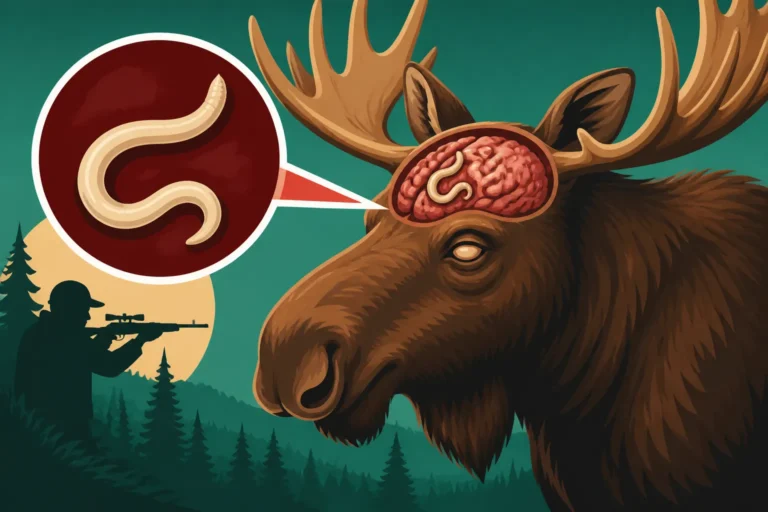
Chronic Wasting Disease is a progressive, fatal neurological disease that affects cervids – that’s deer, elk, moose, and caribou. It’s caused by abnormal proteins called prions, not a bacteria or a virus, which makes it particularly insidious. These prions accumulate in the brain and other tissues, leading to inevitable brain damage and, eventually, death. The disease progresses slowly, often taking months or even years before an infected animal shows obvious symptoms. This long incubation period is one of the reasons CWD is so difficult to detect and control, as animals can be spreading the disease long before they appear sick.
The symptoms, when they do appear, are heartbreaking to witness. Affected animals typically exhibit severe weight loss (hence "wasting"), stumbling, tremors, listlessness, excessive drooling, and a lack of fear of humans. They might stand with a lowered head, have difficulty swallowing, or show abnormal behaviour like repetitive walking patterns. It's a stark contrast to a healthy, vibrant deer you'd expect to see bounding through the bush. While these symptoms are classic, they can also be confused with other ailments, making definitive diagnosis impossible without lab testing. Understanding these signs is crucial, especially when you're out there using tools like GoHunt to scout and identify prime hunting spots; being observant of animal health is just as important as finding tracks.
Why CWD is Such a Grave Concern for Hunters and Wildlife
The gravity of CWD cannot be overstated. Unlike many other wildlife diseases, CWD is always fatal once an animal is infected. There is no known treatment or vaccine. Furthermore, the prions that cause CWD are incredibly hardy. They can persist in the environment – in soil, plants, and even water – for years, potentially infecting other animals long after an infected animal has passed away. This environmental persistence means that once CWD becomes established in an area, eradicating it is an immense challenge, if not impossible. It's why prevention and early detection are absolutely paramount.
For hunters, the long-term implications are significant. An established CWD presence could decimate local cervid populations, leading to reduced hunting opportunities and impacting the health and vitality of the herds we work so hard to manage. It also raises concerns about meat consumption, though there's currently no scientific evidence to suggest CWD can be transmitted to humans. Still, health authorities advise caution, and many hunters understandably feel apprehensive. The prospect of losing healthy, robust herds to such a pervasive disease truly cuts to the core of our hunting ethic and our desire to conserve wildlife for future generations. It's a sobering thought, and one that drives the urgency behind initiatives like What CWD Means for Ontario Deer.
Ontario's Proactive Shield: The Surveillance Program
Knowing the threat, it’s a relief to understand that Ontario isn't sitting idly by. The province has a robust and continuously evolving CWD surveillance program designed to act as a shield, protecting our precious wild cervid populations. This isn't just a government initiative; it's a collective effort that relies heavily on the dedication and vigilance of every person who spends time in the Ontario outdoors, especially hunters.
Goals and Structure of the Provincial Program
The primary goal of Ontario's CWD surveillance program is clear: keep CWD out of Ontario. This involves a multi-pronged approach focused on early detection, prevention of establishment, and comprehensive data collection. The program is spearheaded by the Ministry of Natural Resources and Forestry, working in close partnership with other government agencies, academic institutions, conservation organizations, and crucially, the hunting community. It's a complex network designed to cast a wide net, increasing the chances of detecting any potential incursion as quickly as possible.
The program's structure involves a combination of active and passive surveillance. Active surveillance often means targeted sampling in high-risk areas, such as regions bordering provinces or states where CWD has been detected. Passive surveillance relies on reports from the public, particularly hunters, who are often the first to observe changes in wildlife health. This collaborative approach ensures that the scientific expertise of wildlife biologists is combined with the invaluable field knowledge of hunters. You can often find detailed information about the program's current priorities and specific efforts on official provincial websites, like those referenced in Ontario's CWD Surveillance Program.
The Critical Role of Hunter Participation
If Ontario is the shield, then hunters are undoubtedly the eyes and ears on the ground. Your participation is not just helpful; it's absolutely critical to the success of the CWD surveillance program. You spend countless hours in the bush, observing animals, reading sign, and understanding the subtle nuances of herd behaviour. This makes you uniquely positioned to spot an animal that isn't acting right or appears sickly. Imagine you’re using your GoHunt maps to navigate a new bush lot, meticulously marking potential deer trails and feeding areas. While you’re doing that, you’re also scanning the deer themselves, looking for any signs of illness. This integrated approach to hunting and observation is what makes hunter involvement so powerful.
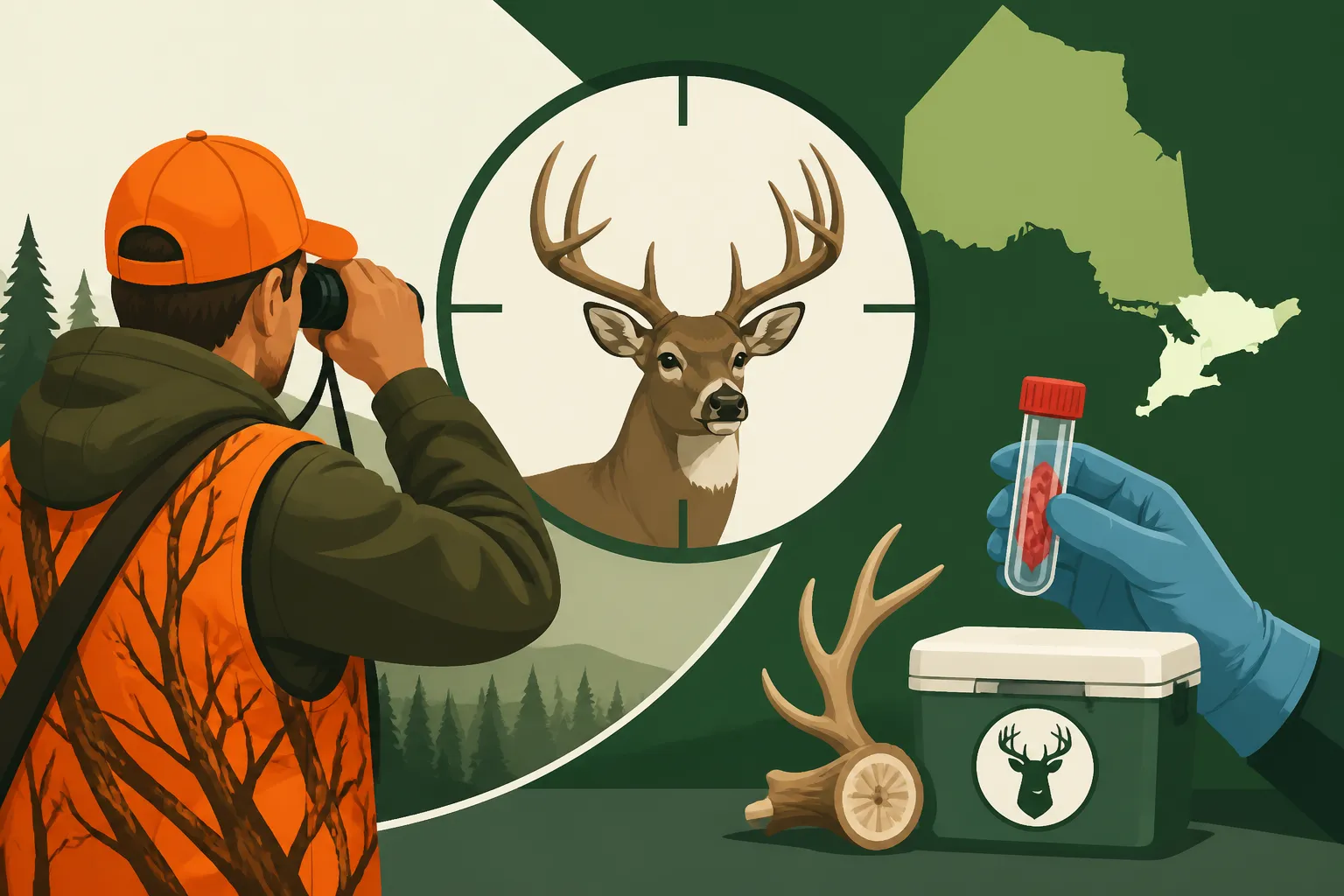
Hunters are encouraged to report any cervid they see that appears sick, unusually thin, or is exhibiting strange neurological symptoms. Beyond reporting sick animals, many hunters also voluntarily submit samples from their harvested deer, moose, or elk. This provides invaluable data, allowing wildlife health officials to test healthy-looking animals and monitor for any hidden CWD presence in the population. Every sample submitted, whether from a suspect animal or a seemingly healthy one, adds another piece to the puzzle, helping to build a clearer picture of Ontario's CWD status. It's a direct way for you to contribute to the health of the very animals you pursue.
How the Program Works on the Ground: Sampling and Protocols
Understanding the "why" behind CWD surveillance is important, but knowing the "how" empowers you to actively participate. Ontario’s program has specific mechanisms in place to gather crucial data, relying on hunters to be both vigilant observers and active contributors.
Targeted Surveillance Areas and Sample Collection
Ontario’s CWD surveillance isn't random; it's highly strategic. Wildlife health officials identify specific areas for focused sampling, often in regions that pose a higher risk. These include areas near provincial or international borders where CWD has been detected in neighbouring jurisdictions, or regions with high cervid densities. Sometimes, specific Wildlife Management Units (WMUs) might be designated for enhanced surveillance. When these zones are identified, information is typically communicated through official channels, and hunters in those areas may find increased opportunities or requests for sample submissions.
For hunter-harvested animals, the typical samples collected are lymph nodes from the head/neck region and portions of the brainstem. These tissues are where CWD prions are most concentrated and detectable. Hunters might be asked to submit these samples at designated drop-off points, which could be specific ministry offices, select meat processors, or even temporary collection stations set up during peak hunting seasons. Clear instructions are provided on how to properly collect and store these samples to ensure their viability for testing. It’s a vital step, and while it adds a small task to your post-harvest routine, it's an investment in the future of our herds. You might even use your GoHunt app to pinpoint the nearest drop-off point relative to your hunting location, making the process smoother. Additionally, samples are also collected from roadkill cervids and those found deceased from unknown causes, ensuring a broader sweep for detection.
The Processing and Reporting of Results
Once a sample is submitted, it embarks on a journey through a specialized laboratory. These facilities use advanced diagnostic techniques to test for the presence of CWD prions. Due to the nature of the testing, it's not an instant process; results can take several weeks, or even longer during periods of high volume. Patience is key here, as accuracy is paramount. Most programs have a system in place to notify hunters of their individual test results, typically by mail or email, allowing you to have peace of mind regarding your harvested animal.
Should a positive CWD case be detected, it triggers an immediate and robust response. This isn't taken lightly. The provincial government will publicly announce the finding, outlining the affected area and any specific measures being implemented. These measures could range from increased surveillance in the surrounding WMUs, special carcass disposal requirements, to localized changes in hunting regulations, all aimed at containing the spread. Transparency and clear communication are vital to ensuring public cooperation and understanding. This is where the importance of reporting your harvest, which is covered in topics like Reporting Your Ontario Harvest, extends beyond just statistical data and directly impacts disease management strategies.
Here’s a simplified breakdown of typical hunter actions related to CWD surveillance:
| Situation | Action for Hunter | Reason |
|---|---|---|
| Healthy harvested animal | Field dress as usual. Consider submitting specific samples (lymph nodes, brainstem) if requested by ministry. | Contributes to baseline data, early detection of asymptomatic cases. |
| Animal showing CWD-like symptoms | Do NOT harvest. Report observation immediately to the ministry. If already harvested, keep separate and report. | Prevents consumption of potentially diseased meat, triggers targeted investigation. |
| Roadkill cervid | Report to local law enforcement or ministry. Do not attempt to salvage without specific authorization. | Provides samples for surveillance, reduces environmental contamination. |
| Transporting carcass/parts | Adhere strictly to regulations regarding carcass movement, especially from CWD-affected areas. | Prevents geographic spread of prions. See Transporting Game Meat in Ontario. |
Mitigating Risk and Looking Forward
The fight against CWD is an ongoing commitment, one that requires continuous adaptation and a shared sense of responsibility. As hunters, our actions in the field and beyond play a monumental role in protecting Ontario's wildlife from this insidious disease.
Safe Handling Practices and Carcass Movement Restrictions
Regardless of CWD, practicing safe handling of all harvested game is always good practice. Wear gloves when field dressing, avoid contact with brain and spinal tissues, and thoroughly clean all tools and surfaces with a bleach solution. These are basic hygiene steps that protect both you and potentially other animals. However, in the context of CWD, these practices become even more critical. Should you ever be hunting in an area with a confirmed CWD case, or even adjacent to one, extra precautions are warranted. This includes removing as much brain and spinal cord tissue as possible during field dressing and proper disposal of these high-risk materials. Information on topics such as Meat Care in Ontario's Warm Early Seasons can be helpful in ensuring your harvest is handled safely and responsibly.
A key pillar of CWD prevention involves strict regulations around the movement of carcasses and certain high-risk parts, especially when coming from outside Ontario. These rules are designed to prevent the physical introduction of CWD prions into our province. Generally, only deboned meat, hides, antlers (cleaned of all tissue), and taxidermy-ready skulls (cleaned of all brain and soft tissue) are allowed to cross borders from CWD-affected areas. Whole carcasses or high-risk parts are typically prohibited. It’s essential to be fully aware of these regulations before bringing any cervid parts into Ontario, even if you’re just passing through. While there’s currently no known evidence of CWD infecting humans, common sense dictates caution. Discussions around Whether CWD Meat Is Safe to Eat consistently emphasize this precautionary principle. Using tools like GoHunt to stay abreast of current WMU regulations, or to check for CWD advisories that might impact your hunting plans, is a smart move for any diligent hunter.
The Future of CWD Management in Ontario
Ontario's CWD surveillance program isn't a static plan; it's a dynamic strategy that evolves with new scientific understanding, technological advancements, and the changing landscape of CWD prevalence in North America. This ongoing vigilance means that strategies are regularly reviewed, research into detection methods continues, and communication with hunters and the public remains a priority. The ministry continuously monitors CWD developments in neighbouring jurisdictions, adapting its own protocols to maintain the highest level of protection for Ontario's wildlife. We've learned a lot from other jurisdictions and their experiences, which informs Ontario's proactive stance.
Ultimately, the future of CWD management in Ontario rests on a collective, long-term commitment. It's about protecting the diverse populations of species like White-Tailed Deer Across Ontario and Moose in Ontario's Boreal Forest. This isn't just about government agencies; it's about every hunter, every landowner, and every outdoor enthusiast understanding their role and acting responsibly. Our actions today, from reporting sick animals to adhering to carcass movement rules, directly impact the health of our cervid populations for generations to come. Programs that monitor general herd health, such as how Ontario counts its game, also contribute to our understanding of wildlife populations and their susceptibility to various diseases, including CWD. The collaborative spirit, combined with practical tools like GoHunt for staying informed and planning ethically, will be our strongest defence against CWD establishing a foothold in the province.
Disclaimer
This article is for general informational purposes only and does not constitute professional advice. Laws, prices and regulations vary by location and change over time. Consult a qualified professional for guidance on your specific situation.