Transporting Game Meat in Ontario
Alright, fellow hunters and outdoor enthusiasts, let's talk about something that can be a real head-scratcher after a successful hunt: getting your hard-earned game meat home. It's exhilarating to fill a tag, but the regulations around transporting that meat in Ontario can feel like a maze, leaving many of us scratching our heads about what's legal and what's not. This guide is all about demystifying those rules, ensuring your precious harvest makes it safely and legally from the field to your freezer, without any unnecessary stress or hiccups along the way.
Understanding Ontario's Rules for Transporting Game
Ontario has some very specific regulations regarding how you handle and transport game meat, and for good reason. These rules are in place to prevent illegal hunting, manage wildlife populations, and ensure public health. It's not just about getting the meat home; it's about doing it correctly. Many hunters, especially those new to the province or new to big game, get caught off guard by the nuances. The frustration of not wanting to mess up after all that effort is real, and it's why understanding these details is so crucial. From the moment you pull the trigger or release an arrow, a clock starts ticking, and certain procedures become mandatory.
Immediate Requirements After Harvest
The very first thing you need to do once you've successfully harvested an animal in Ontario is properly tag it. This isn't just a suggestion; it's a legal obligation. Your game seal, which comes with your licence or validation, must be immediately and securely attached to the animal. For big game like deer, moose, or bear, the seal typically goes on a major tendon or antler, as specified by the regulations for that species. The key here is "immediately." You can't just throw the animal in the truck and figure out the tag later. It needs to be attached right at the site of the kill, before you move the animal more than a few meters from where it fell.
Beyond the physical tagging, you also need to make sure you adhere to the specific rules for Ontario Tag Notching and Attachment Rules. This includes notching your tag immediately to indicate the date and time of harvest. Forget to notch, or notch incorrectly, and you could face serious penalties. This might seem like a small detail in the grand scheme of an exciting hunt, but it's one that conservation officers take very seriously. Some hunters even find it helpful to use a robust tag holder, like those offered by companies such as GoHunt, to ensure the tag remains securely fastened and visible throughout the transport process, preventing accidental loss or damage.
Evidence of Sex and Species Identification
This is another critical area where hunters often stumble. For many species, especially deer and moose, regulations require you to retain evidence of sex and sometimes species while the animal is being transported. Why? Because it helps verify that you've harvested a legal animal according to your tag and the season’s restrictions (e.g., antlered vs. antlerless deer, bull vs. cow moose). If you have a tag for an antlerless deer, for example, you need to be able to prove that the deer you're transporting was indeed antlerless.
Typically, this means leaving certain parts of the animal intact until it reaches its final destination for processing. For deer, this often means leaving the head with antlers (if applicable) naturally attached to the carcass, or in the case of an antlerless deer, the head or other specific anatomical features. Moose often require similar adherence to Evidence of Sex Requirements. The goal is to allow a conservation officer to easily identify the species, sex, and approximate age of the animal. Removing these indicators prematurely can lead to fines, even if you harvested legally. It’s always best to err on the side of caution. Imagine explaining to an officer why you separated the head from your bull moose when your tag specified a bull – it’s a conversation you want to avoid. This isn’t just about proving legality; it’s about aiding wildlife management efforts by ensuring accurate reporting and adherence to bag limits and specific tag types.
Preparing Your Harvest for Transport
Once you've got your animal legally tagged, the next step is getting it ready for the journey home. This isn't just about compliance; it's vital for preserving the quality of your meat. Nobody wants to put all that effort into a hunt only for the meat to spoil due to improper handling. The field care you provide immediately after the kill directly impacts the table quality later on, especially if you're hunting in a remote area or facing warmer weather conditions.
Field Dressing and Initial Cooling
Proper Field Dressing in Warm Ontario Weather is paramount. As soon as possible after tagging, you need to field dress your animal to remove the internal organs. This allows the carcass to begin cooling down rapidly, which is essential to prevent bacterial growth and souring of the meat. In early seasons, like the late September archery opener or early fall bear hunts, temperatures can still be quite warm, making quick and efficient field dressing even more critical. If you're hunting in northern Ontario's big bush, far from a cooler, getting that body heat out of the animal is your number one priority.
After field dressing, the goal is to continue cooling the carcass. If you're still in the field, propping the cavity open with sticks can help air circulation. In colder weather, this might be enough, but in warmer conditions, you might need to get more creative. Ice packs, snow (if available), or even submerging parts of the carcass in cold water can assist. For many hunters, especially those on multi-day trips, this means having a plan for Meat Care in Ontario's Warm Early Seasons or Hanging Meat in Fall Temperature Swings. Considerations also include protecting the meat from dirt, insects, and scavengers. Using game bags is highly recommended for this purpose, keeping the meat clean while still allowing it to breathe and cool. Some hunters even carry a portable game hoist to get the animal off the ground for better air circulation and easier skinning, if that's part of their field processing plan.
Packaging and Labelling Requirements
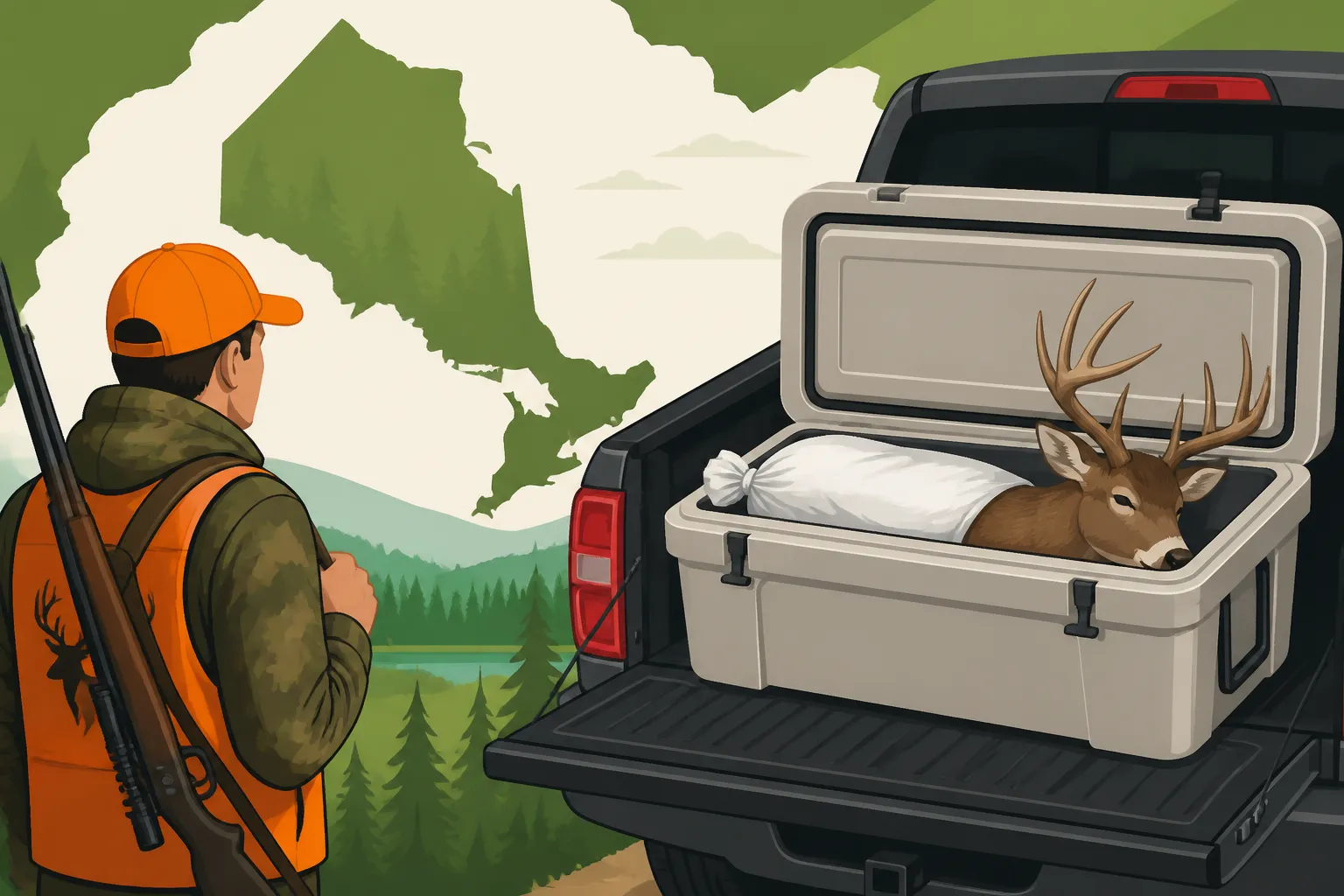
Once the carcass has cooled sufficiently and you're ready for the actual transport, how you package and label it matters. While Ontario regulations are fairly broad on this for personal consumption within the province, there are best practices and specific requirements if you're crossing borders or using commercial processors. For general transport within Ontario, the meat should be kept clean and cool. This often means using large coolers with ice, or in colder weather, simply wrapping the quarters in clean tarps or game bags in the back of your vehicle.
If you’re taking your meat to a commercial butcher, they will often require certain parts of the animal (like the head/antlers if it’s a trophy) to remain with the meat until processing is complete, to ensure compliance. For migratory birds, specific regulations apply under the Federal Migratory Game Bird Permit, often requiring one fully feathered wing to remain attached to the carcass until it's processed at your residence.
For all types of game meat, clear labelling of packages is a good idea. While not strictly mandated for private transport within Ontario, labelling helps you keep track of what meat is what, and can be crucial for customs or inspection if you’re moving meat out of the province. Labels should include the hunter's name, species, and date of harvest. This level of detail isn't just about organization; it’s about traceability, which is a key component of ethical hunting and wildlife management.
Here's a quick reference table for common game transport considerations:
| Game Species | Tagging Requirement | Evidence of Sex/Species | Recommended Cooling | Packaging Tips | Special Notes |
|---|---|---|---|---|---|
| Whitetail Deer | Immediately attach to hock or antler | Head/antlers attached | Field dress, hang/ice | Game bags, cooler with ice | Retain sex evidence until processed at home. |
| Moose | Immediately attach to hock or antler | Head/antlers attached | Field dress, quarter, ice | Large game bags, heavy-duty coolers, snow | Quartering often necessary for transport. |
| Black Bear | Immediately attach to hock | Evidence of sex | Field dress, cool fast | Game bags, cooler with ice | Hide and skull often kept for taxidermy/tanning. |
| Wild Turkey | Immediately attach to leg | Proof of sex/species | Gut, ice | Ziploc bags, cooler with ice | Keep a wing attached until processed. |
| Waterfowl | Not individually tagged | One fully feathered wing | Ice | Ziploc bags, cooler with ice | Non-Toxic Shot Requirements for Waterfowl apply. |
| Small Game | Not individually tagged | N/A | Ice | Ziploc bags, cooler with ice | Transport whole or gutted; no specific sex evidence. |
Transporting Within Ontario vs. Inter-Provincial/International
The rules change quite a bit depending on whether your game meat is staying within Ontario's borders or heading elsewhere. It's a common oversight, and one that can lead to major headaches at border crossings if you're not prepared. Many non-resident hunters come to Ontario for the fantastic opportunities, and they need to be extra diligent about understanding export requirements.
Transporting Within Ontario's Borders
For the most part, once your game animal is properly tagged, field dressed, and you've retained the required evidence of sex, moving it within Ontario is relatively straightforward. The primary concerns are maintaining the integrity of the tag, keeping the meat cool and clean, and ensuring you can prove lawful harvest if stopped by a conservation officer. This means having your valid hunting licence and tag readily available. If you've been Hunting Moose on an Ontario Logging Road or Hunting Whitetails on Ontario Crown Land in a remote area, you’ll likely have a long drive back. Make sure your Truck Kit for a Northern Ontario Hunt includes adequate cooling solutions and supplies to protect your meat.
The Ontario Hunting Regulations Summary, accessible through resources like the GoHunt platform, is your best friend here. It outlines specific rules for each species and region, and it's something every hunter should review thoroughly before heading out. Don't rely on hearsay or what "everyone else does." It's your responsibility to know and follow the current regulations. Remember, even a short drive to a local butcher shop or your home still counts as transport, and all requirements apply. Ensuring the meat is in a clean container, away from contaminants, is just good practice for food safety.
Crossing Provincial Lines or International Borders
This is where things get significantly more complex, especially for non-resident hunters. If you're a non-resident hunter and want to take your Ontario-harvested meat or trophy parts back home, whether to another Canadian province or internationally (most commonly to the United States), you will need specific documentation. The process for Taking Meat and Antlers Across the Border is not something to be taken lightly.
For non-residents, the most crucial document is the Non-Resident Export Permit. This permit authorizes you to take your game meat and/or trophy parts (like antlers, hides, or skulls) out of Ontario. Without it, you risk having your meat confiscated at the border, and potentially facing penalties. The permit will specify the species, quantity, and hunter information. You cannot just show up at the border with a cooler full of moose steaks and expect to sail through.
Beyond the provincial export permit, if you're crossing international borders into the U.S., you'll also need to comply with U.S. Fish and Wildlife Service regulations and potentially USDA import requirements. This can involve forms, inspections, and sometimes even specific processing requirements (e.g., bone-in vs. boneless meat). Always check with the relevant U.S. agencies before your hunt to understand their latest rules. You might also need to understand What the Export Permit Covers and ensure it aligns with what you plan to transport. The consequences of not having the correct paperwork can range from delays and frustration to significant fines or even forfeiture of your harvest. Planning ahead and having all your documents in order is the only way to avoid these potential pitfalls and enjoy the bounty of your successful hunt back home. Remember that many outfitters are well-versed in these requirements and can assist, but the ultimate responsibility lies with the hunter.
Disclaimer
The information provided in this guide is for general informational purposes only and does not constitute legal advice. Hunting regulations in Ontario can change, and it is the responsibility of every hunter to consult the most current Ontario Hunting Regulations Summary and other relevant government publications before and during their hunt. Always prioritize safety and legal compliance.