Ontario Tag Notching and Attachment Rules
The moment you finally connect with your quarry in Ontario’s vast wilderness, a wave of relief and triumph washes over you. But that exhilarating rush can quickly be overshadowed by the sudden, nagging worry: "Did I get the tag right? Is it properly notched? Will it stay on?" It’s a common frustration, and a mistake here can turn a successful hunt into a stressful encounter with enforcement. This guide is designed to thoroughly explain Ontario’s tag notching and attachment rules, making sure your hard-earned harvest is processed correctly and legally, giving you peace of mind.
The Core Frustration: Why Tags Matter More Than You Think
Let's be honest, after the adrenaline of a successful hunt, the last thing many of us want to do is fumble with a small paper tag, trying to remember exactly which boxes to punch or cut. It feels like a bureaucratic hurdle, a formality that detracts from the primal satisfaction of providing for your family. But these tags are far more than just paper. They are the linchpin of Ontario's wildlife management system, and understanding their importance, and the consequences of missteps, is crucial for every hunter. Many seasoned hunters have faced that gut-wrenching feeling of doubt, wondering if they’ve made a critical error in the excitement of the moment.
Beyond Just a Piece of Paper: The Legal Ramifications
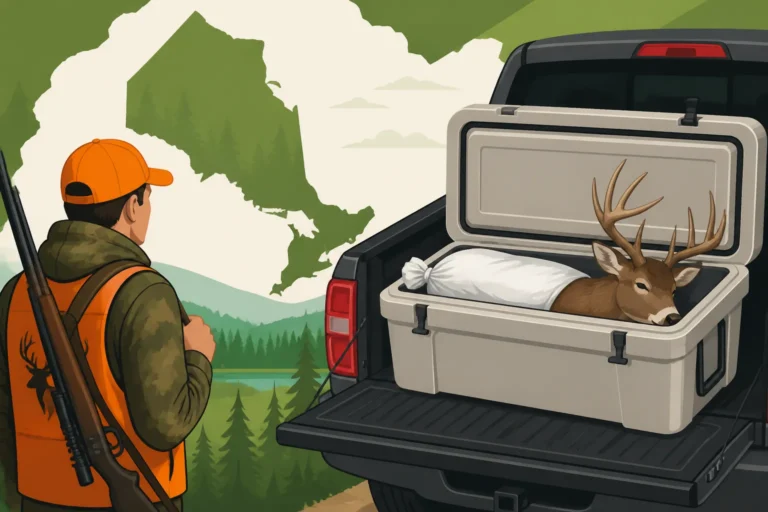
Imagine the scenario: you've successfully harvested a beautiful whitetail buck in the depths of the Hunting Ontario's Mixed Hardwood Bush. You've worked hard, tracked meticulously, and finally made a clean shot. As you approach, the excitement is palpable. You start the field dressing process, maybe you’ve even pulled out your phone to snap a few photos. But then you remember the tag. You pull it out, and in the low light or with shaky hands, you accidentally notch the wrong date, or you realize you left your pen back at the truck to fill out the crucial details. Suddenly, that moment of triumph is tainted with anxiety.
Conservation officers are out there, not to spoil your fun, but to ensure that the rules designed to protect our wildlife are being followed. A improperly notched or attached tag isn't just a minor oversight; it can be considered a serious offence under the Fish and Wildlife Conservation Act. This isn't about giving you a slap on the wrist; depending on the severity, it could lead to substantial fines, loss of your hunting licence, or even seizure of your game and equipment. These are consequences that no hunter wants to face, turning a cherished memory into a legal nightmare. It’s a stark reminder that attention to detail, even in the excitement, is paramount.
Protecting the Resource and Ensuring Fair Chase
Beyond the legal aspect, proper tagging serves a vital role in wildlife conservation. Every tag, when correctly completed and reported, contributes to the data that the Ministry of Natural Resources and Forestry (MNRF) uses to monitor populations, assess harvest rates, and set future season dates and bag limits. When you correctly fill out your tag, noting the date, time, and sex of the animal, you're directly participating in the scientific management of Ontario's game species.
Consider the example of moose hunting in Northern Ontario. The Ontario's Moose Tag Allocation Process is incredibly intricate, designed to manage a species that faces various challenges, including Ontario's Moose Population Decline. If tags aren't accurately notched and attached, it skews the data, making it harder for wildlife managers to get an accurate picture of the harvest. This could lead to incorrect decisions about future tag allocations, potentially impacting the health of the moose population or limiting hunting opportunities down the line. It's about responsible stewardship, ensuring that future generations of hunters can enjoy the same opportunities we have today. Proper tagging is a small act with a big impact on the overall health and sustainability of our shared natural resources.
Understanding Ontario's Tag Notching Requirements
The act of notching your tag might seem straightforward, but it's where many hunters, even experienced ones, can stumble. Ontario's regulations are precise, and understanding the "why" behind each step can help you remember the "how." It’s not just about marking off a box; it’s about making a clear, undeniable record of your harvest, immediately at the point of kill. This permanence is key.
The Specifics of Notching Your Big Game Tag
When you finally get your hands on that valid tag for big game like deer, moose, or bear, take a moment to really look at it. You’ll notice specific areas for the date of harvest, the time of harvest (often AM/PM or military time), and sometimes the sex of the animal. The critical rule in Ontario is that immediately after the animal is killed, and before it’s moved, you must validate your tag. This means making a permanent mark, typically by notching or punching out the specific day, month, and time. For deer, you'll also indicate the sex. For some tags, you might even need to sign and print your name.
I've seen hunters try to use a pen to cross out the date, or simply fold the paper. That's a huge no-no. "Notching" implies a physical removal of material from the tag, creating a clear and permanent record. A small knife, the tip of a bullet, or even a sturdy fingernail can be used to tear or punch out the relevant information. Many hunters, myself included, carry a small, sharp utility knife specifically for this purpose. Others prefer a small hole punch that attaches to their keyring. The key is that it must be clear and unambiguous. If there's any doubt about which date or time you intended to mark, you could be in trouble. Also, remember to fill out your Ontario Hunter Education Requirements before you head out, so you're fully prepared.
Timelines and Immediate Action After a Harvest
The phrase "immediately after the animal is killed" isn't just bureaucratic jargon; it's a critical legal requirement. This means as soon as you are certain the animal is down and deceased, and before you even consider moving it an inch, that tag needs to be validated. Think of it as the very first step in processing your game, even before Field Dressing in Warm Ontario Weather or contemplating how you'll drag it out.
Why is this so important? It prevents scenarios where tags could be re-used, or where an animal is "claimed" by someone without a valid tag, or even where a hunter might try to tag an animal shot by another individual illegally. It enforces accountability and ensures that each harvested animal corresponds to one valid tag. For instance, if you're out Hunting the Rut in Early to Mid November for whitetails, and you down a buck far from the trail, you absolutely must notch that tag right there, in the bush, before you start the arduous task of dragging your prize out. Trying to move the animal, even a short distance, before the tag is validated is a violation. Tools like GoHunt can help you quickly review these rules on your phone if you have service, ensuring you're always compliant.
Proper Attachment: Keeping Your Tag Secure and Visible
Once your tag is correctly notched and filled out, the next crucial step is attaching it to your animal. This might sound simple, but the challenging environments of Ontario's hunting grounds—dense bush, wet weather, and rough terrain—can make securing a tag a real test. A lost tag is as bad as an unnotched one, creating confusion and potential legal issues.
Methods of Attachment: Best Practices for Durability
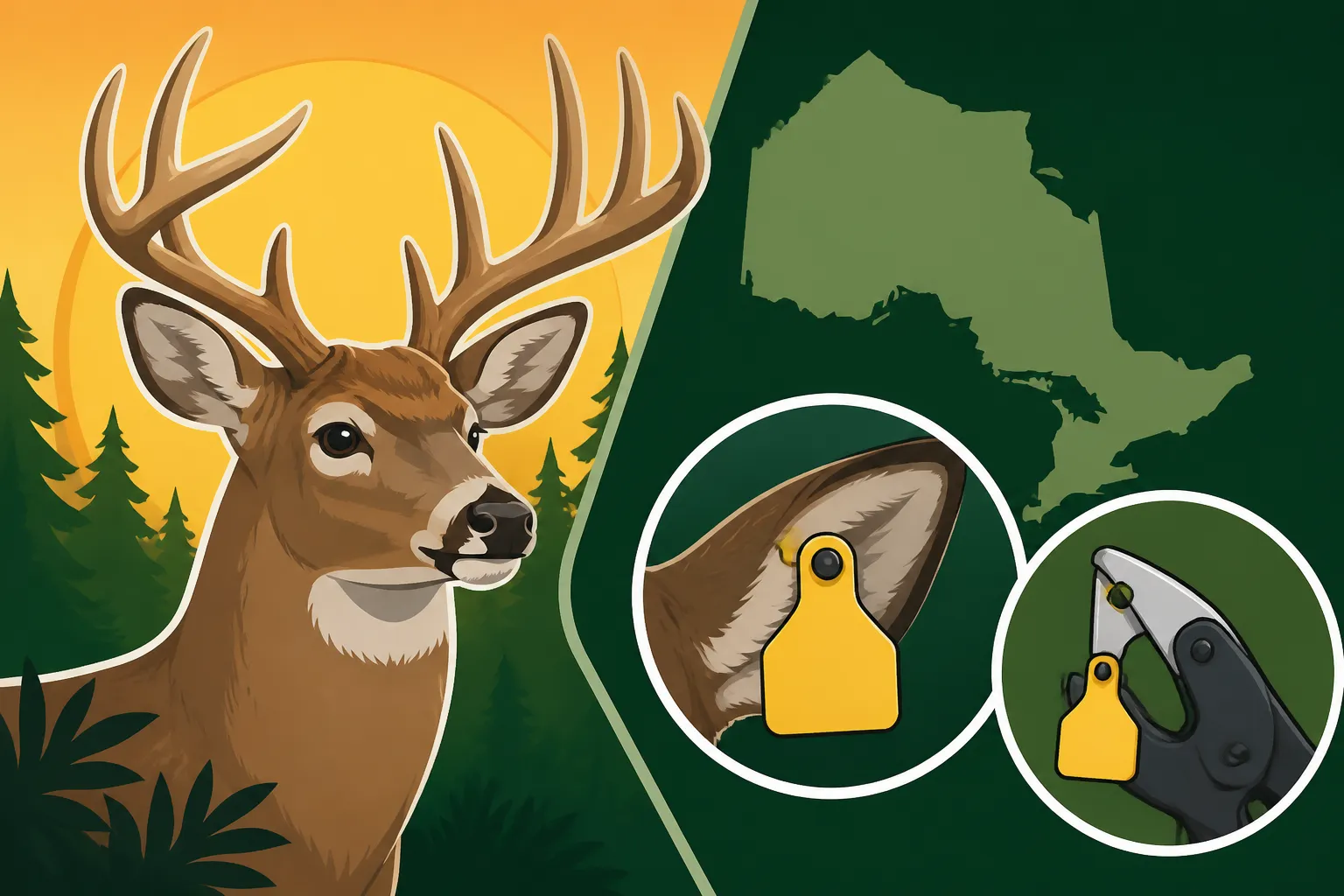
Ontario regulations stipulate that the tag must be "securely affixed" to the animal. For deer, bear, and elk, this usually means attaching it to the ear or leg. For moose, it’s typically an antler (if applicable) or a leg. The goal is simple: that tag needs to stay with the animal until it's processed at its final destination or consumed.
Forget flimsy string or elastic bands. They simply won't hold up to the rigours of hauling a heavy animal through the bush, dealing with brush, snow, or rain. Instead, most seasoned Ontario hunters swear by heavy-duty zip ties. They are strong, weatherproof, and can be cinched down tightly, making it very difficult for the tag to tear off accidentally. Another good option, especially if you forget zip ties, is a strong piece of nylon cord or even a strip of duct tape, though zip ties are generally preferred for their durability. Make sure you use a method that won't easily break or detach if the animal is dragged, loaded onto an ATV (check ATV Rules on Ontario Crown Land), or transported in a vehicle. The last thing you want is to arrive at camp only to find your tag missing, leading to questions about the legality of your harvest.
Visibility and Accessibility for Conservation Officers
Beyond just staying attached, your tag needs to be visible and accessible. This isn't just for convenience; it's a requirement for conservation officers (COs) to easily inspect your harvest. Imagine a CO stopping you on a logging road after a successful hunt. They shouldn't have to rummage through the back of your truck or struggle to find a tag buried under a tarp or deep within thick fur.
The best practice is to attach the tag to a prominent, easily visible part of the animal. For deer, an ear is often ideal. For moose with antlers, securely attaching it to an antler can work, or if not, a hind leg. The tag should be placed in a way that allows a CO to quickly read the validation marks without having to move the animal significantly. This not only makes their job easier but also shows that you are a responsible and compliant hunter. Remember, the CO might also need to verify Evidence of Sex Requirements, so ensuring both the tag and the relevant parts of the animal are accessible is crucial. Before you leave the field, take a second to ensure your tag is not only secure but also clearly displayed, so there are no ambiguities. GoHunt often has visual guides that can help confirm optimal tag placement for various species.
Common Pitfalls and How to Avoid Them
Even with the best intentions, things can go wrong in the field. Weather can be unpredictable, tags can get lost, and the excitement can lead to momentary lapses in memory. Being prepared for these common pitfalls can save you a lot of grief.
Weather Woes: Protecting Your Tag from the Elements
Ontario's weather is famously diverse and can change in an instant. A sunny autumn morning can quickly turn into a torrential downpour or a sudden snow squall. Paper tags, naturally, are vulnerable to moisture. A soggy, illegible tag is almost as bad as a missing one, as the vital information might be blurred or washed away, making it impossible to verify.
To combat this, many hunters laminate their tags before they head out, or at the very least, carry them in a waterproof pouch or ziplock bag until needed. Some prefer the tear-resistant synthetic paper tags that are sometimes available, which fare much better in wet conditions. Once attached to the animal, if you anticipate significant rain or snow during transport, consider covering the tag with a piece of clear packing tape or a small plastic bag, secured with another zip tie, to add an extra layer of protection. This simple step can prevent the heartache of a ruined tag after all your hard work, especially if you're taking your game to a butcher or transporting it a long distance, where Transporting Game Meat in Ontario rules apply.
Lost or Damaged Tags: What to Do Next
It's every hunter's nightmare: you've harvested an animal, but somewhere between the kill site and the truck, your tag disappears, or it's so badly damaged it's unreadable. What do you do? The first, most important rule is do not panic, and do not move the animal from where it was found without the tag. Contacting the MNRF or a local conservation officer immediately is your best course of action. Explain the situation honestly and follow their instructions precisely.
Attempting to 'fix' the problem yourself, like using another hunter's tag (which is illegal) or fabricating a new one, will only compound your troubles significantly. The rules around Ontario's Outdoors Card Explained and individual licensing mean that each tag is tied directly to you. While it might feel awkward or embarrassing to report a lost or damaged tag, it's far better than facing charges for unlawful possession of game. Keeping a digital photo of your validated tag on your phone can also serve as supporting evidence, though it's not a substitute for the physical tag. Platforms like GoHunt remind hunters to keep their permits and tags accessible and protected, minimizing these risks.
Summary of Ontario Big Game Tagging Requirements
To help keep all the crucial details straight, here's a quick reference for notching and attachment rules for Ontario's major big game species:
| Species | Validation Method | Attachment Location | Durability Best Practice | Visibility Requirement |
|---|---|---|---|---|
| White-Tailed Deer | Notch Month, Day, Time (AM/PM), Sex, Sign | Ear or Leg | Heavy-duty zip ties | Clearly visible |
| Moose | Notch Month, Day, Time (AM/PM), Sign | Antler (if present) or Leg | Heavy-duty zip ties, durable cord | Clearly visible |
| Black Bear | Notch Month, Day, Time (AM/PM), Sign | Ear or Leg | Heavy-duty zip ties | Clearly visible |
| Elk | Notch Month, Day, Time (AM/PM), Sign | Ear or Leg | Heavy-duty zip ties | Clearly visible |
Always consult the current Ontario Hunting Regulations Summary for the most up-to-date and specific rules for your licence and WMU.
Final Thoughts on Compliance and Ethical Hunting
Navigating the rules and regulations of hunting in Ontario can sometimes feel like a puzzle, but each piece, including tag notching and attachment, serves a purpose in maintaining our hunting heritage and the health of our wildlife. It’s about more than just avoiding a fine; it’s about upholding the integrity of the sport and demonstrating respect for the animals we pursue. Remember to review the annual Ontario Hunting Licences and What They Cost and understand all the requirements for Reporting Your Ontario Harvest post-hunt.
Being a responsible hunter means doing your homework, staying current with regulations (many hunters use resources like GoHunt to stay informed), and applying diligence in the field—even in the heat of the moment. By understanding and meticulously following these tag rules, you’re not just being compliant; you’re contributing to sustainable wildlife management and ensuring that the thrill of the hunt remains a cherished tradition for generations to come.
Disclaimer
The information provided in this guide is for general informational purposes only and is not a substitute for official government regulations. Always refer to the most current Ontario Hunting Regulations Summary published by the Ontario Ministry of Natural Resources and Forestry (MNRF) or consult directly with a conservation officer for definitive legal requirements. Hunting regulations can change annually, and it is the hunter's responsibility to know and follow all applicable laws.