Ontario Gun Season Opening Day
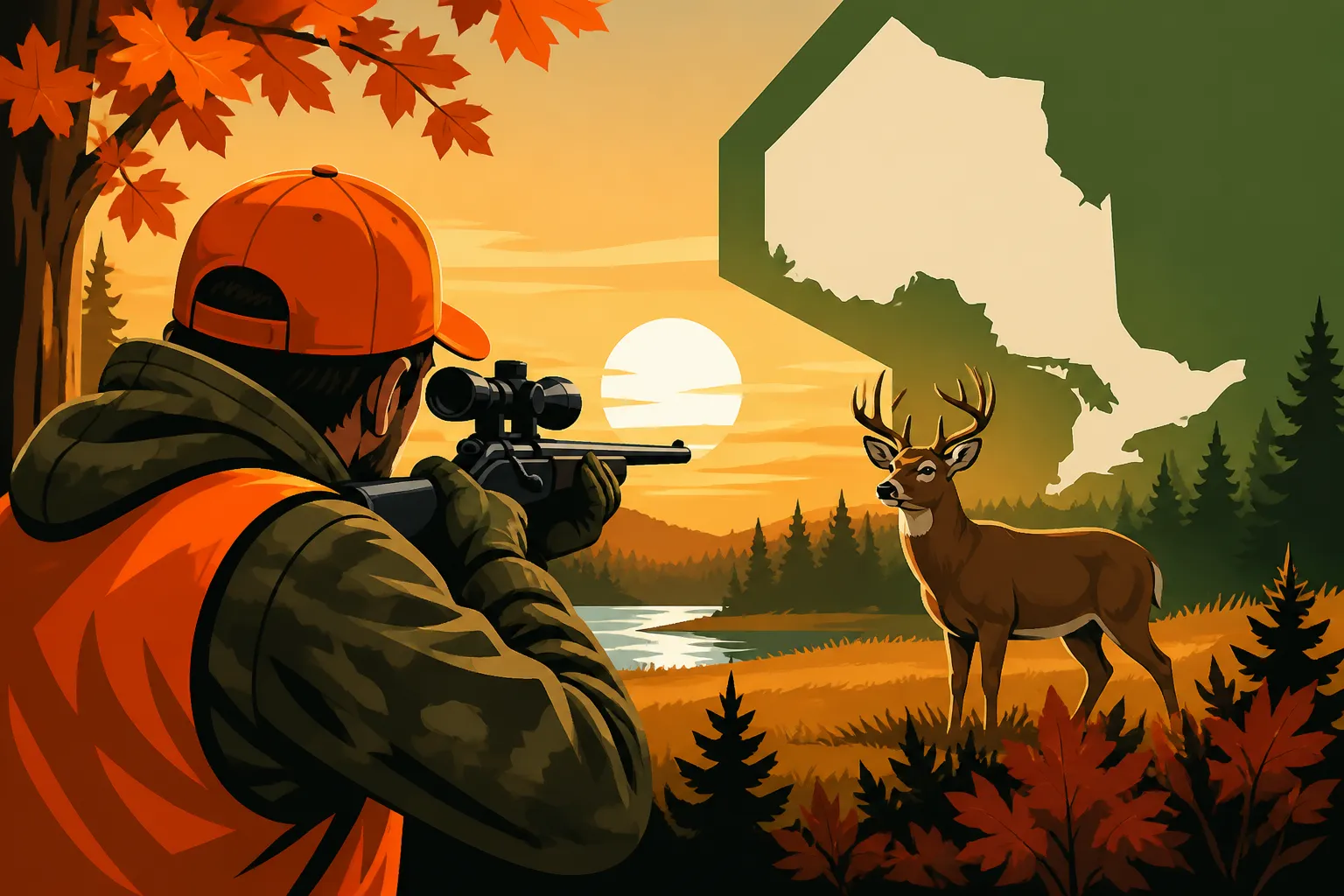
There’s nothing quite like the collective buzz that builds in Ontario as firearm season approaches. For many of us, it’s the pinnacle of the deer hunting calendar, a time marked by crisp autumn air and the promise of venison for the freezer. But let’s be real, figuring out the exact Ontario Gun Season Opening Day can sometimes feel like trying to solve a cryptic puzzle, especially with all the regional variations. This comprehensive guide is here to cut through the confusion, helping you pinpoint your specific opening day and get ready for a successful hunt.
Understanding the Calendar: When Gun Season Really Kicks Off
The anticipation leading up to Ontario's gun season opening day is palpable. After months of scouting, checking trail cameras, and maybe even a little Bowhunting Ontario's Long Archery Season in the early fall, the opportunity to carry a rifle into the woods for deer is what many hunters live for. But here’s the rub: there isn't one single "opening day" across the entire province. Ontario's vast geography and diverse deer populations mean that deer season dates, particularly for firearms, are staggered depending on where you plan to hunt. This can be a source of frustration, but it’s designed to manage hunter pressure and deer herds effectively across different regions.
Why Dates Vary So Much Across Ontario
The Ministry of Natural Resources and Forestry (MNRF) divides Ontario into numerous Wildlife Management Units, or WMUs, and each of these units has its own specific set of regulations and season dates. This isn't just to make things complicated, though it can certainly feel that way when you're trying to plan your trip! Instead, it’s a strategic approach based on ecological factors, deer density, habitat, and even population trends. For instance, northern WMUs often have shorter seasons due to harsher winters and lower deer populations, while some southern WMUs might have longer or more varied seasons to manage higher deer numbers. Understanding these regional nuances is absolutely critical. You simply can't assume that if your buddy in Eastern Ontario has his opener on a certain day, yours in the southwest will be the same. This variability is a fundamental aspect of Ontario's Wildlife Management Units.
Common Opening Day Scenarios
While there's no universal date, you'll generally find that the main firearm deer seasons in Ontario tend to open in early to mid-November, often starting on a Saturday. This creates a prime weekend opportunity for hunters to get out. However, there are WMUs that open earlier in late October, particularly in some northern or central regions. Conversely, some southern agricultural areas might see their main gun season open a bit later or have specific controlled hunts with unique start dates. For example, many WMUs in Southern Ontario Farmland might align their general gun seasons around the second or third Saturday of November, aiming to hit the tail end or peak of the rut, offering fantastic opportunities for Hunting the Rut in Early to Mid November. Always, always consult the official Ontario Hunting Regulations Summary for your specific WMU. Tools like GoHunt can be incredibly helpful for quickly referencing these dates and even overlaying them with property lines and satellite imagery, making your pre-season planning much smoother.
Regional Differences: Why Opening Day Isn't the Same Everywhere
The sheer size and ecological diversity of Ontario means that a one-size-fits-all approach to hunting seasons just wouldn't work. From the vast boreal forests of the north to the patchwork of fields and woodlots in the south, deer populations face different pressures and thrive in varying conditions. This means that opening day in one part of the province can feel like a completely different world compared to another, not just in terms of the date, but also in terms of hunting conditions, deer behaviour, and hunter density.
Northern Ontario vs. Southern Ontario Openers
Think about the stark contrast between hunting up near Thunder Bay and trying to fill your tag near London. In Northwestern Ontario's big bush, the gun season might open a bit earlier, perhaps in late October, to give hunters a chance before heavy snows really set in and to account for potentially lower deer densities and earlier rutting activity. The hunting pressure here, while present, is often spread out over immense tracts of Hunting Ontario's Crown Land. Hunters might be dealing with cold temperatures, early snowfalls, and a more rugged wilderness experience. Success often hinges on covering ground, reading subtle sign, and being prepared for remote conditions.
Compare that to Southern Ontario, where opening day can be a bustling affair. The landscape is often a mix of dense agricultural fields, smaller bush lots, and suburban sprawl. Here, deer densities can be quite high, but so is hunter competition. Seasons in these WMUs might often kick off mid-November, perhaps aligning with the peak of the rut, and hunters often target field edges, woodlots, and creek bottoms. The weather might be milder, but the challenge often lies in navigating private land access and dealing with higher hunter numbers.
WMU Specifics: Your Go-To Source for Dates
Given this variability, your absolute first stop for determining your exact opening day must be the official Ontario Hunting Regulations Summary, specifically the section on Ontario Deer Season Dates and Tags. You'll need to know the specific Wildlife Management Unit (WMU) you plan to hunt in. If you're unsure, now's the time to learn. Many hunters use mapping apps or the MNRF's online resources to identify WMU boundaries. Once you have your WMU, cross-reference it with the regulation summary.
Let's look at an example. Imagine you're hunting in WMU 64A, which might be found in Central Ontario's mixed forest. Its general firearms season for deer could run from November 1st to November 10th. However, if you're looking at WMU 79C in Southwestern Ontario farmland, that same season might begin November 9th and run until November 16th. These are significant differences! Missing your specific opening day because you assumed a provincial blanket date is a heartbreaking mistake that could cost you an entire hunting opportunity. Digital mapping tools, including the public land layers on GoHunt, can often display WMU boundaries right on your phone, making it easier to confirm your location and applicable regulations in the field.
To illustrate, here's a hypothetical table showing how varied the opening days can be:
| WMU (Hypothetical) | Region | General Firearms Season Start Date | General Firearms Season End Date | Notes |
|---|---|---|---|---|
| 14 | Northwest Boreal | October 28 | November 5 | Earlier opener due to colder climate, less pressure. |
| 47 | Central Mixed Forest | November 4 | November 12 | Standard mid-province opener, often targeting peak rut. |
| 76 | Southern Farmland | November 11 | November 18 | Later opener, higher deer density, potential for controlled hunts. |
| 82 | Eastern Transition | November 4 | November 12 | Similar to central, but may have specific antlerless tag rules. |
Note: These are illustrative dates and WMU numbers. Always check the current official Ontario Hunting Regulations Summary for accurate information.
It's also worth noting that some WMUs have specific "Controlled Deer Hunt Validations" which are different from the general gun season. These often have their own specific opening dates and are allocated via a draw system. This is an entirely separate ball game from the regular firearms season, so make sure you're clear on which type of hunt you're participating in.
Preparing for Opening Day: Your Checklist for Success
The thrill of opening day is undeniable, but success isn't just about showing up with a rifle. Proper preparation is paramount, not only for increasing your odds of filling a tag but, more importantly, for ensuring a safe and responsible hunt. From checking your gear to confirming your knowledge of the rules, there’s a lot to do before that first light.
Gear Check and Firearm Readiness
Before you even think about stepping into the bush, your gear needs to be in tip-top shape. This means more than just grabbing your rifle. Start with your firearm itself. Has it been cleaned and properly maintained since last season? Is your scope mounted securely and sighted in? A few rounds at the range are non-negotiable. You need to be confident in your shot placement, especially with the adrenaline of opening day. Don't forget to check your ammunition – ensure you have enough, and that it's the correct calibre and type for Legal Firearms and Bows for Big Game in Ontario.
Beyond your firearm, think about your clothing. Early November in Ontario can bring anything from a mild, sunny day to a full-blown snow squall. Layering is key. Ensure you have proper waterproof and insulated outerwear, suitable boots for navigating wet bush or even snow, and sufficient blaze orange as required by Ontario Blaze Orange Requirements. This isn't just a recommendation; it's a legal safety measure that protects all hunters. Check your treestand for any wear and tear if you use one, and make sure your safety harness is in good condition. Don't forget essentials like a good knife, field dressing gloves, flagging tape, a headlamp, and a first-aid kit. Having a reliable map and compass, or a GPS device/app like GoHunt, is also crucial, especially when Hunting Ontario's Mixed Hardwood Bush where it's easy to get turned around.
Final Scouting and Understanding Deer Movement
Even if you've been scouting for months, a final reconnaissance trip a week or two before opening day can provide invaluable, up-to-the-minute information. Look for fresh sign: new rubs, scrapes, heavy tracks, and recent feeding areas. Pay attention to changes in vegetation, prevailing wind patterns, and any new human activity that might have altered deer movements. Deer behaviour can shift dramatically with pressure, so understanding potential escape routes and bedding areas is critical.
During this final scout, consider where other hunters might set up. Opening day often brings increased pressure, and deer will react by moving to thicker cover or becoming more nocturnal. Knowing this, you might adjust your strategy to hunt areas that others overlook, or position yourself to intercept deer moving away from pressure. If you've been doing your homework with tools like GoHunt, you've likely identified key funnels and pinch points. Now is the time to verify those observations on the ground. Remember that understanding Reading Whitetail Sign in Ontario Hardwoods is an ongoing process.
Reviewing Regulations and Licensing
This can't be stressed enough: know the rules. Before opening day, take the time to thoroughly review the current Ontario Hunting Regulations Summary. Don't rely on what you remember from last year, or what your cousin's friend said at the camp. Regulations change, and ignorance is no excuse. Double-check:
- Your specific WMU's opening and closing dates and times for deer.
- Bag limits: How many deer can you harvest? Is it an antlered buck only, or are antlerless tags valid?
- Legal hunting hours: These are clearly defined.
- Tagging requirements: How do you properly notch and attach your tag?
- Evidence of sex requirements: What parts of the animal must remain attached for transport?
- Blaze orange requirements: Ensure you and anyone hunting with you meet the minimum coverage.
- Firearm restrictions: Are there any local restrictions on rifle type or ammunition?
- Any local bylaws or specific rules for Crown Land or Conservation Areas.
Ensure your Ontario Hunting Licences and What They Cost are valid, and you have all necessary tags. Carrying your Outdoors Card and proof of licence, whether physical or digital, is mandatory. The MNRF provides all this information, and many online platforms, including GoHunt’s regulatory tools, can help you navigate it. Taking an Ontario Hunter Education Requirements course ensures you're up-to-date on all these important details.
Beyond the Opener: What to Expect During the Season
Opening day sets the tone, but the gun season is often a marathon, not a sprint. The woods change rapidly, deer react to pressure, and conditions can shift dramatically. Successful hunters are adaptable and understand that strategies evolve throughout the season.
Hunter Pressure and Deer Behaviour
Opening day is often characterized by high hunter numbers. This means deer are immediately put on alert. They'll adjust their movements, often becoming more nocturnal, seeking out thicker cover, or moving into areas with less human disturbance. If your opening day hunt was slow, don't get discouraged. This is a common reaction to initial pressure. Instead, view it as an opportunity to observe and adapt. Where are deer moving when hunters push through? Are they using new travel corridors? Are they bedding down in unexpected places?
As the season progresses, especially after the first week, hunter pressure usually subsides. This can be a fantastic time to hunt, as deer might settle back into more predictable patterns, or continue to be pushed into overlooked sanctuaries. Paying close attention to fresh sign and Reading Sign After a Fresh Snow can provide vital clues to these shifting patterns.
Adapting Your Strategy as the Season Progresses
Your opening day strategy might need significant tweaks as the season wears on. If deer are moving less during daylight hours, consider adjusting your stand times to earlier mornings or later evenings, or focus on transitioning zones like a Hunting a Cedar Swamp Edge. If the rut is in full swing, you might try techniques like rattling or calling, knowing that a buck might still be looking for does. Consider longer sits, as deer movement can be sporadic.
Weather also plays a huge role. A sudden cold snap or heavy snowfall can increase deer activity as they seek food or move to thermal cover. Being prepared for these changes and knowing how deer react to different weather patterns will give you an edge. Many experienced hunters focus on high-quality food sources, such as acorn flats or standing corn fields, especially as the season progresses and other natural forage becomes scarce. Hunting a Standing Corn Field Edge can be incredibly productive late in the season.
Meat Care and Ethical Considerations
Beyond the shot, your responsibility to the animal continues. Field dressing your deer promptly and efficiently is crucial for meat quality, especially in early November when temperatures can still be mild. Ensure you have the tools and knowledge for proper Field Dressing in Warm Ontario Weather. If you're successful, consider how you'll get the deer out of the woods. Do you have a plan for dragging, quartering, or getting assistance? Remember, a harvested animal is a gift, and treating it with respect by ensuring the meat is well-cared for is an ethical imperative. This also extends to retrieving wounded game, which means taking responsible shots and diligently tracking any animal you hit. Ethical hunting practices are what uphold our sport and ensure its future in Ontario.
Disclaimer
The information provided in this guide is for general informational purposes only and is not legal advice. Hunting regulations in Ontario can change and vary by specific Wildlife Management Unit (WMU). Hunters are solely responsible for knowing and adhering to all current provincial and federal hunting laws and regulations. Always consult the official Ontario Hunting Regulations Summary published by the Ministry of Natural Resources and Forestry (MNRF) for the most accurate and up-to-date information before participating in any hunting activity.