When Ontario’s Bow Season Runs
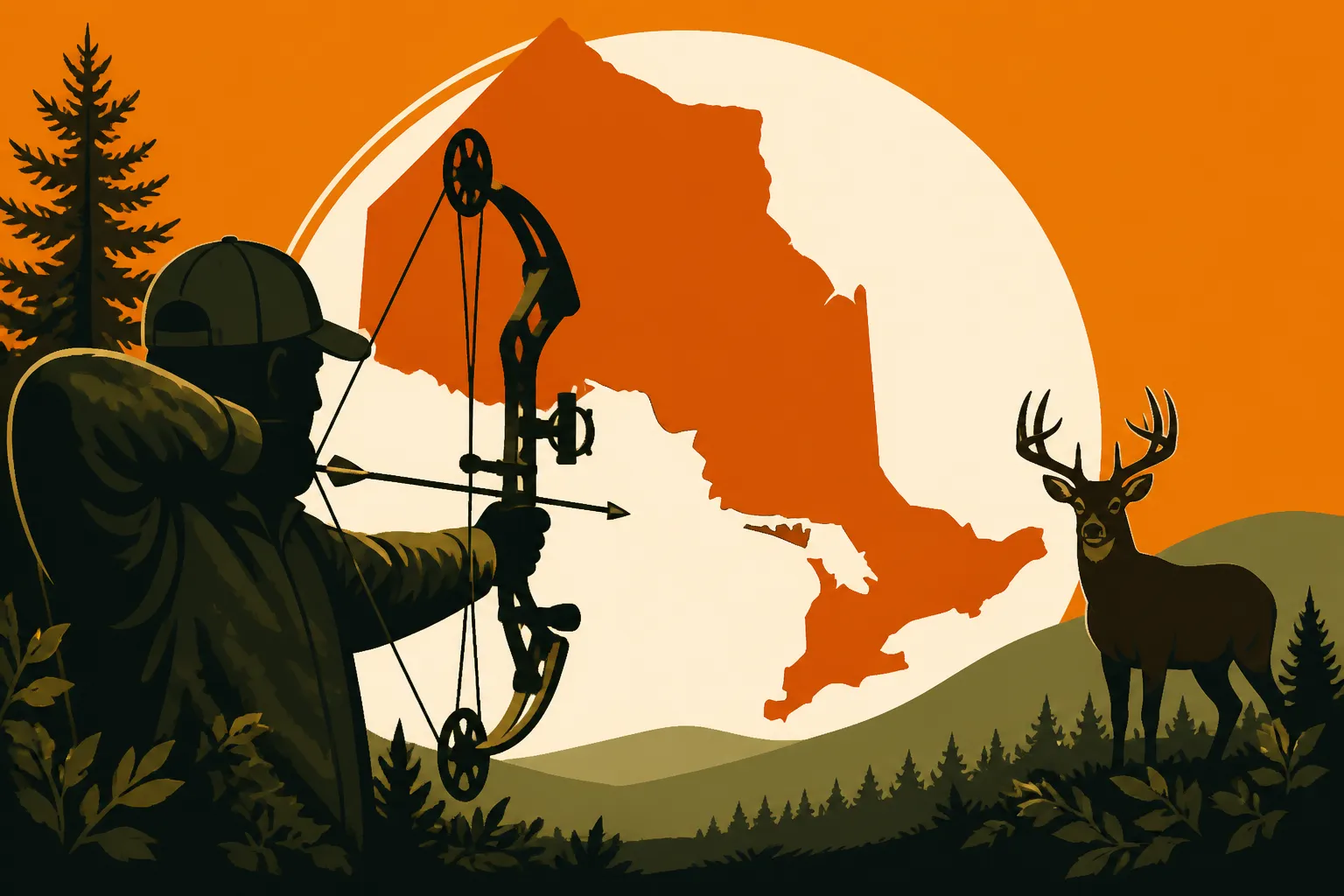
It's incredibly frustrating when you're eager to get out into the Ontario bush with your bow, but the season dates feel like a labyrinth of different rules and regulations. Knowing exactly when and where you can chase whitetails, bears, or turkeys with archery gear is crucial. This guide is here to untangle the confusion, helping you understand the ins and outs of Ontario's bow season so you can plan your hunts with confidence and clarity.
Understanding the Lay of the Land: Ontario's WMU System
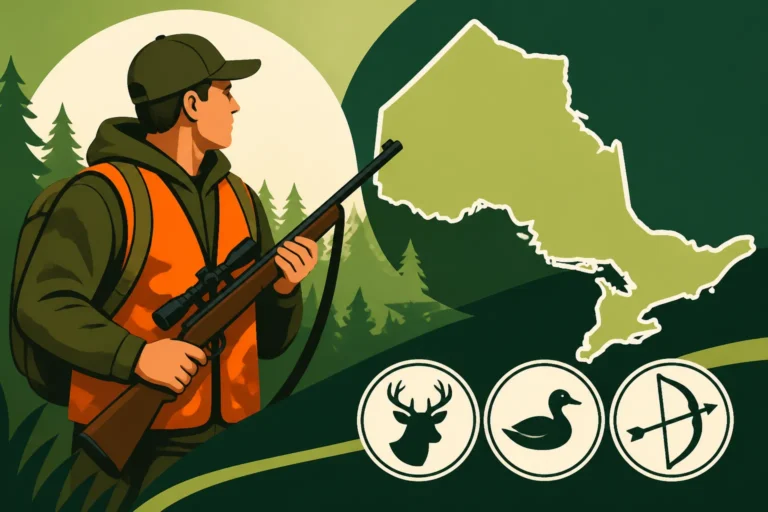
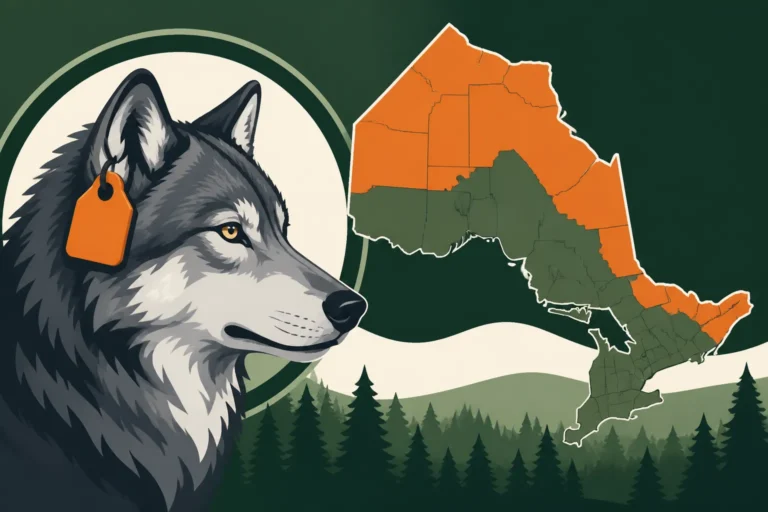
One of the biggest head-scratchers for new and even experienced bowhunters in Ontario is why the season dates aren't just a simple, province-wide "open" and "close." The truth is, Ontario is a massive province with incredible diversity in its landscapes, wildlife populations, and human pressures. What works for deer management in the agricultural fields of the southwest isn't going to make sense for the vast boreal forests up north. This is precisely why the province relies heavily on its Wildlife Management Unit (WMU) system to tailor hunting regulations, including when Ontario's bow season runs.
Why WMUs Dictate Your Bow Season Dates
Imagine trying to apply the same deer population management strategy to a dense cedar swamp in southern Ontario and a remote, rocky ridge on the Canadian Shield. It just wouldn't work. The province's WMUs are essentially geographic zones, each with its own specific set of rules based on localized wildlife populations, habitat, and even hunter access. For bowhunters, this means your archery season dates can vary significantly depending on which WMU you plan to hunt in. Some WMUs might have an early archery-only period, while others might have archery season running concurrently with other firearm seasons, or even have no specific archery season at all for certain species.
This granular approach ensures that hunting pressure is managed effectively, and local wildlife populations, particularly whitetail deer, can thrive. For instance, areas with high deer densities and ample private land, often in southern Ontario, might have earlier and longer archery seasons to help manage the population before the heavier pressure of gun season. Conversely, WMUs in more remote northern regions might have different timings, reflecting lower deer densities or different migratory patterns. Understanding the unique characteristics of each WMU is the first step to successful bowhunting.
How to Find Your WMU and Its Specific Regulations
Navigating the WMU system might seem daunting at first, but it's really quite straightforward once you know where to look. The official source for all hunting regulations in Ontario is the annual Ontario Hunting Regulations Summary. This invaluable resource breaks down all the rules, including season dates, bag limits, and specific WMU information. You can usually find a copy online through the provincial government website or pick one up at your local sporting goods store or licence issuer.
Beyond the official summary, technology has made things even easier. Platforms like GoHunt offer digital maps that layer WMU boundaries over detailed topographic and satellite imagery. This means you can pinpoint exactly which WMU you're in, whether you're scouting a new bush lot or checking the regulations for your favourite hunting spot. These digital tools often include season dates and other pertinent information right on the map, saving you a lot of flipping through pages. Before you even string your bow, make it a habit to confirm the exact regulations for your chosen WMU, paying close attention to any special conditions or restricted areas. Knowing your WMU is like knowing the specific address for your hunting adventure. For a broader overview of this system, check out our guide on Ontario's Wildlife Management Unit System.
Deconstructing Ontario's Archery Season Dates
For many bowhunters, the allure of the early archery opener is undeniable. It's a chance to be in the woods when the air is crisp, the leaves are just beginning to turn, and deer patterns are often more predictable before the full swing of fall hunting pressure. However, it's important to realize that "bow season" isn't a singular, province-wide event, but rather a series of opportunities that open and close at different times depending on your location and target species.
Early Archery Opener for Whitetail Deer
Across many of Ontario's WMUs, particularly in the more southerly and central parts of the province, the archery season for whitetail deer kicks off well before any gun season. This is a special time, often starting in late September or early October, and it's what many dedicated bowhunters live for. Imagine sitting in your stand, the leaves a riot of colour, watching a velvet-antlered buck or a doe with her fawns move through the morning mist. This early period offers a unique experience, allowing hunters to target deer that are still relatively undisturbed by human activity. Their patterns are often driven by food sources like acorns, apples, and agricultural crops, making scouting for these areas incredibly productive.
The advantage of this early start is that deer are often less wary, and you might even catch a buck still in velvet if you're out there right on opening day. These early weeks are prime for targeting specific feeding and bedding areas before deer get pushed around by the broader hunting pressure that comes with gun season. Many hunters specifically plan their vacation time around this crucial period to maximize their chances. If you're keen on experiencing this magical time, you'll want to dive into specifics on When Ontario's Archery Season Opens and certainly don't miss our detailed advice on Hunting Ontario's Late September Archery Opener.
Archery Seasons Concurrent with Other Weapon Seasons
While the early archery-only period is a highlight, it's not the only time you can hunt with a bow in Ontario. In many WMUs, the archery season continues concurrently with the regular gun and muzzleloader seasons. This means that even when firearms hunters are in the bush, you can still pursue deer with your bow and arrow, provided you have the appropriate licence and validation. However, this often means adapting your hunting strategy. Deer tend to be more alert and on the move during these periods, often seeking refuge in thicker cover or on private lands.
Hunting during these overlapping seasons requires extra diligence regarding safety and awareness of other hunters. Blaze orange requirements might apply, even if you're bowhunting, so always consult the regulations for your specific WMU. While the woods might be busier, the increased movement of deer can sometimes work to a bowhunter's advantage, pushing animals past your stand. It certainly extends your time in the woods and allows for a longer archery pursuit, which is a huge benefit for those who just love to be out there. For a deep dive into the overall length of the bow season and what it entails, consider reading up on Bowhunting Ontario's Long Archery Season.
Beyond Whitetails: Archery Seasons for Other Species
While whitetail deer often steal the spotlight when we talk about bowhunting, Ontario offers fantastic opportunities to pursue other big game and even small game with archery equipment. The thrill of a close-range encounter with a black bear or the challenge of calling in a wild turkey with your bow in hand is an experience unlike any other.
Black Bear Archery Seasons
Black bears are another popular target for Ontario bowhunters, and thankfully, the seasons often provide ample opportunity for archery enthusiasts. In many WMUs, the black bear season opens with an archery-friendly period, often starting in mid-August or early September, giving you a chance to hunt bears before the general firearms season begins. This early start can be particularly appealing if you're focusing on hunting over bait, as the bears are often very active and predictable in their patterns as they feed heavily in preparation for winter.
Even during the general fall bear season, which typically runs through September and October, archery equipment is almost always legal. This flexibility allows bowhunters to set up near known food sources like berry patches or oat fields, or to patiently wait over a well-maintained bait site. It's a truly exhilarating experience to have a massive black bear come into range, testing your patience and precision. Always confirm the specific bear season dates and regulations for your chosen WMU, as well as any rules around baiting, which can vary. For those interested in the spring opportunities, a good read is Spring Bear Hunting in Ontario.
Wild Turkey Archery Opportunities
Wild turkeys, once rare in Ontario, have made an incredible comeback, offering exciting spring and fall hunting opportunities. For bowhunters, pursuing a wary longbeard in the spring or breaking up a fall flock offers a unique challenge. In the spring, the archery season for turkeys typically runs concurrently with the shotgun season, from late April through May. Decoying and calling are key strategies, and the close-range shots required for archery make the interaction even more intense.
Come fall, many WMUs offer a fall turkey season, and once again, archery equipment is perfectly legal. The fall hunt differs significantly from the spring, often focusing on locating flocks, scattering them, and then calling them back together. It's a highly strategic hunt that can be incredibly rewarding with a bow. Whether it's the booming gobble of a spring tom or the soft clucks of a reunited fall flock, hunting turkeys with a bow is an unforgettable experience. For more specific tactics and season details for the cooler months, take a look at Hunting the Fall Turkey Season With a Bow.
Key Considerations for Ontario Bowhunters
So you've got your WMU sorted, you know when the seasons are, and you're dreaming of that perfect shot. Now it's time to get down to the nitty-gritty details that ensure a safe, legal, and ethical hunt. Ontario has specific requirements and best practices for bowhunters that are essential to understand before you head out.
Licence and Tag Requirements
This might seem obvious, but it's where many hunters, especially those new to Ontario, can get tripped up. Before you can even think about drawing your bow back on an animal, you absolutely need an Ontario Outdoors Card. This card is your identification as a hunter in the province and is required to purchase any hunting licences. Once you have your Outdoors Card, you'll need to purchase the appropriate deer licence for the season. For archery hunting specifically, you'll be looking for the deer licence that permits hunting with a bow or crossbow. Always double-check that your licence is valid for the species and WMU you intend to hunt. Some WMUs might require an antlerless validation or be part of a controlled hunt, even for archery, so confirming these details is paramount. The province's regulations for Ontario Deer Season Dates and Tags are your go-to for this information. Don't forget, understanding Ontario Hunting Licences and What They Cost and even how to go about Getting an Ontario Outdoors Card are fundamental first steps.
Ethical Archery Equipment and Practice
As bowhunters, we have a profound responsibility to ensure a quick, ethical harvest. This starts with using appropriate equipment and dedicating ourselves to consistent practice. Ontario regulations specify minimum draw weights for bows and crossbows used for big game, typically 22 kilograms (about 48.5 pounds) for bows and 50 kg (about 110 pounds) for crossbows, but always verify the most current regulations. Additionally, broadheads must be used for big game, and they must meet certain cutting diameter or blade length requirements to ensure maximum effectiveness. Mechanical broadheads are generally permitted, but again, always check the current rules.
Here's a quick table outlining general archery equipment guidelines for big game in Ontario:
| Equipment Type | Minimum Draw Weight | Broadhead Type | Minimum Blade/Cutting Diameter |
|---|---|---|---|
| Vertical Bow | 22 kg (48.5 lbs) | Fixed or Mechanical | Not less than 7/8 inch |
| Crossbow | 50 kg (110 lbs) | Fixed or Mechanical | Not less than 7/8 inch |
| Arrow/Bolt | No specific weight | N/A | N/A |
Note: Always consult the current Ontario Hunting Regulations Summary for the most up-to-date and specific legal requirements.
Beyond meeting the legal minimums, consistent practice is non-negotiable. Ethical bowhunting demands pinpoint accuracy, often under stressful field conditions. Practice at varying distances, from different positions (like from a treestand), and in different weather conditions. Know your effective range and stick to it. A clean kill is always the goal, and that comes from proper equipment combined with dedicated, realistic practice. For detailed information on these specific rules, consult our article on Bow Draw Weight Rules in Ontario.
Scouting and Preparing for Success
The old adage "you can't shoot a deer from the couch" is particularly true for bowhunting. Success in the Ontario bush, especially during the early archery opener, hinges on thorough scouting and preparation. Deer patterns change throughout the year, influenced by food availability, weather, and pressure. Early season scouting allows you to identify key feeding areas—like oak ridges laden with acorns, apple orchards, or standing cornfields—and establish bedding areas. Look for fresh sign: rubs, scrapes, tracks, and droppings will tell you where deer are moving.
Utilize tools like GoHunt to study satellite imagery and topographic maps from home, identifying potential funnels, pinch points, and cover. This digital scouting can save you countless hours in the field. When you do hit the woods, move quietly and observe. Set up trail cameras to monitor deer activity without disturbing the area. Understand how deer will use the terrain, whether you're Hunting a Hardwood Ridge for Whitetails or sitting on the edge of a field. The more you know about the local deer, their habits, and their environment, the better your chances of intercepting them within bow range. Remember, a successful bowhunt is often won long before you ever step foot in your stand on opening day. Our guide on Scouting With Satellite Imagery in Ontario offers fantastic tips for leveraging modern technology to your advantage.
Disclaimer
Please remember that hunting regulations, including season dates, licence requirements, and equipment rules, can change. While every effort has been made to provide accurate and up-to-date information in this guide, it is ultimately the hunter's responsibility to consult the most current official Ontario Hunting Regulations Summary published by the provincial government before engaging in any hunting activities. This guide is for informational purposes only and should not be considered a substitute for the official regulations.