Hunting Ontario’s Late September Archery Opener
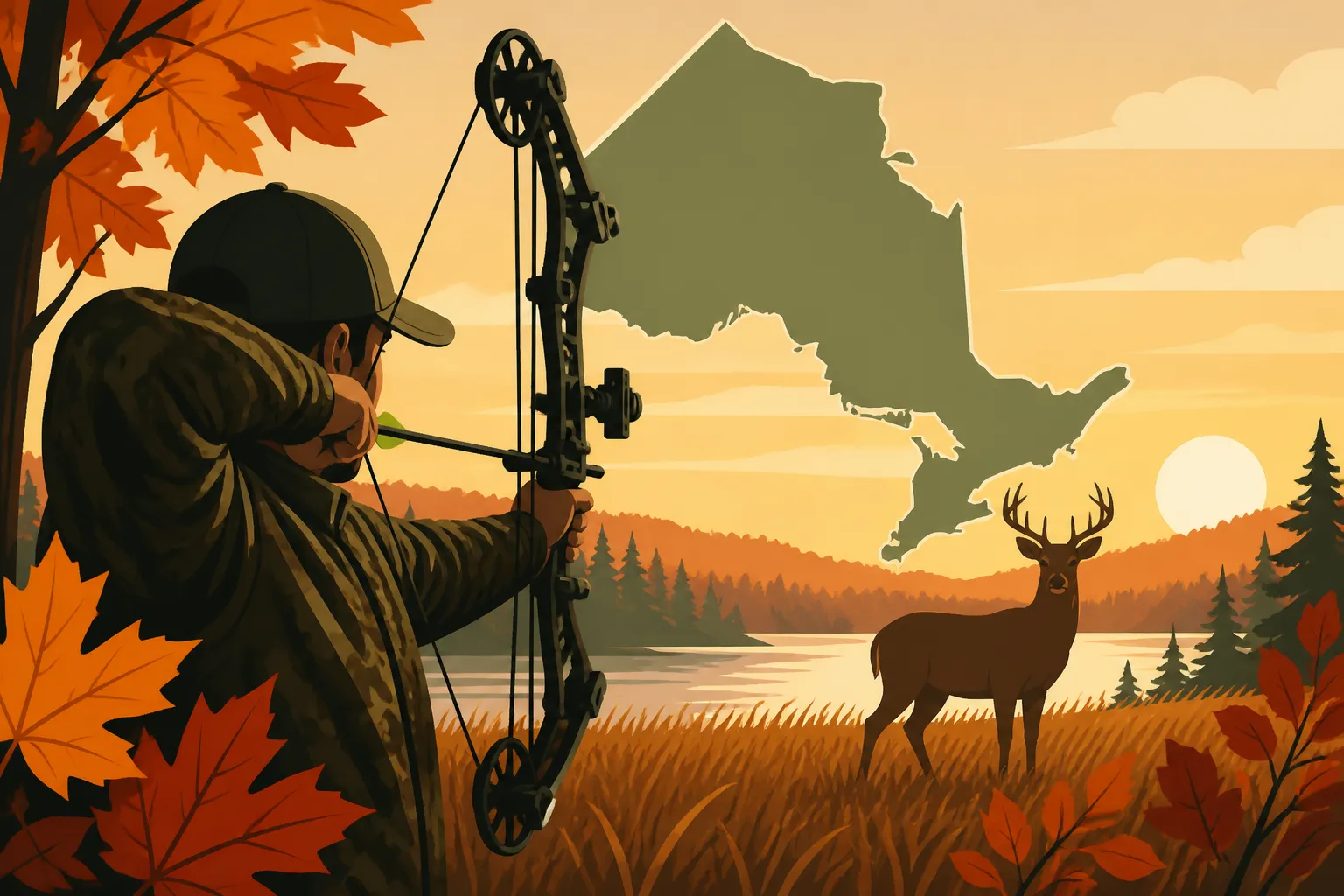
The crisp air of late September in Ontario is a hunter's symphony, but it also brings a unique set of challenges. As the leaves begin to turn and the landscape shifts, so too do the habits of our elusive whitetails. This guide is dedicated to helping you unravel the mysteries of the late September archery opener, giving you the insights and strategies needed to make the most of this exciting, albeit often tricky, time in the Ontario deer woods.
The Allure of Ontario's Late September Archery Opener
There’s something truly magical about being in the deer woods as summer gives way to fall. The sounds change, the smells are different, and the anticipation of the hunt hangs heavy in the air. For bowhunters, late September offers a distinct window of opportunity that seasoned veterans cherish, and newcomers quickly learn to appreciate. It's not always easy, but the rewards are profound.
Why Late September is Special
Late September in Ontario is a transitional period, a bridge between the lazy days of summer and the frantic intensity of the rut. Deer are still largely focused on food, packing on calories for the colder months and the upcoming breeding season, but you start to see subtle shifts in their behavior. The nights are getting noticeably cooler, often dipping into single digits, which sparks a bit more daytime movement, especially for mature bucks who’ve been largely nocturnal. It's a time when you might catch a glimpse of a bachelor group still hanging on, or see the first lone buck cruising with purpose. The air often carries the scent of falling leaves and damp earth, a sensory experience that’s hard to beat. You're not quite in the chaos of the rut, but you can feel it brewing, and that alone makes every minute spent afield incredibly special.
Advantages of Bowhunting in Early Fall
Bowhunting in early fall offers several distinct advantages. For starters, hunting pressure can be significantly lower compared to the rifle seasons. Many hunters are holding out for the rut, or they might be focused on other early game species. This means you often have more elbow room, particularly on public land. The foliage, while thinning, still provides excellent cover, allowing for incredibly close and intimate encounters. You can move through the woods with more stealth, knowing that the dense undergrowth and leaf canopy can hide your approach. It’s also a time when bucks, though not yet fully rut-crazed, are starting to become more visible during daylight hours, making them slightly less patterned than during the dog days of summer. This slightly more predictable (yet still challenging) behavior, combined with the quiet efficiency of archery equipment, creates a truly immersive hunting experience where skill and patience are paramount.
Understanding Whitetail Behavior in Late September
Successfully hunting whitetails in late September hinges on a deep understanding of their evolving behavior. They're not quite the same deer they were in August, nor are they the same deer they'll be in November. This transitional phase requires hunters to be adaptable and observant.
The Shifting Patterns from Summer to Fall
As September progresses, whitetail deer begin a significant shift in their daily routines and dietary preferences. Gone are the days when they might be found predictably feeding on lush, green summer alfalfa or soybean fields under the cover of darkness. The focus now turns to harder mast crops like acorns, which are dropping from oak trees, and various soft mast like apples or wild grapes, depending on your specific location in Ontario. This change isn't always immediate; it's a gradual migration to these new food sources. Bachelor groups of bucks that were once a common sight often start to break up as testosterone levels rise, and individual bucks become more solitary and territorial. They're still interested in calories, but now with a mind towards the rigors of the upcoming breeding season. Hunters need to be where the freshest food sources are, which might mean transitioning from agricultural edges to deep in the hardwoods. For those hunting in areas like Southern Ontario farmland or similar rich agricultural zones, this might mean a shift from one field crop to another, or from a field to a nearby woodlot. Meanwhile, for those hunting in Ontario's mixed forest, the focus will undoubtedly be on the oak ridges.
Pre-Rut Activity and Scrapes
While the full-blown rut is still a few weeks away, late September sees the very first inklings of pre-rut activity. Bucks, especially mature ones, are starting to feel the hormonal surge. This manifests in a few key ways. You’ll begin to see the first rubs appearing on small saplings and trees – these are not the massive, shredded trees of the full rut, but rather smaller, solitary rubs made by bucks polishing their antlers and scent-marking their presence. More importantly, you'll start to find primary scrapes. These are often in high-traffic areas, along field edges, or in travel corridors, where bucks paw the ground, urinate, and utilize overhead licking branches to deposit scent.
These early scrapes are like a deer's social media platform, communicating their presence and status. While bucks might not be hitting them with intense regularity yet, the presence of fresh scrapes indicates a buck is in the area and beginning to think about breeding. These can be prime locations for a stand, especially if found near a good food source or bedding area. Pay close attention to these early signs; they’re telling you the story of what’s to come. You can learn a lot by Reading Whitetail Sign in Ontario Hardwoods and identifying fresh activity.
Adapting to Variable Weather Conditions
Late September weather in Ontario can be incredibly fickle, swinging from warm, almost summer-like afternoons to frosty, bone-chilling mornings. This variability is a major factor in deer movement and dictates your hunting strategy. Warm, sunny days often mean deer will be moving more during the cooler hours of dawn and dusk, potentially bedding down tight during the mid-day heat. Conversely, a sudden cold snap, especially after a period of warmth, can really get deer on their feet and moving earlier in the afternoon.
Thermals play a huge role in these conditions. In the mornings, air currents typically flow downhill as the earth cools, then reverse and flow uphill in the afternoon as the sun warms the ground. Understanding this is critical for stand placement to keep your scent from blowing directly to deer. A warm, humid day might mean scent hangs heavy and travels far, while a crisp, breezy day can help disperse it. Always check the forecast and have multiple stand options to play the wind, because nothing busts a hunt faster than being winded.
Scouting and Stand Placement Strategies
Effective scouting is the bedrock of successful bowhunting, and in late September, it’s all about putting the pieces of the puzzle together – where are the deer feeding, bedding, and moving between the two?
Focusing on Key Food Sources
During late September, food is still the biggest draw for whitetails, but the menu is changing. Your scouting efforts should heavily focus on identifying the freshest and most preferred food sources.
Firstly, think acorns. If you have oak trees in your area, especially red oaks and white oaks, find out which ones are dropping. A simple walk through the woods will reveal scratched-up leaves and scattered acorn caps, indicating deer are feeding there. Deer absolutely crave acorns for their fat and protein content, and they will travel considerable distances to get to a preferred oak flat. These spots can be absolute goldmines, especially on a crisp morning.
Secondly, don't overlook soft mast. Wild apple trees, crabapples, and wild grapes can be irresistible. Many abandoned farmsteads or old logging trails might have these hidden gems. Finding a productive apple tree dropping fresh fruit can concentrate deer like nothing else.
Lastly, in agricultural areas, fields like standing corn or recently cut soybeans can still be major attractants. Deer might shift from green browsing to picking up fallen kernels or pods. A field of standing corn provides both food and security cover, making a nearby edge an excellent spot for a stand. Consider Hunting a Standing Corn Field Edge at dusk. The key is finding fresh sign – tracks, droppings, and feeding evidence – at these locations. If you’re seeing old sign, the deer have likely moved on.
Identifying Funnels and Travel Corridors
Once you’ve identified primary food sources and bedding areas (often thick cover like cedar swamps or dense pine stands), your next step is to pinpoint the travel routes deer use to get between them. This is where funnels and travel corridors come into play. A funnel is any natural or man-made feature that constricts deer movement into a narrower path. This could be a pinch point between two swamps, a narrow strip of timber connecting two larger woodlots, a low spot in a ridge, or a specific crossing point on a creek or river.
Deer are creatures of efficiency, and they’ll use the path of least resistance. Look for well-worn trails, fresh tracks, and even rubs and scrapes along these routes. These funnels are high-traffic zones, increasing your chances of intercepting a deer moving from bedding to feeding, or vice-versa. For instance, Hunting a Hardwood Ridge for Whitetails often involves identifying saddles or draws that act as natural funnels. Similarly, a Hunting a Cedar Swamp Edge can be incredibly productive, as deer will often skirt the dense cover. By placing your stand overlooking one of these natural choke points, especially where two or more trails converge, you significantly improve your odds.
Leveraging Topographic Maps and Technology
In today's hunting world, technology is your best friend for scouting, especially when trying to understand the lay of the land without physically tromping through every inch of it. Tools like GoHunt mapping applications or similar satellite imagery platforms are invaluable. You can virtually scout vast areas from the comfort of your home, identifying potential food sources, thick bedding cover, and natural funnels.
Start by zooming in on your chosen Wildlife Management Unit (WMU) or private property. Look for changes in elevation on topographic maps – ridges, valleys, and saddles often indicate natural travel routes. Identify areas with different forest types, which might hint at specific mast crops. For instance, patches of hardwoods could mean oaks, while dense dark green areas could be conifer stands offering bedding. Utilize the satellite view to spot field edges, old logging roads, or clearings that might be hidden from a ground-level perspective. You can learn a lot by Scouting With Satellite Imagery in Ontario before you even set foot in the woods. Drop pins on promising locations, mark potential stand sites, and plan your approach and exit routes. This digital groundwork saves you countless hours of unproductive walking and allows you to focus your on-the-ground scouting efforts on the most promising areas.
Effective Hunting Tactics for the Archery Opener
With your scouting done and stands strategically placed, it's time to put boots on the ground. But just showing up isn't enough; you need smart tactics to outwit the keen senses of an Ontario whitetail.
Optimizing Scent Control and Stealth
If there’s one aspect of bowhunting that can make or break your success, it's scent control. Deer have an incredible sense of smell, far superior to ours, and even the slightest whiff of human scent can send them packing. In late September, with variable winds and potentially warmer temperatures, scent management is paramount.
Start with your clothing. Wash all your hunting gear, including your base layers, in scent-free detergent and store it in scent-free bags or containers. When getting dressed, do it outside or in a clean environment to avoid picking up household odors. Consider using an ozone generator for your clothing or blind to neutralize lingering smells. On your body, use scent-free soaps, shampoos, and deodorants. Even what you eat or drink can emit odors through your pores, so be mindful.
Beyond personal scent, think about your approach. Always play the wind. This cannot be stressed enough. If the wind is wrong for your chosen stand, don't hunt it. Have alternative setups for different wind directions. Walk quietly, take your time, and avoid breaking branches or making unnecessary noise. The crunch of dry leaves can be deafening in a still woods. Be especially cautious when nearing your stand; deer often browse in the vicinity of bedding and feeding areas, even in broad daylight. Your goal is to be a ghost in the woods, seen and smelled by nothing.
Calling and Decoying in Early Season
While the full-blown rut calls for aggressive rattling and grunting, early season calling and decoying need a more subtle approach. In late September, bucks are still getting into the swing of things, and overly aggressive calling can be counterproductive, potentially spooking deer or drawing in smaller, immature bucks.
Stick to subtle vocalizations. Soft doe bleats can pique a buck's curiosity, making him think another deer is nearby. A few quiet grunts, mimicking a buck casually moving through the woods, can sometimes draw in an inquisitive deer. Avoid loud, excited calls. This isn’t the time for a full-on rut sequence. If you're considering rattling, keep it very soft and short, mimicking two bucks just sparring. For insight into how much noise is too much, especially in dense cover, consider the guidance on Rattling Volume in Thick Bush.
Decoying can be effective, but again, subtlety is key. A single doe decoy, or a small spike buck decoy, can be used to attract a buck looking for companionship or to assert dominance. Place your decoy so the deer approaches it head-on, giving you a broadside shot opportunity. Always set up with the wind in your favor, so an approaching buck walks into your scent cone as he circles downwind to check out the decoy. Ensure your decoy is visible but not glaringly obvious, blending naturally into the environment.
Patience and All-Day Sit Considerations
Late September can be a challenging time for deer movement, especially mid-day. Many hunters head back to camp or home after the morning hunt, missing out on crucial activity. However, deer are not entirely nocturnal. They can and do move throughout the day, particularly on cooler or overcast days, or when pressured.
Patience is your most valuable virtue. If you've done your scouting right and are set up in a prime location – perhaps a funnel between a bedding area and a preferred food source – then staying on stand for extended periods can pay off. Consider the strategy of Sitting All Day in an Ontario Blind or treestand. This is especially true if you are hunting near a bedding area, where deer might shift slightly during the mid-day hours. Pack enough food, water, and warm layers to stay comfortable and focused. Use a comfortable seat and ensure all your gear is within easy reach. The mid-day lull is real, but it’s also when many other hunters aren’t in the woods, potentially giving you an advantage if a buck decides to stretch his legs. The biggest bucks often move during these unexpected times, when they feel less pressure.
Gear and Equipment for Late September Bowhunting
The right gear can make all the difference between a frustrating hunt and a successful one. For the late September archery opener, your equipment needs to be in top shape and adaptable to the unique conditions.
Essential Archery Equipment Checks
Before you even think about climbing into a stand, your archery equipment needs a thorough once-over. This isn't just about safety; it's about ensuring ethical, clean kills.
First, your bow: Is it properly tuned? Check cam timing, paper tune if you're experiencing flight issues, and ensure all screws and bolts are tight. A loose component can throw off your shot. Inspect your string and cables for any fraying or wear; replace them if there's any doubt.
Next, your arrows: Are they straight? Spin them to check for wobbles. Inspect your fletchings for damage and replace any that are lifting or torn. Ensure your nocks are securely attached and oriented correctly.
Crucially, your broadheads: For fixed blade broadheads, ensure they are razor-sharp. If using mechanical broadheads, check that the blades deploy correctly and that the O-rings or retention clips are in good working order. Always practice with your hunting broadheads or identical practice heads to ensure they fly true with your field points. You need absolute confidence in your arrow flight.
Finally, don't forget the accessories: your release aid should function smoothly and consistently. Your rangefinder needs fresh batteries. Double-check your sight pins for brightness and ensure they're securely fastened. This meticulous check takes time, but it builds confidence, which is invaluable when that moment of truth arrives.
Layering for Variable Ontario Weather
As we've discussed, late September weather in Ontario is a mixed bag, capable of throwing everything from warm sun to chilly rain your way. The key to staying comfortable and focused for hours on end is layering. You need to be able to add or shed clothes easily to regulate your body temperature.
Start with a moisture-wicking base layer. This is crucial for pulling sweat away from your body, even if it's cool, preventing you from getting chilled. Merino wool or synthetic fabrics work best here. Avoid cotton, which absorbs moisture and stays wet.
Next, add a mid-layer for insulation. A fleece jacket or vest is ideal, providing warmth without excessive bulk. On colder mornings, you might even opt for a thicker insulated vest.
Your outer layer should offer protection from the elements. A quiet, breathable jacket and pants are essential. Look for materials that shed light rain and block wind. Having a dedicated rain suit in your pack is also a smart move, especially if the forecast hints at precipitation. On a really cold sit, you might layer an insulated vest over your mid-layer but under your outer shell. Remember, you’re often walking in, building up heat, then sitting still, cooling down. Being able to adjust your layers is key to comfort and focus.
Treestands, Blinds, and Safety Harnesses
Choosing the right elevated position is critical for bowhunting success, and safety should always be your number one priority.
Treestands: Many bowhunters prefer treestands for their elevated vantage point, which helps with scent dispersal and offers a better view of deer movement. Whether you opt for a climbing stand, a hang-on stand with climbing sticks, or a ladder stand, ensure it’s sturdy, quiet, and properly secured. For mobile hunting, lightweight hang-ons paired with climbing sticks (like those offered by Millenium or Lone Wolf) allow you to adapt to changing deer patterns. When setting up, always ensure your stand is camouflaged naturally within the tree to break up your outline. For tips on deployment, refer to Hanging a Stand on an Ontario Bush Edge.
Ground Blinds: Ground blinds offer excellent concealment, scent containment (if properly sealed), and are often more comfortable for all-day sits. They're particularly useful in areas with limited suitable trees or for hunting with youth hunters. Set up your blind well in advance, if possible, to allow deer to get accustomed to its presence. Brush it in thoroughly with natural vegetation to break up its silhouette.
Safety Harness: No matter your preference, always wear a full-body safety harness when using a treestand. Accidents happen in a split second, and a harness is your only real protection. Practice using it at ground level before heading into the woods. Ensure your tether is short enough to prevent you from hitting the ground if you fall. Remember, the safest hunt is a successful hunt that allows you to come home safely.
Navigating Regulations and Ethical Considerations
Hunting is a privilege, and with that comes a responsibility to understand and abide by all regulations and to conduct ourselves ethically. Ontario has specific rules for archery season that every hunter must know.
Understanding Ontario Archery Season Dates and Rules
Before you even scout, you need to be intimately familiar with the current Ontario Hunting Regulations Summary for your specific Wildlife Management Unit (WMU). Archery season dates can vary significantly across different WMUs, even for the late September opener. Don’t assume one WMU’s rules apply to another.
Pay close attention to specific opening and closing dates for archery. While the focus here is late September, knowing the full arc of the season, including any special archery-only periods, is vital. You can find detailed breakdowns in resources like Ontario Deer Season Dates and Tags and more specific timing information in When Ontario's Bow Season Runs. Ensure you understand the bag limits for your WMU, including whether antlerless deer tags are available and if they are allocated through a draw or are available over the counter. Some WMUs might be bucks-only during certain parts of the archery season, or have specific restrictions.
Crucially, always carry your valid Outdoors Card, hunting licence, and any required tags with you while hunting. Digital copies are often accepted, but a physical backup is never a bad idea, especially in remote areas where cell service is unreliable. Staying informed about the rules isn't just about avoiding fines; it’s about upholding the integrity of the sport.
Respecting Private Land and Landowners
A significant portion of Ontario's productive whitetail habitat, especially in the south, is on private land. Gaining access to these properties is a privilege, not a right, and requires utmost respect and responsibility. Trespassing is illegal and gives all hunters a bad name.
Always obtain explicit permission from the landowner before stepping foot on their property. Verbal permission is often sufficient, but a written agreement can prevent misunderstandings. When asking, be polite, well-groomed, and offer to help with chores if appropriate. Be clear about where you intend to hunt, what you plan to harvest, and when you’ll be there.
Once permission is granted, treat the property as if it were your own – or better. Leave gates as you find them, don’t damage fences, and absolutely leave no trash behind. If you harvest a deer, retrieve it promptly and discreetly. Offer some venison to the landowner as a token of your appreciation. Maintaining a good relationship with landowners is critical, not just for your current hunt, but for the future of hunting access for everyone. For more advice, check out Getting Private Land Permission in Ontario. Remember, one bad apple can spoil the bunch for all hunters in an area.
Responsible Harvest and Game Recovery
The moment of truth is exhilarating, but the responsibilities don't end with a successful shot. Ethical hunting demands a commitment to a responsible harvest and efficient game recovery.
Shot Placement: As bowhunters, we strive for the perfect shot, aiming for the vital lung and heart area for a quick, humane kill. This comes with practice and knowing your effective range. If you feel unsure about a shot, let the animal walk. A wounded deer is a lost opportunity and an ethical concern.
Tracking: After the shot, give the deer time. If you suspect a gut shot, leave it for several hours, even overnight if conditions allow (and it's not too warm, which can spoil meat). For a solid lung or heart shot, waiting 30-60 minutes is usually sufficient. Mark your spot, note the deer’s direction of travel, and look for blood, hair, and disturbed earth. Follow the blood trail methodically, marking each drop, until you find your prize.
Meat Care: In late September, temperatures can still be warm enough to cause meat spoilage. Once you’ve recovered your deer, begin the field dressing process immediately. Remove the entrails to allow the carcass to cool down as quickly as possible. If you have a long drag or hike out, consider quartering the animal in the field to make transport easier. Get the meat cooled down quickly, either in a cooler with ice (ensuring it doesn't get wet) or by hanging it in a shaded, well-ventilated area if temperatures are consistently cool. Proper meat care ensures you honour the animal with delicious, table-ready venison. Insights on Field Dressing in Warm Ontario Weather can be very helpful here.
Ontario Whitetail Behavior in September: Early vs. Late
To really grasp the nuances of the late September archery opener, it helps to compare how deer behavior evolves throughout the month. This table highlights some key differences.
| Feature | Early September (1st-15th) | Late September (16th-30th) |
|---|---|---|
| Primary Food | Lush summer growth, alfalfa, soybeans, some early mast. | Hard mast (acorns), soft mast (apples), corn, cut grains. |
| Buck Socializing | Strong bachelor groups common. | Bachelor groups beginning to break up. |
| Rut Activity | Minimal to none. | First rubs and scrapes appearing, subtle pre-rut activity. |
| Movement Timing | Primarily nocturnal, early morning/late evening grazing. | Increased daytime movement, especially in cooler weather. |
| Foliage | Full, green canopy. | Leaves starting to turn, some thinning. |
| Weather | Generally warmer, summer-like. | Variable, cooler nights, potential for frost. |
| Pressure | Low overall, very specific to early season hunters. | Still relatively low, increasing towards month-end. |
Disclaimer
The information provided in this guide is for general informational purposes only. Hunting regulations, season dates, and other requirements are subject to change. It is the sole responsibility of the hunter to consult the most current Ontario Hunting Regulations Summary, available from the Ontario Ministry of Natural Resources and Forestry (MNRF), and any relevant federal regulations before hunting. Always ensure you have the appropriate licenses, tags, and permits. Hunt safely and ethically.