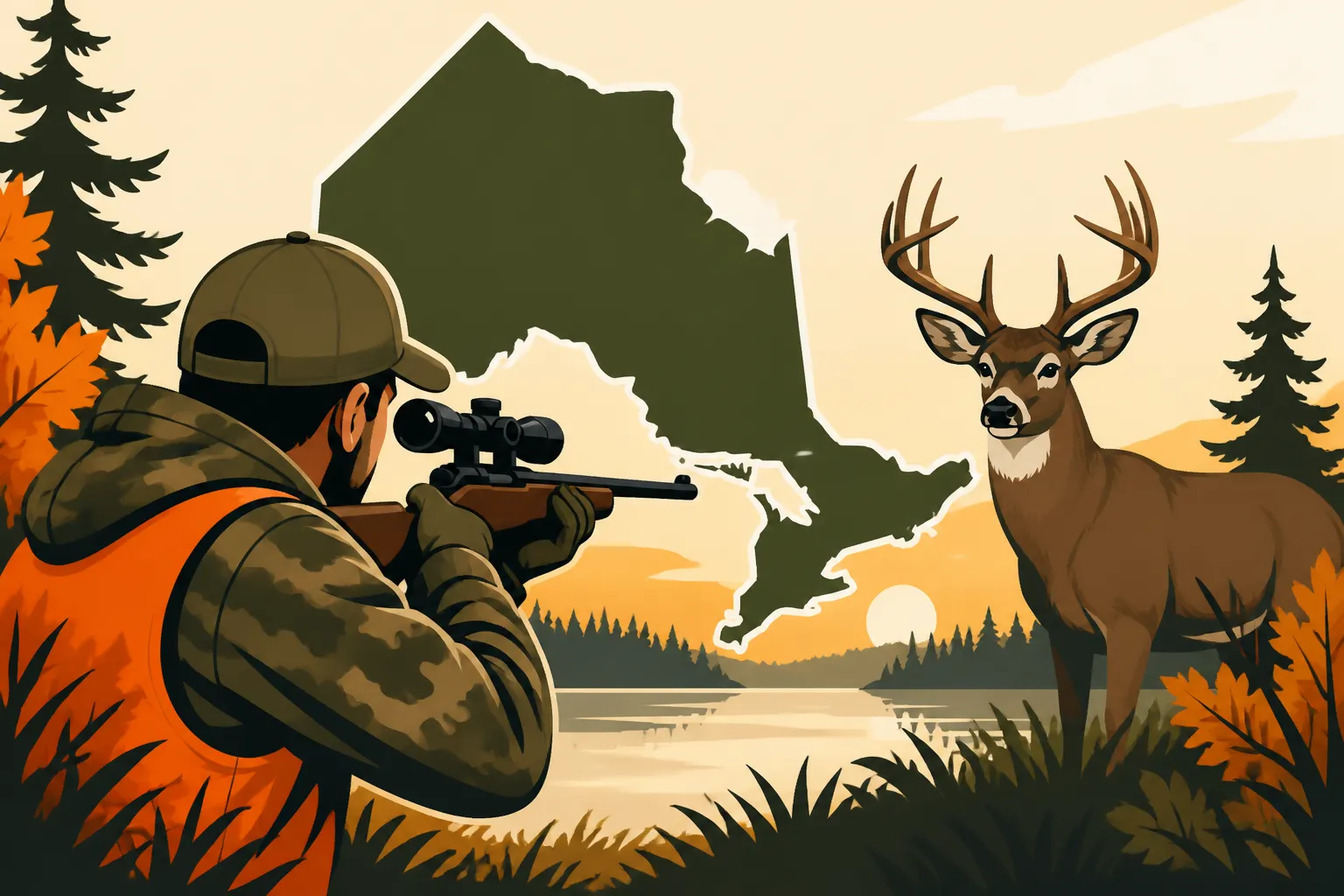
Rifle Hunting Ontario’s Deer Season
The crisp air of an Ontario autumn, the vibrant colours of the changing leaves, and the promise of a thrilling pursuit – there’s nothing quite like deer season in this province. But for many, the idea of heading out with a rifle feels daunting, especially with all the regulations, vast landscapes, and the sheer effort involved in successfully harvesting a deer. This comprehensive guide is here to demystify rifle hunting for deer in Ontario, offering practical advice, seasoned strategies, and a realistic look at what it takes to fill your tag.
Deciphering Ontario's Deer Rifle Seasons and Regulations
Navigating the rules and regulations can feel like a hunt in itself, but understanding Ontario's framework is your first and most critical step towards a successful and legal rifle deer hunt. It’s not just about knowing when to go, but where, and with what.
Navigating Wildlife Management Units WMUs for Rifle Hunters
Ontario is carved into a series of Wildlife Management Units, or WMUs, and these are absolutely foundational to understanding when and where you can hunt deer with a rifle. Each WMU, or sometimes a group of WMUs, has its own specific season dates, bag limits, and often unique regulations regarding antlered or antlerless tags. It’s not a one-size-fits-all approach across the entire province, and misunderstanding your chosen WMU’s rules can quickly turn a hopeful hunt into a costly mistake.
For instance, WMUs in Southern Ontario’s farmland might have different season structures compared to the expansive, rugged units in the North or along the Shield. Some WMUs might have an earlier "general gun" season, while others might reserve certain periods for archery or muzzleloader only before opening up to rifles. You need to identify your hunting area first, then consult the official Ontario Hunting Regulations Summary specifically for that WMU. This document is your bible; read it cover to cover for your unit. Often, early gun seasons in some agricultural WMUs can be quite busy, making good scouting even more vital. Understanding the boundaries of your chosen WMU is also key, as straying into an adjacent unit could mean you're hunting out of season or with an invalid tag. The provincial mapping tools, or even apps like GoHunt, can be incredibly helpful for visualizing these boundaries. For a deeper dive into the system, check out our guide on Ontario's Wildlife Management Unit System.
Legalities of Rifles and Ammunition for Deer Hunting
When it comes to the rifle itself, Ontario has specific rules about what you can and cannot use for big game like deer. It's not just about owning a firearm; it's about ensuring it's legally designated for hunting. Generally, centre-fire rifles are permitted, but there are restrictions on calibres and shotguns in certain areas. For example, some heavily populated or agricultural WMUs, particularly in Southern Ontario, might be "shotgun-only" zones due to safety concerns related to projectile range. Always double-check your specific WMU’s regulations regarding firearms.
Beyond the firearm type, ammunition plays a crucial role. While Ontario doesn't typically specify minimum bullet energy requirements for deer (unlike some other jurisdictions), ethical hunting dictates you use a caliber and bullet combination that delivers sufficient energy for a quick, humane kill. Common and highly effective calibers for whitetail deer in Ontario include the .30-06 Springfield, .308 Winchester, 6.5 Creedmoor, and .270 Winchester, among others. These calibers offer a good balance of accuracy, range, and knockdown power without excessive recoil. Magazine capacity is also regulated; typically, your rifle cannot hold more than five cartridges in the magazine when hunting big game. Understanding these nuances is critical, not just for compliance, but for ensuring you're prepared for an ethical shot. For more detailed information on appropriate calibers, refer to our article on Legal Rifle Calibres for Big Game.
Mandatory Blaze Orange and Crucial Safety Protocols
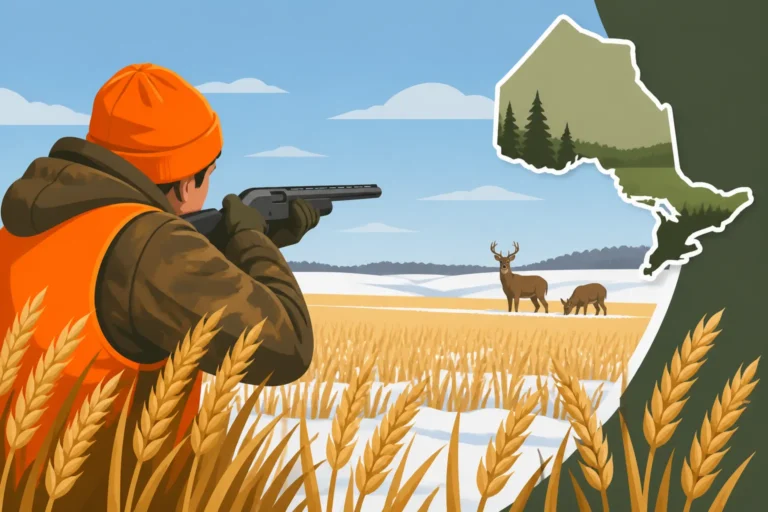
Safety isn't just a recommendation; it's a legal requirement and an ethical imperative when rifle hunting in Ontario. During any open gun season for big game (including deer), all hunters are legally required to wear a blaze orange garment (hat, vest, or jacket) that is visible from all sides. This isn't just about avoiding a fine; it's about making sure you're highly visible to other hunters in the bush, drastically reducing the risk of accidents.
Beyond the orange, responsible firearm handling is paramount. This means treating every firearm as if it's loaded, always pointing the muzzle in a safe direction, keeping your finger off the trigger until you're ready to shoot, and being absolutely certain of your target and what lies beyond it. When hunting in groups, especially during a deer drive, clear communication and understanding each hunter's "zone of fire" are non-negotiable. Knowing where your companions are at all times, even if you can't see them, is vital. Remember, a deer is never worth compromising safety or breaking the law. A safe hunt is a successful hunt, regardless of whether you harvest an animal. For a complete understanding of visibility requirements, consult Ontario Blaze Orange Requirements.
Strategic Scouting and Pre-Season Readiness for Rifle Success
The actual hunt is often the culmination of weeks or months of diligent work. For rifle hunting, where shots can be taken at longer distances and deer often get pressured quickly, your pre-season preparation is even more critical.
Unraveling Deer Sign in Varied Ontario Terrain
Deer, especially whitetails, are creatures of habit, but those habits shift with the seasons, food availability, and hunting pressure. Before rifle season even opens, getting into the bush to find fresh deer sign is paramount. This isn't just a casual stroll; it's an investigative mission. Look for rubs (where bucks scrape their antlers on trees), scrapes (patches of bare earth pawed by bucks, often urinated in), fresh tracks, and droppings. The newer the sign, the more active the deer are in that specific area.
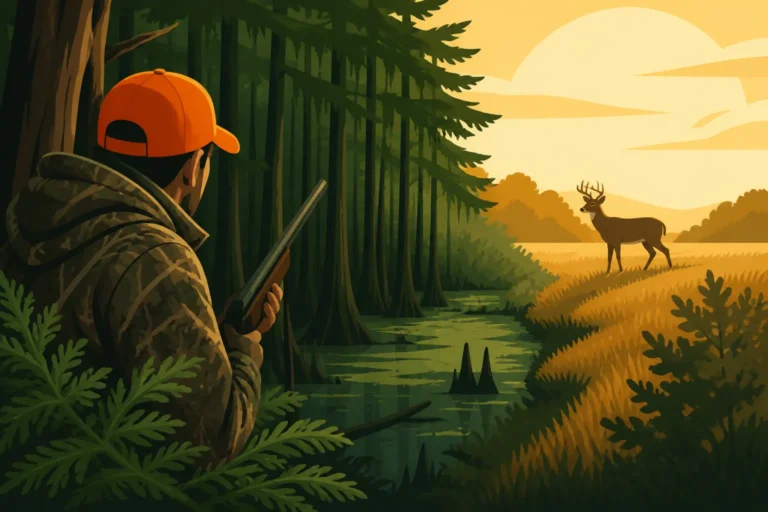
In Southern Ontario farmland, deer will often use bush edges, fencerows, and woodlots for cover, venturing into standing corn or soybean fields at dusk to feed. In these areas, look for trails entering and exiting fields, and rubs along the transition zones. Up north, in the mixed forests or near the Canadian Shield, deer will utilize cedar swamps for thermal cover, especially as temperatures drop, and feed on acorns in hardwood ridges or browse in recent clear-cuts. Finding these hotspots before the season starts gives you a massive advantage. Pay attention to how deer move between bedding areas (dense cover) and feeding areas (food plots, agricultural fields, clear-cuts). Understanding these travel patterns is the key to predicting where a deer might appear during the hunt. For an in-depth look at what to watch for, our guide on Reading Whitetail Sign in Ontario Hardwoods is a fantastic resource.
Harnessing Modern Tools for Precision Scouting
Gone are the days when a paper map and compass were your only scouting tools. While those are still essential backcountry skills, modern technology has revolutionized pre-season scouting. Satellite imagery, accessible through apps like GoHunt or OnX Hunt, allows you to "e-scout" vast areas from the comfort of your home. You can identify potential bedding areas, food sources, pinch points, funnels, and natural travel corridors before you even step foot in the woods. This saves immense time and effort, especially in larger WMUs or when exploring new territory.
Once you’ve identified promising areas, trail cameras become your eyes and ears in the woods. Place them on well-used trails, near scrapes, rubs, or food sources. They provide invaluable data on deer activity times, frequency, and most importantly, what caliber of buck is in the area. Checking trail cameras regularly, especially in the weeks leading up to the rifle opener, will give you real-time intelligence that helps refine your stand placement. Remember to place them discreetly and check them carefully to avoid disturbing the deer. Pairing satellite imagery reconnaissance with on-the-ground confirmation and trail camera intel creates a powerful scouting strategy. Delve deeper into utilizing aerial views with our article on Scouting With Satellite Imagery in Ontario.
Physical Conditioning and Mental Acuity for the Hunt
Rifle hunting, especially in Ontario's diverse and often rugged landscapes, is more than just sitting in a stand. It demands a certain level of physical fitness and mental fortitude. You might be walking for miles, slogging through swamps, climbing steep ridges, or spending hours sitting motionless in a cold blind. And if you’re successful, the real work begins: field dressing, dragging, or quartering a several-hundred-pound animal out of the bush.
Before the season, incorporate regular walks, hikes with a weighted pack, and perhaps some strength training into your routine. This will make those long treks to your stand, or the arduous pack-out, significantly more manageable. Equally important is mental preparedness. Deer hunting often involves long periods of boredom interspersed with moments of intense excitement. Patience is a virtue. You need to be able to sit still, stay focused, and remain alert, even when the wind is biting and your fingers are numb. Expect to be cold, wet, and tired, and embrace it as part of the experience. The ability to push through discomfort and maintain focus when the moment of truth arrives can make all the difference between success and a missed opportunity.
Mastering Stand Placement and Rifle Hunting Tactics
Once you've done your scouting, it's time to translate that knowledge into effective hunting strategies. Rifle hunting, with its greater range, often allows for different approaches than bowhunting, but precision in placement and tactics remains paramount.
Optimizing Stand Locations for Rifle Shot Opportunities
Choosing the right stand location is perhaps the most critical decision you'll make after scouting. For rifle hunting, you have the advantage of a longer effective range compared to archery, which opens up more possibilities for stand placement. However, this doesn't mean you can just set up anywhere. You still need to consider prevailing winds – always hunt with the wind in your face or crosswind to prevent your scent from reaching the deer. Thermals, the rising and falling air currents, also play a huge role, especially in hilly terrain.
Focus on pinch points, funnels, and transition areas where deer naturally concentrate their movement. These could be narrow strips of cover between open fields, saddles on ridges, creek crossings, or the edges of dense cedar swamps leading to feeding areas. If you're hunting clear-cuts or open hardwood forests, think about elevation. A stand on a ridge overlooking a valley or a logging road can give you excellent visibility and shot opportunities. Consider the angle of the sun and how it might affect your visibility or glare on your scope at different times of the day. A well-placed stand in a strategic location, offering a clear shooting lane at typical deer travel routes, is essential for rifle success. For more insights on strategic setup, take a look at our article on Hanging a Stand on an Ontario Bush Edge.
Executing Effective Still-Hunting and Deer Drives
While sitting in a stand or blind is a popular method, still-hunting and organizing deer drives are incredibly effective rifle tactics, especially in Ontario's thick bush or during the rut. Still-hunting involves moving slowly and deliberately through the woods, taking a few steps, then pausing to scan and listen for deer. It's an art form that requires patience, acute observation, and the ability to blend seamlessly into the environment. You're not trying to surprise deer, but rather to spot them before they spot you, often when they're still feeding or moving through cover. Focus on moving into the wind and using natural cover to conceal your movement.
Deer drives, on the other hand, are a group effort, typically involving two or more hunters. "Drivers" slowly push through a pre-determined block of cover, attempting to move deer towards "standers" positioned strategically on the downwind side, typically on escape routes or pinch points. Drives can be incredibly effective at pushing deer out of thickets or swamps where they might otherwise go undetected. However, safety is paramount. Clear communication, a defined plan, and strict adherence to established zones of fire are absolutely critical. Everyone involved must be wearing blaze orange, and all hunters must know exactly where the others are positioned at all times. A well-executed drive can be exhilarating and highly productive, but never compromise safety for the sake of a deer. For safe and successful group hunting, refer to Deer Drives With Three or Four Hunters.
Adapting Strategies to Changing Weather Conditions
Ontario weather can be famously unpredictable, and a successful rifle hunter knows how to adapt. Early season hunts might involve warm, even muggy, conditions, meaning deer will be more nocturnal and bed down in the thickest, coolest cover during the day. As temperatures drop, deer become more active during daylight hours, especially around dawn and dusk. Rain can reduce scent and sound, making deer move more freely, but it also makes tracking harder.
Snow is often a rifle hunter's best friend. A fresh snowfall can reveal clear tracks, making still-hunting or tracking a wounded deer much easier. Deep snow, particularly in northern WMUs, will push deer into wintering yards, often cedar swamps, where they seek shelter and browse. This can concentrate deer, but also makes access more challenging. Bitter cold forces deer to conserve energy, often leading them to feed more intensely to build reserves. In these conditions, focusing on food sources and thermal cover becomes even more critical. Always be prepared for drastic temperature swings and changes in precipitation. The hunter who can "read" the weather and adjust their strategy accordingly will often be the one who punches their tag. Learn more about hunting in cold conditions with our guide on Hunting Ontario Late When Snow Piles Up.
The Ethical Shot, Tracking, and Recovery
Taking the shot is only one part of the equation; ensuring an ethical kill and thorough recovery is the mark of a responsible hunter. A rifle offers power and precision, but it demands respect and careful execution.
Precision Shot Placement and Understanding Ballistics
When you're ready to take a shot at an Ontario whitetail, precision is paramount. The goal is always a quick, humane kill, and this comes down to understanding deer anatomy and your rifle's capabilities. For broadside shots, aim for the "crease" behind the shoulder, slightly low, targeting the heart and lungs. This area offers a large target zone and vital organs that ensure rapid incapacitation. A high shoulder shot can drop a deer in its tracks by damaging the spine and central nervous system. A neck shot, while effective, is a smaller target and presents a higher risk of wounding if not perfectly executed.
Understanding your rifle's ballistics is also critical. Know your rifle's zero range, its trajectory at various distances, and how wind drift affects your bullet. Practice shooting from different field positions (standing, kneeling, sitting) and at varying distances, simulating real-world hunting scenarios. While modern rifles and ammunition are incredibly accurate, they are only as good as the shooter. Familiarity with your equipment under pressure is what ensures an ethical hit. Remember, just because you can take a long shot doesn't always mean you should. Always assess the range, your confidence in the shot, and the potential for a clean kill. The type of firearm you choose also influences these decisions, so revisit Legal Firearms and Bows for Big Game for more details.
Deciphering the Blood Trail and Effective Tracking
So, you’ve taken the shot. Now what? The most critical step immediately after the shot is to remain still and listen. Listen for the sound of the bullet striking, the deer crashing, or the distinctive "thwack" of a good hit. Watch the deer's reaction – did it kick, stumble, or run off with its tail tucked? Observing the deer's behavior can provide vital clues for tracking. If you’re confident in your shot, give the deer time. Depending on the hit, this could be 30 minutes to several hours, especially for a gut shot. Rushing in too quickly can push a wounded deer further, making recovery much harder.
Once you approach the point of impact, look for blood, hair, bone fragments, or disturbed earth. Mark this spot carefully. Then, begin tracking methodically. Look for splashes of blood on leaves, droplets on the ground, or even smears on tree trunks. Pay attention to the colour and consistency of the blood – bright red, frothy blood indicates a lung hit; dark, clotted blood suggests a liver hit; watery blood with stomach contents points to a gut shot. Follow the path of least resistance, looking for any clue, no matter how small. If the blood trail becomes sparse, grid search the area. Tracking in difficult terrain or after a light rain can be incredibly challenging, demanding patience and persistence. For a deeper understanding of reading ground signs, our article on Reading Sign After a Fresh Snow can offer valuable tips, even if there's no snow on the ground.
Post-Shot Protocol and Responsible Game Recovery
The waiting game post-shot can be agonizing, but it’s a crucial part of ethical hunting. If you suspect a gut shot or a marginal hit, it’s often best to back out for at least 6-8 hours, or even overnight if conditions allow (e.g., cold temperatures). This gives the deer time to bed down and expire, rather than being pushed further by a persistent pursuit. Always notify your hunting partners if you're tracking a wounded animal, and if hunting solo, consider calling a trusted friend for help. Two sets of eyes are always better than one.
When you do find your deer, pause to appreciate the moment and give thanks. Then, immediately begin the field dressing process to cool the meat. Take photos, record the details of the hunt, and ensure your tag is properly notched and attached to the animal as required by law. Responsible game recovery isn't just about finding the deer; it's about ensuring the meat is cared for properly and that all legal requirements are met. Every hunter hopes for a clean, instant kill, but being prepared for tracking and recovery, no matter the outcome, is a sign of respect for the animal and the hunting tradition.
Field Care, Processing, and Reporting Your Ontario Deer
The hunt doesn't end when the deer hits the ground. Proper field care is essential to ensure the meat is high quality, and knowing the legal requirements for processing and reporting is crucial for compliance.
Essential Field Dressing for Meat Preservation
Field dressing is the immediate process of removing the internal organs (eviscerating) of a harvested deer to rapidly cool the carcass and prevent bacterial growth and spoilage. This is especially important in Ontario, where early rifle seasons can still experience warm temperatures. The sooner you get the guts out, the faster the body heat dissipates. Start by making an incision from the sternum to the pelvis, carefully cutting around the anus. Be mindful of the deer's bladder and intestines to avoid rupturing them, which can contaminate the meat.
Once the cavity is open, reach in and sever the trachea and esophagus, then roll the deer onto its side to allow gravity to assist in removing the organs. Don't forget to remove the windpipe and diaphragm. After the organs are out, wipe the cavity clean with cloths or snow (if available), never water, as water can promote bacterial growth. If you're in a very remote area or want to lighten the load, consider the "gutless method" of butchering the deer where it lies, removing only the prime cuts. Either way, rapid cooling is key. For a comprehensive guide to this vital step, check out our resource on Field Dressing in Warm Ontario Weather.
Safe Transport and Cooling of Your Harvest
Once field dressed, the next challenge is getting your deer out of the bush and properly cooled. For many Ontario hunters, especially those in the vast northern units, this can be a significant undertaking. Dragging a deer, even a small one, out of thick cover can be exhausting. Consider investing in a deer cart, a sled (for snow), or even quartering the animal to pack it out in sections, especially if you're alone or hunting deep in the bush. Always ensure you have a plan for extraction before you head out.
Upon arrival at camp or home, the priority is to get the deer into a cool environment. Ideally, you want to hang the deer in a cool, shaded place with good air circulation, at temperatures between 0°C and 4°C (32°F and 39°F). If temperatures are warmer, you might need to use coolers packed with ice, constantly replenishing the ice, to bring the internal temperature down. Never leave a deer in the sun or in a vehicle for extended periods. Proper cooling allows the meat to "age" slightly, which tenderizes it and improves flavor. If you plan to take it to a professional butcher, ensure it's clean and cooled. For practical tips on moving your game, our article on Transporting Game Meat in Ontario offers sound advice.
Mandatory Harvest Reporting and Tagging Compliance
Ontario has strict rules regarding the tagging and reporting of your deer harvest, and compliance is non-negotiable. Immediately after harvesting a deer, you must detach and notch your tag according to the instructions on the tag itself. This typically involves notching out the month and day of the kill. The tag must then be securely attached to the carcass, usually to the ear or antler, and remain with the animal until it is processed into individual cuts.
Beyond tagging, all successful deer hunters in Ontario are required to report their harvest to the Ministry of Natural Resources and Forestry (MNRF). This is typically done through the Fish and Wildlife Licensing Service online portal or by phone. You’ll need to provide details such as your Outdoors Card number, the WMU where the deer was harvested, the date of the kill, and the sex of the animal. This data is vital for wildlife management, helping the MNRF monitor deer populations, assess harvest rates, and make informed decisions about future seasons and tag allocations. Failure to tag or report your harvest can result in significant fines or loss of hunting privileges. Always prioritize these legal steps as part of your responsible hunting practice. Further details on this process can be found in Reporting Your Ontario Harvest.
Common Challenges and Troubleshooting for Rifle Hunters in Ontario
Even the most seasoned hunters face hurdles. Ontario's vastness and diverse ecosystems present unique challenges for rifle hunters, but with the right mindset and strategies, they can be overcome.
Dealing with Hunting Pressure and Educated Deer
One of the most frustrating aspects of rifle season, especially in more accessible WMUs or on opening weekend, is hunting pressure. Other hunters, their scent, noise, and presence can quickly make deer skittish and nocturnal. In these high-pressure areas, traditional methods of sitting near obvious food sources might prove fruitless as deer quickly adapt by seeking refuge in the thickest, most overlooked cover.
To succeed, you need to think differently. Consider hunting deeper into the bush than others are willing to go, often an extra kilometer or two can make all the difference. Look for small, isolated pockets of cover, perhaps a dense cedar swamp, a small island of bush surrounded by fields, or a steep, rocky ridge that other hunters avoid. These are often where pressured deer will hide. Hunt during less popular times, like mid-week, or even during the middle of the day when many hunters are back at camp. Sometimes, a slow, methodical still-hunt through dense thickets can push a bedded deer into an unexpected shooting lane. Using mapping apps like GoHunt can reveal these hidden gems – small, isolated coverts that don't look like much but can hold deer. Finding these overlooked spots often yields success when popular areas are quiet. For strategies on outsmarting wary game, check out Finding Bush Others Walk Right Past.
Overcoming Cold Weather and Equipment Issues
Ontario's rifle season often extends into late fall and early winter, bringing with it biting winds, freezing rain, and deep snow. Staying warm and ensuring your equipment functions flawlessly in these conditions is paramount. Layering is your best friend: start with a moisture-wicking base layer, add insulating mid-layers (fleece or down), and top it with a waterproof, windproof outer shell. Don't forget extremities: warm hat, insulated gloves (with thin liners for dexterity), and waterproof, insulated boots are crucial. Hand warmers and toe warmers can be a lifesaver.
Cold weather can also affect your rifle. Metal can become brittle, lubricants can thicken, and batteries in scopes or rangefinders can drain quickly. Always check your rifle's zero before the hunt, as extreme temperature changes can cause slight shifts. Keep your optics clean and free of moisture – a lens pen and cloth are essential. Practice operating your rifle with cold hands and gloves on. Ensure your ammunition is protected from moisture. A rifle sling can help carry the weight over long distances, but also keep your hands free for navigation or other tasks. Being physically prepared for the cold and having reliable, well-maintained equipment will significantly increase your comfort and chances of success. Our guide to Dressing for Ontario's November Cold offers comprehensive advice.
Navigating Access and Landowner Relations
Access to good hunting land is a constant challenge for Ontario hunters. While the province boasts vast tracts of Crown Land, many prime deer hunting areas, especially in the south, are privately owned. Gaining permission to hunt private land requires respect, good communication, and often, building a relationship with landowners. Never trespass. Always ask for permission well in advance of the season, and be prepared for rejection. Landowners are often more receptive if you offer to help with tasks around their property, respect their rules, and show genuine appreciation.
When hunting Crown Land, while access is generally permitted, be aware of specific regulations. Some areas might have restrictions on vehicle use, camping, or tree stand placement. Always consult current Crown Land use policies for your specific region. Understanding where hunting is restricted – such as near dwellings, schools, or within provincial parks (with some exceptions) – is also vital. Apps like OnX Hunt or GoHunt can overlay property lines and Crown Land boundaries on satellite maps, making it much easier to navigate and avoid accidental trespassing. Being a respectful, responsible hunter, whether on private or public land, is crucial for preserving hunting opportunities for everyone. For detailed advice on securing access, read our article on Getting Private Land Permission in Ontario.
Popular Deer Hunting Calibers and Their Characteristics
Choosing the right rifle caliber is a personal decision, often influenced by terrain, personal preference, and ethical considerations. Here's a brief comparison of some popular options for Ontario whitetail deer hunting:
| Caliber | Typical Bullet Weight (grains) | Average Muzzle Velocity (fps) | Effective Range (yards for deer) | Recoil Level | Common Uses |
|---|---|---|---|---|---|
| .308 Winchester | 150-180 | 2600-2800 | 300+ | Moderate | Versatile, accurate, shorter actions, good for bush & open |
| .30-06 Springfield | 150-180 | 2700-2900 | 350+ | Moderate-High | Extremely versatile, classic choice, great power, larger action |
| 6.5 Creedmoor | 120-140 | 2700-2900 | 400+ | Low-Moderate | Excellent accuracy, low recoil, long-range potential |
| .270 Winchester | 130-150 | 2900-3100 | 350+ | Moderate | Flat-shooting, fast, good for open country |
| .30-30 Winchester | 150-170 | 2200-2400 | 150 | Low-Moderate | Classic lever-action, excellent for thick bush, shorter range |
Note: Muzzle velocities and effective ranges are approximate and depend on specific bullet types, barrel lengths, and atmospheric conditions. Recoil is subjective.
Disclaimer
The information provided in this guide is for general informational purposes only and is not a substitute for the official hunting regulations published by the Ontario Ministry of Natural Resources and Forestry (MNRF). Hunting regulations can change frequently. Always consult the most current Ontario Hunting Regulations Summary and all applicable federal and provincial laws before heading into the field. Ensure you possess all necessary licenses, tags, and firearms certifications. Hunter safety is paramount; always follow safe firearm handling practices.