Dressing for Ontario’s November Cold
November in Ontario is a magical time to be in the woods, but it's also a deeply unforgiving one if you're not prepared. The biting cold, relentless wind, and sudden shifts from crisp autumn air to full-blown winter conditions can turn a fantastic hunt into a miserable, even dangerous, experience. This guide is all about equipping you, literally, to face the raw realities of late-fall hunting in Ontario, ensuring you stay warm, comfortable, and safe no matter what Mother Nature throws your way.
Understanding Ontario's November Weather Realities
Hunting in Ontario during November means embracing a season of wild, often unpredictable weather. It's not just "cold"; it's a dynamic environment that demands thoughtful preparation, especially when it comes to what you wear.
The Unpredictable Nature of Late Fall
If you've spent any time outdoors in Ontario during November, you know that "cold" isn't a single temperature. One day you might be enjoying a relatively mild day, perhaps a few degrees above freezing, perfect for a long hike. The next, a brutal cold front can sweep through, dropping temperatures well below zero, bringing stinging winds, and dumping a foot of wet, heavy snow. This isn't just a slight chill; it's a dramatic swing that can catch even experienced hunters off guard.
Imagine heading out before dawn, the air still, and a light frost covering everything. You've dressed warmly for the initial sit. But by midday, the sun breaks through, the wind picks up, and the temperature creeps up. Then, just as you're getting comfortable, dark clouds roll in, and freezing rain starts to fall, quickly soaking through inadequately waterproofed layers. That's a classic Ontario November day, and it highlights why having a versatile system is paramount. The difference between a cold snap from the north, bringing dry, bitter air, and a damp, raw cold from a lake effect system, is significant, and your clothing needs to be able to handle both. It's about being ready for anything from a sunny, calm afternoon to a whiteout blizzard within the same 24-hour period.
Why Layering is Non-Negotiable
This unpredictability is precisely why layering isn't just a suggestion—it's the golden rule for dressing for Ontario's November hunt. The core principle is simple: multiple thin layers create air pockets that trap warmth more effectively than a single thick layer. More importantly, a layered system allows you to adapt. As you move, your body generates heat, and you start to sweat. If that sweat stays next to your skin, it cools rapidly when you stop moving, drawing heat away from your body and leading to hypothermia, even in above-freezing temperatures.
Think about a long walk into your stand or blind, perhaps scouting for new sign along Hunting an Ontario Bush Edge. You're working hard, your heart rate is up, and you're generating a lot of body heat. If you start in all your thick outer layers, you'll be soaked with sweat by the time you reach your destination. Once you settle in, the cold will hit hard. With a layered system, you can shed a layer or two during the active phase, storing them in your pack, and then put them back on as soon as you stop. This allows you to manage your body temperature proactively, preventing that dangerous cycle of sweating and then freezing. It’s about building a microclimate around your body that you can constantly adjust to the demands of your activity level and the ever-changing weather.
The Essential Layering System for Ontario's Cold
Building an effective layering system is an art form, especially when facing the extremes of an Ontario November. Each layer has a specific job, and understanding these roles is key to staying warm and dry.
Base Layers: Your First Line of Defense
Your base layer is the foundation of your entire system, worn directly against your skin. Its primary job is to wick moisture (sweat) away from your body, transferring it to the outer layers where it can evaporate. This keeps your skin dry, which is crucial for staying warm.
When it comes to materials, cotton is the absolute enemy in cold weather. While comfortable for everyday wear, cotton absorbs moisture and holds onto it, turning into a cold, clammy sponge that rapidly pulls heat from your body. This is why the old adage "cotton kills" rings true for cold-weather hunting. Instead, opt for merino wool or synthetic fabrics. Merino wool is a fantastic choice because it's soft, naturally odor-resistant, and, crucially, retains much of its insulating properties even when wet. It's often preferred for longer hunts where washing isn't an option. Synthetic base layers, made from polyester or polypropylene, are also excellent. They're typically more durable, often quicker drying than merino, and come in various weights. For a high-activity hunt where you expect to sweat a lot, a lighter-weight synthetic might be ideal. For long sits in a blind, a heavier merino wool can provide extra warmth. Remember, you might even consider a light and a heavy base layer combination, ready to swap them out or even double up if temperatures truly plummet.
Mid Layers: The Insulation Powerhouse
Once your base layer is managing moisture, your mid layers step in to provide insulation. Their job is to trap warm air close to your body, slowing down heat loss. This is where you really build your warmth.
Fleece is a very popular mid-layer material because it's relatively lightweight, breathable, and provides good warmth. It's also fairly quiet, which is a big plus for hunting. You might have a thin fleece jacket for milder days or as an additional layer under a heavier one. For more serious cold, you'll want to look at down or synthetic insulated jackets and vests. Down insulation (like goose or duck down) offers incredible warmth for its weight and compressibility, making it easy to pack. However, down loses most of its insulating power when it gets wet, which can be a significant drawback in Ontario's often damp November conditions. Synthetic insulation, like PrimaLoft or Thinsulate, is designed to mimic down's warmth but retains much of its insulating ability even when wet. While synthetic insulated garments tend to be a bit bulkier and heavier than down for the same warmth, their wet-weather performance makes them a very reliable choice for unpredictable Canadian weather. Many hunters carry a packable puffy synthetic jacket that can be thrown on over base and fleece layers when they stop moving, adding instant warmth.
Outer Layers: The Shield Against the Elements
Your outer layer, or shell, is your final defense against the raw elements: wind, rain, and snow. It's a critical component, as even the warmest mid-layers will fail if the wind rips through them or they get soaked.
Look for outer layers that are waterproof, windproof, and breathable. Materials like Gore-Tex, eVent, or proprietary waterproof-breathable membranes are designed to stop external moisture and wind from penetrating while still allowing internal moisture (vapor from your sweat) to escape. This breathability is key to preventing that clammy feeling that can lead to chilling. Many hunting-specific outer layers also feature a DWR (Durable Water Repellent) coating on the fabric's surface, causing water to bead up and roll off. Quietness is another crucial factor for hunting; avoid crinkly or noisy fabrics that will give you away when you move. Your outer shell should be roomy enough to accommodate all your internal layers without compressing them, which would reduce their insulating power. For example, a good hunting jacket should allow you to swing your arms freely, even with a bulky mid-layer on. Pair this with matching waterproof and windproof pants, preferably with side zips for ventilation and easy donning over boots. Remember, these outer layers also need to accommodate your Ontario Blaze Orange Requirements if you're hunting during a gun season.
Beyond the Core: Extremities and Accessories
While your core body temperature is paramount, don't underestimate the role of your extremities. Hands, feet, and head are notorious for rapid heat loss and are often the first parts of your body to feel the cold, directly impacting your comfort and ability to focus on the hunt.
Head, Hands, and Feet: Critical Heat Loss Zones
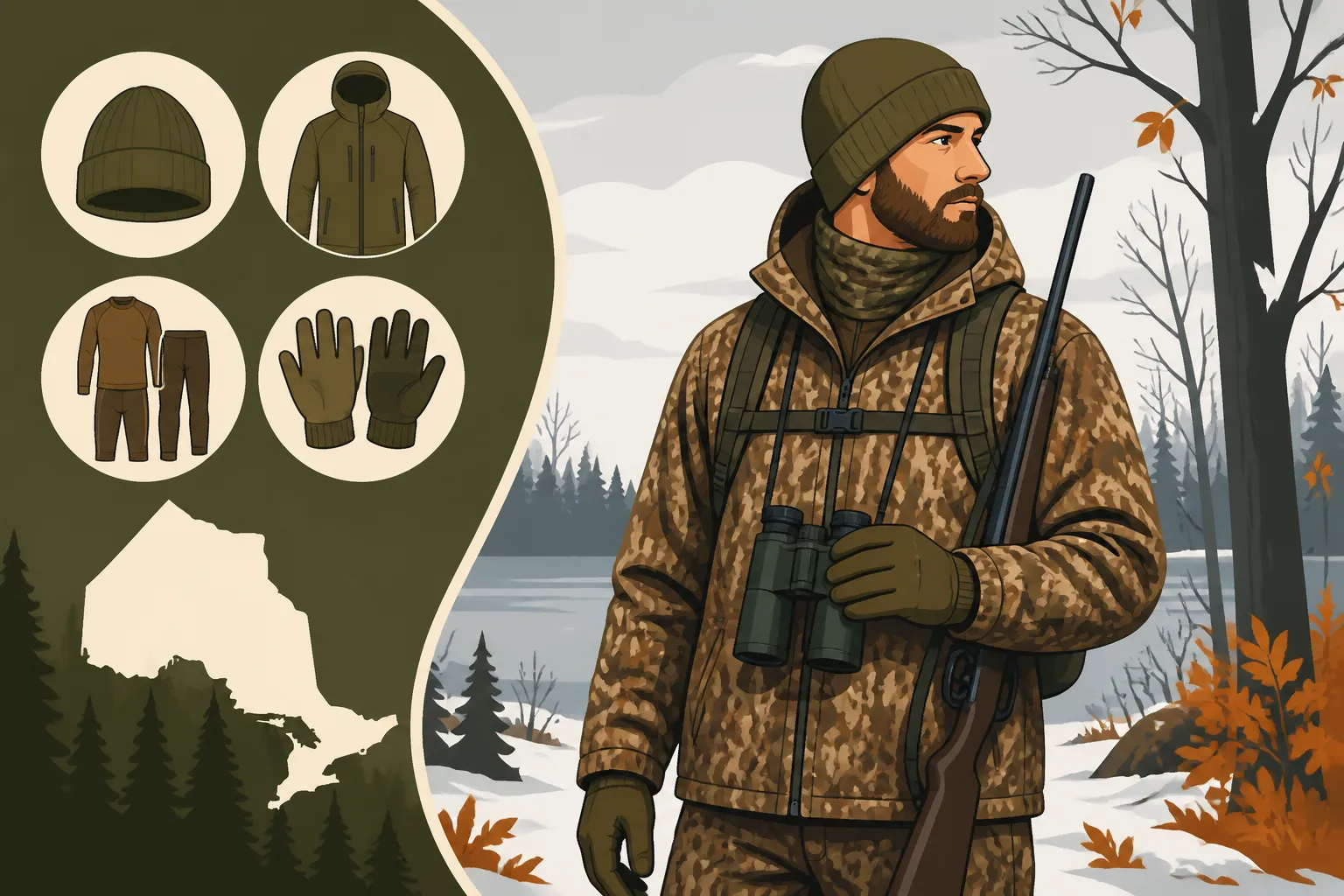
It’s an old wives’ tale that you lose most of your body heat through your head, but you do lose a significant amount, especially if it's uncovered. A warm hat made of wool or fleece is absolutely essential. For extreme cold or windy conditions, consider a balaclava or a neck gaiter that can be pulled up over your face, protecting exposed skin from frostbite and windburn. Keeping your neck warm with a gaiter can make a huge difference in overall comfort.
Your hands are vital for manipulating your firearm or bow, glassing, and field dressing. Layering gloves is often the best strategy: thin, moisture-wicking liner gloves (which you can wear while performing delicate tasks) underneath warmer, insulated gloves or even mitts. Mitts are generally warmer than gloves because they keep your fingers together, sharing heat, but offer less dexterity. Many hunters use "shooter's mitts" that allow them to quickly expose their trigger finger. For long sits, a hand muff with chemical warmers inside can be a lifesaver.
As for your feet, cold, wet feet will ruin a hunt faster than almost anything. Start with good quality, moisture-wicking wool or synthetic socks—again, avoid cotton. You might even double up with a thin liner sock under a thicker wool sock. Your boots must be insulated and fully waterproof. Look for models designed for extreme cold, with ample insulation (measured in grams, e.g., 800g or 1200g Thinsulate). Ensure they are roomy enough to accommodate thick socks without constricting your feet, which would cut off circulation and make them colder. Pack at least one, if not two, extra pairs of socks in a waterproof bag, because once your feet get wet, getting them dry again in the field can be a real challenge.
Camouflage and Blaze Orange Considerations
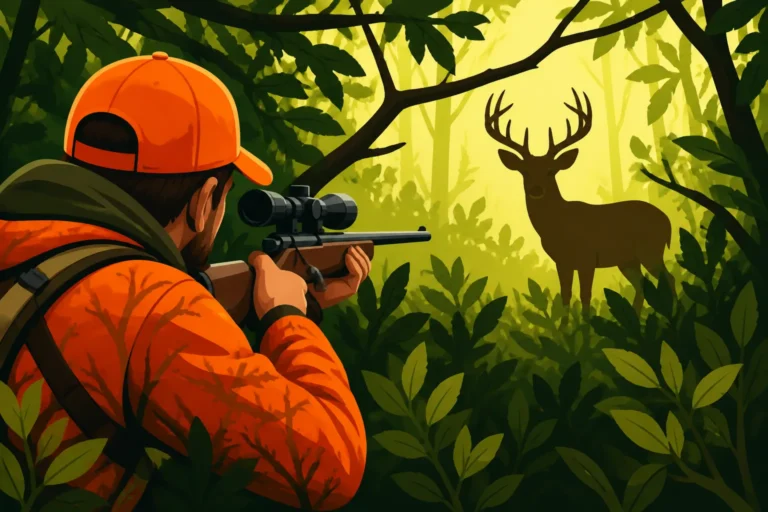
While staying warm is the priority, adhering to regulations and blending into your environment (where applicable) are also important. During shotgun, rifle, or muzzleloader seasons, Ontario Blaze Orange Requirements mandate that hunters wear at least 400 square inches of solid blaze orange above the waist, visible from all sides. This typically means an outer vest or jacket.
The good news is that many companies design technical hunting clothing that incorporates blaze orange directly into the outer shell or offer high-quality blaze orange vests that fit comfortably over your warm camouflage or solid-coloured layers. When planning your outfit, think about how your blaze orange will integrate with your system. Can you easily add or remove a vest without disrupting your warmth? Does your primary cold-weather jacket have a blaze orange option? For bowhunting during the archery season, blaze orange isn't mandatory, allowing you to focus purely on effective camouflage, but during mixed weapon seasons, safety comes first. Brands like BookYourHunt and GoHunt, while primarily booking platforms, often have resources or community forums where hunters discuss specific gear choices, including those that balance safety colours with warmth and stealth.
Packing for the Unexpected
November in Ontario isn't the time to skimp on your pack list. Always assume conditions will worsen, and pack accordingly. A small, waterproof dry bag in your backpack should contain a few critical items: a spare warm hat, an extra pair of gloves or mitts, and those extra dry socks. If you're going deep into Hunting Ontario's Crown Land or far from your vehicle, consider adding a lightweight emergency blanket (space blanket), a small fire-starting kit, and a whistle.
A thermos of hot coffee, tea, or even soup can provide a surprising amount of comfort and a quick internal warm-up on a truly bitter day. The psychological boost of a hot drink can be as important as the physical warmth. Snacks that are easy to eat in the cold, like energy bars or trail mix, provide fuel to keep your internal furnace burning. Remember that colder temperatures mean your body burns more calories just to stay warm. Carrying a minimal but effective survival kit, along with extra layers, isn't about being overly cautious; it's about being realistic about the challenges that Ontario's late fall can present. You never want to be caught unprepared when a sudden squall hits, or you find yourself spending longer in the bush than anticipated.
Practical Strategies for Staying Warm in the Field
Knowing what to wear is one thing; knowing how to manage those layers effectively in real-world hunting scenarios is another. It’s all about continuous adjustment and anticipating your body's needs.
Pre-Hunt Preparation and Scouting Attire
Your preparation starts long before opening day. When you're out Scouting a Wildlife Management Unit, exploring new areas, or hanging stands, you're usually active. For these activities, you'll want to dress lighter than you would for a static sit in a blind. Wear good wicking base layers and breathable mid-layers, but keep your heavy outer insulation in your pack. As you hike, shed layers to prevent sweating. As soon as you stop for an extended period, perhaps to examine sign or hang a camera, quickly put those layers back on.
This pre-season testing also allows you to try out your gear. Does your rain shell actually keep you dry? Are your boots comfortable after several miles? Do your layers allow for a full range of motion, especially when drawing a bow or shouldering a rifle? Don't wait until opening morning of Hunting Ontario's November Gun Season to discover your new insulated jacket is too bulky. It’s a good idea to practice in conditions similar to what you expect on your hunt. If you're planning to spend Sitting All Day in an Ontario Blind, try sitting for a few hours in your full cold-weather kit in your backyard or local bush lot to get a feel for how it performs.
Managing Body Temperature During the Hunt
Once you're in the field, managing your layers becomes an ongoing process. If you're on a long walk-in to your stand, start with fewer layers, maybe just your base and a light fleece, with your heavier mid and outer layers stowed in your pack. The moment you arrive and stop moving, pull on those extra layers immediately before your body cools down. Many insulated jackets are designed to be compressible and can be quickly pulled out of a pack and donned.
When sitting in a stand or blind, use accessories like hand warmers in pockets or a hand muff, and an insulated seat pad to prevent heat loss to the cold ground or metal stand. On particularly cold days, a portable propane heater in a well-ventilated blind can be a game-changer. If you start to feel overheated while sitting, open pit zips on your jacket or unbutton your outer shell to allow some heat to escape, but don't overdo it and let a chilling wind get to your core. The key is to make small adjustments continuously rather than waiting until you're either shivering uncontrollably or sweating profusely.
After the Shot and During Recovery
The moment after you've successfully taken game can be a tricky one for temperature management. The adrenaline rush often masks the cold, but once the excitement subsides and you start field dressing or packing out, your body temperature will drop, especially if you're exposed to wind or have sweated during the recovery process.
Carry an extra, dry base layer or a light puffy jacket in your pack specifically for this scenario. If your outer layers became wet from blood or exertion during the recovery, changing into a dry layer can make a world of difference. When field dressing, consider wearing a pair of rubber gloves over your insulated ones to protect your hands from blood and cold. Have a hot drink and some high-energy snacks ready for after the work is done. Packing out an animal, especially a large one like a moose, can be incredibly strenuous, and you will generate a lot of heat. Just like the walk-in, shed layers as you work to prevent soaking your clothes with sweat. Once you're done dragging a deer out of a swamp, or quartering an animal in the cold bush, put those layers back on. Ensuring proper Meat Care in Ontario's Warm Early Seasons might be a concern in late October, but by November, keeping meat from freezing too quickly can actually be the bigger challenge in certain areas. Remember your truck kit should be well stocked with more warm, dry clothes for the ride home.
Layering Essentials Quick Reference
Here's a quick comparison of common base layer materials to help you make informed choices:
| Feature | Merino Wool Base Layer | Synthetic Base Layer |
|---|---|---|
| Material | Natural wool fibers from Merino sheep | Polyester, polypropylene, or other synthetic blends |
| Moisture Wicking | Excellent, draws moisture away from skin | Excellent, designed for rapid moisture transport |
| Warmth When Wet | Retains significant warmth even when damp | Retains most warmth when damp |
| Odor Resistance | Naturally highly odor-resistant, good for multi-day use | Varies, many treated with antimicrobial agents |
| Feel Against Skin | Very soft, not itchy for most people | Smooth, can feel a bit "slick" |
| Drying Time | Slower drying than synthetics | Very fast drying |
| Durability | Good, but can be prone to holes if snagged | Very durable, stands up to repeated washing |
| Cost | Generally higher | Generally lower |
| Best Use | Multi-day hunts, varied activity, odor concern | High-exertion activities, wet conditions, budget-friendly |
Disclaimer
This article is for general informational purposes only and does not constitute professional advice. Laws, prices and regulations vary by location and change over time. Consult a qualified professional for guidance on your specific situation.