What Is Never Included in a Package
One of the biggest heartaches when planning an Ontario hunting trip, especially if you're venturing out with an outfitter, is thinking you've got everything covered with that "package price," only to discover a whole host of unexpected expenses once you're on the ground. It's frustrating to budget carefully, only to have your carefully laid plans disrupted by costs you didn't even know existed. This guide is here to shed light on those often-unmentioned items and services that are almost never included in a standard hunting package, helping you plan a truly transparent budget for your next adventure.
The Essentials That Aren't Always "Included"
When you're looking at an outfitter's package, it's easy to assume that certain fundamental aspects of your hunt would be part of the deal. However, more often than not, the very things that make your hunt legal and possible are left for you to arrange and pay for separately. This isn't usually an attempt to mislead, but rather a standard practice to keep the base package price clear and allow hunters the flexibility to customize their trip.
Licensing and Tags
This is perhaps the most common area of misunderstanding. Your hunting package, no matter how comprehensive it seems, almost invariably does not include your actual hunting license or any species-specific tags. Outfitters provide the service, the land access, and often the logistical support, but the legal right to hunt and harvest an animal in Ontario rests solely with you and your individual permits. You'll need an Ontario's Outdoors Card Explained first, which is your basic identification as a hunter in the province. Then, depending on what you're chasing, you'll need additional validation or tags.
Think about it: whether you're after a majestic bull moose, a savvy black bear, or a cunning whitetail deer, each requires a specific tag that comes with its own cost and application process. For instance, moose tags are often allocated through a complex draw system, and while an outfitter might hold tags for their clients, you're still responsible for the fee associated with claiming that tag. The same goes for deer tags, bear validation certificates, or even migratory bird permits. These aren't just minor fees; they can add up significantly, especially if you're pursuing multiple species or are a non-resident. Always factor in these crucial costs when estimating your total trip expense. You can find detailed information on Ontario Hunting Licences and What They Cost and specific species rules to plan accordingly.
Travel to and From Camp
Another big one that often catches hunters off guard is the cost of simply getting to the outfitter's camp. While the package might include transportation once you're at their rendezvous point, the journey to that point is entirely on your dime. This could involve everything from flights to remote northern Ontario airfields to lengthy drives across the province. If you're flying, consider the cost of airfare, potential baggage fees (especially for firearms or bulky gear), and any overnight stays required en route.
For those driving, factor in fuel costs, which can be substantial given the vast distances in Ontario, vehicle wear and tear, and any border crossing fees if you're coming from outside Canada. Some remote camps are only accessible by float plane or boat, and while the outfitter might arrange this service, the fee for the charter is almost certainly passed directly to you. It’s not uncommon for a float plane trip to add a significant sum to your overall expenses, but it’s often the only way to reach those pristine, unpressured areas. Before you book, clarify the exact meeting point and what portion of travel the outfitter covers, if any.
Personal Gear and Equipment
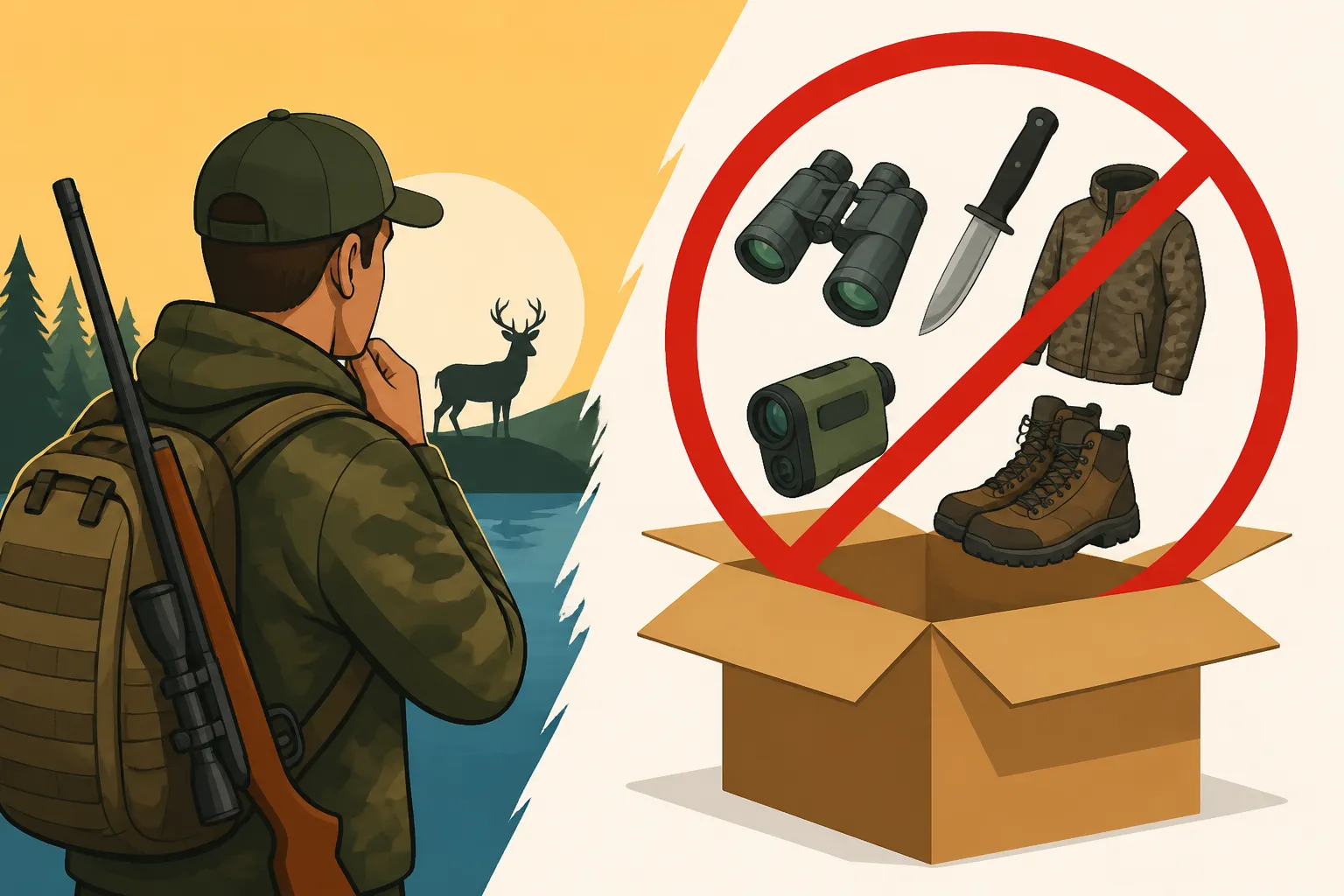
When you book a package, the expectation is that you, the hunter, arrive prepared with your personal hunting kit. Outfitters provide the experience, but they aren't generally stocking a full pro shop for client use. This means your rifle or bow, ammunition, broadheads, hunting clothing tailored for Ontario's varied weather, quality boots for potentially wet and rugged terrain, optics like binoculars and rangefinders, and any personal items like a headlamp, knife, or calls are all your responsibility.
This also extends to smaller but crucial items: a good backpack, a first-aid kit, toiletries, and any specialized gear specific to your preferred hunting method, such as a ground blind or treestand if you're not using the outfitter's setups. Even items like insect repellent, sunscreen, or scent-control sprays should be on your personal packing list. It's a good idea to chat with your outfitter about typical weather conditions and terrain to ensure your gear is appropriate. Preparing a comprehensive checklist will help you avoid forgetting anything vital. We even have a guide on What to Bring to an Ontario Bush Camp that might help you prepare.
Understanding the "Hidden" Costs
Beyond the obvious omissions, there are several "soft" costs that often go unmentioned in a package price, but are universally expected or become necessary as your hunt progresses. These aren't hidden in a deceptive way, but rather fall outside the explicit scope of "services rendered" within the base price.
Gratuities for Guides and Staff
Tipping is a huge part of the outfitting culture, especially in North America, and it's almost never included in your package fee. It's an important way to acknowledge the hard work, dedication, and expertise of your guide, camp cook, and other support staff who work tirelessly to make your hunt successful and comfortable. Guides put in long hours, often starting before dawn and working well into the evening, scouting, tracking, preparing meals, and ensuring your safety.
While there's no hard-and-fast rule, a general guideline for a good, professional guide is often a percentage of the hunt cost. For a full-service camp, tips might extend to the cook, camp hand, and even housekeepers. It’s always a good idea to clarify with the outfitter their specific recommendations or practices, or do some research online for general expectations. Factor this into your budget as a significant additional expense – it’s part of the unspoken contract of a guided hunt and a way to show appreciation for those who make your trip memorable. For more details on this, you can look up How Much to Tip an Ontario Guide.
Trophy Care and Meat Processing
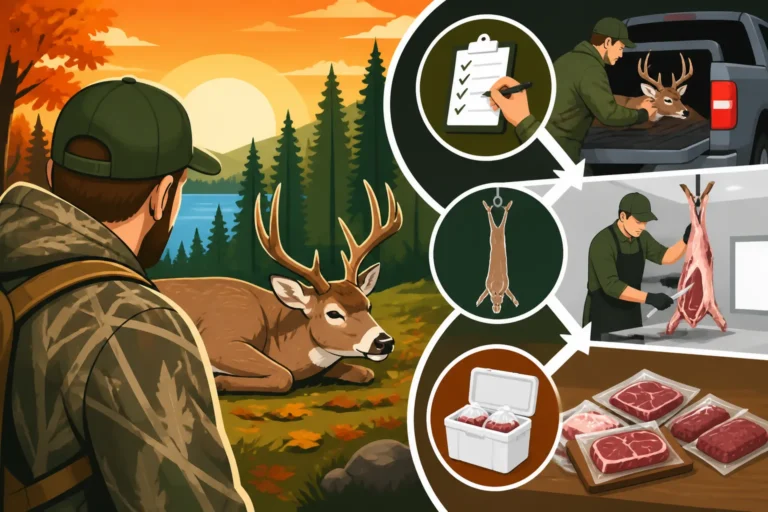
So, you've successfully harvested your animal. Fantastic! But what happens next? Most hunting packages cover the field dressing of your animal, which involves removing the entrails to cool the carcass. Beyond that, the extent of care can vary wildly. Full meat processing – cutting, wrapping, and freezing your game into freezer-ready portions – is very rarely included. This often requires transporting the animal to a local butcher shop, and those services come at an additional cost.
If you're dreaming of a taxidermy mount, the skinning, caping, salting, and freezing of the hide and antlers for transport to a taxidermist will usually incur extra fees from your guide. Transporting these valuable trophies back home, especially across international borders, also involves additional permits, like a Getting a Non-Resident Export Permit, and potentially shipping costs. Don't let the excitement of a successful hunt overshadow the practicalities and costs of getting your hard-earned meat and trophy home. Inquire about these services and their associated costs before your hunt begins.
Unexpected Incidentals
Even with meticulous planning, life happens, and incidental expenses can crop up. These are the "what ifs" that don't fit neatly into any category. Imagine you forget a crucial piece of gear; you might need to purchase it locally, often at a premium. Perhaps you want to buy some souvenirs, extra snacks, or adult beverages not provided by the camp. These small, everyday purchases quickly add up.
Beyond personal wants, consider potential necessities. If you're hunting in remote areas with no cell service, you might opt to rent a satellite phone or a personal locator beacon (PLB) for safety – another potential cost. Even administrative fees, like the specific fee required for The Non-Resident Firearm Declaration when bringing your own rifle across the Canadian border, are expenses you need to account for. Building a small contingency fund into your budget for these unforeseen circumstances can save you a lot of stress during your trip.
Planning Ahead to Avoid Surprises
The key to a smooth, stress-free guided hunt is proactive planning and open communication. Don't leave anything to assumption; clarity is your best friend when dealing with outfitters.
Thorough Vetting and Questioning
Before you ever put down a deposit, engage in a detailed conversation with your prospective outfitter. Ask direct questions about what is explicitly included and, just as importantly, what is not. Get specific. "Does the package include airport pickup?" "Are licenses extra?" "What about meat processing?" Don't be shy; reputable outfitters are transparent and will appreciate your thoroughness. They want satisfied clients, and clear expectations are the foundation of that.
Beyond direct questions, do your homework. Look for reviews and testimonials, and don't hesitate to ask the outfitter for references from past clients. Online platforms like BookYourHunt or GoHunt can be excellent resources for researching outfitters, comparing packages, and reading reviews from other hunters. These platforms often break down what's included and excluded in a clearer format, helping you cross-reference information. Remember, a good outfitter will be happy to answer all your questions and provide detailed information. Our guide on How to Vet an Ontario Outfitter offers more insights into this crucial step.
Budgeting Beyond the Sticker Price
Once you have a clear picture of all the potential extra costs, create a comprehensive budget that goes beyond the advertised package price. Start with the base cost, then add in your estimated expenses for licenses and tags, travel (flights, fuel, vehicle maintenance), personal gear you might need to purchase or rent, anticipated gratuities, meat processing, taxidermy, and any incidentals.
It’s always wise to add a buffer, say an extra 10-15%, for truly unexpected expenses. Having this buffer means you won’t be caught off guard if, for example, a flight is delayed and you need an extra night’s lodging, or if you decide to take home a local craft as a souvenir. A detailed, realistic budget helps prevent financial stress during what should be an enjoyable and exciting experience. It will also help you determine the overall What an Ontario Guided Hunt Costs.
Travel and Hunt Insurance
For many hunters, especially those traveling a significant distance or booking a high-value hunt, investing in travel and hunt insurance is a smart move. This type of insurance can cover a range of scenarios that are definitely not included in any outfitter package. Think about trip cancellation or interruption due to unforeseen circumstances like illness, family emergencies, or even severe weather that makes travel impossible.
It can also provide medical coverage if you have an accident in a remote area, cover lost or damaged luggage (which could include expensive hunting gear), and even offer emergency evacuation services if you get injured deep in the bush. While it's an added upfront cost, the peace of mind it provides, knowing you're protected against significant financial loss, can be invaluable. Discuss potential risks with your outfitter and choose a policy that addresses your specific concerns. This is a vital component of Planning an Ontario Hunting Trip.
Tailoring Your Expectations
The type of hunting experience you choose also dictates what's included (and what's not). Understanding the nuances of different package structures will help set accurate expectations.
Housekeeping vs. American Plan
The terms "housekeeping" and "American Plan" are often used to describe the lodging and food arrangements, and they significantly impact what's included in your package.
-
Housekeeping: If your package is a "housekeeping" plan, it means you're generally provided with lodging (a cabin, lodge room, etc.) that has cooking facilities. However, the groceries and the actual cooking are entirely up to you. This is a more budget-friendly option, as you control your food costs and preferences. It's great for groups who enjoy cooking together and don't mind the extra work. However, remember to factor in the cost of groceries and the time spent preparing meals, which can eat into your hunting time. For a deeper dive, check out What a Housekeeping Camp Actually Means.
-
American Plan: This is typically the more inclusive option. Under an "American Plan," your lodging, all meals, and often non-alcoholic beverages are provided. A cook or camp staff will prepare and serve your meals, sometimes even packing a lunch for you to take into the field. This option frees you from cooking duties, allowing you to focus solely on hunting and relaxation. While more expensive, it offers a truly catered experience. The choice between these two depends on your budget, preferences, and how much you want to handle yourself.
Understanding "Semi-Guided" vs. "Fully Guided"
The level of guidance you choose fundamentally changes what's included in your package regarding in-field support.
-
Fully Guided: A fully guided hunt generally means you have a dedicated guide (or guides for a group) who will be with you in the field throughout your hunt. They will scout, help you track, call animals, assist with game retrieval, and often provide transportation to and from hunting spots daily. This is the most comprehensive service, ideal for new hunters or those seeking a highly assisted experience. It's designed to maximize your chances of success by leveraging the guide's intimate knowledge of the area and the game.
-
Semi-Guided: A semi-guided hunt typically offers less direct, constant support. The outfitter might provide you with a map, show you promising areas, provide transportation to a drop-off point, and offer advice, but you'll be doing most of the actual hunting independently. They might assist with game retrieval if you're successful. This option is often more affordable and suits experienced hunters who are confident in their abilities but want the benefit of local knowledge and logistical support. You can learn more about this through What a Semi-Guided Hunt Means Here. Always clarify the exact level of guiding service you'll receive to align with your expectations and experience.
The "Trophy Fee" Concept
While less common for standard deer, moose, or bear packages in Ontario, especially for residents, the concept of a "trophy fee" can exist, particularly for non-residents or specialized hunts. A trophy fee is an additional charge levied if you successfully harvest an animal, especially if it meets certain size or quality criteria (e.g., a certain antler score for a whitetail, or a large-bodied bear).
Sometimes, an outfitter's package might advertise a base price that doesn't include the "trophy fee" for the specific animal you take. Or, they might offer different packages based on the type of animal (e.g., a cow moose hunt versus a bull moose hunt). Always confirm if any additional fees are assessed upon harvest, and what those criteria are. This ensures there are no surprises when you’re celebrating your successful hunt. For most straightforward packages, what you pay upfront covers the hunt for the specified animal, but it never hurts to ask for clarity.
| Category of Expense | Typically Included in Package | Typically NOT Included in Package |
|---|---|---|
| Licenses & Tags | Lodge's ability to hold tags (for draw units) | Ontario Outdoors Card, hunting licences, species-specific tags (deer, moose, bear, turkey, migratory bird) |
| Travel | Local transport (e.g., to hunting spots from camp) | Flights, fuel to/from rendezvous point, float plane charters, border crossing fees, personal vehicle wear & tear |
| Personal Gear | Sometimes specific camp equipment (e.g., treestands, blinds) | Rifle/bow, ammunition, hunting clothes, boots, optics, personal hygiene items, specialized calls, headlamps |
| In-Camp Costs | Lodging, guide service (for guided hunts), meals (for American Plan) | Gratuities for guides/staff, alcoholic beverages, extra snacks, souvenirs, satellite phone rental |
| Post-Harvest | Field dressing (gutting) | Meat processing (butchering, wrapping), taxidermy prep (caping), shipping of meat/trophies, export permits |
| Insurance | None | Travel insurance, hunt cancellation insurance, medical evacuation insurance |
Disclaimer
This article is for general informational purposes only and does not constitute professional advice. Laws, prices and regulations vary by location and change over time. Consult a qualified professional for guidance on your specific situation.