Planning an Ontario Hunting Trip
Planning an Ontario hunting trip can feel like trying to solve a complex puzzle with a million pieces, especially if you're not familiar with the province's vast landscapes and regulations. It's easy to get overwhelmed by the sheer volume of decisions, from what species to pursue to navigating licensing and finding the perfect camp. This comprehensive guide is here to break down every step of the process, helping you plan a successful and stress-free Ontario hunting adventure.
Defining Your Ontario Hunting Vision
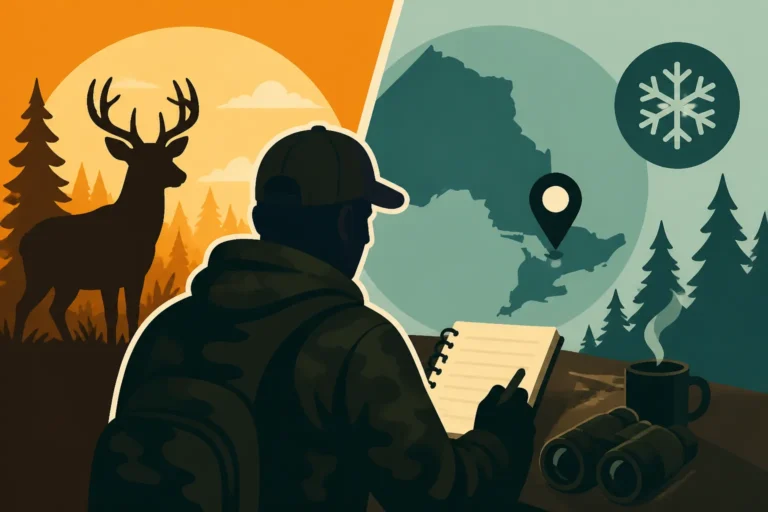
Before you even think about booking a flight or buying a licence, sit down and truly define what your ideal Ontario hunt looks like. This isn't just about picking a species; it's about envisioning the entire experience, because Ontario offers such a diverse range of hunting opportunities that tailoring your expectations early on will save you a lot of grief later.
Choosing Your Target Species
Ontario is a hunter's paradise, home to a wide array of big game, small game, and migratory birds. Your choice of quarry will dictate everything from the season you hunt to the region you visit and the equipment you'll need. Are you dreaming of calling a bull moose in the vast boreal forest, patiently waiting for a whitetail buck in a southern Ontario woodlot, or heading north for a thrilling black bear encounter? Maybe you're keen on the fast-paced action of waterfowl hunting, or the quiet solitude of chasing ruffed grouse in the fall. Each species presents unique challenges and rewards. For instance, a Moose Hunting Ontario's Northern Bush trip is a completely different endeavour than Whitetail Hunting in Ontario.
Deciding on Your Hunting Method
Once you know what you're after, consider how you want to hunt it. Ontario accommodates various methods, but certain techniques are more effective for specific species or terrain. Are you a traditionalist who loves the challenge of Bowhunting Ontario's Long Archery Season? Or do you prefer the range and power of a Rifle Hunting Ontario's Deer Season setup? Muzzleloader hunting also has its dedicated seasons in some areas, offering a unique blend of challenge and tradition. Think about whether you prefer still-hunting, stand hunting, calling, or perhaps participating in a deer drive with friends. Your method will significantly influence your gear choices and even the physical demands of the hunt.
Self-Guided Versus Guided Hunts
This is a pivotal decision, especially for those new to Ontario or looking for a very specific experience. A self-guided hunt offers immense freedom and is often more budget-friendly, allowing you to explore Hunting Ontario's Crown Land at your own pace. However, it requires a significant amount of pre-trip planning, scouting, and self-reliance. You're responsible for everything from navigation and game recovery to camp setup and cooking.
On the other hand, booking with one of the many Hunting Guides and Outfitters in Ontario can drastically simplify your trip. Outfitters often provide accommodation, meals, transportation in the field, and expert knowledge of local game movements and hunting techniques. For a complex hunt like moose or bear, where specialized knowledge and equipment (like boats or ATVs) are often crucial, a guided trip can be invaluable. This is where platforms like BookYourHunt can be incredibly useful, allowing you to browse different outfitters and compare their packages, guiding styles, and available dates. They take a lot of the logistical guesswork out of the equation, letting you focus on the hunt itself.
Navigating Ontario's Hunting Regulations
Understanding Ontario's hunting regulations is paramount to a legal and ethical hunt. This isn't just a formality; it's about respecting the wildlife, the land, and the safety of everyone in the bush. Ignoring these rules can lead to serious penalties, so take the time to truly grasp what's required.
Getting Your Outdoors Card and Licences
The very first step for any hunter in Ontario is to obtain an Ontario's Outdoors Card Explained. This card acts as your hunting identification and is required before you can purchase any hunting licences or tags. Think of it as your passport to hunting in the province. Once you have your Outdoors Card, you'll need to purchase specific licences for the species you intend to hunt. For example, a big game licence for deer, moose, or bear, or a small game licence if you're pursuing rabbits or grouse. Migratory bird hunters will also need a federal migratory game bird permit. It's crucial to check the specific season dates and bag limits for your chosen species and the Wildlife Management Unit (WMU) you plan to hunt in. These can vary significantly across the province.
Understanding Tags and Draws
Beyond the basic licences, many big game species in Ontario, particularly moose and antlerless deer, require specific tags obtained through a draw system. This system manages harvest numbers and distributes opportunities fairly. For moose, Ontario has a points-based system where hunters accumulate points for unsuccessful applications, increasing their chances in subsequent years. Learning about Ontario's Moose Tag Allocation Process and Ontario's Moose Points System is vital if you're set on a bull or cow moose hunt. Similarly, antlerless deer tags and controlled deer hunt validations often operate on a draw system in specific WMUs. It's not enough to simply buy a licence; you need the correct tag for the specific animal you intend to harvest.
Safety, Blaze Orange, and Equipment Rules
Ontario has strict rules regarding hunter safety and equipment. Blaze orange is mandatory for most big game hunting seasons, ensuring hunters are visible to each other in the bush. The amount of blaze orange required is specific, so make sure your hat and outer clothing meet the standards. There are also regulations around Legal Firearms and Bows for Big Game, including minimum calibres, draw weights, and magazine capacities. For instance, specific WMUs may be "shotgun only" zones, restricting the use of rifles. Always carry your licences and tags with you, and understand the rules on transporting firearms and using ATVs on Crown Land. A thorough review of the current Ontario Hunting Regulations Summary, available online, is non-negotiable before your trip.
Choosing Your Hunting Location: Wildlife Management Units (WMUs)
Ontario is divided into numerous Ontario's Wildlife Management Unit System (WMUs), each with its own specific season dates, bag limits, and often, particular draw requirements. Selecting the right WMU is a critical step in planning your hunt, as it directly impacts your chances of success and the type of terrain you'll encounter.
Researching WMU Characteristics
Every WMU has unique characteristics regarding habitat, game density, and hunting pressure. For example, Hunting Deer in Southern Ontario Farmland will be vastly different from Hunting Deer in Ontario's Mixed Forest or Hunting Whitetails on Ontario Crown Land in the north. If you're chasing moose, you'll be looking at WMUs in the vast northern boreal forest, while turkey hunters will focus on areas where agricultural land meets wooded areas. Online resources, maps, and even apps like GoHunt can help you visualize these units, understand their terrain, and identify potential hotspots. Look for information on recent game surveys, winter conditions in previous years, and harvest statistics, which can give you a clearer picture of what to expect.
Accessing Public vs. Private Land
Once you've narrowed down potential WMUs, you need to consider land access. Ontario offers vast tracts of Crown Land, which is public land accessible to hunters. This is often the go-to for many self-guided hunters, particularly in northern and central Ontario. However, navigating Crown Land requires good map reading skills, a compass or GPS, and a solid understanding of how to find your way in remote areas. On the flip side, much of Southern Ontario is private land. Getting Private Land Permission in Ontario is essential here, and it often involves knocking on doors, building relationships with landowners, or joining hunt clubs. Never assume you have permission; always ask and get it in writing if possible. Some Conservation Authority lands or managed forests also allow hunting, but often with specific rules and sometimes permit requirements.
Proximity to Amenities and Services
When choosing a WMU, don't just think about the game. Consider the logistics for your group. How far is the nearest town for supplies, fuel, or emergency services? Will you be able to get cell service, or will you need a satellite messenger? If you're self-guiding, access to meat processing facilities or cold storage can be a huge factor, especially in warmer early seasons. If you're booking with an outfitter, they'll typically handle these details, but it's still good to know where you are relative to essential services. Planning for contingencies like a flat tire, a forgotten piece of gear, or a medical emergency is just as important as finding good hunting sign.
Budgeting and Accommodation for Your Hunt
Hunting in Ontario, like any outdoor adventure, comes with costs. Having a clear budget from the outset helps manage expectations and ensures you're prepared for all expenses, from licences to lodging and everything in between.
Understanding the Costs Involved
A hunting trip budget should encompass more than just your licence fees. Think about travel costs (fuel, flights, vehicle rental), accommodation (camp rental, outfitter fees, hotels), food and supplies, gear (ammunition, clothing, optics), and potential meat processing or taxidermy. Non-residents, especially those driving up from the United States, will also need to factor in things like Bringing Firearms Into Ontario and potential cross-border export permits for game meat or trophies. What an Ontario Guided Hunt Costs can vary wildly depending on the species, duration, and level of service, so always get a clear breakdown from your chosen outfitter. Remember, unforeseen costs can pop up, so it's wise to set aside a contingency fund.
Here’s a general breakdown of common hunting expenses in Ontario:
| Category | Description | Considerations |
|---|---|---|
| Licences & Tags | Outdoors Card, specific species licences (deer, moose, bear, small game), migratory bird permit, tags. | Check resident vs. non-resident costs; draw fees for moose/antlerless deer. |
| Travel | Fuel, airfare, vehicle rental, ATV/boat fuel, float plane charters. | Distance to WMU, remoteness of camp, gas prices, vehicle wear and tear. |
| Accommodation | Outfitter package, cabin rental, hotel, Crown Land camping permit. | Guided hunts include this; self-guided means more independent booking. |
| Food & Drink | Groceries for self-guided, restaurant meals, specialty items. | Consider bringing staples from home to save money. |
| Gear | Ammunition, specialized clothing, optics, boots, GPS, first-aid, game bags. | Factor in wear and tear on existing gear, or new purchases. |
| Processing | Butcher fees, cold storage, packaging for transport. | Essential for meat care, especially in warmer weather. |
| Taxidermy | Field prep, caping, salting, shipping trophy to a taxidermist. | Costs vary significantly; plan for shipping if crossing borders. |
| Contingency | Unexpected repairs, emergency supplies, additional permits. | Always have a buffer for unforeseen circumstances. |
Lodge, Cabin, or Remote Camp: Where Will You Stay?
Your choice of lodging will significantly shape your hunting experience and budget. For guided hunts, accommodations are typically part of the package, ranging from rustic Ontario Hunting Lodges and Camps to more luxurious facilities. Many outfitters offer both American Plan (all-inclusive meals) and Housekeeping Plan (you cook your own meals) options.
For self-guided adventurers, the options are broader. You might rent a private cabin or cottage near your chosen WMU, offering comfort and amenities. Alternatively, many hunters opt for a remote camping experience on Crown Land, which can be anything from a tent camp to a more robust wall tent setup. Just be aware of Camping Rules on Ontario Crown Land and any permit requirements, particularly for non-residents. Remote camps offer unparalleled solitude but demand greater self-sufficiency and preparation. Ensure your camp location is strategically placed for efficient access to your hunting grounds, considering factors like wind direction and proximity to game travel corridors.
Gear, Equipment, and Physical Preparation
A successful hunting trip isn't just about knowing the regulations and finding the right spot; it's about being properly equipped and physically ready for the challenges that Ontario's diverse terrain and weather can present.
Essential Hunting Gear Checklist
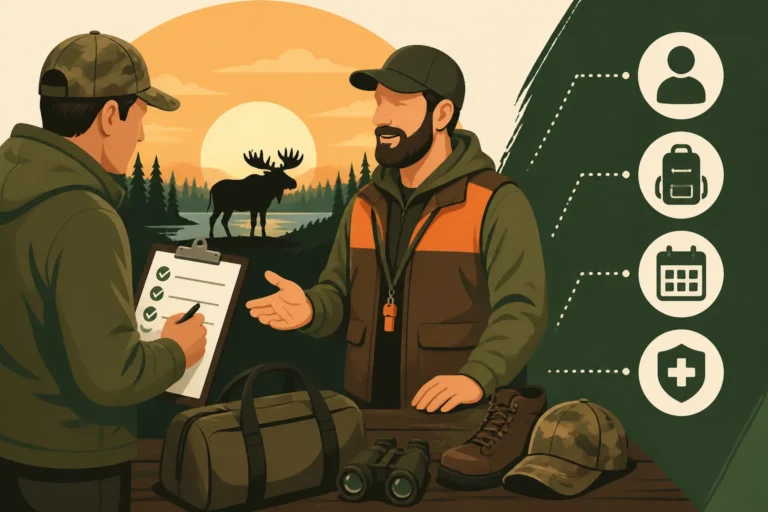
Your gear list will, of course, depend on your chosen species and method, but some items are universally critical for an Ontario hunt. This includes appropriate clothing layers for varying temperatures (even in fall, conditions can swing wildly), sturdy waterproof boots suitable for wet bush, reliable navigation tools (GPS, compass, maps, or even a hunting app like GoHunt for mapping), a well-stocked first-aid kit, and an emergency communication device (satellite phone or messenger if heading remote). Don't forget field dressing tools, game bags, and a reliable cooler for meat care. For specific hunts, things like calls (e.g., Rattling and Calling Ontario Whitetails or Calling a Bull Moose in the Rut), specialized optics, or tree stands (Hanging a Stand on an Ontario Bush Edge) become essential. Always double-check that your firearm or bow is sighted in and that you have enough ammunition for your trip.
Preparing for Ontario's Weather and Terrain
Ontario's weather can be notoriously unpredictable, from warm, bug-filled early fall days to bone-chilling November winds and early snow. Dressing in layers is key, allowing you to adapt to changing conditions. Waterproof outer shells are a must, as you're likely to encounter rain, sleet, or wet snow. Footwear needs to be robust, waterproof, and comfortable for long days of walking through uneven terrain, from rocky Shield country to swampy lowlands. Beyond the weather, Ontario's diverse terrain demands physical readiness. Hunting Ontario's Mixed Hardwood Bush requires different conditioning than navigating thick boreal forest or dragging a heavy animal out of a swamp. Being in reasonable physical shape will not only enhance your enjoyment but also increase your safety and success rate, especially when faced with the arduous task of game retrieval.
Safety First: Communication and Emergency Preparedness
Even if you're hunting with a guide, you are ultimately responsible for your own safety. Always let someone know your hunting plan, including your intended WMU, expected return time, and any areas you plan to access. In remote areas, cell service is often non-existent, making a satellite phone, satellite messenger, or a SPOT device indispensable. Carry a whistle, a fire starter, an emergency blanket, and extra food and water. Knowing basic first aid and how to deal with common outdoor injuries or emergencies is crucial. Understanding how to navigate back to a main road or camp if you get turned around, perhaps by using skills like Reading Sign After a Fresh Snow, is vital for self-guided hunters.
Booking and Logistics for Non-Residents
For hunters coming from outside Ontario, especially non-residents from the United States, there are additional layers of planning and logistics to consider. These steps are crucial to ensure a smooth border crossing and a hassle-free hunt.
Non-Resident Licences and Permits
As a non-resident, your hunting licence requirements will differ slightly from those for Ontario residents. You'll still need an Outdoors Card, which has specific non-resident costs and validity periods. Then, you'll purchase your species-specific licences. Be aware that certain opportunities, like the elk draw, are Why the Elk Draw Is Residents Only. It's always a good idea to research Rules for Non-Residents Hunting Ontario well in advance. Some outfitters can assist with the licence purchasing process, or you can purchase them online through the Ontario hunting portal. Double-check all fees and ensure you have the correct documentation for everything you plan to hunt.
Bringing Firearms Across the Border
This is often the most significant concern for non-residents. Canada has specific regulations regarding firearms. You'll need to complete a Non-Resident Firearm Declaration Form (RCMP 5589) in triplicate before arriving at the border. This form acts as a temporary licence for your non-restricted firearms. You will present it to a Canadian Border Services Agency (CBSA) officer upon entry, declare your firearms, and pay a verification fee. Shotguns and rifles are generally permitted, but certain types of firearms (e.g., handguns, many semi-automatic rifles) are prohibited. Ensure your firearms are unloaded and stored securely in a locked case, separate from ammunition. Always declare everything honestly to border officials. The penalty for non-compliance can be severe, including seizure of firearms and charges.
Transporting Game Meat and Trophies
Successfully harvesting an animal is just one part of the equation; getting your meat and trophy home is another. Non-residents will need an Export Permit to legally take game meat and trophies out of Ontario. Outfitters usually assist with this process, but if self-guided, you'll need to apply for it yourself. This permit ensures compliance with wildlife regulations. For antlers or hides, you'll also need to consider CITES regulations if dealing with certain species, though this is less common for typical Ontario game. When crossing the US border, you'll need to declare any meat or animal parts to U.S. Customs and Border Protection. Ensure all meat is properly processed, packaged, and labeled. Having a good cooler or a freezer on wheels for your journey home is essential to maintain meat quality, especially after a successful Moose Hunting Ontario's Northern Bush trip.
Finalizing Your Trip Details and Departure
With the major planning elements in place, it's time to fine-tune the details and ensure everything is ready for your departure. This includes last-minute checks, packing, and ensuring all your paperwork is in order.
Pre-Trip Checks and Confirmations
Before you hit the road or board a plane, make a checklist and go through it methodically. Confirm all your bookings: outfitters, accommodations, flights, and vehicle rentals. Double-check your licences, tags, and any permits (like the non-resident firearm declaration) to ensure they are correct and valid. Verify all season dates and bag limits one last time, especially if hunting multiple species or in different WMUs. Share your itinerary with a trusted contact who isn't coming on the trip, including your expected arrival and departure times, and a general route. For those traveling with a guide, confirm meeting points and times. Even small details, like ensuring your vehicle's oil is changed and tires are good, can prevent big headaches on a long drive to a remote camp.
Packing Smart and Efficiently
Packing for an Ontario hunting trip means being prepared for a range of conditions without overpacking. Lay out all your gear and go through it. Do you have enough layers? Is your rain gear truly waterproof? Are your boots broken in? Consider the weight limits if flying, especially if you plan to bring back a lot of meat. Pack a smaller "day pack" with essentials you'll carry daily in the field: water, snacks, first aid, navigation, game calls, and an emergency kit. For long drives, having a "truck kit" with basic tools, a spare tire, and extra fuel can be a lifesaver in northern Ontario's remote areas. Don't forget personal items, medications, and any comfort items that will make camp life more enjoyable.
Embracing the Ontario Hunting Experience
Finally, once all the planning is done, take a deep breath and get ready to enjoy the experience. Ontario offers incredible hunting opportunities, set against a backdrop of stunning natural beauty. The planning stage is crucial, but so is the ability to adapt to unforeseen circumstances in the field, whether it's a sudden change in weather, unexpected game movement, or a minor equipment issue. Be patient, be persistent, and embrace the challenges and rewards that come with hunting in the wild landscapes of Ontario. The memories you make, the friendships you forge, and the connection to nature you experience will be worth every moment of preparation.
Disclaimer
This article is for general informational purposes only and does not constitute professional advice. Laws, prices and regulations vary by location and change over time. Consult a qualified professional for guidance on your specific situation.