Choosing the Right Ontario Outfitter
Planning an Ontario hunting adventure can feel like navigating a dense, unbroken forest at times, especially when you start looking at the myriad of guides and outfitters available. It's easy to get overwhelmed by the options, wondering if you're making the right choice for what might be a once-in-a-lifetime trip. This comprehensive guide is here to cut through the confusion, helping you confidently select the perfect Ontario outfitter to turn your hunting dreams into a successful, memorable reality.
Understanding the Role of an Ontario Outfitter
Many hunters, especially those new to large, wild landscapes like Ontario's, often wonder exactly what an outfitter brings to the table. It's not just about pointing you toward a good spot; it's a whole package designed to make your hunt safer, more comfortable, and ultimately, more successful. Think of an outfitter as your personal hunting concierge and logistics expert, smoothing out all the wrinkles so you can focus on the pursuit.
What Does an Outfitter Actually Provide?
An Ontario outfitter typically provides a spectrum of services, ranging from basic guiding to full-service, all-inclusive packages. At its core, an outfitter offers expertise in local game, habitat, and hunting techniques that would take a DIY hunter years to acquire. They know the movement patterns of game, understand the nuances of the local terrain, and often have private land access or extensive knowledge of prime public lands. For instance, if you're after moose, they'll know the best beaver ponds or logging cuts where bulls are likely to be found, based on years of experience and scouting. This localized knowledge is invaluable, transforming a hopeful expedition into a highly strategic hunt.
Beyond knowledge, outfitters handle the logistical headaches. This often includes accommodation, which could range from rustic bush camps to comfortable lodges. They provide meals, transport to and from hunting areas, and can even arrange for things like meat processing and taxidermy services after a successful harvest. For non-residents, they can be particularly helpful in navigating the intricacies of Ontario's licensing system and even assisting with the paperwork for bringing firearms across the border. Imagine arriving in a new place, tired from travel, and knowing that your camp is set up, food is ready, and your guide is prepped with a plan for the next morning. That's the peace of mind an outfitter offers.
They also provide necessary equipment that might be impractical for you to transport, such as boats for lake access, ATVs for remote trails, or specialized blinds for waterfowl hunting. This is particularly beneficial for those flying in or traveling long distances, as it significantly reduces the amount of gear you need to bring. An outfitter essentially becomes your local connection, ensuring you have everything required for a safe and effective hunt, even in the remotest corners of the province. Their network often extends to local butchers, expeditors, and even other outfitters, providing a comprehensive support system for your entire trip.
When Do You Really Need a Guide in Ontario?
While some experienced hunters might prefer a completely do-it-yourself adventure, there are several scenarios where hiring an Ontario guide or outfitter becomes not just beneficial, but almost essential. The vastness and unique challenges of Ontario's landscape, coupled with specific regulatory aspects, often tip the scales in favour of professional assistance. For non-residents, the answer is often a resounding yes. Ontario has specific rules for non-residents, and navigating them can be complex. Rules for Non-Residents Hunting Ontario are distinct, and an outfitter can ensure you're compliant, from licensing to firearm declarations.
Secondly, if you're targeting specific big game species like moose or bear, an outfitter's expertise dramatically increases your odds of success. Moose hunting, for example, often requires intimate knowledge of remote boreal forest habitat and calling techniques that take years to master. An outfitter typically has pre-scouted areas, established bait sites for bear, or dedicated access to prime Moose in Ontario's Boreal Forest territory that would be nearly impossible for an unfamiliar hunter to find and effectively hunt on their own. Their success rates are built on years of experience, not just luck.
Lastly, consider the practicalities of a wilderness hunt. If you're venturing into remote areas, especially those requiring fly-in or boat-in access, an outfitter provides critical safety and logistical support. They have the communication equipment, emergency plans, and wilderness first aid training that can be life-saving. Moreover, they understand the local conditions, from changing weather patterns to navigating tricky terrain. For hunters looking for a comfortable, stress-free experience, or those with physical limitations, a guide can tailor the hunt to their needs, providing accessible blinds or easier travel routes. If you're new to Ontario, or even new to hunting a particular species, an outfitter provides a crucial education in the field, helping you learn the ropes safely and efficiently.
Defining Your Ontario Hunting Goals and Expectations
Before you even start browsing outfitter websites, the most crucial step is to sit down and honestly assess what you want out of your Ontario hunting trip. This isn't just about what animal you want to harvest, but the entire experience surrounding it. Misaligned expectations are one of the biggest reasons for disappointment on a guided hunt, so clarity here is paramount.
What Species Are You After?
Ontario offers an incredible diversity of game, from the majestic moose of the north to the wily whitetails of the south, and the thrilling spring turkey hunts in between. Your target species will largely dictate the type of outfitter you seek, the region you'll hunt, and ultimately, the cost and style of your trip. Are you dreaming of a colossal bull moose, or a bruin black bear? Perhaps you're hoping for a respectable whitetail buck, or the adrenaline rush of calling in a spring gobbler.
For instance, if your heart is set on moose, you'll be looking at outfitters who operate in northern WMUs (Wildlife Management Units) where populations are strong and tags are allocated. These hunts typically involve extensive wilderness travel, perhaps by boat or ATV, and can be physically demanding. Black bear hunts, on the other hand, often revolve around established bait sites and may involve sitting for extended periods. Black Bear Hunting in Ontario offers fantastic opportunities, but the methods and locations differ significantly from, say, Whitetail Hunting in Ontario.
It's also worth considering combination hunts, where an outfitter might offer the chance to pursue multiple species if seasons overlap and regulations allow. For example, some outfitters might offer bear and grouse combinations, or deer and waterfowl. Be clear about your primary objective, but also open to secondary opportunities if they enhance the overall experience. Knowing exactly what you're aiming for allows outfitters to tell you if they specialize in that species and if they have available tags or suitable hunting grounds.
What Kind of Experience Are You Looking For?
Beyond the game itself, what does your ideal hunting trip feel like? Is it a rugged, remote wilderness experience where you rough it in a spike camp, relying on bushcraft and perseverance? Or are you envisioning a comfortable lodge with hearty meals, hot showers, and a more leisurely pace after a day in the field? This spectrum of experiences is vast in Ontario, and many outfitters cater to very specific niches.
Consider the level of physical challenge you're seeking, or are capable of. Some hunts, particularly for moose in remote areas, can be incredibly demanding, involving long hikes, navigating challenging terrain, and the strenuous work of animal recovery. Other hunts, like sitting over a bear bait or waterfowl hunting from a blind, might be less physically taxing. Be honest with yourself about your fitness level and preferences. Do you want a 1:1 guide-to-hunter ratio, or are you comfortable in a 2:1 or even a larger group setting? This impacts not just the cost, but the intimacy and intensity of your guided experience.
Think about the amenities. Do you need cell service, Wi-Fi, and private rooms, or are you happy with a rustic cabin, outhouse, and generator power? The type of camp – whether a luxurious lodge, a basic outpost cabin, or even a canvas tent camp – will shape your entire trip. If you're bringing family members who aren't hunting, are there non-hunting activities available? Some outfitters offer fishing, canoeing, or wildlife viewing opportunities. Clarifying these preferences will help you narrow down outfitters whose offerings align perfectly with your vision for the trip.
Setting a Realistic Budget for Your Hunt
Let's be frank: guided hunts in Ontario, especially for big game, are an investment. It's crucial to have a realistic understanding of the costs involved so you can avoid sticker shock and find an outfitter that fits your financial comfort zone. The price of a guided hunt can vary wildly based on the species, the length of the hunt, the level of service, and the remoteness of the location. What an Ontario Guided Moose Hunt Costs will be different from a deer or bear hunt.
When budgeting, remember that the advertised price of a hunt package is often just the starting point. You'll need to account for:
- Licences and Tags: These are typically purchased separately and are mandatory.
- Travel Costs: Flights, fuel for driving, shuttle services to the camp.
- Accommodation Before/After the Hunt: If you arrive a day early or leave a day late.
- Meat Processing and Shipping: If you're successful, there's a cost to butcher and potentially ship your game meat home.
- Taxidermy: If you plan on taking a trophy.
- Gratuities/Tips: It's customary to tip your guide and camp staff for their hard work. How Much to Tip an Ontario Guide can be a significant addition.
- Personal Gear: Specialty clothing, optics, firearms, and ammunition.
- Unexpected Expenses: Anything from a forgotten item to a weather-related delay.
It's wise to build a buffer into your budget for these incidentals. Don't be afraid to ask potential outfitters for a detailed breakdown of what is and isn't included in their packages. Some offer "all-inclusive" where almost everything is covered, while others list a base price and then add on services. Knowing this upfront prevents unpleasant surprises and ensures you can fully enjoy your experience without financial stress looming over your head.
Researching and Vetting Potential Outfitters
Once you have a clear idea of your hunting goals and budget, it's time to dive into the research phase. This is where you transform your vision into actionable steps, sifting through the many options to find the right fit. It requires a bit of detective work, but a thorough job here will pay dividends in the long run.
Online Resources and Platforms
The internet is your first and most powerful tool for finding Ontario outfitters. Dedicated hunting search engines and booking platforms are excellent starting points. Sites like BookYourHunt and GoHunt often list numerous outfitters, detailing their offerings, locations, and even providing reviews from past clients. These platforms can be a convenient way to browse options, filter by species or region, and get a general sense of what's available. They often consolidate information that would otherwise take hours to dig up from individual outfitter websites.
Beyond these dedicated sites, general web searches for "Ontario moose outfitter" or "guided black bear hunt Ontario" will bring up a host of independent operators. Don't stop at the first page of results. Dig deeper, explore different regional associations, and look for outfitters mentioned on hunting forums or social media groups. Pay attention to the professionalism of their websites – is the information clear, up-to-date, and easy to navigate? While a slick website isn't everything, it can be an indicator of a well-run business.
As you browse, make a list of outfitters that seem to align with your species, experience, and budget. Note down their contact information, website, and any immediate pros or cons you observe. This initial digital reconnaissance helps you create a manageable shortlist for more in-depth investigation. Just remember that what you see online is a marketing effort, so be prepared to dig deeper beyond the glossy photos and testimonials.
The Power of References and Reviews
Once you have a shortlist, client references and online reviews become your most valuable assets. Don't rely solely on the testimonials posted on an outfitter's own website – those are, understandably, curated to show the best side. Seek out independent reviews on platforms like Google, Facebook, or hunting forums. Be aware that not all online reviews are reliable; some might be overly negative due to unreasonable expectations, while others could be overly positive without critical insight. The key is to look for patterns and consistent themes across multiple reviews. Reading Outfitter Reviews Honestly means looking for detailed accounts, not just star ratings.
The best way to vet an outfitter is to ask for a list of recent client references. Any reputable outfitter will be happy to provide these. When you call these references, ask targeted questions:
- What was their overall satisfaction with the hunt?
- Did the outfitter accurately represent the hunting conditions and success rates?
- How was the guide's knowledge and personality?
- Were the accommodations and meals as advertised?
- How were animal recovery and meat care handled?
- Would they hunt with this outfitter again?
Listen carefully to their responses. A consistent theme of positive experiences, even if a trophy animal wasn't taken, is a strong indicator of a quality operation. Conversely, if you hear repeated complaints about disorganization, lack of effort, or hidden fees, it's a major red flag. This direct feedback from hunters who have been there provides invaluable insight you won't get from a website.
Direct Communication is Key
After your online research and reference checks, the next crucial step is to engage in direct, personal communication with the outfitter. Call them, don't just email. A phone conversation allows you to gauge their responsiveness, their willingness to answer questions, and their general demeanour. Do they seem friendly, knowledgeable, and genuinely interested in your hunt? Or do they sound rushed, unhelpful, or evasive? Trust your gut feeling here.
Prepare a list of specific questions based on your defined goals and any concerns that arose during your research. Ask about specific dates, availability, what their typical success rates are (and what that means for your hunt), the physical demands of the hunt, and what safety protocols they have in place. Discuss travel logistics, firearm regulations if you're a non-resident, and how meat and trophies are handled post-harvest. This is your opportunity to clarify everything and ensure there are no misunderstandings.
Pay attention to their answers. Do they sound confident and experienced, or do they stumble over details? A good outfitter will be transparent about potential challenges, such as weather impacts or the inherent unpredictability of wild game. They won't promise you a trophy, but they will promise a dedicated, ethical effort. This direct interaction is often the final piece of the puzzle, helping you determine if their personality and communication style will mesh with yours for what could be a week or more in close quarters.
Key Questions to Ask Before Booking
Making a list of specific questions to ask an outfitter is probably the most critical part of your vetting process. Don't just wing it. A well-prepared list ensures you cover all your bases and get the full picture before committing your hard-earned money and valuable vacation time.
Understanding Hunt Packages and Inclusions
One of the biggest sources of confusion and frustration on guided hunts comes from a lack of clarity regarding what's actually included in the price. Don't assume anything. Get a detailed breakdown of the hunt package you're interested in.
Here are some essential questions to ask:
- What exactly does the quoted price cover? Does it include lodging, meals, guide services, field transportation, and initial game retrieval?
- What is explicitly not included? This is just as important. Are licenses, tags, trophy fees, meat processing, taxidermy, alcohol, airfare, or gratuities extra? Many outfitters have a base price that doesn't include these, and the additions can quickly add up.
- What are the specific dates and duration of the hunt? How many actual hunting days are there? Are arrival and departure days counted as full hunting days?
- What is the guide-to-hunter ratio? Is it a 1:1, 2:1, or larger group hunt? This significantly impacts the personalized attention you receive.
- What type of accommodation and meals are provided? Are meals cooked in camp, or is it a "housekeeping" style where you bring and prepare your own food? What are the sleeping arrangements?
- What equipment will the outfitter provide? Will they supply boats, ATVs, blinds, or other specialized gear? Is there anything you're expected to bring that might be easily overlooked?
Getting these details in writing, perhaps in a booking agreement or detailed email, is a wise move. This transparency protects both you and the outfitter and ensures everyone is on the same page from the start.
Licensing, Safety, and Contingency Plans
Hunting in Ontario, especially as a non-resident, comes with specific rules and regulations. A reputable outfitter will be well-versed in these and can guide you through the process. Your safety should always be their top priority, so don't shy away from asking pointed questions about their protocols.
Key questions regarding licensing, safety, and contingency:
- Can you assist with obtaining hunting licenses and tags, especially for non-residents? What is the process, and when do I need to apply for specific draws like Ontario Moose Tag Allocation Process or controlled deer hunts?
- What are your safety protocols in the field and at camp? This includes things like first aid capabilities, emergency communication (especially in remote areas where cell service is non-existent), and any specific rules for firearm handling or tree stand usage.
- What is your policy in case of unforeseen circumstances like severe weather, wildfires, or other natural disasters? What Happens If Weather Ruins the Hunt can be a real concern, especially in Ontario's vast wilderness. Will there be a refund, a rebooking option, or an alternative plan?
- Are your guides certified and experienced? What kind of training do they have?
- What happens if I get lost or injured in the bush? What is the emergency response plan?
- What are the rules regarding ethical hunting practices and game recovery? A good outfitter will emphasize ethical hunting and quick, efficient recovery of game.
A professional outfitter will have clear, well-rehearsed answers to these questions. Their preparedness is a reflection of their commitment to your safety and the quality of your experience. Don't settle for vague responses or downplaying of potential risks.
Logistics and Post-Harvest Services
The hunt doesn't end when you pull the trigger. There are significant logistics involved in processing and transporting your hard-earned game. Understanding how an outfitter handles these aspects is crucial, especially if you're traveling a long distance or targeting a large animal like a moose.
Ask about these post-harvest logistics:
- How do you handle game retrieval and field dressing? Are there weight limits or distance limitations for retrieval?
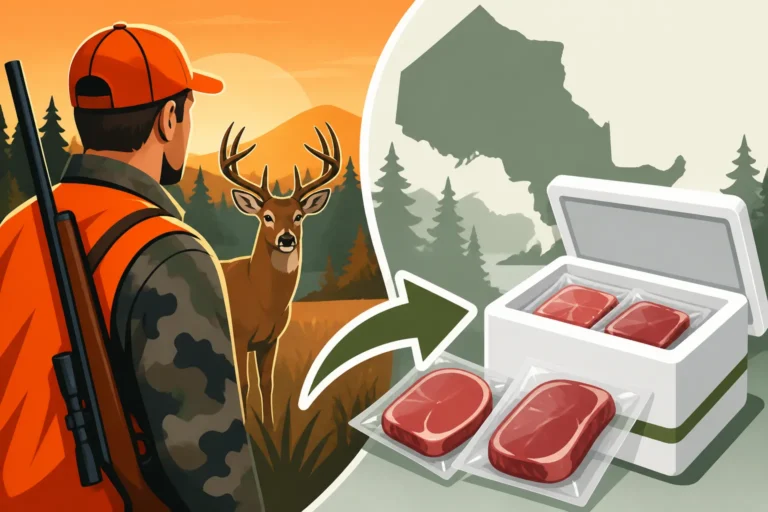
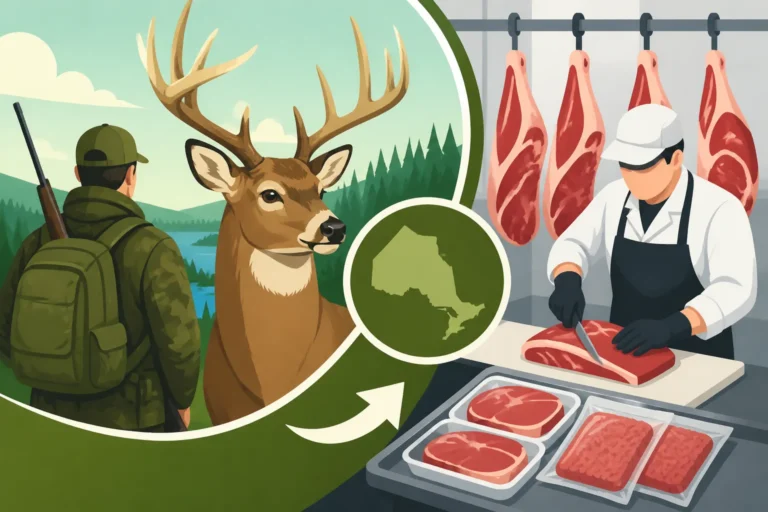
- What are the options for meat processing? Do you have facilities in camp, or do you coordinate with a local butcher? What are the associated costs? Getting Meat Processed in Ontario is an important step.
- How is game meat stored and kept fresh, especially if the weather is warm? This is vital for preserving your harvest.
- For non-residents, what assistance do you provide with obtaining export permits for meat and trophies? Getting a Non-Resident Export Permit is a mandatory requirement.
- Can you recommend or arrange for taxidermy services? How are capes and antlers prepared and shipped?
- What are the guidelines for traveling with firearms and ammunition to and from Ontario, particularly for border crossings? Declaring a Firearm at the Canadian Border requires specific paperwork.
These details ensure that your investment of time and money results in not just a memorable hunt, but also a properly handled and transportable harvest. A good outfitter will have a streamlined process for all these steps, making it as seamless as possible for you.
Navigating Deposits, Payments, and Cancellations
Understanding the financial agreements, particularly around deposits, final payments, and cancellation policies, is paramount. This is where the legal and financial aspects of your hunt come into play, and it’s critical to have everything crystal clear to avoid any unpleasant surprises.
Typical Deposit Structures and Deadlines
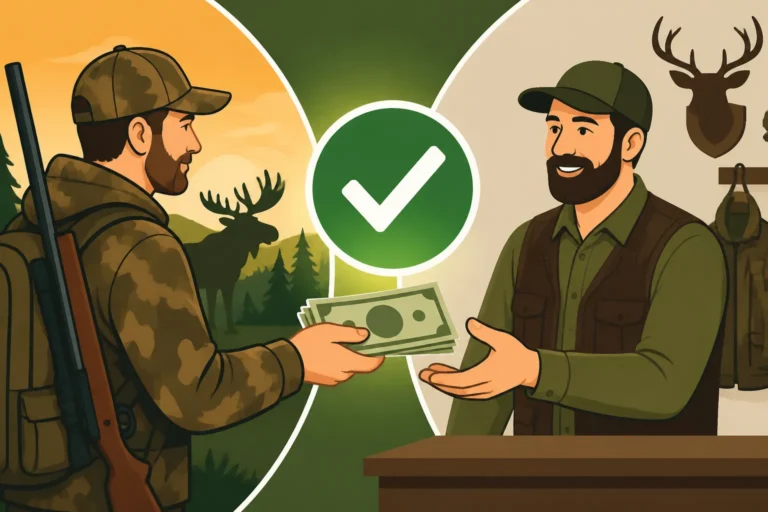
Most Ontario outfitters require a non-refundable deposit to secure your booking. This deposit serves several purposes: it commits you to the hunt, covers administrative costs, and compensates the outfitter for turning away other potential clients once your spot is reserved. The amount can vary widely, but often ranges from 25% to 50% of the total hunt cost. For highly sought-after hunts, or those booked far in advance, the deposit might be higher.
It's crucial to understand the timeline for these payments. When is the deposit due? Is there a second payment, and if so, when is it due? When is the final balance due? Often, the final payment is required 30 to 90 days before the hunt begins. Make sure these dates are clearly communicated in your booking agreement. Missing a payment deadline could result in forfeiture of your deposit or even cancellation of your hunt. Always pay attention to the currency – is it Canadian or US dollars? And how will currency exchange rates affect your total cost if you're paying from another country? Get all of this in writing.
For popular species and peak seasons, outfitters often book up a year or more in advance. Be prepared to act quickly if you find an outfitter you like and they have an opening that fits your schedule. Don't be shy about asking if they accept various payment methods, but also be wary of outfitters who only accept cash or unusually obscure payment methods, as this can sometimes be a red flag.
Understanding Cancellation Policies
Life happens. Unforeseen circumstances – illness, family emergencies, work commitments – can force you to cancel a long-planned hunting trip. This is precisely why you need to thoroughly understand an outfitter's cancellation policy before you put down a deposit. Most deposits are non-refundable, which is standard practice in the outfitting industry. However, policies can vary on how subsequent payments are handled.
Ask these specific questions:
- What is your exact cancellation policy? Is any portion of the payment refundable, or can it be applied to a future hunt?
- Is it possible to transfer my booking to another hunter if I have to cancel? Some outfitters allow this, which can be a lifeline for recouping some of your costs.
- What if the outfitter has to cancel the hunt? (e.g., due to extreme weather, unforeseen regulatory changes, or personal emergency). In such cases, a reputable outfitter should offer a full refund or the option to rebook at no additional cost. Again, What Happens If Weather Ruins the Hunt can impact this.
Make sure the cancellation policy is clearly spelled out in your booking contract. Read it carefully, and don't hesitate to ask for clarification on any points you don't fully understand. It's an unpleasant topic to discuss, but it's far better to know the terms upfront than to face a financial shock if you have to cancel.
The Importance of Trip Insurance
Given the significant investment involved in a guided hunting trip and the often-strict cancellation policies, purchasing trip insurance is highly recommended, especially for non-residents or those booking expensive hunts. Trip insurance can protect you from financial losses due to various unforeseen events.
Look for policies that cover:
- Trip Cancellation: If you have to cancel for a covered reason (e.g., illness, injury, job loss, severe weather preventing travel).
- Trip Interruption: If your hunt is cut short due to an emergency.
- Medical Emergencies: Especially important if you're traveling out of province or country, as your regular health insurance may not cover you adequately.
- Emergency Evacuation: Critical for remote wilderness hunts where medical evacuation could be incredibly expensive.
- Lost or Delayed Luggage: While not hunt-ending, it can certainly be a major inconvenience.
- Equipment Damage/Loss: Some policies offer coverage for hunting gear.
Compare different insurance providers and their coverage options. Some outfitters might even recommend specific insurance partners. While it's an additional cost, the peace of mind and financial protection it offers can be invaluable, especially when you consider the investment you're making in your Ontario hunting adventure. It's a small price to pay for safeguarding a much larger investment.
What to Expect Before, During, and After Your Hunt
A successful guided hunt is a journey with distinct phases, each requiring different levels of preparation and communication. Knowing what to expect at each stage helps you maximize your enjoyment and ensures a smoother experience from start to finish.
Pre-Hunt Preparation and Communication
The period leading up to your hunt is vital for preparation. Once you've booked, a good outfitter will maintain communication, providing you with detailed information and instructions. This typically includes a gear list tailored to the season and species you're hunting, suggestions for travel and lodging before/after the hunt, and any specific requirements for licenses or permits. Don't underestimate the importance of preparing your gear, especially your primary weapon. Practicing Before a Guided Hunt is crucial for success and ethical hunting.
You should receive a detailed itinerary, including arrival times, departure times, and what to expect on each day of the hunt. This is also the time to communicate any dietary restrictions, medical conditions, or special requests to your outfitter. The more information you provide them upfront, the better they can tailor the experience to your needs. For instance, if you have an allergy, they can adjust meal plans accordingly.
Use this time to finalize all your travel arrangements, ensure your firearms are properly registered if you're a non-resident, and that all your licenses and tags are in order. Confirm meeting points, transportation from the nearest airport or town, and any necessary paperwork. Proactive communication on your part ensures there are no last-minute scrambling or misunderstandings. The goal is to arrive at camp relaxed and ready to hunt, knowing all the logistics are handled.
Life in an Ontario Hunting Camp
Life in an Ontario hunting camp, whether it's a rustic cabin deep in the bush or a comfortable lodge, is an integral part of the experience. It's often a communal environment where hunters share stories, meals, and anticipate the next day's adventure. Your guide will typically outline the daily schedule: wake-up calls, meal times, and departure/return times for hunting.
Expect early mornings and sometimes late nights, especially during peak activity periods for game. Meals are usually hearty and designed to fuel hunters for long days in the field. Depending on the outfitter, you might be sharing rooms or cabins with other hunters. Embrace the camaraderie – many lifelong friendships are forged in hunting camps.
While your guide is there to facilitate your hunt, remember that they are also working hard, often from before dawn until well after dark. Be respectful of their time and expertise. Listen to their instructions and follow their lead in the field. The guide knows the territory, the game, and the safe practices. Your role is to be a good client, ready to hunt, respectful of camp rules, and appreciative of the effort being put in. The camp is often a place of peace, reflection, and quiet anticipation, especially after a successful day.
Post-Hunt Follow-Up and Trophy Care
After the hunt, there are still important steps, especially if you were successful. A professional outfitter will assist with field dressing, retrieving your game, and preparing it for transport. For large game, this can be a significant undertaking, involving quartering and packing out meat. They'll ensure the meat is properly cared for, especially if temperatures are warm, and stored appropriately until you depart.
They will also help with the logistics of getting your meat to a local butcher, or capes/antlers to a taxidermist if you plan on taking a trophy. They should provide guidance on obtaining any necessary export permits for non-residents and ensuring you have all the correct documentation for transporting game across provincial or international borders. This can be complex, and their expertise is invaluable.
The best outfitters will also follow up after your hunt to ensure everything went well and to thank you for your business. This demonstrates their commitment to client satisfaction and often leads to repeat bookings and positive referrals. Providing feedback, both positive and constructive, helps them improve their services for future hunters. A good relationship with an outfitter often means not just a great hunt, but a trusted partner for future adventures.
Common Pitfalls and How to Avoid Them
Even with the best planning, things can sometimes go awry. Understanding common pitfalls can help you identify potential issues early and take steps to avoid them, ensuring your Ontario hunting trip remains a positive experience.
Misaligned Expectations
This is arguably the most common reason for hunter dissatisfaction. A hunter arrives with one vision, and the reality of the hunt or the outfitter's service is completely different. This can stem from vague pre-hunt communication, over-optimistic self-assessment, or simply not asking enough pointed questions. For instance, a hunter might expect a guaranteed trophy animal, while the outfitter simply promises a fair chase opportunity.
How to avoid: Be brutally honest with yourself about your physical capabilities, hunting experience, and what you realistically expect from the trip. Don't assume anything. Ask explicit questions about success rates (and clarify what "success" means to the outfitter), physical demands, and the nature of the terrain. If an outfitter makes promises that sound too good to be true, they probably are. Look for transparency and realism from the outfitter, not just marketing hype. Remember, hunting wild animals involves many variables, and guarantees are impossible.
Another common mismatch is between the desired "roughing it" experience versus an actual expectation of comfort. If you say you want a remote spike camp but secretly hope for daily hot showers, you're setting yourself up for disappointment. Make sure your expressed desires truly match your underlying expectations for comfort, effort, and likelihood of success.
Overlooking Important Details
The devil is often in the details, and overlooking seemingly small aspects can lead to major headaches down the road. This can range from forgetting crucial gear to misinterpreting regulations or contractual fine print. Non-residents, in particular, can fall prey to this when navigating Canadian regulations that differ from their home country. Things like specific calibre restrictions, magazine capacity laws, or even blaze orange requirements can be overlooked.
How to avoid: Create a comprehensive checklist for everything from gear to paperwork. Double-check all licensing and permit requirements well in advance. For non-residents, thoroughly research Bringing Firearms Into Ontario and the Canadian customs process. Read your outfitter contract line by line, paying special attention to what's included, what's not, and the cancellation policy. If you have any doubts about a rule or a detail, ask your outfitter for clarification.
Don't wait until the last minute for critical tasks like acquiring licenses or making travel arrangements. Confirm all bookings, including flights and lodging, a few weeks before your departure. A "truck kit" for a northern hunt, for example, is essential for self-sufficiency. Also, confirm cell service availability (or lack thereof) at your camp location and plan for alternative communication if needed.
Trusting Unverified Information
In the age of the internet, there's a flood of information, both reliable and unreliable. Solely relying on an outfitter's glowing website testimonials or unverified forum posts without cross-referencing can lead you astray. Some operations might present themselves differently online than they are in reality.
How to avoid: Prioritize verifiable sources. As mentioned earlier, genuine client references are gold. Speak to multiple past clients and ask open-ended questions. Look for consistent themes across a range of reviews, not just cherry-picked ones. Check if the outfitter is a member of any recognized outfitter associations or tourism bodies, as these often have ethical guidelines or dispute resolution processes.
Use platforms like BookYourHunt or GoHunt to find outfitters, but then do your due diligence beyond those sites. Look for negative reviews and see how the outfitter responded – a professional response to criticism can be as telling as a positive review. Also, be wary of outfitters who cannot provide references or are evasive when asked for them. If an outfitter doesn't seem legitimate, walk away. Your hunting trip is too important to leave to chance based on unverified claims.
Making Your Final Decision and Booking
After all the research, communication, and vetting, it's time for the exciting part: making your final decision and securing your Ontario hunting adventure. This is where your preparedness pays off.
Comparing Your Top Choices
By this stage, you should have narrowed down your options to a select few outfitters that truly stand out. Now, it's time for a side-by-side comparison. A simple table can be incredibly helpful here, allowing you to visualize the pros and cons of each choice against your predefined criteria.
Here's an example of how you might compare them:
| Feature/Criterion | Outfitter A | Outfitter B | Outfitter C |
|---|---|---|---|
| Species Specialization | Moose, Bear | Deer, Bear, Waterfowl | Moose, Grouse |
| Hunt Type | Fly-in, remote, rugged | Drive-in, comfortable lodge | Boat-in, rustic cabin |
| Cost (Estimated Total) | High (includes flights) | Mid-range | Mid-range |
| Inclusions | All-inclusive (except licence) | Lodging, meals, guide, transport | Lodging, guide, some meals |
| Exclusions | Licence, tips | Licence, tips, meat processing | Licence, tips, most meals, transport |
| Guide Ratio | 1:1 | 2:1 | 1:1 |
| Camp Amenities | Basic cabin, generator | Lodge, hot showers, Wi-Fi | Small cabin, outhouse, no cell |
| Cancellation Policy | Non-refundable deposit, rebook only | 50% refund > 90 days out | No refunds, transfer possible |
| References Feedback | Excellent, challenging hunt | Good, friendly, high success on deer | Very good, remote feel, good moose numbers |
| Communication Style | Direct, responsive | Friendly, a bit slow on email | Very personable, quick calls |
| Overall Gut Feeling | Strong, but pricey | Good value, good for deer | Best moose option, truly remote |
This structured comparison allows you to weigh the various factors, seeing clearly where each outfitter excels and where they might fall short of your ideal. It helps you prioritize what's most important to you – whether it's budget, comfort, success rate, or the type of experience. Consider how each option aligns with your initial goals and expectations.
Securing Your Spot
Once you've made your decision, contact your chosen outfitter immediately to confirm availability for your desired dates. Have your payment method ready, as popular spots can fill up quickly. Be prepared to sign a written booking contract or agreement. Read this document thoroughly before signing, ensuring that all the details you discussed – pricing, inclusions, exclusions, dates, cancellation policy – are accurately reflected.
Don't hesitate to ask for clarification if anything in the contract seems unclear or differs from your understanding. This contract is your protection, so ensure you understand every clause. Once signed and the deposit paid, you're officially booked! You'll receive confirmation and likely a welcome packet with more detailed pre-hunt information. At this point, you can also consider getting your trip insurance if you haven't already.
This is the moment where months of planning culminate into a confirmed adventure. The anticipation builds, and you can truly start to visualize yourself in the Ontario bush.
Building a Relationship with Your Outfitter
Booking your hunt is just the beginning of your relationship with your outfitter. Think of them as your partner in this adventure. Maintain open and respectful communication in the months leading up to your trip. Respond promptly to any requests for information, and don't hesitate to ask thoughtful questions that arise as you plan.
A good relationship makes for a better hunt. They are there to help you, and a positive rapport can lead to a more personalized and enjoyable experience. They might offer valuable insights into conditioning for the hunt, choosing the right gear, or even local points of interest. This professional connection can extend beyond your initial trip, potentially leading to future hunts and a trusted resource for all your Ontario hunting endeavors. When you treat your outfitter and their staff with respect, you’re often rewarded with an even deeper, more memorable experience in the field.
Disclaimer
This article is for general informational purposes only and does not constitute professional advice. Laws, prices and regulations vary by location and change over time. Consult a qualified professional for guidance on your specific situation.