What Happens If Weather Ruins the Hunt
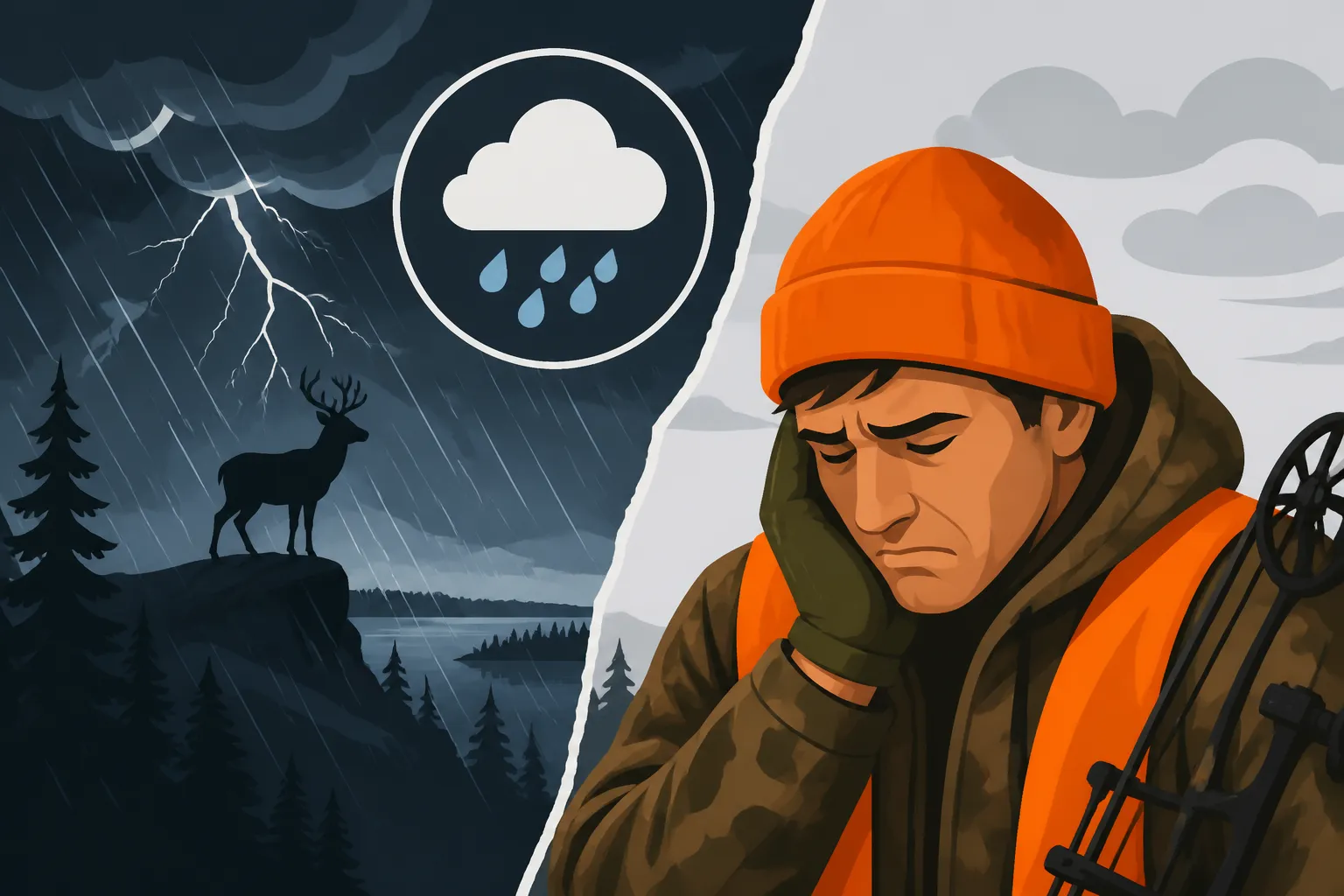
There’s little more heartbreaking than spending months, or even years, planning that dream hunting trip to Ontario, saving up, buying all the gear, getting your tags in order, only for Mother Nature to throw a wrench in your plans. The sudden shifts in weather here can be intense – from an unseasonably warm spell in November that shuts down deer movement, to a whiteout blizzard that makes getting to your stand impossible, or even wildfires that close entire areas. It's a real fear for any hunter, and this guide is here to walk you through what generally happens if unexpected weather threatens to ruin your hard-earned hunt.
The Harsh Reality of Ontario Weather and Its Impact on Hunting
Ontario's vast and diverse landscape means that weather can be incredibly unpredictable, sometimes changing dramatically within a single day, let alone over the course of a week-long hunt. What might seem like a minor inconvenience to a city dweller can be a major, hunt-ending catastrophe in the remote bush. This isn't just about comfort; it's about safety, access, and the very behavior of the game you're after.
How Extreme Weather Affects Game Movement and Success Rates
Imagine you've booked a prime week for Moose Hunting Ontario's Northern Bush in late September, hoping to hit the rut, and a sudden heatwave rolls in. Moose, being creatures of the cold, will often go completely nocturnal or bed down in the thickest, coolest cover they can find during such conditions. Your calling efforts might fall on deaf ears, and spotting them becomes a needle-in-a-haystack endeavour. Similarly, if you're out Waterfowl Hunting Across Ontario and an unexpected cold snap freezes over all the shallow water, those ducks and geese might just pick up and leave, pushing further south earlier than usual.
It’s not just big game either. A heavy, wet snow can flatten cover and make it harder for Ruffed Grouse Hunting Ontario's Bush Roads to get around, or for you to hear their flush. Conversely, a bone-dry fall can make still-hunting for deer incredibly noisy, every twig snapping underfoot, alerting every whitetail in a kilometer radius. These weather events don't just make the hunt harder; they fundamentally alter game patterns and can severely diminish your chances of success, leading to immense frustration after all the time and money invested.
Access Issues and Safety Concerns
Beyond game movement, the most immediate and often hunt-ending impact of severe weather is on access and safety. Northern Ontario, especially, is prone to conditions that can render roads impassable. Heavy rains can wash out logging roads, leaving you stranded or unable to reach your hunting area. Early winter freezes followed by thaws can make ice crossings perilous. A sudden, massive snowfall can trap vehicles in remote areas, or prevent float planes from landing, effectively cutting off access to fly-in camps.
Consider a scenario where heavy fog rolls in on the Great Lakes during a Diver Hunting Ontario's Big Water trip. An outfitter might have to cancel boat excursions for safety reasons, as navigation becomes too dangerous. Or, if you're on a guided bear hunt and a severe thunderstorm brings down trees across trails, it becomes a major safety hazard for both hunters and guides. Outfitters have a responsibility to keep their clients safe, and sometimes that means making the tough call to halt hunting activities, even if it means missing out on prime hunting time. What a Guide Does When Someone Gets Hurt is a critical concern, and good outfitters prioritize prevention. These decisions, while frustrating for the hunter, are almost always made with your well-being in mind.
Outfitter Policies: What to Expect When the Weather Turns Sour
This is where things can get tricky, and it's vital to understand that outfitter policies vary widely. Generally, professional outfitters will have clear terms and conditions regarding weather-related disruptions, but the core principle often boils down to this: they usually don't offer refunds for "Acts of God."
The "Act of God" Clause: Why Refunds Are Rare
Most outfitter contracts will include a clause that absolves them of responsibility for events beyond their control, often termed an "Act of God." This typically covers extreme weather events like blizzards, floods, wildfires, or anything else that makes the hunt impossible or unsafe. Why is this? Because outfitters run on tight margins and often have costs incurred long before you even arrive – scouted areas, maintained camps, staff wages, and more. A cancelled hunt due to weather means they still bear those costs, but lose the revenue.
For example, if you've booked a spring bear hunt and an unseasonably cold, wet spring keeps bears in their dens longer, making baiting incredibly tough, the outfitter still had to put in the work, buy the bait, and dedicate the time. They can't control the bears' behaviour or the weather. Therefore, a refund is usually not on the table. It’s a harsh reality, but an important one to grasp when Booking an Ontario Black Bear Hunt or any other guided trip.
Common Outfitter Responses: Rescheduling and Credit Options
While full refunds are rare, many reputable outfitters will try to work with you. Their reputation, after all, depends on client satisfaction. Here are some common ways they might handle weather-related cancellations or disruptions:
- Credit for a Future Hunt: This is perhaps the most common offering. If your trip is completely cancelled due to weather, the outfitter might offer you a credit for the amount you paid, to be used towards a future hunt, often within a specific timeframe (e.g., next season). This allows them to retain your business and recover their costs later.
- Rescheduling Within the Same Season: If the weather event is short-lived, and their schedule allows, an outfitter might try to shift your hunt by a few days. This is more feasible for shorter trips or when the weather clears quickly.
- Reduced Rate for a Shorter Hunt: If only part of your hunt is affected, some outfitters might offer a partial credit or discount on a future trip, reflecting the lost hunting days.
- Offering an Alternative Hunt: In some rare cases, if one type of hunt is completely shut down (e.g., severe flooding for waterfowl), they might offer a different species hunt if available and you're interested. This isn't common for specific big game bookings but can happen.
It’s important to note that these are usually gestures of goodwill rather than contractual obligations, unless explicitly stated in your booking agreement. This is why reading the fine print is so important. When researching outfitters on platforms like BookYourHunt or GoHunt, always dig into their cancellation policies and read reviews regarding how they've handled adverse conditions in the past.
The Importance of Clear Communication
A good outfitter will maintain open lines of communication with you as your trip approaches, especially if adverse weather is forecast. They should be upfront about potential issues and what their plan is. Conversely, you as the hunter should not hesitate to reach out if you see concerning weather patterns developing.
Outfitter Communication Table
| Weather Scenario | Outfitter's Typical Communication | Hunter's Best Action |
|---|---|---|
| Forecasted Severe Storm | Proactive warning, discussion of potential delays/modifications. | Ask about contingency plans, reconfirm arrival instructions. |
| Road/Access Closure | Immediate notification, alternative routes or pick-up points. | Inquire about travel insurance, confirm new logistics. |
| Early Ice/Snow | Advice on gear (Dressing for Ontario's November Cold), potential impact on game. | Pack appropriately, confirm outfitter's ability to navigate conditions. |
| Wildfire/Area Closure | Notification of area closures, cancellation/rescheduling options. | Review contract, contact travel insurance, discuss credit options. |
| Unseasonable Heat | Advice on hunting tactics, water needs, game movement changes. | Adjust expectations, prepare for different hunting styles (e.g., evening). |
Remember, your relationship with your outfitter is a partnership. They want you to have a successful hunt, but they also can't control the elements. Understanding what an Ontario outfitter cannot do is as important as knowing what they can.
Your Role as a Hunter: Preparation and Understanding
While outfitters have policies, a significant part of mitigating the risk of a ruined hunt due to weather falls to you, the hunter. Proactive steps, from thoroughly understanding your booking agreement to investing in the right protections, are paramount.
Understanding the Contract: Read the Fine Print!
This cannot be stressed enough: read your outfitter's contract or terms and conditions thoroughly before you pay any deposit. This document is your bible when it comes to understanding what happens if things go wrong. Don't skim it. Pay particular attention to sections on:
- Cancellation Policy: Does it mention weather? What are the conditions under which the outfitter might cancel, and what are your options then?
- Refund Policy: Under what circumstances are refunds, partial or full, provided? More often than not, it will state that no refunds are given for weather events.
- Rescheduling Options: Are future credits guaranteed? For how long are they valid? Are there any fees associated with rescheduling?
- Liability Clauses: This will often detail what the outfitter is not responsible for, including acts of nature.
If anything is unclear, ask questions before you sign and send your deposit. Get answers in writing if possible. A reputable outfitter will be happy to clarify. This initial step in Planning an Ontario Hunting Trip is perhaps the most crucial for protecting your investment.
The Lifeline of Travel and Trip Cancellation Insurance
Given that most outfitters won't refund for weather, your next line of defense is insurance. Ontario Hunt Cancellation Insurance is a real thing, and it can be a lifesaver. This isn't just basic travel insurance; it's a specific type of coverage designed to protect the financial investment of your hunting trip.
Think of it this way: you wouldn't drive a new truck without insurance, right? A guided hunt, especially a multi-day trip for species like moose or bear, can be a significant financial outlay. Travel insurance, particularly a "Cancel For Any Reason" (CFAR) policy or one specifically covering travel delays and cancellations due to weather, can provide reimbursement for your non-refundable deposits and payments if your trip is called off.
Here's why it's so important:
- Covers Non-Refundable Costs: If your outfitter offers credit but no refund, your insurance can often cover the monetary loss.
- Protects Against Personal Emergencies: Beyond weather, these policies often cover other unforeseen circumstances, like medical emergencies that prevent you from travelling.
- Covers Travel Costs: This includes flights, accommodation, and rental cars that might also be non-refundable.
When looking for insurance, make sure to read the policy details carefully. Understand what "covered reasons" for cancellation or interruption are, and if you need the broadest coverage, look into CFAR options, which typically need to be purchased within a short window after your initial trip deposit. It's an added expense, yes, but one that can offer immense peace of mind.
Flexibility and Realistic Expectations: The "It's Hunting" Mindset
Finally, cultivate a mindset of flexibility and realistic expectations. Hunting, by its very nature, is unpredictable. You're dealing with wild animals in wild places, and the weather is just one more variable in that complex equation. While a guided hunt increases your odds, it never guarantees success, and it certainly doesn't guarantee perfect weather.
Be prepared for adjustments, delays, and even the possibility that your hunt might be cut short or become incredibly challenging. Getting a Moose Out by Canoe in a sudden downpour or dealing with unexpected heat while hunting whitetails in November requires adaptability. Bringing appropriate gear for all possible conditions is part of this flexibility. Remember, the experience of being in the outdoors, even when challenging, is part of the allure.
Navigating Difficult Situations and Next Steps
So, despite all your preparations, the weather hits, and your hunt is disrupted. What do you do? It’s a moment of immense disappointment, but how you handle it can make a big difference in the outcome and your future hunting plans.
Document Everything and Maintain Open Dialogue
If the weather causes a significant issue, whether it's a delay, a change in plans, or an outright cancellation, document everything. Keep a record of:
- All communications with your outfitter: Emails, texts, dates and times of phone calls, and summaries of what was discussed.
- Weather reports and official advisories: Screenshots of weather warnings, road closures, or wildfire alerts that validate the situation.
- Any expenses incurred: Receipts for non-refundable travel, accommodation, or other related costs.
This documentation will be invaluable if you need to file an insurance claim or have a dispute with your outfitter.
Immediately after the disruption, engage in open and respectful dialogue with your outfitter. Express your disappointment, but also acknowledge the uncontrollable nature of the situation. Ask about their policy and any options they can offer. Be prepared to discuss rescheduling, future credits, or other compromises. Often, outfitters are genuinely sorry for the disruption and want to find a mutually agreeable solution, especially if you approached them in a reasonable manner.
When to Consider Future Bookings and What to Look For
How an outfitter handles a weather-related cancellation speaks volumes about their professionalism and client care. If an outfitter acts in good faith, offering fair rescheduling options or credits, and communicates clearly, they’ve likely done their best under challenging circumstances. This positive experience, even in the face of a ruined hunt, can build trust and encourage you to rebook with them in the future. Many hunters find that a good outfitter, even when faced with impossible conditions, is worth sticking with.
If, however, an outfitter is unresponsive, unhelpful, or refuses to offer any reasonable alternatives despite clear evidence of uncontrollable circumstances, that might be a red flag. While they might technically be within their rights according to a strict "Act of God" clause, their customer service ethos might not align with your expectations.
When you're ready to plan your next trip, perhaps using a credit from a previous cancellation, remember to revisit your outfitter's policies. Look for clarity on weather clauses, and again, consider robust travel insurance. Whether you're hunting Whitetail Hunting in Ontario or embarking on a remote Canoe-In Hunting on Ontario Crown Land adventure, anticipating potential weather issues and being prepared for them is a crucial part of hunting in Ontario's incredible, but sometimes unforgiving, wilderness.
Disclaimer
This article is for general informational purposes only and does not constitute professional advice. Laws, prices and regulations vary by location and change over time. Consult a qualified professional for guidance on your specific situation.