Ontario Multi-Species Hunt Packages
It's a common dream for us hunters, isn't it? You've committed the time, the expense, and the travel to head to Ontario, and the thought inevitably creeps in: why just hunt one species when there are so many incredible opportunities? But then the reality hits – planning a multi-species hunt can feel like trying to solve a complex puzzle. This guide is here to unravel that puzzle, walking you through what Ontario multi-species hunt packages offer, why they're such an appealing option, and what you really need to know to make your dream hunt a reality.
What Exactly Is an Ontario Multi-Species Hunt Package?
When you think of a hunting trip, often you picture a laser focus on one animal: a whitetail deer, a black bear, or perhaps a majestic moose. But Ontario's vast and diverse landscape offers the tantalizing possibility of pursuing more than one species on a single adventure. A multi-species hunt package, simply put, is an outfitter-coordinated trip designed to allow you to target two or more distinct game animals or even combine hunting with other outdoor pursuits like fishing. It's about maximizing your time and experience in the Canadian wilderness.
Combining Different Big Game
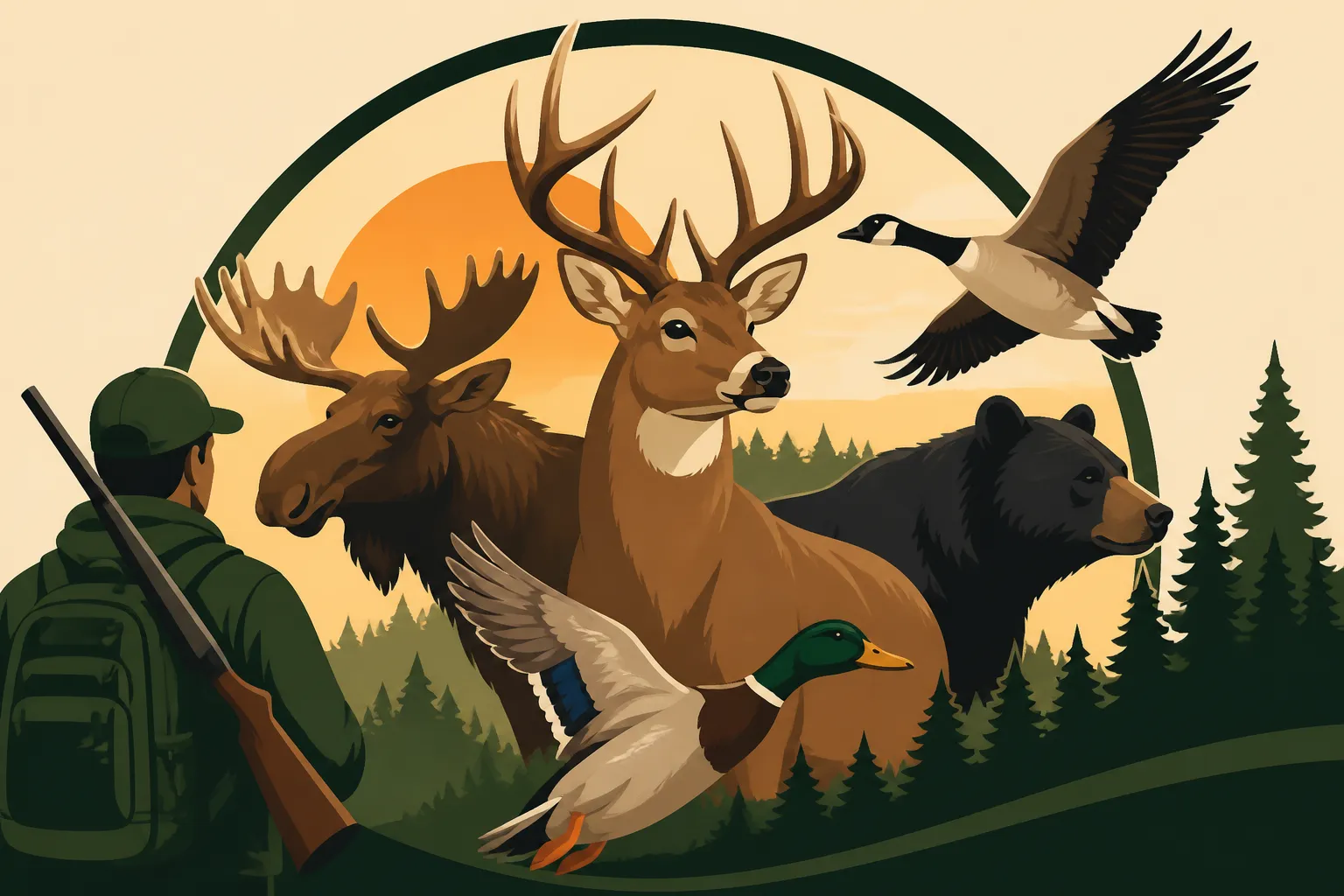
One of the most exciting aspects of a multi-species package is the chance to combine different big game animals. Imagine the thrill of spending a week in the northern bush, starting your days tracking moose and then shifting gears in the afternoons to sit a black bear bait. This isn't just about collecting multiple trophies; it's about immersing yourself in the different hunting styles and challenges each animal presents. You might find yourself glassing vast clear-cuts for moose in the morning, then quietly still-hunting a dense forest edge for a bear in the evening.
However, combining big game species often means navigating complex season overlaps and ensuring your outfitter has the expertise and allocations for both. For instance, hunting moose and bear typically works best in the fall when both seasons are open, particularly in the prime northern units. It requires an outfitter who is truly set up to run concurrent operations, from different guide assignments to separate bait sites and scouting efforts, rather than simply offering one species and then maybe an opportunistic shot at another.
While a bear and deer combination might seem less common, it’s certainly possible in areas where deer densities are good and seasons align. Perhaps you’re hoping for a trophy whitetail, but wouldn't mind the chance at a fall bear if the opportunity arises. These combinations demand a highly flexible approach from both hunter and outfitter, often requiring significant planning to ensure valid tags and appropriate hunting locations for each targeted animal.
Integrating Small Game and Waterfowl
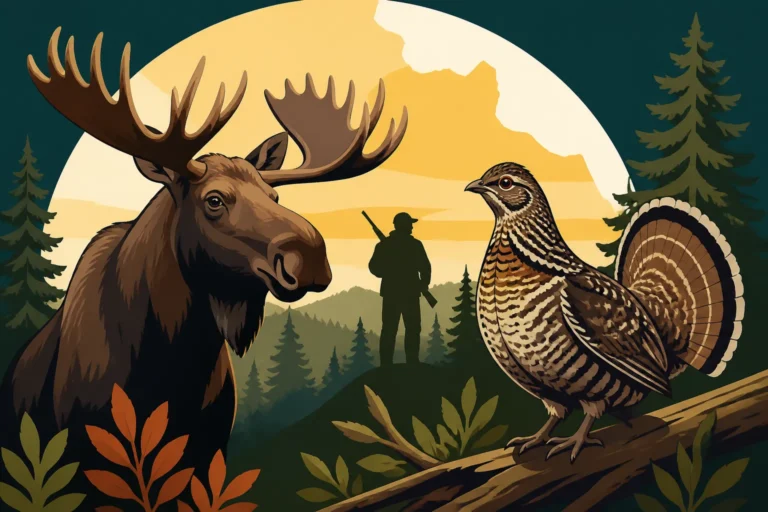
Beyond the allure of big game, many hunters find joy in the fast-paced action of small game or waterfowl hunting. Integrating these into a big game trip can add a whole new dimension to your experience. Picture a fall moose hunt where, after a successful harvest, you spend a couple of days jump-shooting grouse along old logging roads, or perhaps trying your hand at calling coyotes in the evenings. These smaller pursuits often require less dedicated time, making them excellent additions that fill the quieter moments of a big game hunt.
Waterfowl hunting, particularly for ducks and geese, can also be woven into a big game package, especially if your primary hunt is in a region rich with migratory birds. Imagine a morning spent in a goose blind in a cut cornfield, followed by an afternoon tracking deer sign. This kind of diversity keeps you engaged and offers different challenges throughout your trip. However, remember that migratory bird hunting requires a separate federal permit on top of your provincial license, and strict non-toxic shot regulations apply.
The beauty of adding small game or waterfowl is that it often doesn't detract from your primary big game objective; instead, it provides exciting ancillary opportunities. It’s a great way to experience more of Ontario's hunting culture and natural resources, from the thick coverts where ruffed grouse explode into flight to the expansive fields that host flocks of Canada geese.
The "Cast and Blast" Option
Perhaps one of the most popular multi-species packages, especially in Ontario, is the classic "cast and blast." This isn't just about hunting different animals; it's about combining the thrill of the chase with the tranquility and excitement of fishing. Ontario is world-renowned for its freshwater fishing, offering everything from trophy walleye and pike to smallmouth bass and lake trout. Pairing a fishing trip with a hunting trip allows you to experience two incredible outdoor pursuits in one unforgettable vacation.
A common "cast and blast" scenario might involve a spring black bear hunt followed by several days of fishing for walleye or northern pike in the same lake or river system. Or, in the fall, a moose hunt could be complemented by a couple of days targeting smallmouth bass on a nearby lake. Many northern outfitters are perfectly situated to offer both world-class hunting and fishing, with comfortable lodges and experienced guides who know both the land and the water intimately.
This combination is particularly appealing because the activities often complement each other without intense scheduling conflicts. You can hunt in the mornings and evenings, and fish during the midday hours, or dedicate specific days to each pursuit. It offers a fantastic way to relax and enjoy the wilderness while still keeping your outdoor skills sharp, and it often provides a better chance of bringing home a diverse bounty for the dinner table.
Why Hunters Seek Multi-Species Packages in Ontario
Hunters are a passionate bunch, and the thought of experiencing more of what Ontario has to offer often drives the desire for multi-species packages. It's not just about the numbers; it's about the depth and breadth of the wilderness experience.
Maximizing Your Investment and Time
Let's be real, a hunting trip to Ontario, especially for non-residents, represents a significant investment of both money and precious vacation days. After the cost of licenses, tags, travel, and the outfitter package itself, you want to get the absolute most out of your experience. The biggest frustration many hunters face is the sheer amount of time and resources required for each individual trip. Taking multiple trips in one year for different species might be impossible due to work, family, or financial constraints.
This is where multi-species packages truly shine. By combining pursuits, you're essentially getting more bang for your buck and maximizing your time in the bush. Instead of driving or flying to Ontario twice, you make one journey and get to pursue two or even three distinct adventures. It means less time planning separate logistics and more time actually hunting or fishing. For many, it's the only practical way to tick off multiple species from their bucket list within a single season, transforming a good hunt into an epic one.
Think of it as optimizing your adventure portfolio. You've already made the commitment to be in a fantastic hunting area; why not take advantage of the diverse game animals present? It's a pragmatic approach for the modern hunter who values both efficiency and a rich, comprehensive outdoor experience. You’ll leave feeling like you’ve truly explored the potential of Ontario’s vast wilderness.
The Thrill of Diverse Hunting Challenges
Every game animal presents its own unique set of challenges. The stealth required to stalk a whitetail buck in thick cover is vastly different from the patience needed to sit a black bear bait, or the strategic calling used to lure in a bull moose. Pursuing multiple species on one trip keeps your hunting senses sharp and prevents any potential monotony. It's like having a dynamic syllabus for a masterclass in woodsmanship.
Imagine transitioning from trying to decipher subtle deer sign in a hardwood ridge to scanning vast wetland edges for waterfowl. Each species demands a different approach to scouting, tracking, calling, and shooting. This diversity forces you to adapt your tactics, employ a wider range of skills, and truly think like the animals you're pursuing. It’s an intellectual and physical challenge that many experienced hunters crave, pushing them beyond their comfort zones and making them more well-rounded outdoorsmen and women.
For many, the ultimate joy in hunting comes from the challenge itself. A multi-species hunt offers a continuous stream of new puzzles to solve and new strategies to employ, keeping the adrenaline flowing and the learning curve steep. It’s an adventure that promises not just a successful harvest, but a deeply satisfying engagement with the natural world and the nuanced art of the hunt.
Experiencing More of Ontario's Wilderness
Ontario is a truly enormous province, boasting an incredible array of ecosystems, from the rich agricultural lands of the south to the vast, rugged boreal forests and Canadian Shield country of the north. A multi-species hunt often allows you to experience a wider cross-section of this incredible wilderness than a single-species trip might. You might start in dense timber looking for moose, then move to a lake for fishing, and finish up jump-shooting grouse along an old trapline, each location offering a unique habitat and aesthetic.
These packages are designed by outfitters who know their regions inside and out, often operating in areas that naturally support a healthy population of various game species. This means you’re not just chasing animals; you’re exploring the varied landscapes that define Ontario. You might witness the dramatic fall colours of an Algonquin Park fringe area, the vastness of a northern lake, or the quiet beauty of a cedar swamp. Each environment holds its own secrets and beauty, and a multi-species hunt grants you a pass to experience more of them.
It's about more than just the hunt; it's about the full immersion in the outdoor lifestyle. The calls of loons on a glassy lake, the scent of pine needles underfoot, the crisp air of a fall morning – these are the memories that truly last. A multi-species package amplifies these experiences, connecting you more deeply with the spirit of the Canadian wilderness and fostering a greater appreciation for its diverse offerings.
Navigating the Realities of Multi-Species Hunts
While the idea of a multi-species hunt is thrilling, the practicalities can be a bit daunting. It’s important to understand the complexities involved to set realistic expectations and ensure a smooth, successful trip.
Understanding Licensing and Tag Requirements
One of the biggest hurdles for any hunter, especially non-residents, considering a multi-species hunt in Ontario is navigating the intricate web of licensing and tag requirements. Unlike some jurisdictions where a single license might cover all game, Ontario has specific licenses and tags for almost every species. This means you'll need an Outdoors Card, a base hunting license, and then individual tags or validations for each big game animal you intend to pursue (e.g., a moose tag, a bear tag, a deer tag). Small game often falls under a general small game license, but migratory birds require an additional federal permit.
The complexity deepens with species like moose, where tags are allocated through a draw system, often requiring many years of accumulated points. Ontario's Moose Tag Allocation Process is something you’ll need to research well in advance. Deer tags also have nuances; depending on the Wildlife Management Unit (WMU) and the season, you might need to apply for an antlerless validation or participate in a controlled hunt. Understanding Ontario Deer Season Dates and Tags is critical. If you are targeting a bear, you will also need a Black Bear Validation Certificate.
A reputable outfitter is your absolute best friend here. They are usually well-versed in the current regulations and can guide you through the process, often helping secure the necessary tags for non-residents, especially for species like bear, where specific tag allocations are tied to tourist outfitters. Make sure to discuss all potential tag requirements with them before booking, to avoid any last-minute surprises or disappointments. Don't forget to consider Ontario Hunting Licences and What They Cost so you can budget appropriately.
Seasonal Overlap and Logistics
For a multi-species hunt to work, the open seasons for your chosen animals absolutely have to overlap. This might seem obvious, but coordinating takes careful planning. Spring bear season, for instance, runs from May to mid-June in many WMUs, making it a perfect time to combine with world-class fishing. However, big game like moose and deer are strictly fall hunts. So, a bear and moose combo would only be possible during the fall bear season. Understanding Ontario Black Bear Rules and Ontario Deer Season Dates and Tags will be crucial for planning.
Even with overlapping seasons, logistics on the ground can be tricky. A successful moose hunt might take several days of dedicated effort, long hours of scouting, calling, or tracking. Adding another big game animal like a bear or deer to the same timeframe might stretch your outfitter’s resources (guides, vehicles, bait sites) and your own physical and mental energy. It’s hard to give 100% to a moose hunt if you’re also constantly thinking about your bear bait. Often, multi-species big game hunts involve dedicating specific days to one animal, then switching focus.
This is where integrating small game or fishing often works best, as these activities can be done opportunistically around the primary big game pursuit, or during downtime. For example, after a successful big game harvest, you might have a couple of days remaining to enjoy some upland bird hunting or some casual fishing. Discussing the proposed daily schedule and the realistic time allocation for each species with your outfitter is vital to ensure you don't feel rushed or spread too thin.
Finding the Right Outfitter for the Job
This cannot be stressed enough: not all outfitters are created equal, and even fewer are truly set up to run effective multi-species hunts. Many specialize in one or two core species. Finding an outfitter with the land access, equipment, guide experience, and licensing allocations for diverse game animals is paramount. You need an operation that can genuinely deliver on all fronts, not just tack on a secondary offering as an afterthought.
Look for outfitters who explicitly advertise multi-species packages, or those with a proven track record across multiple species. Ask detailed questions about their success rates for each animal, their hunting methods, and the specific logistics they employ for combination hunts. Platforms like BookYourHunt or GoHunt can be great resources to research and compare outfitters who offer these kinds of unique experiences, allowing you to read reviews and see detailed package descriptions.
When evaluating outfitters, consider their location relative to the different species you want to pursue. An outfitter deep in the boreal forest might be excellent for moose and bear, but less ideal for field hunting geese. Conversely, a southern outfitter might have fantastic deer and turkey opportunities, but no moose. Finding that sweet spot where species naturally overlap and the outfitter has extensive knowledge of both the game and the land is the key to a successful multi-species adventure. Don't be afraid to ask for references from past clients who've booked similar combination trips. This due diligence is crucial for Choosing the Right Ontario Outfitter.
What to Expect from an Ontario Multi-Species Package
Once you've navigated the planning stages, knowing what to expect from your multi-species hunt package can help ensure you're fully prepared for the adventure ahead.
Typical Combinations and Durations
Multi-species packages in Ontario often fall into a few common, effective combinations that leverage seasonal overlaps and habitat distribution:
- Spring Bear & Fishing: This is perhaps the most popular combination. Spring bear season (May/June) coincides with excellent spring fishing for walleye, pike, and trout in many northern lakes. You'll typically hunt bear in the late afternoon/evening and spend your mornings and midday fishing. These trips often run for 5-7 days.
- Fall Bear & Moose/Deer/Grouse: The fall bear season overlaps nicely with moose and deer seasons. An outfitter might offer a primary moose hunt with an opportunity for a fall bear over bait, or a deer hunt combined with upland bird hunting (ruffed and spruce grouse). Moose Hunting Ontario's Northern Bush often goes hand-in-hand with opportunistic grouse hunting along logging roads. These can be 7-10 day trips, with specific days allocated to each species or opportunistic hunting for secondary species.
- Deer & Waterfowl/Small Game: In southern and central Ontario, where deer are abundant and migratory birds stage, you might find packages combining a whitetail hunt with field goose hunting or marsh duck hunting. Small game like rabbit and hare, or ruffed grouse, are also popular additions to a deer hunt, especially if there's downtime or during the shoulder seasons.
- Cast & Blast (Fall Big Game & Fishing): Similar to the spring combo, but focused on fall big game. This could be a moose hunt with some lake trout or pike fishing, or a bear hunt with fishing for smallmouth bass.
The duration of these packages can vary but typically range from 5 to 10 days, depending on the number of species and the intensity of the hunting involved. Remember that travel days need to be factored in on top of your hunting days.
Cost Implications and Value
It's important to approach multi-species hunts with a realistic understanding of the costs involved. Generally, you can expect these packages to be more expensive than a single-species hunt. This increase is due to several factors:
- More Tags and Licenses: You'll be purchasing multiple provincial hunting licenses and tags, plus potentially a federal migratory bird stamp.
- Increased Outfitter Resources: The outfitter needs to dedicate more guides, scouting time, bait sites (for bear), and equipment to successfully manage multiple species concurrently. This increased operational complexity comes at a premium.
- Longer Stay: Multi-species hunts often require a longer duration, which means more nights at the lodge, more meals, and more guiding hours.
While the upfront cost might be higher, consider the incredible value proposition. You are effectively getting two or more distinct hunting (and/or fishing) experiences packed into one trip. When you factor in the cost of two separate trips (travel, accommodation, time off work), a well-executed multi-species package can often represent a more efficient and cost-effective way to achieve your diverse hunting goals. It truly is an investment in a richer, more comprehensive outdoor adventure.
Always get a detailed breakdown from the outfitter of what's included in the package price. This should specify things like accommodation, meals, guide services, transportation during the hunt, and basic game retrieval. What an Ontario guided hunt costs, and specifically What an Ontario Guided Moose Hunt Costs, will give you a baseline, but expect the multi-species option to be a tier above.
Maximizing Your Chances on a Combo Hunt
To make the most of your multi-species adventure, a versatile mindset and thorough preparation are key.
First, gear up appropriately for all species. This means having the right firearms or bows, ammunition, clothing systems for varied weather, and any specialized equipment for each pursuit (e.g., fishing rods, calls, optics). Don't skimp on essential items because you're trying to save space; being comfortable and prepared for each scenario is crucial.
Second, communicate extensively with your outfitter before you arrive. Discuss your priorities. Is there one species you're absolutely determined to harvest, with others being secondary opportunities? This helps the outfitter tailor the hunt plan to your expectations. Ask about the typical daily schedule, how guide resources are allocated, and what the fallback plan is if one part of the hunt isn't producing.
Finally, be flexible and patient. Hunting multiple species can sometimes mean balancing different strategies and being ready to switch gears at a moment's notice. You might spend a day focused on moose without success, only to shift to a different area for grouse in the afternoon and have a fantastic outing. Embrace the diversity and the inherent unpredictability of hunting. The more adaptable you are, the more you'll enjoy the entire experience, regardless of what you bring home.
Here’s a quick overview of some common multi-species hunt package considerations:
| Combination Type | Primary Species | Secondary Opportunities | Ideal Season(s) | Typical Duration | Main Challenges |
|---|---|---|---|---|---|
| Big Game & Big Game | Moose, Bear | Deer, Wolf | Fall | 7-10 days | Tag acquisition, outfitter resources, intense focus |
| Big Game & Small Game | Moose, Deer | Grouse, Hare, Coyote, Wolf | Fall | 5-7 days | Balancing primary goal with opportunistic hunts |
| Big Game & Waterfowl | Deer, Bear | Ducks, Geese | Fall | 5-7 days | Specific habitat needs, separate permits |
| Cast & Blast | Bear, Moose, Deer | Walleye, Pike, Bass, Trout Fishing | Spring (Bear), Fall | 5-7 days | Coordinating guides for both activities, weather |
Disclaimer
This article is for general informational purposes only and does not constitute professional advice. Laws, prices and regulations vary by location and change over time. Consult a qualified professional for guidance on your specific situation.