Becoming a Hunting Guide in Ontario
Becoming a hunting guide in Ontario requires handling physical demands, long hours, and client service responsibilities.
Book the hunt, not the brochure.
Guided, semi-guided, and drop-camp options, which outfitters work which units, guide licensing requirements, booking timelines, and what a deposit actually covers.
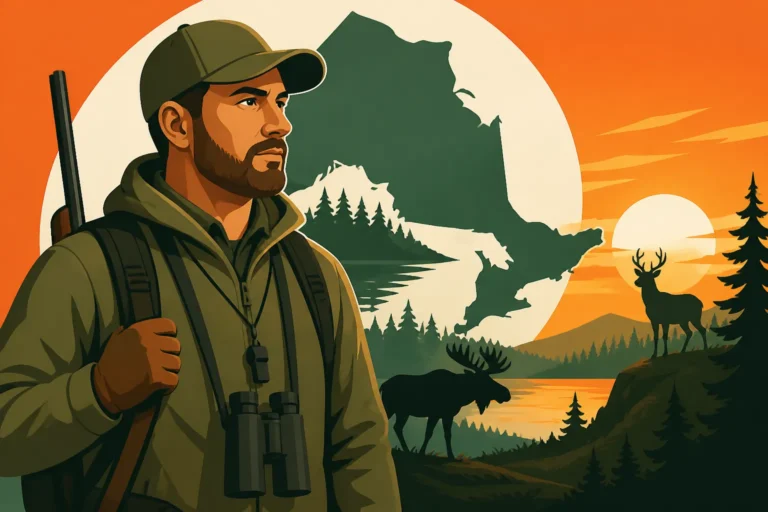
Becoming a hunting guide in Ontario requires handling physical demands, long hours, and client service responsibilities.
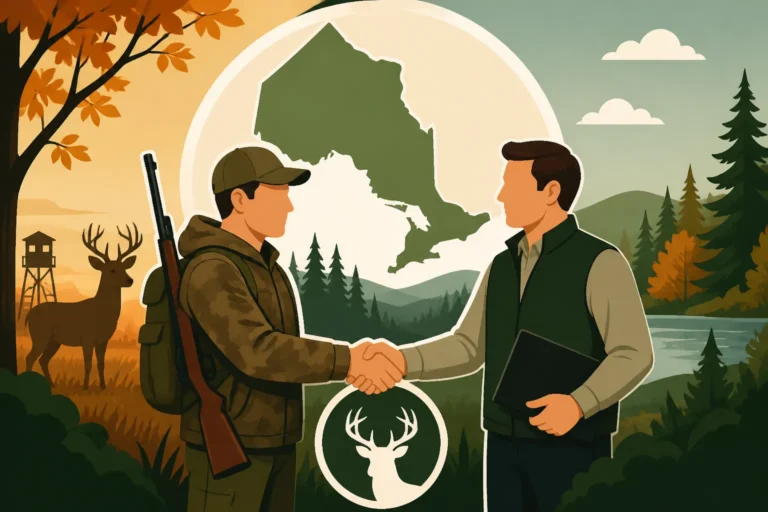
Ontario hunting leases arranged through a broker connect hunters with private landowners for exclusive access and streamline agreements.
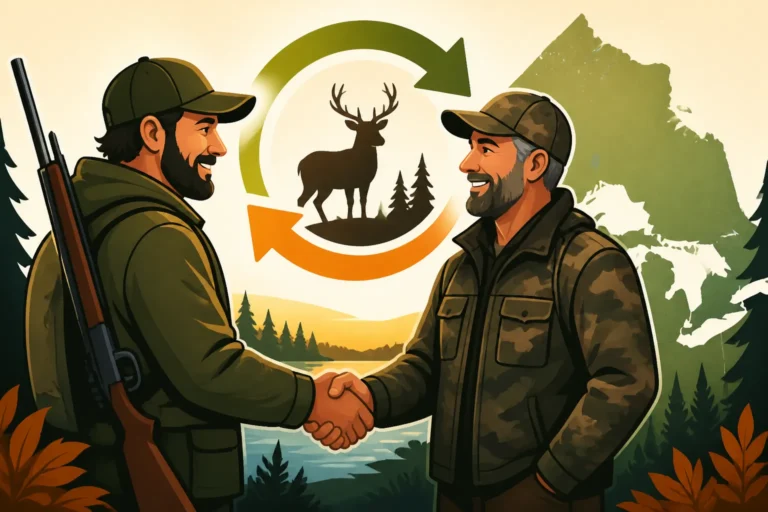
Booking a return hunt with the same Ontario outfitter lets repeat clients secure preferred dates and familiar camp locations.
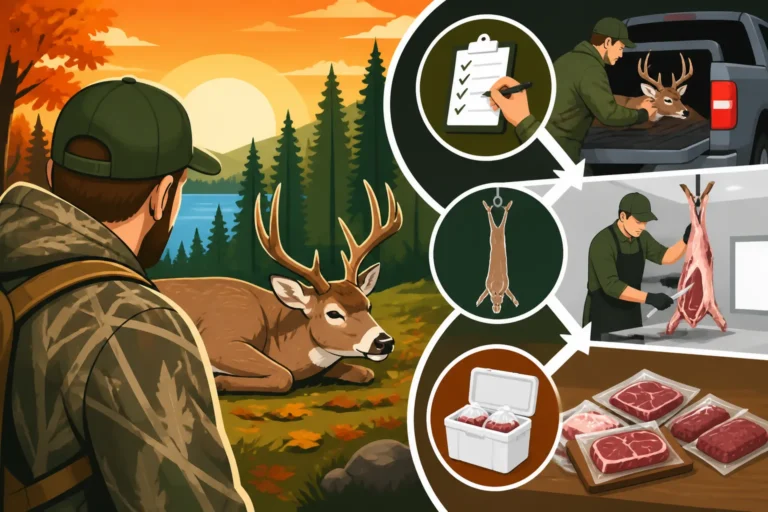
Field dressing and proper cooling techniques for a downed big game animal preserve meat quality and prevent bacterial growth.
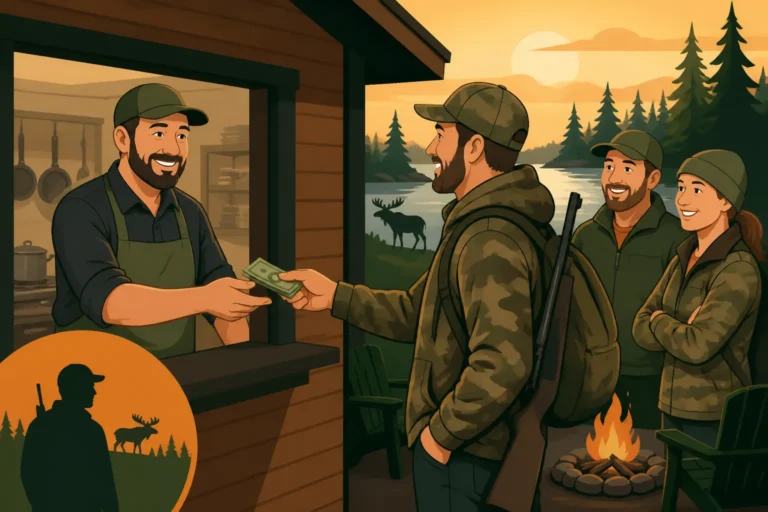
Tipping the cook and camp staff in Ontario hunting lodges ensures your gratitude is conveyed respectfully and genuinely.
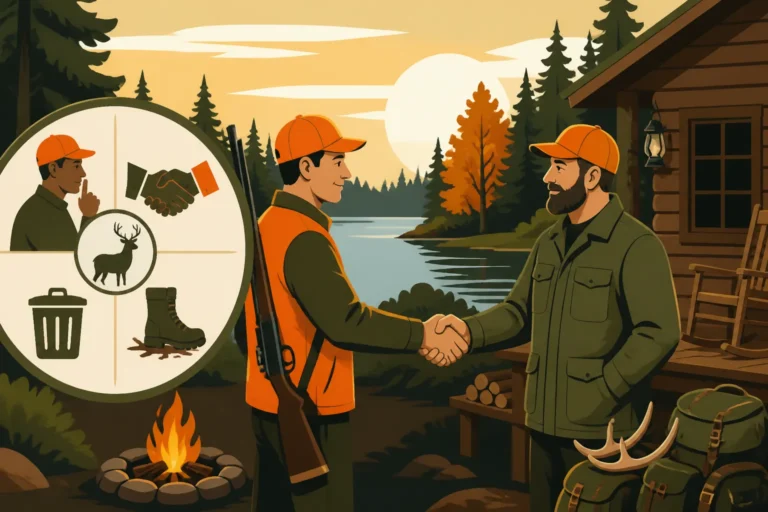
Ontario hunt camp etiquette rules explain how to keep common areas tidy, share kitchen chores, and respect rest hours.
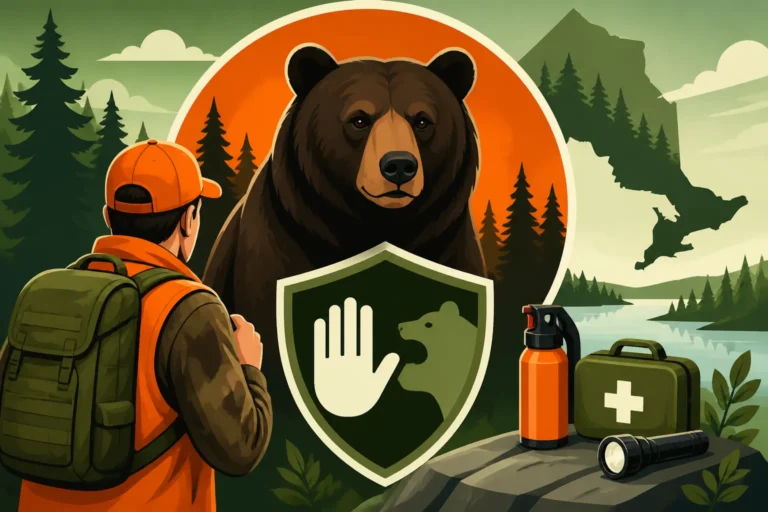
Ontario bear country safety rules explain black bear habitats, seasonal foraging diets, and moose, wolf, and coyote encounters.
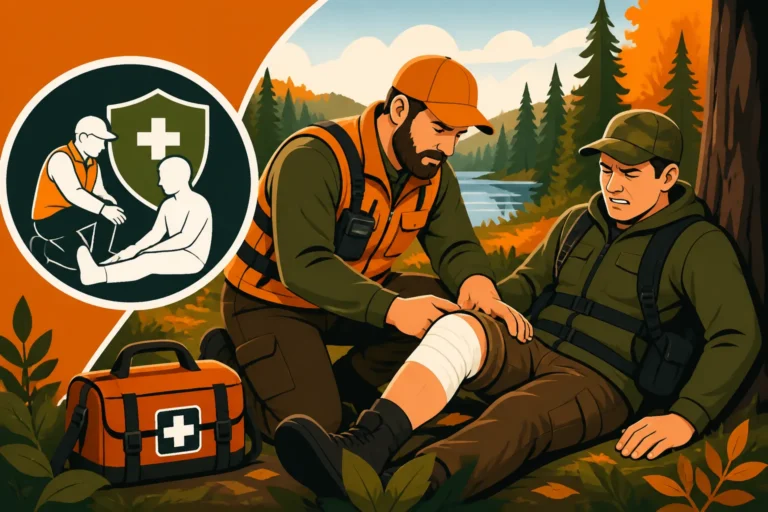
An Ontario hunting guide assesses remote wilderness accident scenes, administers advanced first aid, and stabilizes injured clients.
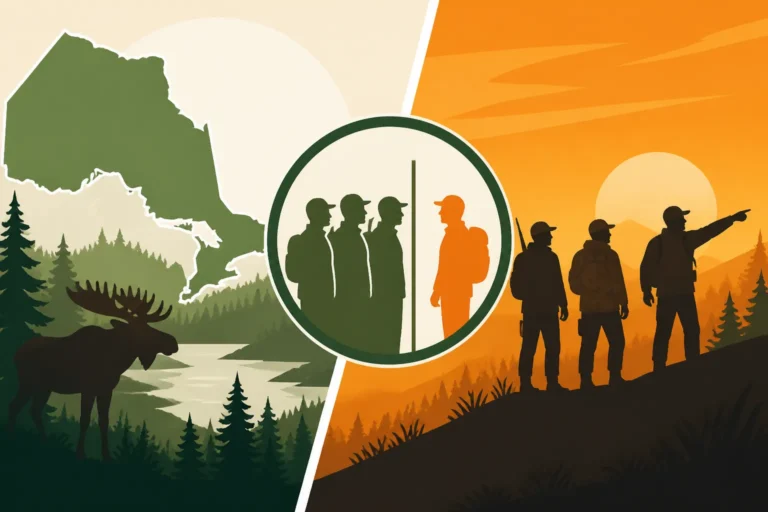
Ontario guided hunt packages define one-on-one and two-on-one hunter-to-guide ratios for moose, bear, and big game trips.
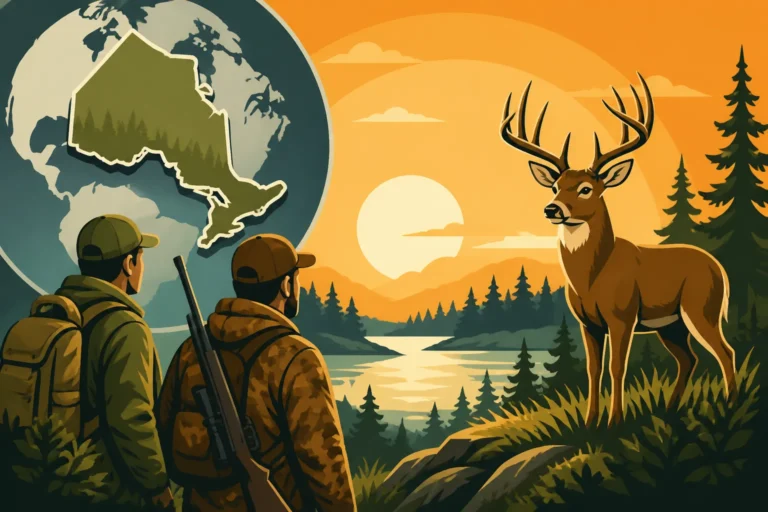
Guided Ontario hunts for overseas visitors require Outdoors Cards, firearm declarations, and proper game licences.