Etiquette in an Ontario Hunt Camp
Stepping into an Ontario hunt camp, whether it’s your first time or your fiftieth, can feel like navigating a whole new world of unspoken rules. You want to focus on the hunt, on the camaraderie, but there’s always that little voice wondering if you’re doing something wrong, if you’re pulling your weight, or if you’re accidentally stepping on someone’s toes. This guide is here to unravel the often-unwritten code of conduct in an Ontario hunt camp, helping you blend in, contribute positively, and truly enjoy the experience.
The Unwritten Rules of the Kitchen and Common Areas
The heart of any hunt camp is often its common areas – the kitchen, the dining table, the living room where stories are swapped and plans are hatched. These are shared spaces, and respecting them is paramount to a harmonious camp experience. It’s not just about keeping things clean, it’s about understanding the rhythm of camp life and how your actions affect everyone else.
Sharing the Space: Keeping Things Tidy
Nobody wants to live in a pigsty, especially not after a long day in the bush. When you're sharing close quarters, tidiness isn't just a preference, it's a necessity. Imagine coming back to camp, tired and hungry, only to find the kitchen counter covered in someone else's breakfast dishes or gear sprawled across the living area. It creates immediate tension. Always put things back where you found them, clean up after yourself immediately, and don't assume someone else will handle it. This includes your boots and wet gear – designate an area for them, usually near the door or in a mudroom, to keep the main living spaces clean and dry. A little effort here goes a long way in showing respect for your fellow hunters and the camp itself.
Food Prep and Cleanup: Everyone Pitches In
Food is a big part of the hunt camp experience. From hearty breakfasts before a morning sit to well-deserved dinners after dark, meals are social events. But the magic doesn't just happen. If you're not the designated cook, make it a point to offer help. Whether it's chopping vegetables, setting the table, or, crucially, washing dishes after a meal, everyone needs to contribute. Don't wait to be asked; just jump in. A rotation for dishes or meal prep often works best, but even without a formal schedule, observing what needs doing and doing it will earn you immense goodwill. If you brought snacks or specialty items, make sure to share them. A good camp shares its bounty, both from the kitchen and the field. If you are preparing for a camp, checking out guides like What to Bring to an Ontario Bush Camp can help you pack appropriately for communal living.
Noise and Downtime: Respecting Others' Rest
Hunting often involves early mornings and late nights. Someone might be trying to get a few extra hours of sleep before their turn on the morning stand, or perhaps they’ve just settled down after a long drive to camp. This means being mindful of noise levels, especially during prime sleeping hours. Cranking up the music at 10 PM, having loud conversations after midnight, or slamming doors can quickly become irritating. Use headphones if you want to listen to music or watch something. Keep conversations in common areas low-key after certain hours. Conversely, if you're the early riser, try to be as quiet as possible when you're getting ready. Your goal is to not disrupt anyone else's much-needed rest. Remember, everyone is there to enjoy the hunt, and that includes getting proper sleep.
Hunting Dynamics and Respect in the Field
The hunt itself is where the rubber meets the road. Even the best camp dynamics can be shattered by misunderstandings or thoughtless actions in the field. This section covers how to approach the actual hunting activities with respect for your fellow hunters, the guides, and the game.
The Plan: Communication is Key
Every hunt camp, especially a guided one, operates on a plan. Your guide will have a strategy, or your group will have discussed where everyone is hunting. Stick to it. Deviating from the agreed-upon plan without clear communication is not only rude, it can be dangerous. If you decide to move your stand, still-hunt a different ridge, or go back to camp early, you must inform the designated contact person. This isn't about control; it's about safety and coordinated effort. Imagine a search party looking for you in the wrong area because you changed your mind. Before you head out, confirm the day's plan, your designated area, and any rendezvous points. If you're doing a group hunt, like Hunting a Group Moose Tag Together, clear communication is absolutely non-negotiable. Many camps use a whiteboard or a map to mark where everyone is going. Use it.
Safety First: Always
This goes without saying, but it bears repeating: hunting safety is paramount. This includes firearm handling, knowing your target and what's beyond it, and being aware of your surroundings. Never point a firearm, loaded or unloaded, at anything you don't intend to shoot. Always assume a firearm is loaded. When back at camp, guns should be unloaded and stored securely in their cases. Understand and adhere to all blaze orange requirements for the season and species you are hunting. If you're unsure about any rule or safety procedure, ask your guide or an experienced camp member. There's no such thing as a dumb question when it comes to safety. Remember, everyone's life depends on everyone else following the rules. Consult resources on specific provincial regulations, such as Ontario Hunter Education Requirements, to ensure you're up to date.
Game Care: Sharing the Load
Successfully harvesting an animal is a huge accomplishment, but it's also where the real work begins. Whether it's a deer, moose, or bear, the field dressing, dragging, loading, and skinning is a team effort, even if it's "your" animal. Don't expect others to do all the heavy lifting. Offer your help when someone else gets an animal, and expect to pitch in fully when it's your turn. This is where the camaraderie of a hunt camp truly shines. Be prepared with the right gear for field dressing and meat care. If you're on a remote hunt, Field Dressing in Warm Ontario Weather or Quartering a Moose Alone in the Bush are valuable skills. Many outfitters, especially those you might find on platforms like BookYourHunt or GoHunt, will include some level of game retrieval and processing support in their packages, but your active participation is always expected and appreciated. And remember, once the animal is back at camp, help with skinning, butchering, and packing. It's a shared resource, and the effort should be shared too.
Personal Habits and Gear Management
Living in close quarters amplifies personal habits – both good and bad. How you manage your personal space, your gear, and your hygiene can significantly impact the overall camp atmosphere.
Gear Organization: Keeping Clutter Down
Hunt camps are often full of gear: rifles, bows, optics, packs, boots, clothing, and more. It's easy for things to become a chaotic mess. Designate a specific spot for your gear and keep it there. Don't leave your pack in the middle of a walkway or your wet boots where someone might trip over them. A good rule of thumb is to consolidate your personal items in your designated sleeping area or a specific gear corner. If the camp has drying racks or boot dryers, use them efficiently and ensure you’re not monopolizing the space. This keeps the common areas clear, prevents accidents, and makes it easier for everyone to find their own belongings.
Personal Hygiene: It Matters More Than You Think
While you're certainly not expected to be prim and proper in a hunt camp, basic personal hygiene is important for everyone's comfort. After days in the bush, things can get a little ripe. Take advantage of showering facilities if they're available, even if it's just a quick rinse. Use deodorant. Change into clean clothes when you're back at camp. This isn't about vanity; it's about not being "that guy" whose scent permeates the entire cabin. It's a small thing that makes a big difference to morale.
Alcohol and Partying: Know the Limits
Many hunt camps enjoy a drink or two after a successful day or to unwind in the evening. There’s nothing wrong with responsibly enjoying some adult beverages. However, know your limits and respect others' preferences. This is a hunt camp, not a frat house. Excessive drinking can lead to impaired judgment, arguments, and loud, disruptive behaviour that ruins the experience for others. Plus, hunting requires alertness and sobriety. Never handle firearms after drinking, and ensure you are completely sober before heading out to hunt. If you're feeling a bit wild, remember that many people are preparing for early morning hunts. Keep it respectful, keep it moderate, and keep the focus on the hunting experience.
Financials, Tipping, and Leaving Things Right
The financial side of a hunt and the final acts of departure are just as important for maintaining good etiquette and leaving a positive impression. These are often the areas where unspoken expectations can cause the most friction if not handled gracefully.
Splitting Costs Fairly
If you're on a self-guided trip with friends, clear communication about shared costs is essential from the outset. This includes groceries, gas for shared vehicles, communal camp supplies, and any shared permits. Don't be the person who always "forgets their wallet" or waits for others to pick up the tab. A simple group chat or spreadsheet can keep track of expenses, and everyone should be prepared to settle up promptly. Many groups choose to pool money upfront for shared expenses to avoid awkward conversations later. If you're looking at resources like GoHunt for your trip planning, consider discussing potential shared costs with your hunting partners well in advance. Planning ahead, much like when doing a Planning an Ontario Hunting Trip, helps avoid any unpleasant surprises.
The Unspoken Rule of Tipping Guides and Staff
For guided hunts, tipping is a customary and expected part of the experience, especially in North America. Guides, cooks, and camp staff work incredibly hard, often for long hours, to make your hunt successful and comfortable. Their base wages might not reflect the effort and skill they put in. A tip is a direct way to show your appreciation for their service. The amount can vary based on the duration, success, and quality of service, but it's important to budget for it when What an Ontario Guided Hunt Costs. If you're unsure about the appropriate amount, discretely ask a veteran hunter or the outfitter's booking agent. Always tip in cash if possible, and present it directly to the individuals you're tipping. Our article Tipping the Cook and Camp Staff provides more specific guidance on this often-puzzling aspect of guided hunts.
Leaving Camp Better Than You Found It
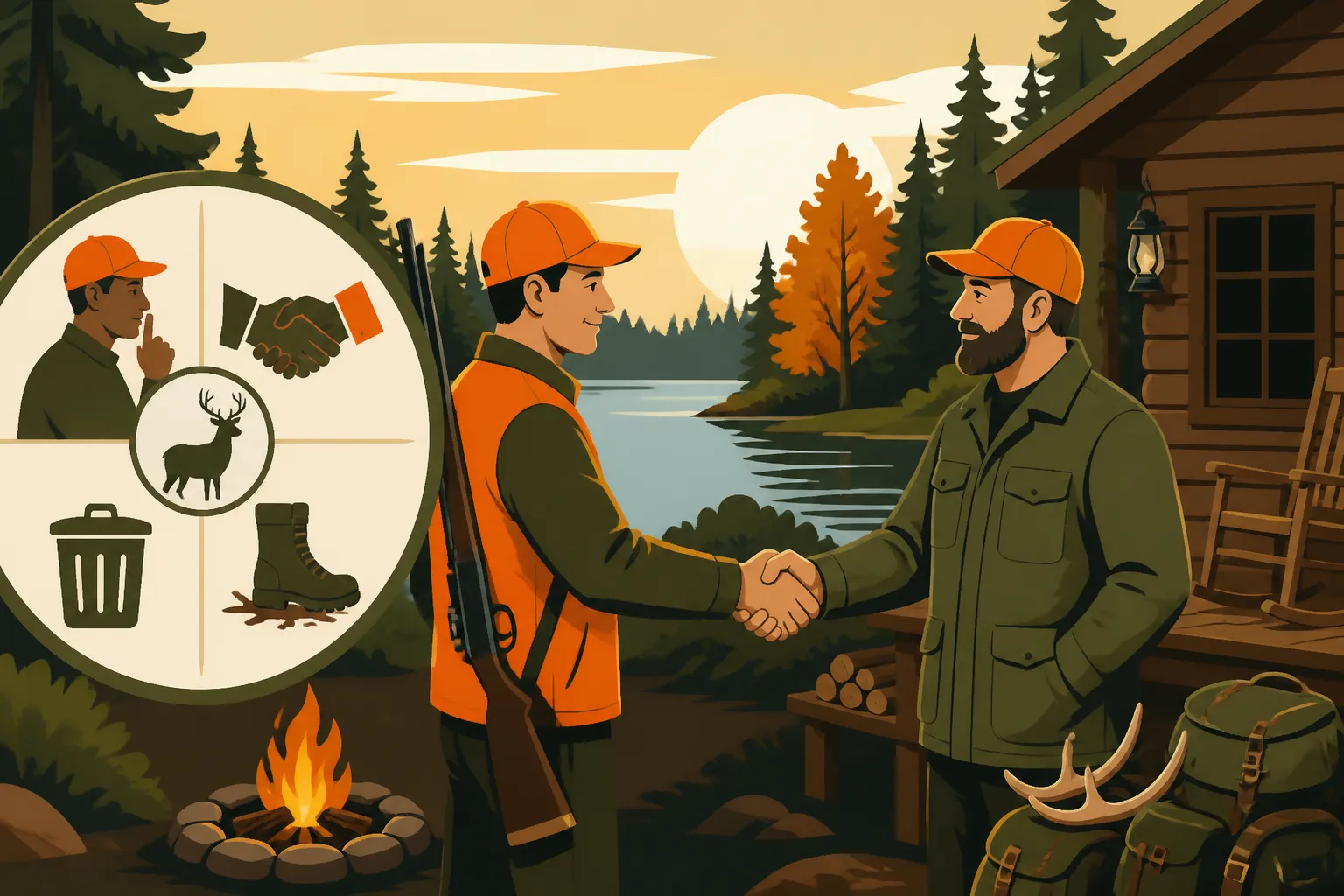
The hunt isn't over until the camp is clean and everything is put away. Before you head home, take the time to clean up your personal area, strip your bed, and help with any general camp cleanup. This might involve sweeping, taking out garbage, washing dishes one last time, or stacking firewood. The goal is to leave the camp in as good, or even better, condition than when you arrived. If you're staying at an outfitter's camp, thank the guides and staff for their hard work. A final handshake, a sincere thank you, and a clean departure show professionalism and respect. It ensures that when you or others return, the camp is ready for the next adventure. This final act of respect truly caps off the hunt. If you fill your tag, remember to follow up on What Happens After You Fill Your Tag for reporting and processing too.
Disclaimer
This article is for general informational purposes only and does not constitute professional advice. Laws, prices and regulations vary by location and change over time. Consult a qualified professional for guidance on your specific situation.