What Camp Food Is Usually Like
It's a common question, and one that often causes a little pre-trip anxiety for hunters heading into Ontario's vast wilderness: "What am I actually going to eat?" The thought of spending hard-earned days hunting, only to be fueled by questionable or repetitive meals, can certainly dampen the excitement. This guide is here to shed some light on the diverse culinary experiences you can expect in an Ontario hunting camp, from the rustic and self-made to surprisingly gourmet affairs, so you can focus on the hunt without worrying about your next meal.
The Spectrum of Ontario Hunting Camp Food Experiences
When you hear "camp food," your mind might immediately go to instant noodles and dehydrated packages, or perhaps, on the flip side, a luxurious lodge with a professional chef. The truth is, Ontario's hunting camps offer a wide range of dining experiences, and what lands on your plate largely depends on the type of camp you've booked and the specific package you've chosen. Understanding these differences is the first step to setting realistic expectations for your palate.
Self-Guided, Housekeeping Camps: The DIY Approach
For many hunters, especially those venturing onto Crown Land for a do-it-yourself adventure or looking for a more budget-conscious trip, a housekeeping camp is the standard. This setup means that you and your hunting party are completely responsible for your own meals. Think of it like renting a cottage in the wilderness: it comes with a kitchen, which can range from a basic hotplate and mini-fridge to a full stove and oven setup, but you're in charge of grocery shopping, cooking, and cleanup. This arrangement gives you ultimate control over your menu, which is a huge benefit if you have specific dietary needs, allergies, or just a strong preference for certain foods.
The beauty of a housekeeping camp lies in its flexibility. You can cook up fresh lake trout you caught earlier that day, enjoy a massive steak dinner, or indulge in a full pancake breakfast before heading out for a morning of Hunting a Hardwood Ridge for Whitetails. The main challenge, of course, is the planning and logistics involved. You'll need to meticulously consider refrigeration, cooking fuel, water, and how to manage waste in a remote setting. Many experienced hunters will pre-cook and freeze meals at home, making reheating a breeze after a long day. Others pack coolers with fresh ingredients, planning simple but hearty meals day by day. It truly becomes part of the adventure, figuring out how to feed a hungry crew and keep everyone energized in the deep bush. Don't forget to consult guides like What to Bring to an Ontario Bush Camp to ensure you pack all your cooking essentials, and read up on What a Housekeeping Camp Actually Means to grasp the full scope of this experience.
Fully-Guided, American Plan Camps: Gourmet in the Bush
At the other end of the spectrum, you'll find fully-guided, "American Plan" camps. These are typically all-inclusive packages where your accommodation, expert guiding services, and, yes, every single meal, are provided. This is the ultimate way to unwind after a grueling day, knowing a hot, delicious meal will be waiting for you, with no cooking or dish duty required on your part. These camps often employ dedicated cooks who take immense pride in serving up hearty, home-style comfort food, or in some cases, surprisingly gourmet dishes considering their remote locations. Imagine waking up to the aroma of freshly brewed coffee and sizzling bacon, returning from your morning hunt to a warm, satisfying lunch, and then enjoying a multi-course dinner with dessert and coffee as you share stories of the day's events. This setup is ideal for hunters who want to maximize their time in the field and minimize the domestic chores.
The food at an American Plan camp can often be a major highlight of the entire trip. Outfitters understand that a well-fed hunter is a happy hunter, and positive word-of-mouth recommendations are crucial for their business. You might be treated to anything from succulent roast beef dinners, freshly baked bread, and rich, slow-cooked stews, to local specialties like a traditional shore lunch featuring freshly caught walleye or pike. Many high-quality lodges make an effort to source local ingredients whenever possible, aiming to provide a memorable and authentic dining experience. It's very common for these camps to inquire about any dietary restrictions or allergies well in advance, so they can plan their menus accordingly. When you're researching options through platforms like BookYourHunt or GoHunt, pay close attention to the meal plan descriptions, as they often detail these amenities. Expect generous portions, comforting flavors, and a focus on high-energy foods designed to sustain you through demanding days in pursuit of game like Moose in Ontario's Boreal Forest. This level of service is part of what makes Booking an Ontario Moose Hunt or any guided trip so appealing.
Hybrid Models: A Mix of Both Worlds
Bridging the gap between the full DIY and the all-inclusive experiences are various hybrid models. Some camps might offer a "modified American Plan," where they provide a full dinner each evening, but leave breakfast and lunch items for guests to prepare themselves. For instance, they might stock the kitchen with continental breakfast options like cereal, toast, and fruit, and provide supplies for packing your own sandwiches and snacks for lunch. This approach strikes a nice balance, taking some of the cooking burden off your shoulders while still giving you flexibility for your morning routine or for days spent Hunting Moose From a Boat or Canoe far from camp.
Another common hybrid is a camp that offers basic accommodation packages with the option to add a meal plan. This can be perfect for groups with diverse preferences or budgets, where some members might prefer the convenience of catered meals while others are happy to cook their own to save a bit of money. Always, always clarify with the outfitter exactly what their meal plan entails before you finalize your booking. Don't make assumptions. "Full board" could mean anything from hearty, hot meals three times a day to simply packed lunches and hot dinners. Getting these details ironed out beforehand will prevent any unpleasant surprises and ensure your trip runs smoothly.
Common Staples and Unexpected Delights
Regardless of the camp style, certain food categories are perennial favorites in Ontario hunting camps. The unwavering focus is always on providing nutritious, comforting, and high-energy sustenance to help you tackle long days of stalking White-Tailed Deer Across Ontario or enduring the cold. Beyond these fundamental requirements, many camps also introduce special touches that elevate the dining experience and create lasting memories.
Breakfast: Fueling Up for the Hunt
Breakfast holds a special place in the hierarchy of hunting camp meals. It's the essential fuel that must last through bone-chilling mornings, extensive treks, and hours of patient waiting in a stand. You can expect substantial and satisfying options. Think plates piled high with scrambled or fried eggs, crispy bacon, savory sausages, fluffy pancakes or French toast, and often a side of oatmeal or various cold cereals. Coffee, of course, is a non-negotiable staple, typically brewed and ready well before dawn. Some larger camps might offer a full breakfast buffet, while more intimate settings might prepare meals to order.
For self-catering groups, this means packing an ample supply of eggs, pancake mix, and breakfast meats. Many groups rely on quick and easy-to-prepare items like instant oatmeal or pre-made breakfast sandwiches that can be warmed up in minutes. The aim is efficiency and adequate caloric intake. You need something substantial that will stick with you, preparing your body for the physical demands of a morning spent in the field, perhaps during Hunting Ontario's November Gun Season. Fresh fruit, yogurt, and toast are also popular additions to ensure a well-rounded start to the day.
Lunch: Field Rations and Quick Bites
Lunch in a hunting camp is typically a more casual affair, especially if you're deep in the wilderness. Many guided hunts will provide packed lunches, which usually consist of sandwiches or wraps, a piece of fruit, a cookie or granola bar, and a drink. These are specifically designed to be portable and eaten in the field, perhaps during a quick break while Hunting an Ontario Bush Edge or patiently waiting in a treestand. They prioritize practicality and convenience.
If you happen to return to camp for a mid-day break, lunch might be a simple and warming meal like soup and sandwiches, leftovers from the previous night's dinner, or a hearty chili. In housekeeping camps, hunters usually bring their own sandwich fixings, instant soups, or re-heat pre-made meals. The primary goal for lunch is to provide a quick energy boost without interrupting your hunting schedule for too long. Don't typically expect elaborate lunch spreads unless your outfitter specifically details them.
Dinner: The Hearty Camp Meal
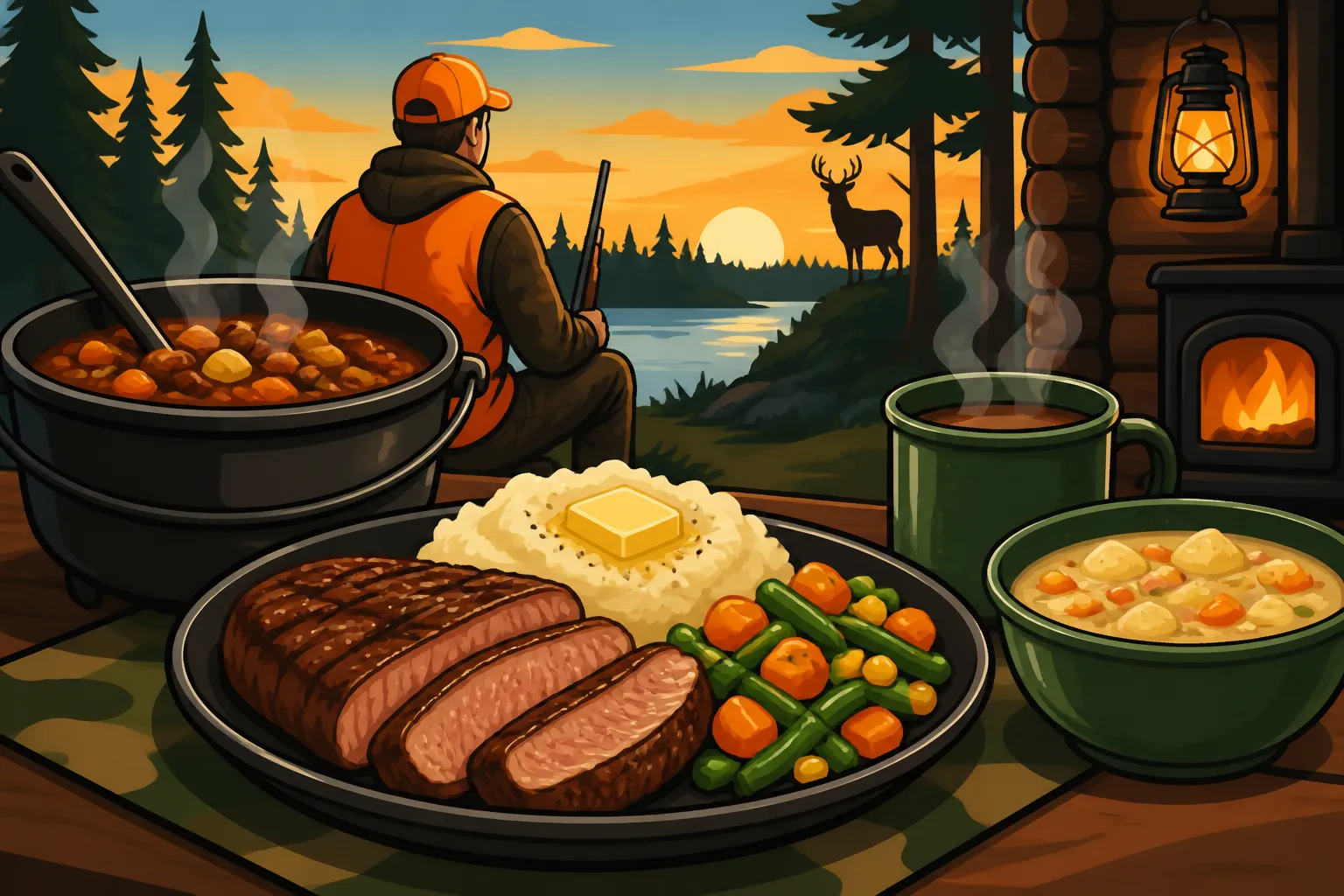
Dinner is almost always the social centerpiece of the day in a hunting camp. After a full day of hunting, everyone is usually famished, and a hot, comforting meal is incredibly welcome. Anticipate generous portions of meat-based dishes such as roasts, steaks, chicken, pasta with rich meat sauce, stews, or casseroles. Vegetables are typically included, often prepared simply like steamed carrots, corn, or potatoes. Dessert is usually something comforting and sweet, like pie, cake, or a fruit crumble, to end the day on a high note.
Many outfitters take immense pride in their dinner offerings, understanding that a good meal enhances the overall experience. Some might even feature wild game (though not typically from the current season's harvest by guests, but rather legally sourced from previous seasons or local suppliers). Imagine a slow-cooked venison stew or perfectly grilled moose steaks. It's a cherished time to refuel, share the day's stories, and relax before preparing for the next morning's hunt. In self-catering camps, groups often rotate cooking duties or plan communal meals that are easy to prepare for everyone. This is when a well-stocked pantry and a creative camp cook truly shine, turning simple ingredients into a feast for hunters after a day spent chasing Moose Hunting Ontario's Northern Bush.
Snacks and Drinks: Keeping Energy Levels High
Beyond the three main meals, readily available snacks and drinks are absolutely critical, especially during those long hours spent in a blind or covering vast expanses of ground. Most camps will have coffee and tea available all day, often along with juice or water. It's worth noting that alcoholic beverages are almost universally BYOB (bring your own booze) unless you're at a very high-end, all-inclusive lodge. You'll definitely want to pack your own preferred snacks – things like granola bars, nuts, dried fruit, chocolate, energy chews, or jerky – anything that can provide a quick and convenient energy boost when you need it most.
While many guided camps include some snacks in their meal plan or provide a small snack station, it's always a smart idea to bring a personal stash, particularly for carrying into the field. Hydration is equally paramount. Carrying a refillable water bottle or a hydration pack is essential, and many camps will provide filtered water for refills. Never underestimate the power of a timely snack to keep your spirits and energy levels up, especially when the hunting gets tough or you're Sitting All Day in an Ontario Blind.
Accommodating Dietary Needs and Preferences
In our modern world, dietary restrictions, allergies, and specific preferences are incredibly common. It's perfectly reasonable to expect a hunting camp to do their utmost to accommodate these needs, but the absolute key to success is clear, early, and thorough communication.
Communicating Your Needs Before Arrival
This point cannot be overemphasized enough: communicate all your dietary needs and restrictions when you book your trip, not when you walk through the camp door. Outfitters and camp cooks need sufficient time to plan menus, purchase any special ingredients, and adjust their meal preparations accordingly. A last-minute revelation about a severe peanut allergy or a strict gluten intolerance can significantly disrupt their carefully organized plans, especially in remote Ontario locations where access to diverse grocery stores is limited or non-existent.
Be as specific as possible: "I have a severe tree nut allergy," "I follow a strict vegetarian diet and do not eat any meat, poultry, or fish," or "I am lactose intolerant." Do not assume they will automatically have alternatives on hand. Most reputable outfitters will proactively ask about dietary requirements during the booking process, but if they don't, be sure to bring it up yourself. This courtesy ensures not only a safe but also an enjoyable dining experience for you and minimizes stress for the camp staff. Most will genuinely go out of their way to ensure you're well-fed and comfortable, which is a crucial aspect of Planning an Ontario Hunting Trip.
What to Pack for Specific Requirements
Even if your outfitter confidently confirms they can accommodate your dietary needs, it's always a wise precaution to pack some backup items, particularly for very severe allergies or highly specific diets. For instance, if you're gluten-free, bringing a small loaf of your favorite gluten-free bread or a bag of your preferred gluten-free pasta could be a lifesaver if the camp's option isn't quite right or if they unexpectedly run out. If you rely on a specific protein powder or supplement, bring it along.
For those in self-catering camps, this advice is even more critical. Since you are your own chef, packing all necessary specialized ingredients – whether it's alternative flours, specific sauces, non-dairy milks, or pre-made allergy-friendly meals – is entirely your responsibility. Do not rely on finding specialized dietary items in small, northern Ontario towns; their selections are often very limited. Plan your entire menu with your specific needs in mind and pack comprehensively. When you're a long way from the nearest store, it's always better to have too much than not enough. A good Truck Kit for a Northern Ontario Hunt should always include emergency food supplies, especially for those with specific needs.
The Role of the Cook in Camp
The camp cook is often the unsung hero of any guided hunting trip. They work tirelessly, usually behind the scenes, to prepare three nourishing meals a day, often catering to varying tastes, dietary needs, and sometimes even staggered hunting schedules. Their role extends beyond mere cooking; they are instrumental in providing comfort, morale, and essential sustenance in what can be a physically demanding and sometimes challenging environment. A skilled and friendly camp cook can significantly enhance the overall camp atmosphere.
These cooks are typically experienced in preparing hearty, satisfying meals that appeal to a wide range of palates. While they aim to please, remember they are often cooking for a group. If you have specific, minor preferences (e.g., "Could I get my eggs over easy?"), it's fine to politely ask, but always remember the scale of their operation. The best approach is always one of gratitude and flexibility. If they've gone out of their way to accommodate a dietary need, a sincere thank you – and a thoughtful tip for camp staff – will be greatly appreciated. They are an integral part of the team working diligently to make your Black Bear Hunting in Ontario or any other hunting trip a resounding success, and knowing How Much to Tip an Ontario Guide extends to the rest of the camp staff too.
Beyond the Plate: The Social Aspect of Camp Meals
While the nutritional value and deliciousness of camp food are undeniably important, the meals themselves often serve a much larger, often underestimated purpose: fostering camaraderie, sharing experiences, and creating truly lasting memories. Dining together is a fundamental and cherished ritual within the hunting camp culture.
Sharing Stories Around the Table
There's an undeniable magic that happens when hunters gather around a table after a long day in the bush, sharing stories, exchanging laughs, and perhaps lamenting a few missed opportunities. The dining table quickly becomes the vibrant central hub of conversation. This is where you relive the morning's intense stalk, excitedly discuss the incredible tracks you discovered, or collaboratively strategize for tomorrow's Rattling and Calling Ontario Whitetails efforts. It’s a sacred space where new friendships are forged, existing bonds are strengthened, and invaluable experiences are shared. Even in self-catering camps, the communal act of cooking and eating together deepens the connection among group members.
These mealtime discussions are often just as memorable and impactful as the hunt itself. You'll gain insights from others' past experiences, learn about different hunting techniques, and truly get to know your fellow hunters on a more personal level. Whether you're at a rustic pine table in a remote cabin or in a more formal dining hall, the shared meal is a powerful ritual that connects everyone present, making it an essential part of your Whitetail Hunting in Ontario or Elk Hunting Ontario's Bancroft Herd adventure.
Traditional Camp Cookouts and Wild Game
Occasionally, particularly in more relaxed, family-operated camps, you might be fortunate enough to experience a traditional camp cookout. Imagine the inviting glow of a crackling bonfire, grilling steaks or sausages under a canopy of stars, or participating in a classic shore lunch where freshly caught fish are cooked right on the edge of a pristine lake. These special meals add another wonderful layer to the camp experience, beautifully blending the culinary with the raw wilderness in a truly authentic and unforgettable way.
While outfitters in Ontario are generally prohibited from serving wild game harvested by their current clients, many camps, with the appropriate licensing, may legally source and serve wild game from previous, legal harvests. This might include a hearty venison stew, flavourful moose burgers, or spicy wild turkey chili. It's a fantastic opportunity to fully immerse yourself in the regional hunting culture and appreciate the direct connection between the land and the food on your plate. After a successful hunt, understanding Getting Meat Processed in Ontario becomes another key part of the experience.
The Unexpected Joys of Simple Camp Fare
Finally, never underestimate the profound joy and satisfaction derived from simple camp food. After a physically demanding day spent battling the elements, even the most basic, hot meal can taste like a gourmet feast. There's a unique and deep satisfaction in a steaming bowl of chili or a plate of hot spaghetti when you're cold, tired, and truly hungry. The wilderness has a remarkable way of sharpening our appreciation for the fundamental necessities of life. This can be especially true when considering Meat Care in Ontario's Warm Early Seasons, where proper handling ensures the quality of your hard-earned harvest.
Often, the most cherished memories from a hunting trip aren't about the fanciest meal you ate, but rather about the meals shared with good company, after a challenging day, with the evocative sounds of the Ontario bush just outside the door. It's about nourishment, comfort, and the collective experience of the hunt, all brought together and celebrated around the humble camp table. So, while it's wise to know what kind of food to expect, remain open to the unexpected delights and the simple, profound pleasure of a well-earned meal in the wild.
Here's a quick comparison of what you might expect from different camp types:
| Camp Type | Meal Preparation | Typical Menu | Dietary Accommodations | Social Aspect |
|---|---|---|---|---|
| Housekeeping | Self-catered, DIY | Hunter's choice (often pre-made, easy meals) | Full control by hunter | High, group effort, communal cooking & planning |
| American Plan | Cooked by camp staff | Hearty, home-style, sometimes gourmet | Usually accommodated | High, shared meals, storytelling with guides/staff |
| Hybrid (e.g., Modified American) | Some cooked, some DIY | Mix of hot dinners, self-serve breakfasts/lunches | Often accommodated | Good, shared dinners, flexible mornings/lunches |
Disclaimer
This article is for general informational purposes only and does not constitute professional advice. Laws, prices and regulations vary by location and change over time. Consult a qualified professional for guidance on your specific situation.