Emergency Plans in Ontario’s North
Hunting in Ontario's vast northern wilderness offers unparalleled adventure, but it also comes with unique challenges, especially when it comes to personal safety and emergency preparedness. The sheer remoteness, unpredictable weather, and limited access to communication can turn a minor mishap into a serious situation quickly. This guide is all about helping you understand the real risks and put together a solid plan, whether you're heading out on a DIY trip or booking with an experienced outfitter, ensuring you're ready for whatever the bush throws your way.
Understanding the Unique Challenges of Northern Ontario's Wilderness
When you venture into the northern reaches of Ontario, you're stepping into a truly wild landscape. It's not like hunting in more populated areas with easy access to roads and cell service. The challenges here are amplified, and understanding them is the first step toward effective emergency planning.
The Vastness and Isolation
Imagine countless lakes, dense boreal forest stretching for hundreds of kilometres, and logging roads that might see traffic only once every few days, if at all. That's a typical scene in northern Ontario. This immense scale means that if you get turned around, or if your ATV breaks down miles from your camp, you are truly isolated. Help isn't just a quick phone call away; it can take hours, or even days, to reach remote locations. This isn't to scare anyone off, but to highlight that self-reliance and meticulous planning become paramount. You need to consider how far you're willing to venture from known paths and what resources you have to get yourself back. The feeling of being truly alone under a massive northern sky is incredible, but it demands respect and preparation.
Limited Communication Avenues
One of the biggest frustrations and dangers in northern Ontario is the almost complete lack of reliable cell service once you leave the main highways or larger towns. Your smartphone, which is so handy for everything else in daily life, can quickly become a paperweight in the deep bush. Relying on it for navigation or calling for help is a gamble you absolutely cannot afford to take. This limitation means you need to think beyond your phone for emergencies. Many hunters head out thinking "I'll just use my phone for GPS," only to find themselves completely off the grid with a dead battery when they need it most. It's a common trap, and it's one we need to actively avoid when planning our trips. Consider options like a satellite phone or a two-way satellite messenger, which maintain a signal no matter how far out you are. Where Ontario Cell Coverage Ends is a stark reality check for many.
Weather's Unpredictability
Ontario's north is famous for its rapidly changing weather, sometimes within a single day. A bright, sunny morning can quickly give way to a torrential downpour, high winds, or even an unexpected early snow squall, even in what you might consider "mild" seasons. These shifts can dramatically impact travel conditions, visibility, and your body temperature. Getting soaked and then having temperatures drop can lead to hypothermia even in seemingly mild conditions. A sudden fog can disorient you in an instant, making familiar terrain look completely alien. Always pack layers of clothing, and ensure your outerwear is genuinely waterproof and windproof, not just water-resistant. Checking the forecast is a good start, but always prepare for the worst conditions you might encounter, regardless of what the weather app tells you.
Essential Pre-Trip Planning for Safety
Before you even load your gear, proper pre-trip planning is the bedrock of a safe hunt in northern Ontario. This isn't just about packing a first-aid kit; it's about creating a comprehensive strategy that accounts for potential problems and ensures you have the tools and knowledge to overcome them.
Creating a Detailed Itinerary and Sharing It
Never, ever head into the bush without leaving a detailed itinerary with someone reliable back home. This isn't just a suggestion; it's a critical safety measure. Your itinerary should include:
- Your exact route of travel to your hunting area.
- The precise location of your camp, even if it's just a spot on Crown Land where you're pitching a tent. Hunting Ontario's Crown Land often means you're far from any marked campsites.
- Your expected daily hunting areas and general directions of travel.
- Your planned return date and time.
- A list of everyone in your hunting party, along with any relevant medical conditions or emergency contacts.
- Details about your vehicle(s), including make, model, colour, and license plate number.
- The communication devices you'll be carrying (satellite phone, inReach, etc.) and how often you plan to check in.
Be as specific as possible. Instead of "hunting north of camp," write "hunting the cutover north of camp, planning to return via the old logging road by 5 PM." If you fail to check in by your predetermined time, your contact person knows exactly where to direct search efforts, saving critical hours.
Navigation and Communication Tools Beyond Your Phone
Given the poor cell service, investing in reliable navigation and communication tools is non-negotiable for northern Ontario hunting.
- GPS Unit: A dedicated handheld GPS unit is far more reliable than a phone, especially for battery life and signal retention under heavy canopy. Learn how to use it thoroughly before you go. Mark your vehicle, camp, and any crucial waypoints like water sources or landmarks.
- Map and Compass: These are your absolute backup, and knowing how to use them is a survival skill that can literally save your life when electronics fail. Always carry a waterproof map of your Reading an Ontario WMU Map Before You Go and know your position on it. Practice orienting the map and taking bearings at home.
- Satellite Messenger/Communicator: Devices like the Garmin inReach or Zoleo offer two-way satellite communication, allowing you to send and receive texts, track your location, and trigger an SOS signal that goes directly to a rescue coordination centre. This is a game-changer for remote safety. They also often allow your contact person to track your movements online.
- Satellite Phone: For the ultimate in voice communication from anywhere, a satellite phone is an option, though more expensive. It allows direct voice contact, which can be invaluable in a complex emergency.
- Whistle: A simple, often overlooked tool, but critical for signaling. Three short blasts is the universal distress signal.
- Signaling Mirror: Effective in clear weather to signal aircraft from a distance.
Remember to bring extra batteries or portable chargers for all electronic devices, and ensure they are fully charged before you head out. A Truck Kit for a Northern Ontario Hunt should always include these crucial items.
First Aid and Survival Kits
Your kits should be tailored to the environment and the duration of your trip.
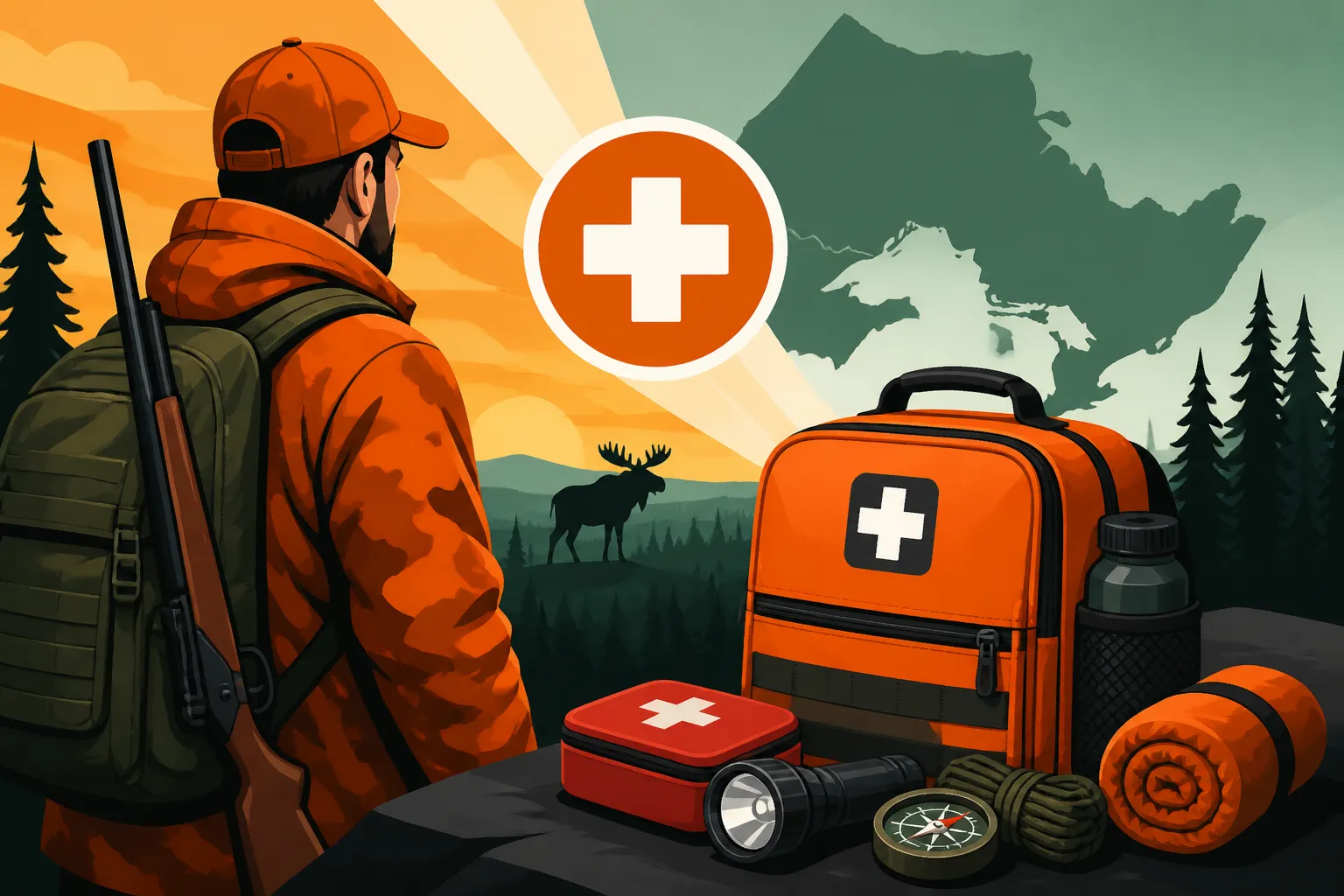
- Comprehensive First Aid Kit: Don't just throw in a few band-aids. Think about major trauma, deep cuts, sprains, burns, and general ailments. Include pain relievers, anti-inflammatories, antiseptic wipes, various sizes of bandages, gauze, medical tape, moleskin for blisters, and any personal medications. Consider taking a basic wilderness first aid course; knowing how to use the contents is as important as having them.
- Personal Survival Kit: This small, essential kit should always be on your person, even for a short walk from camp. It should contain:
- Fire Starters: Multiple methods (waterproof matches, lighter, ferro rod).
- Emergency Shelter: A space blanket, bivy sack, or even a large garbage bag.
- Navigation Aids: A small compass and a printed map section.
- Signaling Device: Whistle.
- Knife/Multi-tool: Indispensable for countless tasks.
- Cordage: 50 feet of paracord can be used for shelter, repairs, or a tourniquet.
- Water Purification: Tablets or a small filter.
- High-Energy Snacks: A few energy bars.
- Headlamp/Flashlight: With extra batteries.
- Duct Tape: Wrap a few feet around your water bottle for quick repairs.
Always make sure these kits are easily accessible, preferably in a waterproof pouch in your hunting pack, not buried at the bottom of a duffel bag in camp.
What to Do When an Emergency Happens
Even with the best planning, emergencies can strike. Knowing how to react calmly and strategically can make all the difference between a minor scare and a true disaster. The fundamental principles are to stay calm, assess your situation, and make smart decisions. What to Do If You Get Turned Around is a common scenario.
Prioritizing Immediate Safety and First Aid
Your absolute first priority is always to secure the immediate safety of yourself and your party.
- Stop, Think, Observe, Plan (S.T.O.P.): If you realize you're lost, stop moving. Panicking and continuing to walk aimlessly will only deepen your predicament. Sit down, take a few deep breaths, and calmly assess your surroundings. Look for familiar landmarks, listen for sounds (roads, water, distant voices), and think about your last known position.
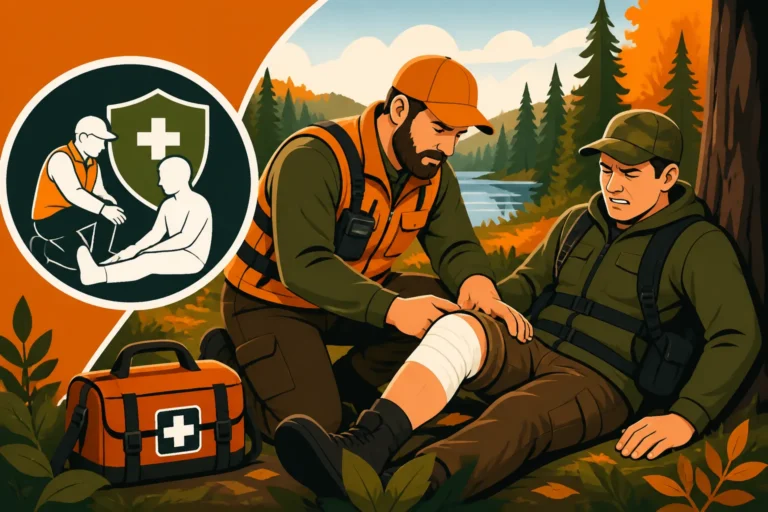
- Administer First Aid: If someone is injured, tend to them immediately. Control bleeding, stabilize fractures, and treat for shock. Even a seemingly minor injury can become debilitating in the bush, especially if it affects mobility or fine motor skills. Use the supplies in your well-stocked first aid kit and your wilderness first aid knowledge.
- Shelter from the Elements: Getting wet and cold is a rapid path to hypothermia, which impairs judgment and physical ability. If weather is turning, find or create immediate shelter. This could be a natural overhang, a dense stand of spruce, or your emergency bivy sack.
Remember, your safety and the safety of your hunting partners are more important than chasing a trophy. There's no shame in turning back or calling for help when conditions become too risky.
Signaling for Help
Once immediate safety is established, your next priority is to signal for help.
- Satellite Messenger/Phone: This is your primary tool in a true emergency. Activate the SOS feature on your satellite messenger. If you have a satellite phone, call your emergency contact or 911/local emergency services directly. Provide precise location coordinates and details of the emergency.
- Fire: A signal fire with plenty of green branches to create thick, white smoke can be seen from aircraft for many miles, especially in open areas. Build three fires in a triangle, or light three separate large fires in a row, as this is a recognized distress signal.
- Visual Signals: If you hear or see an aircraft, use a signaling mirror to flash at it. You can also lay out bright-coloured clothing or tarps in an open area to form large letters like "SOS" or a giant "X".
- Audible Signals: Three short, distinct blasts on a whistle, repeated at intervals, is the international distress signal. Yelling for help or firing three gunshots (if safe and legal to do so) can also attract attention, though sound doesn't travel as far in dense bush as many imagine.
Conserve your energy while waiting for rescue. Don't exhaust yourself by constantly yelling or moving unless you have a clear plan for self-rescue or escape.
Shelter, Fire, and Water in an Emergency
These three elements are crucial for survival if you're stranded for an extended period.
- Shelter: Your immediate shelter might be a quick bivy, but for longer waits, you'll need something more substantial. Look for natural features like rock overhangs or dense evergreens. Learn basic tarp or debris hut construction. The goal is to get out of the wind and rain/snow, and off the cold ground. Insulation from the ground is critical.
- Fire: A fire provides warmth, a morale boost, and a way to signal. It also sterilizes water and cooks food. Always carry multiple fire starters. Learn to build a proper fire in adverse conditions, using tinder, kindling, and progressively larger fuel. A good fire lays the groundwork for sustained survival.
- Water: You can survive longer without food than without water. Find a water source if possible, but always treat it. Filtering or boiling are the most reliable methods. Carry water purification tablets or a small personal filter. Never drink untreated standing water from ponds or slow-moving streams, as it can contain harmful bacteria and parasites. Staying hydrated helps maintain clear thinking and physical endurance.
These are fundamental survival skills every hunter venturing into remote areas should possess. Take time to learn and practice them before your trip.
Working with Outfitters and Guides on Safety
Many hunters choose to experience northern Ontario with the help of an outfitter or guide. While this can add a layer of safety and expertise, it doesn't absolve you of your personal responsibility to prepare. In fact, good outfitters will expect you to be prepared. When searching for an outfitter, sites like BookYourHunt or GoHunt often provide reviews and details about services, including safety protocols, which can be invaluable.
Outfitter's Role in Emergency Preparedness
A reputable Ontario outfitter will have their own comprehensive emergency plan in place. They are familiar with the terrain, local conditions, and communication limitations.
- Emergency Communication: They should have satellite phones, radios, or other reliable communication devices to reach help from their remote camps. They should also have established check-in procedures with their clients.
- Knowledge of the Area: Guides are intimately familiar with their hunting territory, including escape routes, safe spots, and potential hazards. They often know where local air ambulance services or search and rescue teams can access.
- Trained Staff: Guides should have basic first aid training and experience dealing with wilderness emergencies. They know how to handle various scenarios, from a sprained ankle to a bear encounter.
- Pre-Hunt Briefings: A good outfitter will provide a thorough safety briefing, outlining their emergency procedures, what communication systems they use, and what they expect from you in an emergency. This is a great opportunity to ask direct questions about their safety plans. What an Outfitter Needs From You Beforehand often includes your emergency contacts and medical info.
- Camp Resources: Outfitters typically have well-equipped camps, including more extensive first aid supplies, maps, and often a vehicle or boat dedicated to emergencies. Flying Into a Remote Ontario Camp means these resources might be your only link to the outside world.
When considering an outfitter, don't hesitate to ask specific questions about their safety protocols and emergency plans. Their transparency and preparedness speak volumes about their professionalism.
Your Responsibility as a Hunter
Even with an excellent outfitter, your personal preparedness remains crucial. You are an active participant in your own safety.
- Communicate: Clearly communicate any medical conditions, allergies, or physical limitations to your guide before the hunt begins. Don't assume they already know.
- Follow Instructions: Listen carefully to your guide's instructions regarding safety, travel routes, and protocols. They know the area and the risks.
- Personal Gear: Ensure you have all the personal emergency and survival gear discussed earlier. Your outfitter might provide some group gear, but your individual survival kit is yours alone. This includes proper clothing for the weather, like Dressing for Ontario's November Cold.
- Stay Informed: Pay attention to your surroundings, know your general location relative to camp, and be aware of the weather. Don't just blindly follow; actively participate in situational awareness.
- Know Your Limits: Be honest with yourself and your guide about your physical capabilities. Pushing yourself beyond your limits can lead to accidents and put others at risk.
Remember, while an outfitter provides a service, you are still responsible for your own actions and preparations. It's a partnership in safety. When you're researching outfitters on platforms like GoHunt, look for those that explicitly mention robust safety protocols, experienced guides, and emergency communication systems. Many outfitters also offer advice on Wildlife Safety in Ontario Bear Country, which is an essential part of northern preparedness.
Non-Resident Considerations
If you're a non-resident hunter coming to Ontario, you have additional layers of planning, particularly regarding legal requirements and crossing the border with firearms.
- Firearms Declaration: You'll need to complete a Non-Resident Firearm Declaration Form to bring your rifle or shotgun into Canada. Be aware of prohibited firearms and ammunition types.
- Licensing: Ensure you have all the necessary Ontario Hunting Licences and What They Cost and tags. Outfitters can often help navigate this, but it's ultimately your responsibility.
- Export Permits: If you harvest game, you'll need an export permit to take meat or trophies back across the border. Your outfitter can typically assist with this process.
- Travel Insurance: Consider comprehensive travel insurance that covers medical emergencies and trip cancellations, especially for remote hunts. The cost of an emergency evacuation can be astronomical.
Platforms like BookYourHunt often cater to non-residents, providing information and connecting hunters with outfitters who are experienced in assisting international clients with these specific requirements. Taking an Ontario Hunter Education Requirements course, even if not strictly required for non-residents, will significantly boost your safety and bushcraft skills.
Table: Essential Communication & Navigation Tools for Northern Ontario
| Device Type | Primary Function | Pros | Cons | Best Use Case |
|---|---|---|---|---|
| Smartphone | GPS (Offline maps), Camera | Convenient, familiar interface, many apps | No cell service in remote areas, fragile, poor battery life in cold | Pre-trip planning, photos in camp |
| Handheld GPS Unit | Navigation, Waypoints | Durable, waterproof, long battery life, reliable signal | Requires specific knowledge, heavier than phone, no communication | Primary navigation in deep bush |
| Satellite Messenger | Two-way text, SOS, Tracking | Global coverage, compact, long battery life, tracking | Slower text, no voice calls, subscription required | Critical for remote communication and emergency signaling |
| Satellite Phone | Two-way voice, SOS | Global voice calls, direct contact with emergency services | Expensive device & service, heavier, bulkier, subscription required | High-priority voice communication in extreme emergencies |
| Map & Compass | Navigation, Orientation | No batteries needed, weatherproof, simple to use | Requires practiced skill, static data (no live updates) | Essential backup to electronic navigation, skill for all hunters |
| Personal Locator Beacon (PLB) | SOS signal only | Compact, very long battery life, direct to rescue | No two-way communication, only for dire emergencies | Ultimate emergency beacon when all else fails |
Preparing for emergencies in Ontario's North might seem like a lot of extra work, but it's truly an investment in your safety and peace of mind. The beauty and challenge of hunting in this incredible wilderness are worth experiencing, but only when done responsibly.
Disclaimer
This article is for general informational purposes only and does not constitute professional advice. Laws, prices and regulations vary by location and change over time. Consult a qualified professional for guidance on your specific situation.