What a Housekeeping Camp Actually Means
Deciding where to stay and how to organize your hunt in Ontario can feel like navigating a maze of jargon. You've probably heard terms like "American Plan" or "fully guided," but "housekeeping camp" often leaves hunters scratching their heads, wondering what exactly they're signing up for. This guide is here to clear up that confusion, diving deep into what a housekeeping camp in Ontario truly entails, so you can confidently plan a self-sufficient and rewarding hunting trip.
Unpacking the Housekeeping Camp Concept
At its heart, a housekeeping camp is all about self-sufficiency and independence. Think of it as renting a rustic cabin or cottage in a prime hunting area, where you become the master of your own domain for the duration of your stay. The camp provides the accommodation and essential infrastructure, but the responsibility for everything else—from what you eat to how you hunt—falls squarely on your shoulders. It's a popular option for hunters who love the freedom of doing things their own way, appreciate a more budget-friendly approach, and relish the full immersion into the wilderness experience.
The Self-Sufficiency Ethos: Your Hunt, Your Rules
When you book a housekeeping camp, you're embracing a "do-it-yourself" philosophy. This isn't a guided experience where someone wakes you up with coffee, cooks your breakfast, and drives you to a pre-scouted stand. Instead, you're setting your own alarm, preparing your own meals, and executing your own hunting strategy. This level of autonomy is a huge draw for many seasoned hunters and groups who have a clear vision for their trip. They want to explore, scout, and hunt on their schedule, at their pace, without the constraints of a guided itinerary.
It's a liberating feeling, to be sure. You get to decide if you want to be out before dawn or sleep in a little. You choose what to cook for dinner and when to eat it. This freedom allows for a truly personalized experience, but it also demands a higher level of planning and self-reliance. You're not just a guest; you're the temporary resident manager of your hunting operation.
What's Typically Provided in a Housekeeping Setup
While the "housekeeping" part implies you're doing most of the work, these camps do provide crucial basics. Generally, you can expect a comfortable, albeit often rustic, cabin or cottage that serves as your base camp. This usually includes:
- Sleeping arrangements: Beds, often bunk beds, with mattresses. You'll almost always need to bring your own sleeping bag, pillows, and linens.
- Basic kitchen facilities: A stove, oven, refrigerator, and sometimes a freezer. Pots, pans, dishes, and cutlery are usually supplied, but checking ahead is always wise. Running water and a sink are standard.
- Heating: Many camps will have wood stoves or propane heaters, especially important for those chilly fall or late-season hunts.
- Electricity: Power might come from the grid, a generator, or solar, but outlets are typically available for charging electronics.
- Access to the hunting area: The camp is usually situated in or very near prime hunting grounds, offering direct access to Crown Land or private leases.
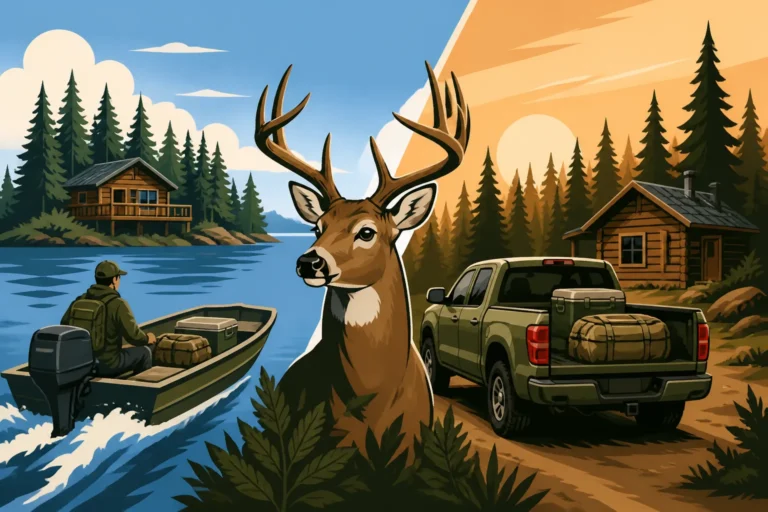
- Sometimes, a boat and motor: For camps on lakes or rivers, a boat might be included or available for rent, complete with paddles and safety equipment. You'll typically pay for your own fuel.
The key is that these are the tools and shelter you need, not the full service. The quality and extent of these provisions can vary wildly between camps, so it's always critical to clarify specifics with the outfitter before booking. A platform like GoHunt or BookYourHunt often includes detailed descriptions and photos, but a direct conversation is always best.
What to Expect: Inclusions and Exclusions
Understanding the distinct line between what the camp provides and what you're responsible for is paramount to avoiding surprises and ensuring a smooth hunt. Many first-timers assume more is covered than it actually is, leading to frustrations.
Your Comprehensive List of Responsibilities on a Housekeeping Hunt
This is where the "housekeeping" really comes in. You are essentially bringing your entire home-away-from-home with you, or at least the supplies to run it. Here's a breakdown of what you'll be handling:
- Food and Cooking: This is the biggest one. You're responsible for all groceries, meal planning, preparation, and cleanup. This means bringing coolers, a menu, and all your favourite camp recipes. Don't forget coffee, spices, and cooking oil!
- Personal Gear: Your sleeping bags, pillows, towels, toiletries, hunting clothes, rain gear, boots, and personal electronics are all on you. Think about what you'd pack for a remote camping trip, but with a roof over your head.
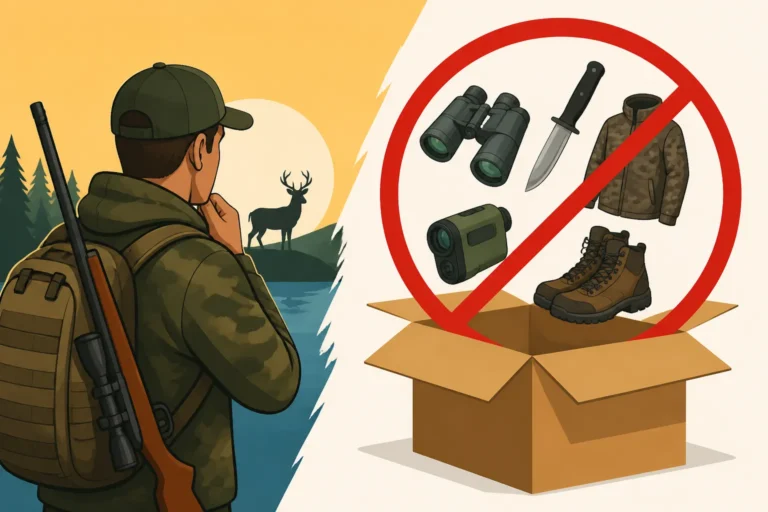
- Hunting Equipment: Your firearms or bow, ammunition, binoculars, rangefinder, treestands, ground blinds, calls, scents, and any other hunting accessories are, of course, your own to bring. Don't forget essentials like a compass, GPS, and a reliable map to navigate the local Hunting Ontario's Crown Land or private areas.
- Fuel and Supplies: If a boat is provided, you'll need to bring or buy your own gasoline. This also extends to propane for BBQ grills (if allowed), firewood (though some camps sell it), and cleaning supplies for the cabin.
- Hunting Strategy and Execution: This is entirely your domain. You'll scout, track, set up, and make all hunting decisions. You're responsible for understanding the local regulations, season dates, and specific rules for your Wildlife Management Unit (WMU).
- Game Processing and Meat Care: If you're successful, field dressing, quartering, and transporting your game back to camp falls to you. You'll need saws, knives, game bags, and knowledge of how to properly handle meat, especially in warmer conditions. Consider reading up on Meat Care in Ontario's Warm Early Seasons if you're hunting early in the season. You'll also need to know how to properly tag and report your harvest.
- Camp Maintenance: While the outfitter will clean the cabin between guests, basic daily tidiness, washing dishes, and taking out trash are your responsibilities. You're expected to leave the camp in reasonable order.
The Outfitter's Role in a Housekeeping Setup
It's important to clarify that "housekeeping" doesn't mean the outfitter is entirely hands-off. They still play a vital role, albeit a different one than a fully guided operation. Their primary function is to provide the facilities and a safe, accessible base for your hunt.
Typically, the outfitter will:
- Maintain the cabins: Ensuring they are clean, safe, and functional between guests.
- Provide initial orientation: They'll usually give you a rundown of the area, point out local hotspots, potential hazards, and offer general advice on current game activity. This local insight can be incredibly valuable, even if they aren't guiding you.
- Be a point of contact for emergencies: While you're self-reliant, a good outfitter will have emergency procedures in place and be available if something goes wrong. This is crucial when you're out in the remote bush.
- Offer additional services (sometimes): Some might rent additional equipment like ATVs, canoes, or extra boats. They might also arrange for float plane charters or shuttle services if their camp is particularly remote. Always inquire about these extra services and their costs in advance.
Think of them as your landlord and local expert combined. They ensure you have a comfortable place to stay and a starting point for your adventure, but the adventure itself is all yours.
The Advantages and Disadvantages for Hunters
Choosing a housekeeping camp is a significant decision that comes with its own set of trade-offs. It's not for everyone, but for the right group, it can be the perfect fit.
The Upsides: Freedom, Cost-Effectiveness, and Skill Building
There are many compelling reasons why hunters flock to housekeeping camps in Ontario:
- Unparalleled Freedom and Flexibility: This is perhaps the biggest draw. You set your own schedule, from wake-up calls to hunting times. You can change your plans on a whim, move hunting spots, or decide to sleep in if the weather turns foul. There's no pressure to adhere to a guide's agenda, allowing you to truly immerse yourself in the natural rhythm of the hunt. If you want to spend all day Hunting a Beaver Meadow Crossing or try a new tactic, you have that flexibility.
- Significant Cost Savings: Housekeeping camps are almost always more affordable than fully guided or American Plan hunts. By bringing your own food, doing your own cooking, and managing your own hunt, you cut out a substantial portion of the cost associated with paid services. This makes longer trips or more frequent trips more feasible for many hunters. You'll still need to factor in costs like Ontario Hunting Licences and What They Cost, but the base camp price is lower.
- Enhanced Skill Development: When you're solely responsible for scouting, tracking, calling, and strategizing, your hunting skills grow exponentially. You learn to read the land, understand game behaviour, and adapt to conditions in a way that often doesn't happen when a guide is doing all the heavy lifting. It's a fantastic way to become a more competent and confident hunter.
- Ideal for Experienced Groups: If you hunt with a tight-knit group of friends or family who are all capable and experienced, a housekeeping camp provides the perfect shared adventure. Everyone contributes, and the camaraderie around the camp stove after a long day in the bush is priceless.
- Authentic Wilderness Experience: There's something truly special about being self-sufficient in the Canadian wilderness. It connects you to the land in a deeper way, fostering a profound appreciation for nature and the hunting tradition. It often feels more like a true expedition than a commercial hunt.
The Downsides: Workload, Inexperience, and Potential Risks
However, it's not all campfire stories and filled tags. There are definite challenges that come with the housekeeping model:
- Increased Workload and Planning: You're not just hunting; you're also cooking, cleaning, running camp logistics, and managing all your gear. This can be a lot of work, and it can eat into your actual hunting time. Someone in the group needs to be organized and prepared to take on these tasks.
- Not Ideal for First-Timers or Inexperienced Hunters: If you're new to big game hunting, unfamiliar with the species, or lack experience navigating large tracts of wilderness, a housekeeping camp can be overwhelming and even unsafe. There's no one there to teach you the ropes or bail you out if you get turned around. This is especially true if you haven't taken Ontario Hunter Education Requirements seriously.
- No Guaranteed Success (or Daily Guidance): While no hunt guarantees success, a guided hunt often provides a higher likelihood due to the guide's intimate knowledge and pre-scouting. In a housekeeping camp, success hinges entirely on your group's skill, preparation, and a bit of luck. You're fully accountable for finding game.
- Logistical Challenges for Remote Camps: If your camp is remote, accessible only by boat or float plane, the logistics of transporting all your food, gear, and possibly game meat can be complex and expensive. You'll need a solid Truck Kit for a Northern Ontario Hunt even for the drive in.
- Potential for Getting Lost or Injured: Without a guide, you and your group are solely responsible for your safety in the bush. This means carrying appropriate safety gear, knowing how to use it, and understanding what to do if you get lost. We have resources like What to Do If You Get Turned Around for a reason!
Is a Housekeeping Camp Right for Your Next Ontario Hunting Trip?
Ultimately, the decision to opt for a housekeeping camp depends on your personal preferences, experience level, and the dynamics of your hunting group.
Ideal Scenarios for Choosing a Housekeeping Camp
You're likely a great candidate for a housekeeping camp if:
- You're an experienced hunter (or your group is): You're comfortable with map and compass/GPS, understand game behaviour, and have a proven track record of finding and harvesting game independently.
- You enjoy the process of self-reliance: You find satisfaction in planning your own meals, cooking over a campfire, and managing all aspects of your trip. It's part of the adventure for you.
- You're on a budget: The cost savings are a major factor, allowing you to stretch your hunting dollars further.
- You prioritize flexibility and autonomy: You want the freedom to hunt where and when you want, without a fixed schedule. This is perfect for a group wanting to spend a day Hunting a Hardwood Ridge for Whitetails and then switch gears to check out Hunting a Fencerow Between Two Fields.
- You have a well-organized and cohesive hunting party: Everyone in your group is willing to pitch in with camp chores, scouting, and hunting efforts.
When to Consider Other Options
A housekeeping camp might not be the best choice if:
- You're a first-time hunter, especially for big game: The learning curve can be steep, and the guidance of an experienced professional is invaluable for safety, education, and success.
- You prefer convenience and comfort: If cooking and cleaning after a long day of hunting sounds like a chore rather than a part of the adventure, an American Plan or fully guided option might suit you better.
- You're unfamiliar with the hunting area or species: Without local knowledge, locating game and understanding patterns can be extremely challenging.
- You have physical limitations: Navigating dense bush, field dressing large game, and hauling supplies requires a certain level of physical exertion that might be better managed with assistance.
- Your group is prone to disorganization: A successful housekeeping hunt requires coordination and shared responsibility; if that's a struggle, it could lead to friction and a less enjoyable trip.
Planning Your Ontario Housekeeping Hunting Adventure
If you've decided a housekeeping camp is your ideal Ontario hunting experience, congratulations! Now comes the fun part: meticulous planning. The more prepared you are, the more enjoyable and successful your self-sufficient hunt will be.
Essential Preparations for a Smooth Hunt
Your preparations go far beyond just packing your rifle. Think of every detail, from the moment you leave home until you return.
- Detailed Meal Planning and Grocery Lists: This cannot be stressed enough. Plan every meal, snack, and drink. Consider non-perishable options, one-pot meals, and hearty breakfasts. Make a comprehensive grocery list and purchase as much as possible before you get to a remote area where selection might be limited and prices higher.
- Comprehensive Packing List: Beyond your hunting gear, think about camp life. This includes cooking utensils, dish soap, paper towels, trash bags, a cooler, ice, campfire tools, lighting (lanterns, headlamps), a first-aid kit, and emergency supplies. Don't forget bug spray, especially for early season hunts! For long stays, knowing How Long You Can Camp on Crown Land can help you plan supplies.
- Navigation and Communication Tools: Even if you have cell service (which you often won't in the deep bush), bring physical maps (topographical and WMU maps), a compass, and a reliable GPS device. Consider a satellite messenger or satellite phone for emergencies. Share your hunt plan with someone responsible back home.
- Game Care Supplies: Ensure you have sharp knives, a bone saw, game bags, rubber gloves, and a cooler large enough for your anticipated harvest. If you're after something big like moose, multiple coolers and extra ice might be needed.
- Vehicle Preparedness: Ensure your vehicle is in top shape, especially if you're driving on remote logging roads. A spare tire, tire repair kit, jumper cables, extra fuel, and basic tools are a must.
- Understand Ontario Regulations: Before you go, thoroughly review the current Ontario Hunting Regulations Summary. Understand your specific WMU's rules, bag limits, and any special requirements. Planning an Ontario Hunting Trip involves a deep dive into these rules.
Researching Your Camp and WMU Thoroughly
Don't just pick a camp out of a hat. Do your homework.
- Scrutinize Camp Details: Read reviews, look at photos, and directly ask the outfitter specific questions about what's included and what's not. Ask about water quality, heating, availability of hot showers, and whether linens are provided.
- Study Your WMU: Get detailed maps of the Wildlife Management Unit you'll be hunting. Look for natural features like hardwood ridges, cedar swamps, beaver ponds, and old logging cuts where game might concentrate. Understand the access points, road conditions, and whether you'll be hunting Crown Land or private land. This pre-scouting is crucial for independent hunting, whether you're looking for Hunting an Ontario Bush Lot You Just Got or expansive public access.
- Talk to the Outfitter: A good outfitter will be happy to answer your questions and provide insights into the local hunting conditions, recent game sightings, and preferred tactics for the area. This isn't guiding, but helpful local intelligence that can jumpstart your efforts.
| Feature | Housekeeping Camp | American Plan Camp | Fully Guided Hunt |
|---|---|---|---|
| Accommodation | Cabin/cottage, self-catered | Cabin/lodge, meals provided | High-quality lodge/cabin, all meals provided |
| Meals | You buy, cook, and clean your own | Prepared by camp staff, communal dining | Prepared by camp staff, often in-field lunches |
| Hunting Guidance | Self-guided, outfitter provides basic info | Self-guided, outfitter provides basic info | Professional guide leads every aspect of the hunt |
| Equipment | Bring your own (or rent some from outfitter) | Bring your own, some camp gear available | Outfitter provides significant gear (boats, blinds) |
| Hunter Responsibility | High: all aspects of hunt & camp life | Medium: hunt strategy, some camp prep | Low: focus on hunting, guide handles most logistics |
| Cost | Lowest | Moderate | Highest |
| Ideal For | Experienced, self-reliant hunters/groups on a budget | Hunters seeking comfort, still want to self-hunt | First-timers, high success focus, ultimate convenience |
| Learning Curve | Steep, great for skill building | Moderate, still requires personal hunting skills | Gentle, guide teaches and assists |
Embracing the housekeeping camp experience in Ontario means embracing the adventure, the challenges, and the immense satisfaction of a truly self-made hunt. It's an unforgettable way to connect with the wilderness and create lasting memories with your hunting partners.
Disclaimer
This article is for general informational purposes only and does not constitute professional advice. Laws, prices and regulations vary by location and change over time. Consult a qualified professional for guidance on your specific situation.