Guided Hunts for Hunters From the States
If you're an American hunter dreaming of the vast wilderness and incredible game opportunities that Ontario offers, you're not alone. Many hunters from the States eye our expansive forests and bountiful waters for everything from giant moose to abundant waterfowl. However, the process of planning a hunt across the border can feel a bit daunting, with different regulations, currency, and travel logistics. This guide is here to walk you through why a guided hunt might be your best bet for a successful and stress-free adventure north of the border.
Why Ontario is a Top Destination for US Hunters
Ontario really does hold a special appeal for hunters coming up from the United States. We're talking about a province that’s larger than many US states combined, with an incredible diversity of landscapes and wildlife that can be hard to match. It’s not just about the numbers; it’s about the experience of hunting in genuinely wild country.
Abundant Wildlife and Diverse Habitats
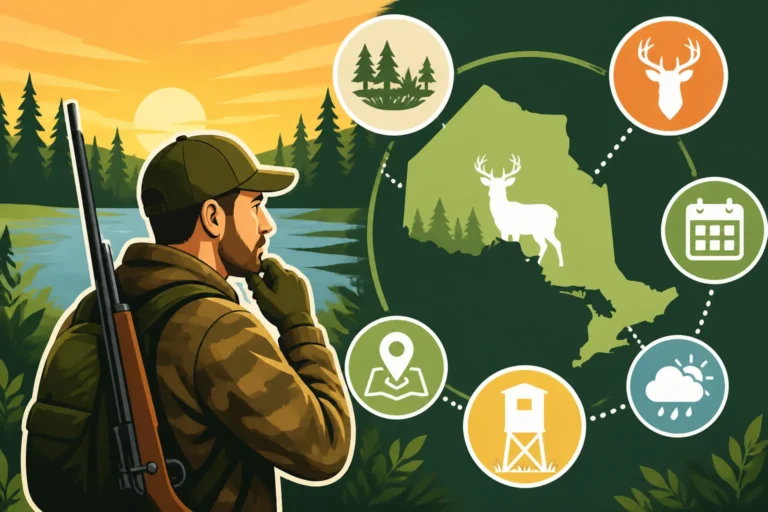
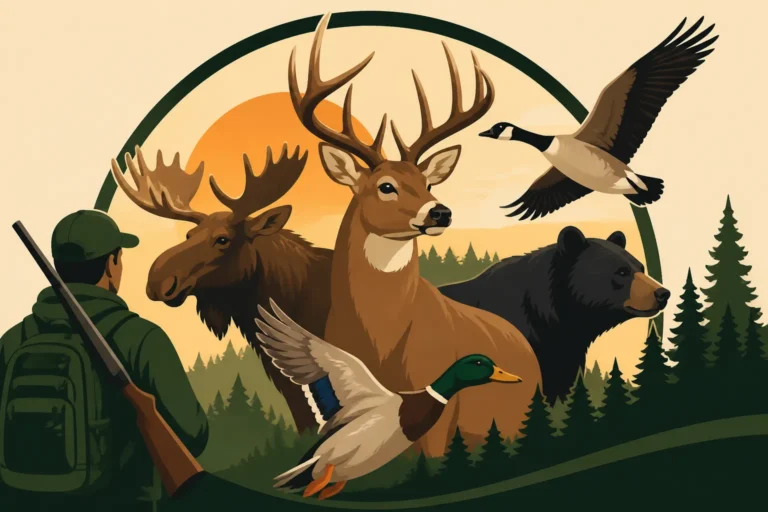
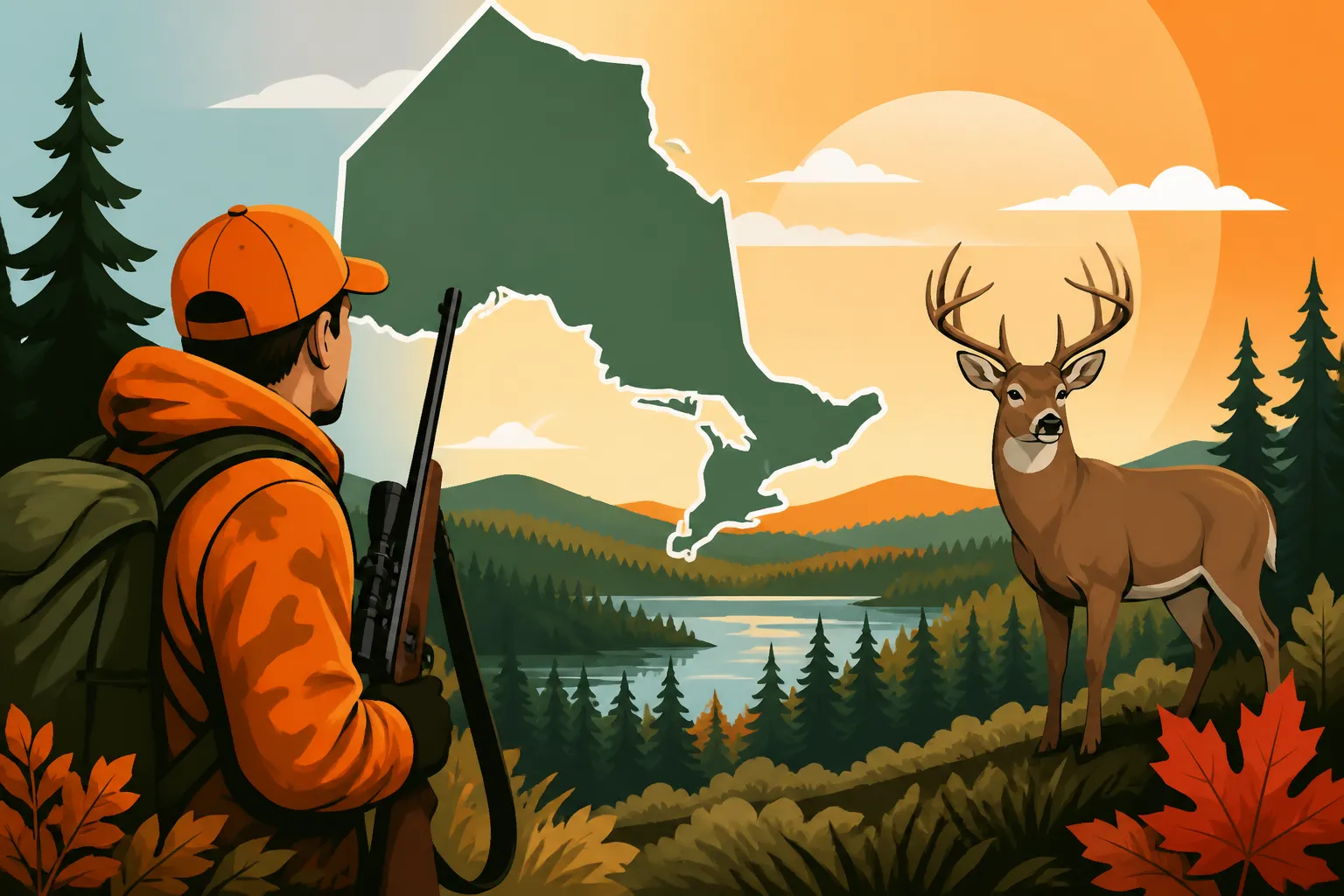
When you look at a map of Ontario, you quickly realize how much wild space there is. This translates directly into healthy populations of game animals. For many American hunters, the allure of our Moose in Ontario's Boreal Forest is incredibly strong. These magnificent animals roam vast tracts of northern bush, offering a truly iconic big-game experience. But it's not just moose; our White-Tailed Deer Across Ontario are sought after, especially the larger-bodied bucks found further north, and our Black Bears Across Ontario's Bush Country are plentiful, often presenting excellent opportunities for those looking for a challenging hunt. Beyond big game, Ontario boasts incredible bird hunting for Ontario's Upland Birds and Where They Live like ruffed grouse, and phenomenal Ontario's Ducks and Geese by Flyway hunting, especially along the Great Lakes. The sheer variety means you can often tailor a hunt to exactly what you're looking for, whether it's the thrill of calling a bull moose or sitting in a blind for ducks.
This isn't your average suburban woodlot hunting. We have ancient forests, sprawling wetlands, rocky Canadian Shield country, and productive agricultural fields, each presenting unique hunting scenarios and holding different species. The sheer scale means that even during busy seasons, you can often find solitude and feel truly immersed in nature, a feeling that can be harder to come by in more densely populated areas down south. Imagine tracking a deer through a fresh snowfall in an untouched hardwood ridge, or waiting for a bear over bait in the quiet solitude of the boreal forest. It’s an experience that draws hunters back year after year.
Accessibility and Natural Beauty
Despite its wild nature, much of Ontario is surprisingly accessible from many parts of the northern US. Major border crossings are straightforward, and a network of highways can get you to many prime hunting regions. You can be driving through bustling cities one moment and then, just a few hours later, find yourself deep in the quiet Canadian wilderness. This blend of accessibility and raw, untamed beauty is a big part of Ontario's charm. The journey itself often feels like an adventure, transitioning from urban sprawl to towering pine forests and crystal-clear lakes.
The natural beauty alone is worth the trip for many. Our hunting experiences aren't just about the harvest; they're about being surrounded by breathtaking landscapes. Picture crisp fall mornings with mist rising off a northern lake, or the vibrant colours of autumn foliage painting the hillsides. Many hunters discover that even if the hunting is tough, the sheer joy of being in such a pristine environment is reward enough. Whether you're driving in or opting for a more remote fly-in camp, the scenery provides a stunning backdrop to your adventure, making memories that last far longer than any specific shot.
Navigating the Unique Rules for Non-Residents
Okay, let's talk about the elephant in the room: crossing the border and dealing with unfamiliar regulations. It can feel like a maze, and that's a common frustration we hear from American hunters. But don't let it deter you! With the right information, it's totally manageable, especially if you consider a guided hunt.
Understanding Licences and Permits
As a non-resident, the first hurdle is ensuring you have all the correct documentation to legally hunt in Ontario. This isn't just about buying a tag; it starts with an Ontario Outdoors Card, which acts as your primary hunting ID. From there, you'll need specific hunting licences and game tags for the species you intend to pursue, whether it's a Ontario Black Bear Licence Cost or a What a Non-Resident Moose Licence Costs. The rules around these can vary significantly from what you're used to back home, especially regarding draw systems for certain species like moose or elk. For instance, non-residents generally access moose tags through licensed tourist outfitters who are allocated tags, rather than directly applying through the provincial draw system like residents.
It's crucial to understand these distinctions well in advance of your trip. There are also specific requirements regarding hunter education, though recognized US hunter safety courses are generally accepted. Always ensure you check the most current regulations for non-residents before you even start packing your bags. This due diligence is paramount to avoid any issues upon arrival. A guided outfitter will be an invaluable resource here, often handling the licence acquisition process or at least clearly instructing you on the steps, which removes a huge layer of stress. You can find more details on general requirements in Rules for Non-Residents Hunting Ontario and Ontario Non-Resident Licence Options.
Firearms and Border Crossing Realities
Bringing firearms across an international border is often one of the biggest anxieties for American hunters. You can absolutely bring your hunting rifle or shotgun into Ontario, but there's a strict process involved. You'll need to declare your firearms at the Canadian border crossing and complete a Non-Resident Firearm Declaration (form CAFC 909 EF). This form basically registers your firearm for your stay and acts as a temporary licence. While not overly complicated, any error or omission can lead to significant delays, or worse, your firearms being denied entry.
My advice? Have all your paperwork meticulously prepared, printed, and ready to present. Understand the specific rules for your type of firearm – certain handguns and semi-automatic rifles might be prohibited here, so always double-check. Don't assume what's legal in your state is legal here. For a deeper dive, check out Crossing the Border With a Rifle and The Non-Resident Firearm Declaration. This part of the journey is where many hunters get hung up, and it's a prime example of where an experienced outfitter can offer guidance, often providing pre-filled forms or clear instructions on what to expect. They know the drill and can help ensure a smooth crossing so you can focus on the hunt ahead.
The Benefits of a Guided Hunt for American Visitors
Given the unique challenges and vastness of Ontario, many American hunters find that booking a guided hunt is not just a convenience, but often the key to a successful and enjoyable experience. It really does take a lot of the guesswork out of an international trip.
Local Expertise and Scouting
Imagine arriving in a vast, unfamiliar wilderness. How do you find the game? Where are the trails? What are the local patterns of movement? This is where an Ontario hunting guide truly shines. They live and breathe the local environment, often spending countless hours scouting long before the season even begins. They know the hidden beaver ponds where moose feed, the prime ridgetops for whitetails, and the preferred berry patches for bears. Their knowledge extends to current conditions – recent weather, changes in food sources, and how game is responding.
This local expertise isn't just about finding animals; it's about safety and efficiency. They know the terrain, the quickest routes, and the potential hazards. This means less time wasted blindly wandering and more time in productive areas, increasing your chances of success. They've already done the hard work of scouting, setting up stands, or establishing bait sites, allowing you to step right into a prime hunting situation. Whether you're after a big bull on a Booking an Ontario Moose Hunt or a trophy bear on a Booking an Ontario Black Bear Hunt, their insight is priceless.
Logistics and Comfort in the Bush
Beyond finding game, a guided hunt fundamentally simplifies the entire logistical nightmare of a wilderness hunt. Think about it: food, lodging, transportation within the hunting area, game retrieval, even basic camp comfort. If you're coming from out of state, hauling all your gear, setting up camp, navigating unfamiliar roads, and dealing with potentially remote locations can be overwhelming. Outfitters typically provide comfortable camps, hearty meals, and all the necessary equipment for getting around, whether it's ATVs, boats, or bush planes for fly-in camps.
This logistical support means you can focus entirely on the hunt and enjoying your time in nature. You're not worrying about cooking dinner after a long day in the bush, or wondering how you'll get a downed animal out of a remote swamp. Your guide handles these details, often providing invaluable services like field dressing, quartering, and transporting your harvest back to camp. This level of service transforms a potentially arduous trip into a true vacation, allowing you to relax and fully immerse yourself in the Ontario hunting experience. Some outfits even offer specific packages for Ontario Combination Hunt Packages if you're looking to target multiple species.
Choosing the Right Ontario Outfitter
Finding the perfect outfitter is crucial for a successful guided hunt, and it's something you should approach with careful consideration. Not all outfitters are created equal, and what works for one hunter might not work for another.
Vetting Outfitters and Asking the Right Questions
When you're looking for an outfitter, it's important to do your homework. Start by checking their references and reviews. Platforms like BookYourHunt or GoHunt can be good starting points for discovering outfitters and seeing what other hunters have experienced. Don't just rely on pretty pictures on a website; talk to past clients. Ask about their overall experience, the guide's professionalism, the quality of the accommodations, and the honesty of the advertising. A reputable outfitter will be happy to provide contact information for references.
When you speak to an outfitter, ask detailed questions. What's included in the package? Are licences and tags separate? What is the hunter-to-guide ratio? What happens if the weather turns bad or there's an emergency? Discuss their typical hunting methods and what kind of physical exertion is expected. Are they offering a Housekeeping Camp Actually Means or a full American Plan? Be clear about your expectations and ensure they align with what the outfitter provides. Understanding these details upfront can prevent misunderstandings and ensure your hunt is as enjoyable as possible.
Package Types and Inclusions
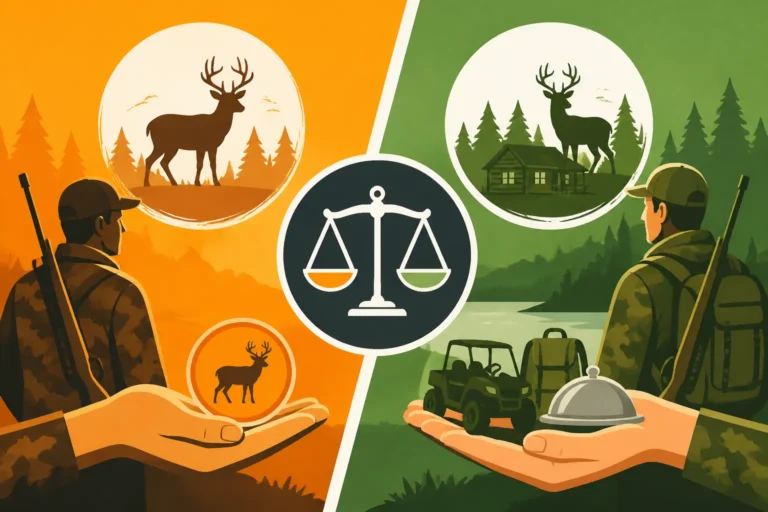
Ontario outfitters offer a wide range of packages, from fully inclusive "American Plan" trips where everything from meals to guiding is handled, to more budget-friendly "housekeeping" or "semi-guided" options. A full package might include meals, lodging, transportation in the field, guiding services, and even initial game processing. These are often ideal for non-residents who want a completely hands-off experience. Housekeeping camps, on the other hand, might provide lodging and access to hunting areas, but you're responsible for your own cooking and often some of the in-field logistics, which can be a good option if you enjoy a more DIY approach but still want access to private land or an outfitter's tag allocations.
| Package Type | Description | Ideal For Non-Residents Who… |
|---|---|---|
| American Plan (Full Service) | All-inclusive: lodging, meals, guide, in-field transportation, game handling, some may include initial licences/tags. | Want a completely stress-free experience, first-time hunters, or those seeking maximum comfort and support. |
| Housekeeping | Lodging provided, but hunters manage their own meals, cooking, and sometimes in-field transportation. Guide might be extra or part-time. | Enjoy cooking, prefer some independence, or are looking for a more budget-friendly option with good access. |
| Semi-Guided | Some guidance/orientation, maps, advice, and access to areas, but hunters are largely responsible for their own hunting strategy and execution. | Have some experience, are comfortable navigating, but appreciate local insights and access to prime ground. |
| Drop Camp (if offered) | Basic tent camp or cabin dropped into a remote area; no guide, self-sufficient hunters, often fly-in. | Are highly experienced, self-reliant, adventurous, and want a truly wilderness experience. |
Beyond the basic inclusions, ask about specific services like meat processing, taxidermy arrangements, or assistance with Getting a Non-Resident Export Permit for your trophy. These seemingly small details can become major headaches if not planned for. Don't forget to inquire about How Much to Tip an Ontario Guide so you can budget appropriately.
Planning Your Trip: Beyond the Hunt Itself
Your guided hunt isn't just about the days you spend in the bush; it's about the entire journey. Thinking through the travel, accommodation, and post-hunt logistics will make your experience seamless.
Travel and Accommodation Considerations
When you're travelling from the United States to Ontario for a hunt, you'll likely have a substantial amount of gear: hunting clothes, optics, personal items, and potentially your firearms and ammunition. If you're flying, be sure to meticulously check airline regulations regarding firearms and ammunition, which are often even stricter than border crossing rules. Many hunters prefer to drive, allowing them to bring more gear and have their own vehicle for flexibility. Consider driving distances and potential overnight stops, especially if your destination is deep in northern Ontario. Factor in the time needed for border crossing – it can sometimes take longer than expected, especially during peak travel times.
It's also wise to consider pre- and post-hunt accommodations. If your hunt requires flying into a regional airport and then driving or taking a float plane further, you might need a hotel stay the night before or after. Your outfitter might offer assistance with these arrangements or recommend places. Remember that many remote camps will have limited or no cell service, so plan for communication outages. Having a satellite messenger or GPS device for emergencies is a smart idea, even with a guide, as highlighted in Emergency Plans in Ontario's North.
Trophy and Meat Handling Across the Border
Congratulations, you've harvested an animal! Now comes the next logistical challenge: getting your meat and trophy home. Ontario has specific rules for tagging and transporting harvested game, including requirements for Evidence of Sex Requirements on certain animals. Your outfitter will be well-versed in these and assist with proper tagging and field dressing. For meat, many outfitters have facilities for cold storage or can direct you to local butchers for professional processing. This is where the choice of outfitter really pays off, as they often have established relationships with local services.
For trophies (antlers, hides, capes), you'll need an export permit to take them across the border. This permit confirms that the animal was legally harvested. Your outfitter should be able to help you acquire this or tell you exactly where to get it. When crossing back into the US, you'll need to declare your game to US Customs and Border Protection and potentially to the US Fish and Wildlife Service, especially for certain species or parts. Ensuring all your paperwork is in order and your game is properly prepared (e.g., cleaned, deboned, caped) will make the re-entry process smooth. It's a lot of paperwork, but totally manageable when you know what to expect.
Disclaimer
This article is for general informational purposes only and does not constitute professional advice. Laws, prices and regulations vary by location and change over time. Consult a qualified professional for guidance on your specific situation.