Questions to Ask Before Booking
Booking an Ontario hunting trip can feel like a massive undertaking, filled with exciting possibilities but also a heap of unknowns. You're investing your hard-earned money and precious vacation time, and the last thing you want is to show up unprepared or, worse, find out the hunt isn't what you expected. This guide is here to cut through the confusion, offering a comprehensive list of crucial questions to ask any outfitter before you commit, ensuring your Ontario hunting adventure is everything you dreamed of.
Understanding the Hunt Details and Expectations
Before you even start talking about price, you need to understand the fundamental nature of the hunt itself. What are you actually signing up for? This goes beyond just the animal; it's about the experience, the methods, and what a "successful" hunt truly looks like in that particular operation.
Species, Seasons, and Bag Limits
First and foremost, confirm the specific species you'll be hunting. While this might seem obvious, some outfitters offer multi-species hunts, and you'll want clarity on which animals are the primary focus and which are secondary opportunities. Dig into the specific season dates for your chosen hunt. Is it early season archery, peak rut with a rifle, or a late-season muzzleloader hunt? Each offers a vastly different experience and potential for success. For example, a Bowhunting Ontario's Long Archery Season will have different considerations than a late November rifle hunt.
Beyond the season, clarify the bag limits and tag requirements. Will you be hunting for a bull moose or is it an antlerless tag? If you're targeting deer, is it a buck-only tag, or is there an opportunity for an antlerless deer if you secure a validation? Some outfitters operate on specific tag allocations, especially for species like moose, where they hold tags that you then use. Understand if the tag is secured as part of your package or if it's something you need to apply for independently and bring with you. For residents and non-residents alike, understanding Ontario Hunting Licences and What They Cost is paramount.
Expected Success Rates and Hunt Style
No outfitter can guarantee a kill, and if they do, that's a huge red flag right there. However, a reputable outfitter should be able to provide honest, realistic success rates from previous seasons. Ask about the average success rate, and also inquire about the opportunity rate—meaning how often hunters are seeing the target animal or getting a shot opportunity. There's a big difference between a 70% success rate (animals taken) and a 90% opportunity rate (animals seen, but not always harvested).
Next, discuss the hunting style. Will you be sitting in a ground blind over a bait, still-hunting through thick bush, calling from a canoe, or doing deer drives? Each method requires different skills, gear, and physical conditioning. For a black bear hunt, for instance, you'll want to know if you're Baiting Black Bear in Ontario or spot-and-stalk hunting. If it's a spot-and-stalk moose hunt, how much walking is involved? Are you hiking rugged terrain, or is it more accessible via ATV or boat? Understanding the daily routine and effort involved helps you prepare adequately, both mentally and physically.
Physical Demands and Gear Recommendations
Ontario's diverse landscapes, from dense boreal forest to rugged Canadian Shield country and expansive agricultural fields, mean that physical demands can vary wildly. Don't be afraid to ask about the typical terrain you'll be navigating. Will you be climbing hills, slogging through swamps, or walking logging roads? This directly impacts the type of footwear and clothing you'll need.
Inquire about any specific gear requirements or recommendations. Do they suggest a particular calibre for big game, or certain broadhead weights for archery hunts? What clothing layers are essential for the expected weather? Will you need specialized optics, a rangefinder, or a GPS unit? A good outfitter should have a comprehensive gear list and be able to tell you what to expect. For example, if you're planning a Moose Hunting Ontario's Northern Bush trip, warm, waterproof gear is a must, and they'll likely have specific suggestions for packing for remote conditions.
Decoding the Outfitter Package
Once you have a clear picture of the hunt itself, it's time to delve into the nitty-gritty of what your package actually includes. This is where hidden costs or misunderstandings often arise, so clarity is king.
What's Included and Excluded
This is arguably the most critical set of questions. Get a detailed breakdown of everything covered by the package price. This should typically include things like guiding services, accommodation, meals, and in-field transportation. But don't assume anything. Ask specifically:
- Are hunting licences and tags included, or do you need to purchase them separately?
- Does "guiding" mean one-on-one, or will you be part of a larger group with a single guide? For complex hunts like moose, you'll want to know How an Ontario Moose Hunt Party Works.
- Are firearms or bows provided, or do you need to bring your own? If you're a non-resident, remember the specific rules for Bringing Firearms Into Ontario.
- What about field dressing, caping, and quartering of your animal? Is this included, or is there an extra charge?
- Is initial meat care, such as transport to a butcher or cold storage at camp, part of the service?
Equally important are the exclusions. What isn't included? Common exclusions might be airfare to Ontario, travel to the outfitter's camp, taxidermy, meat processing fees, gratuities, or specific personal gear. Having a clear understanding prevents sticker shock later on.
Accommodation and Meals
Describe the typical accommodations. Will you be staying in a rustic cabin, a comfortable lodge, a tent camp, or perhaps a hotel? Ask about sleeping arrangements – private rooms, bunk beds, or shared spaces? If you have any specific needs, like accessibility or dietary restrictions, this is the time to bring them up.
Similarly, inquire about meals. Are they fully catered with a camp cook, or is it a "housekeeping" style where you're responsible for your own cooking? If meals are provided, what kind of food can you expect? Are snacks and drinks included in the field? For remote Ontario's Fly-In Hunting Camps, meal planning and provisions are crucial, as resupply isn't easy. Understanding the standard fare helps you plan for any additional food items you might want to bring to supplement your diet.
Transportation and Logistics in the Field
How will you get to and from the hunting areas each day? Will it be by truck, ATV, boat, or on foot? What kind of distances are typically covered? For hunts in vast areas like Northwestern Ontario, transportation can be a major factor in accessing prime spots. If you're heading deep into the bush, clarity on Hunting an Old Logging Road in the North or using ATVs is important.
Also, ask about transportation for your harvested animal. If you get a moose deep in the bush, how will it be retrieved? Do they use ATVs, Argos, horses, or will it be a manual pack-out? This directly ties into the physical demands and the overall logistics of getting your trophy and meat out. Knowing the process ahead of time can significantly reduce stress if and when you're successful.
Vetting Your Potential Guide or Outfitter
Trust is paramount when booking a guided hunt. You're entrusting your safety, your time, and your money to this operation. Taking the time to properly vet them is non-negotiable.
Experience and References
Ask about the outfitter's experience. How long have they been in business? How long have the guides typically worked for them? What is their specific experience with the species you're targeting in that particular area? A long-standing operation with seasoned guides often indicates a professional and well-run business.
Crucially, ask for references. Request contact information for recent clients, ideally within the last one to two years, who hunted the same species and type of trip you are interested in. When you call these references, ask specific questions: Was the hunt as advertised? Were the guides knowledgeable and professional? How was the food and accommodation? Would they recommend this outfitter, and why or why not? Websites like BookYourHunt can provide aggregated reviews, but direct references offer a more personal, in-depth perspective.
Licensing and Insurance
Every reputable outfitter in Ontario operates with proper licensing. Ask to see proof of their outfitter licence and any specific permits required for their operation (e.g., Crown land permits, moose tag allocations). For Rules for Non-Residents Hunting Ontario, it's vital to ensure your outfitter is legitimate.
Furthermore, inquire about their insurance coverage. Do they carry liability insurance? While accidents can happen, knowing that the outfitter has adequate coverage offers a layer of protection for both you and them. This also speaks to their professionalism and commitment to safe practices.
Guide-to-Hunter Ratio and Philosophy
What is the typical guide-to-hunter ratio? Is it one guide for every hunter (1:1), one guide for two hunters (1:2), or a larger group? A lower ratio generally means more personalized attention and a better chance for individual success, especially for challenging hunts.
Ask about their hunting philosophy. Are they focused strictly on trophy animals, or is meat harvest equally important? Do they prioritize fair chase principles? Understanding their approach helps ensure it aligns with your own values and expectations for the hunt. For instance, some operations might be more aggressive in their pursuit, while others might focus on a more relaxed, immersive experience. Knowing this beforehand ensures you're on the same page.
Navigating Costs and Payment
Money talk can be uncomfortable, but it's essential to be absolutely clear on all financial aspects before you sign anything. This section aims to prevent any nasty surprises down the line.
Understanding the Pricing Structure
Beyond the initial package price, inquire about any additional mandatory costs. Are there taxes, conservation fees, or processing charges that will be added to the bill? Will a non-resident need to purchase a Non-Resident Crown Land Camping Permit if staying on Crown land? Some outfitters might have different pricing for residents versus non-residents, or for specific hunt durations.
Ask about the currency accepted and payment methods. Are prices quoted in Canadian or US dollars? Do they accept credit cards, bank transfers, or only cash? It's important to clarify exchange rates if paying in a foreign currency, as these can fluctuate and impact your final cost. Having a clear understanding of What an Ontario Guided Hunt Costs means looking beyond just the base price.
Deposit, Cancellation, and Refund Policies
Understanding the deposit requirements and timeline is crucial. How much is due upfront, and when is the final payment expected? What happens if you need to cancel? What is their policy on refunds, or transferring deposits to a future date? Life happens, and unforeseen circumstances can arise, so a clear cancellation policy is your financial safeguard.
Equally important, what happens if the outfitter has to cancel the hunt due to unforeseen circumstances (e.g., wildfires, extreme weather, health issues, changes in regulations)? Will you receive a full refund, or a credit for a future hunt? Get these policies in writing, ideally as part of a formal booking agreement, to avoid any disputes later.
Additional Costs and Gratuities
As mentioned earlier, identify all potential additional costs. These might include trophy fees for larger-than-average animals, unforeseen fuel surcharges, or costs for services like meat processing or taxidermy. Many hunters also plan for personal spending money for souvenirs, drinks, or unexpected expenses.
Tipping guides and camp staff is customary in the hunting industry, and Ontario is no exception. Ask about their suggested gratuity guidelines. This helps you budget appropriately and avoids an awkward situation at the end of your trip. Outfitters are usually happy to explain How Tipping Works on a Guided Hunt, as it’s an important part of their team's compensation.
Preparing for Your Ontario Adventure
Once you've chosen your outfitter and booked your trip, the preparation begins. This final set of questions focuses on the practicalities of travel, legal requirements, and ensuring a safe and successful hunt.
Permits, Licences, and Border Crossings
Beyond your hunting licence and tag, are there any other permits or documents you need? For non-residents, specifically from the US, inquire about the process for crossing the border with firearms. You'll need to fill out a Non-Resident Firearm Declaration Form, and the outfitter should be able to guide you on this process or provide resources.
Confirm how your hunting licence and tags will be obtained. Will the outfitter handle this, or do you need to purchase your Ontario Outdoors Card Explained and licences online through Ontario's licensing portal before you arrive? Understand the timelines for application and receipt of these documents to avoid any last-minute scramble.
Meat Care and Trophy Handling
A successful hunt often means bringing home meat and possibly a trophy. Ask about the outfitter's standard procedures for meat care in the field. How is the meat handled immediately after the kill to ensure quality, especially during Meat Care in Ontario's Warm Early Seasons? Is there refrigeration or freezer space at camp?
If you plan to take your meat to a local butcher, does the outfitter have recommendations or existing arrangements? What about trophy handling? If you harvest an animal you wish to have mounted, will the outfitter cape and prepare the skull for transport to a taxidermist? If you're traveling internationally, discuss the regulations and permits required for Taking Meat and Antlers Across the Border.
Safety Protocols and Emergency Plans
Safety should always be a top priority. Inquire about the outfitter's safety protocols. What are their rules regarding firearms in camp or in the field? What communication methods are available in remote areas (e.g., satellite phones, two-way radios)? Cell Service at an Ontario Bush Camp can be spotty, so other communication methods are vital.
Ask about their emergency action plan. What happens if a hunter gets injured in the field? What are their procedures for medical emergencies or lost hunters? Knowing they have clear, well-rehearsed plans in place provides immense peace of mind. A reputable outfitter like those listed on GoHunt will prioritize safety and be transparent about these measures.
A Checklist of Essential Questions
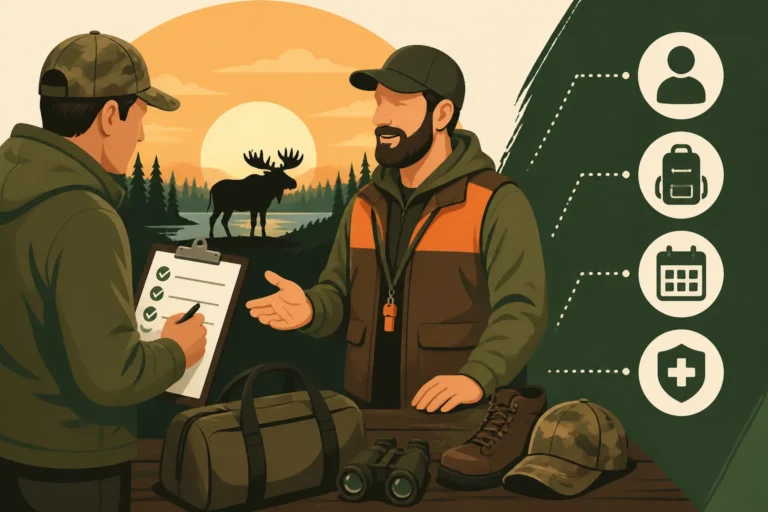
To help you organize your thoughts and ensure you cover all bases, here’s a handy checklist of questions to ask before booking your next Ontario hunting adventure.
| Category | Key Questions to Ask |
|---|---|
| Hunt Details | – What species are we hunting? Specific season dates? Bag limits? |
| – What are your typical success/opportunity rates for this hunt? | |
| – Describe the hunting style (e.g., bait, stalk, calling, drives). | |
| – What are the physical demands? Terrain? | |
| – What gear do you recommend/require (e.g., firearm calibre, clothing, optics)? | |
| Package Inclusions | – What exactly is included in the package price (guiding, accommodation, meals, transportation)? |
| – What is not included (licences, tags, processing, taxidermy, gratuities, personal travel)? | |
| – What are the accommodations like (cabin, lodge, tent)? Sleeping arrangements? | |
| – What kind of meals are provided? Any dietary accommodations? | |
| – How is in-field transportation handled (truck, ATV, boat)? | |
| Outfitter Vetting | – How long have you been operating? Guide experience? |
| – Can you provide references from recent clients for this specific hunt? | |
| – Are you properly licensed and insured in Ontario? | |
| – What is the guide-to-hunter ratio? What is your general hunting philosophy? | |
| Financials | – What is the total cost, including all mandatory fees and taxes? |
| – What currency is accepted? Payment methods? | |
| – What are the deposit requirements and payment schedule? | |
| – What is your cancellation and refund policy (for both client and outfitter cancellations)? | |
| – What are the expected gratuity guidelines? | |
| Preparation & Safety | – What licences/permits do I need to get before arrival? |
| – What is the process for non-residents bringing firearms across the border? | |
| – How is game meat handled in the field and at camp? Butcher recommendations? | |
| – What are the procedures for trophy preparation and international transport? | |
| – What are your safety protocols? Communication methods in remote areas? | |
| – What is the emergency action plan for injuries or lost hunters? |
By asking these detailed questions, you'll gather all the information you need to make an informed decision and embark on your Ontario hunting trip with confidence, ready for the adventure ahead.
Disclaimer
This article is for general informational purposes only and does not constitute professional advice. Laws, prices and regulations vary by location and change over time. Consult a qualified professional for guidance on your specific situation.