How to Vet an Ontario Outfitter
Venturing out for a guided hunt in Ontario can be the adventure of a lifetime, but the excitement can quickly turn to frustration if you don't choose the right outfitter. Many hunters experience the disappointment of a poorly organized trip, unexpected costs, or even safety concerns because they didn't properly vet their guide. This guide is here to walk you through a thorough process, ensuring you find a reputable Ontario outfitter that matches your hunting aspirations and provides a safe, enjoyable, and successful experience.
Why Vetting an Outfitter is Absolutely Crucial for Your Hunt
Booking a guided hunt isn't like buying a new pair of boots; it's a significant investment of your hard-earned money, precious vacation days, and often, years of dreaming and planning. You're entrusting a complete stranger, or a team of them, with your safety, your success, and your overall experience in the wild. Skimping on the vetting process can lead to everything from minor inconveniences to major disappointments, or even dangerous situations.
Avoiding Common Pitfalls and Disappointments
Imagine arriving at a remote camp only to find it's not what was advertised, or realizing your guide has vastly different expectations for your physical abilities or hunting style. These are common stories among hunters who booked without digging deep. Maybe the food isn't what you expected, or the equipment is subpar, or the promised "trophy area" turns out to be heavily pressured. These small things can chip away at the experience.
A lack of proper vetting can also mean you end up with an outfitter who overbooks, leading to crowded hunting areas or guides spread too thin. You might find yourself sharing a blind you thought was private, or waiting longer for transportation than you anticipated. These are the kinds of disappointments that can sour an otherwise beautiful trip into the Ontario wilderness.
Ensuring Safety and a Legal Hunt
Safety should always be paramount on any hunting trip, and a reputable outfitter prioritizes it above all else. This means well-maintained vehicles, safe hunting blinds or stands, knowledgeable guides who understand first aid, and strict adherence to all hunting regulations. An unvetted outfitter might cut corners, putting you at risk in unfamiliar terrain or with potentially dangerous equipment.
Furthermore, you need to ensure your hunt is entirely legal. Ontario has specific rules regarding licencing, tags, and hunting methods, and an outfitter must operate within these guidelines. An unscrupulous outfitter might inadvertently, or even deliberately, put you in a situation where you are hunting illegally, which can lead to hefty fines, loss of equipment, and even criminal charges. Always confirm they are properly licenced as a tourist outfitter and understand all the local regulations for the specific Wildlife Management Unit (WMU) you'll be hunting.
Protecting Your Investment of Time and Money
Let's face it, guided hunts, especially in a place like Ontario with its vast wilderness and diverse game, are not cheap. You're likely saving up for months, if not years, for this experience. Beyond the financial outlay, you're dedicating a significant chunk of your personal time, often sacrificing other commitments. A poorly chosen outfitter can make all that investment feel wasted.
Think about it: if you book a week-long moose hunt and the outfitter consistently drops you in areas with no sign, or the camp conditions are so poor you can't get a good night's rest, your chances of success and enjoyment plummet. Your money is gone, and so is that precious week of hunting. Taking the time to properly vet an outfitter is your best defence against buyer's remorse and ensures you get the experience you paid for.
Starting Your Search: Where to Look for Reputable Outfitters
Finding an outfitter in Ontario can feel overwhelming, like looking for a needle in a haystack, especially with so many options out there. The key is to start with reliable sources that have a vested interest in connecting you with legitimate operations. Don't just jump on the first Google search result that pops up; take a strategic approach.
Leveraging Online Resources and Directories
The internet is a powerful tool for initial research. Websites like BookYourHunt and GoHunt are fantastic starting points, as they often feature a curated list of outfitters with detailed profiles, photos, and, crucially, reviews from past clients. These platforms offer a level of transparency that's hard to find otherwise, allowing you to compare services, locations, and pricing models side-by-side. You can filter by species, region, and hunt style, which streamlines the initial selection process significantly.
Beyond dedicated hunting platforms, look for official tourism websites for Ontario or regional tourism boards. These sites often list licenced outfitters and sometimes even have specific hunting sections. Be cautious of outfitters that only have a bare-bones website or a social media page with minimal activity. A professional online presence usually indicates a professional operation. Remember to check multiple sources and not rely on just one.
The Power of Personal Referrals and Word-of-Mouth
Before the internet, word-of-mouth was the way to find a good outfitter, and it's still incredibly valuable today. Talk to friends, family, or fellow hunters at your local club who have hunted in Ontario. A personal recommendation from someone you trust carries a lot of weight because they've experienced the outfitter firsthand. They can tell you about the guide's personality, the camp atmosphere, the quality of the hunting, and any unexpected challenges.
When seeking referrals, be specific with your questions. Ask about the outfitter's communication before and after the hunt, their handling of any issues, and whether they would rebook with them. Sometimes, even a negative experience shared by a trusted source can be informative, helping you avoid similar problems. Don't just ask if they had a good hunt, ask why it was good or bad.
Exploring Hunting Shows and Associations
Hunting and outdoor shows, often held in major cities, offer a unique opportunity to meet outfitters face-to-face. This direct interaction allows you to ask questions, gauge their personality, and get a feel for their operation in a way that online research simply can't provide. You can look them in the eye, assess their professionalism, and pick up brochures and contact information. Many outfitters offer special deals or booking incentives at these shows.
Additionally, checking if an outfitter is a member of any reputable hunting or outfitter associations, such as the Northern Ontario Tourist Outfitters Association (NOTO) or the Ontario Federation of Anglers and Hunters (OFAH), can be a good sign. Membership often implies a commitment to certain standards of quality, ethics, and legal operation. While not a guarantee, it adds another layer of credibility to their business.
The Deep Dive: Key Questions to Ask Prospective Outfitters
Once you've compiled a shortlist of potential outfitters, it's time to start asking the tough questions. Don't be shy; this is your hunt, and you deserve clear, comprehensive answers. A good outfitter will appreciate your diligence and be happy to provide the information you need. Be prepared to take notes, as details can blur when you're talking to multiple operations.
Understanding Licence Allocations and Hunt Structure
This is perhaps one of the most critical areas, especially for species like moose in Ontario where tags are allocated through a draw system. You need to understand how the outfitter secures their tags. Do they have a guaranteed allocation as a tourist outfitter, or do they expect you to apply for a tag in the general draw and hope you get it? This can significantly impact your chances of even having a hunt. Ask about their success rates over the past few years, and what they consider a "successful" hunt – is it just seeing game, or harvesting? Ontario's Moose Tag Allocation Process is something to be aware of here.
For deer hunts, inquire about the type of hunting offered: still-hunting, stand hunting, drives? What are the typical shot distances? For bear, is it a bait hunt or spot-and-stalk? How many active baits do they run per hunter? It's vital to know the realities of the hunt. Ask about the hunter-to-guide ratio as well – is it one-on-one or two-on-one? A higher ratio can mean less personalized attention. Make sure their answers align with your expectations for the type of hunt you're after.
Clarifying Inclusions, Exclusions, and Hidden Costs
This is where many hunters get caught off guard. You see a package price, but what exactly does it include? Ask for a detailed list. Does it cover food, lodging, guide services, transportation during the hunt, and initial field dressing? What about things like airport transfers, extra nights before or after the hunt, or taxes? What an Ontario Guided Hunt Costs can vary wildly, so clarity is key.
Crucially, ask about what's not included. This typically covers your hunting licence and tags, personal gear, gratuities for guides and camp staff, meat processing, taxidermy, and any trophy export permits. Some outfitters might charge extra for things like ATV use, specific beverages, or even shower towels. Get all these potential extra costs in writing, or at least confirmed via email, to avoid any unpleasant surprises when the final bill arrives.
Inquiring About Camp Logistics and Services
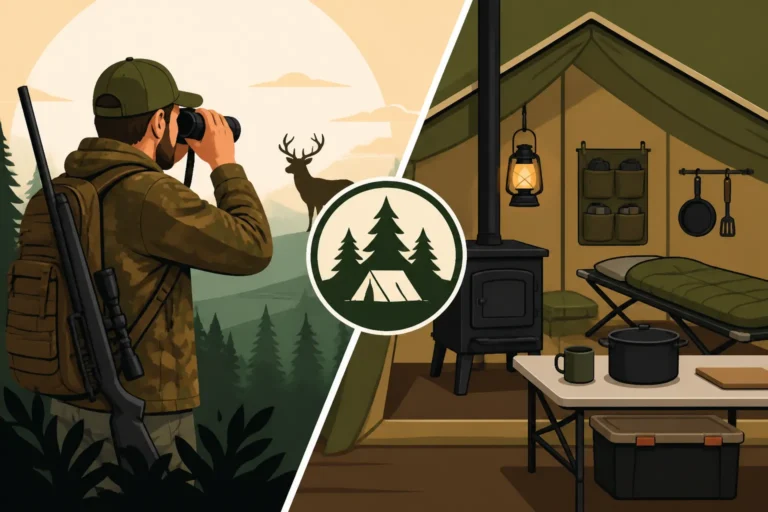
The quality of your camp experience can heavily influence your overall trip enjoyment. Is it a remote fly-in camp, a drive-in lodge, or a more rustic spike camp? What are the sleeping arrangements like – private cabin, shared bunkhouse, or wall tents? What about facilities: running water, hot showers, electricity, cell service, or Wi-Fi? These details might seem minor, but they can be deal-breakers for some hunters.
For food service, ask if it's "American Plan" (all meals prepared for you) or "Housekeeping" (you prepare your own meals, often with groceries provided). If you have dietary restrictions, can they be accommodated? What kind of transportation is used in camp and for hunting? Boats, ATVs, trucks? Are there any weight limits for gear if it's a fly-in operation? Understanding these logistics will help you pack appropriately and set realistic expectations for your stay. You might find some helpful information by reading What an Ontario Outfitter Provides in Camp.
Beyond the Brochure: Digging into References and Reviews
An outfitter's website or glossy brochure will always paint the best picture. To get the real story, you need to look beyond their marketing materials and actively seek out unbiased opinions. This is where the detective work truly begins, and it's perhaps the most important part of your vetting process.
Requesting and Contacting Past Clients
A reputable outfitter will be more than happy to provide a list of recent references – hunters who have used their services, ideally in the last year or two, for the same type of hunt you're interested in. If an outfitter hesitates or refuses to provide references, consider that a major red flag.
When you get the list, actually call these references! Don't just send an email. People are often more forthcoming on the phone. Ask them specific questions:
- Did the outfitter deliver on their promises?
- What was the guide's knowledge of the area and the game like?
- How were the camp accommodations and food?
- Were there any hidden costs or unexpected issues?
- Would they hunt with this outfitter again? Why or why not?
- Were there any challenges or disappointments, and how did the outfitter handle them?
Pay attention not just to what they say, but how they say it. Enthusiasm is a good sign. Hesitation or vague answers might indicate they're being polite but weren't fully satisfied.
Scrutinizing Online Reviews and Social Media
While direct references are invaluable, online reviews and social media also offer a wealth of information, albeit with a grain of salt. Look for reviews on platforms like BookYourHunt, GoHunt, Google, and even Facebook. Read both positive and negative reviews. No operation is perfect, so a few less-than-stellar reviews aren't necessarily a deal-breaker, especially if the outfitter has responded professionally and addressed the concerns.
Pay attention to trends. If multiple reviews mention the same negative issue (e.g., poor food, disorganized guides, overpromised results), that's a serious concern. Conversely, consistent praise for the same aspects (e.g., friendly staff, abundant game, comfortable camp) is a strong positive. Also, check the outfitter's social media. Is it updated regularly? Do they interact with followers? Are there photos of real hunters and their harvests, not just stock images? A professional and active online presence often reflects a well-run business.
Assessing Their Communication Style and Responsiveness
The way an outfitter communicates with you before you even book can be a strong indicator of how they'll operate during your hunt. Do they respond promptly to your inquiries? Are their answers clear, detailed, and professional? Or are they vague, slow to respond, or pushy? If you're struggling to get information from them now, imagine how difficult it might be if an issue arises during your actual trip.
A good outfitter understands that booking a hunt is a big decision and will be patient and thorough in addressing all your concerns. They should be willing to spend time on the phone or exchange detailed emails. Their communication style should make you feel confident and excited about the trip, not leave you with more questions than answers. Remember, this is about building a relationship of trust.
Legalities, Licences, and Professional Standards
Beyond the personal experience, there are critical legal and administrative aspects to consider when vetting an Ontario outfitter. Protecting yourself means ensuring the outfitter is operating legitimately and that your booking agreement is sound.
Confirming Necessary Permits and Insurances
Any legitimate outfitter in Ontario must hold specific permits and licences to operate. They should be registered as a tourist outfitter and adhere to all provincial regulations. Don't be afraid to ask for their registration numbers or to confirm they are in good standing with the relevant provincial authorities. This ensures they are operating legally and are subject to oversight.
Equally important is liability insurance. Ask if the outfitter carries adequate liability insurance. While you'll likely sign a waiver, knowing they are insured provides a layer of protection in case of unforeseen accidents or incidents. It's a sign of a responsible business. While this guide cannot provide specific costs, remember that Ontario Hunting Licences and What They Cost will be your responsibility.
Understanding Contract Terms and Cancellation Policies
Before you put down any deposit, ensure you receive a clear, written contract detailing all the agreed-upon services, dates, costs, payment schedules, and, critically, their cancellation and refund policy. Read this contract meticulously. What happens if you have to cancel? What if the outfitter has to cancel due to unforeseen circumstances like wildfires, early freeze-up, or other emergencies?
Understand the terms regarding deposits – are they refundable, transferable, or do they become credit for a future hunt? Pay close attention to any clauses about "acts of God" or force majeure, as these outline what happens if circumstances beyond anyone's control disrupt your hunt. Consider looking into Ontario Hunt Cancellation Insurance as a safeguard for your investment, especially for larger trips.
What an Outfitter Cannot Do Legally
It's equally important to know the boundaries of what an outfitter and guide are legally allowed to do in Ontario. Guides are there to assist you, provide expertise, and enhance your hunt, but they cannot perform certain actions that would compromise the integrity of the hunt or the law. For instance, a guide cannot shoot game for you (unless they hold their own tag and it's a legal group hunt), nor can they continue to track game after shooting hours if you are not present.
They cannot transport you in an unsafe manner, bait game where it's prohibited, or encourage you to exceed bag limits. Guides must also ensure you possess the proper Ontario Hunting Licences and What They Cost and tags. If an outfitter suggests anything that feels 'off' or illegal, that's a massive red flag. Always be prepared to walk away from any deal that pressures you into illegal or unethical practices.
Making Your Final Decision and Preparing for the Hunt
After all the research, questions, and reference checks, it’s time to make your decision. This final step is about synthesizing all the information you've gathered and ensuring you feel confident and prepared for your adventure.
Trusting Your Gut and Red Flags to Watch For
Ultimately, a lot of the vetting process comes down to trust. If something feels off, listen to that feeling. Red flags can include:
- Pressure to book immediately: High-pressure sales tactics are a bad sign.
- Vague answers to specific questions: A reputable outfitter will be transparent.
- Lack of references or poor references: This is a major warning.
- Inconsistent online information: Conflicting details across their website, social media, and directories.
- Unrealistic promises: If it sounds too good to be true (e.g., "guaranteed trophy animal"), it probably is.
- Disregarding safety concerns: Any indication that safety is not a top priority.
- No written contract or unclear terms: This leaves you vulnerable.
If an outfitter ticks several of these boxes, it's probably best to move on, no matter how appealing the advertised hunt might seem. There are plenty of fantastic, ethical outfitters in Ontario eager to provide an excellent experience. Platforms like GoHunt or BookYourHunt often highlight outfitters with strong ethical track records, which can make your decision easier.
Finalizing Your Booking and Payment Schedule
Once you've chosen your outfitter, ensure all final arrangements are in writing. This includes your specific hunt dates, the species, the agreed-upon price, and a detailed list of what's included and excluded. Confirm the payment schedule, including deposit amounts and final payment due dates. Make sure you understand how to make payments, whether it's by bank transfer, credit card, or check.
Before sending any money, double-check all details in the contract against your understanding from your discussions. Don't be afraid to ask for clarification on any point, no matter how small. Once the contract is signed and the deposit is sent, you're officially on your way to an Ontario hunting adventure! Don't forget to look into Travel Insurance for a Hunting Trip to protect your investment further.
Preparing for a Successful Guided Ontario Hunt
With your outfitter booked, the next exciting phase is preparation. Your outfitter should provide a detailed gear list, but don't hesitate to ask for recommendations on specific items like boots, clothing for various weather conditions, or optics. Familiarize yourself with Ontario's hunting regulations, especially for the species you'll be pursuing and the WMU you'll be in. Knowing Ontario's Wildlife Management Units well can give you an edge.
Physical preparation is also key. Many guided hunts, especially in rugged Ontario terrain, require a reasonable level of fitness. The more prepared you are physically, the more you'll enjoy the hunt and increase your chances of success. Practice with your chosen weapon, ensuring you're proficient at typical hunting distances. Being well-prepared not only ensures you have the best possible experience but also shows respect for your outfitter and the game you're pursuing.
Outfitter Vetting Checklist
To help summarize your vetting process, here's a handy checklist:
| Category | Question | Confirmed (Y/N) | Notes |
|---|---|---|---|
| Reputation | Provided recent references? | ||
| References positive and consistent? | |||
| Positive online reviews (e.g., BookYourHunt, GoHunt)? | |||
| Professional association membership? | |||
| Legality & Safety | Properly licenced as a tourist outfitter? | ||
| Carries liability insurance? | |||
| Adheres to all Ontario hunting laws (e.g., tag rules, baiting)? | |||
| Emphasizes hunter safety? | |||
| Hunt Details | Clear understanding of tag allocation (e.g., moose draw)? | ||
| Detailed hunt schedule and methods (e.g., stand, spot-and-stalk)? | |||
| Hunter-to-guide ratio specified? | |||
| Success rates provided and seem realistic? | |||
| Costs & Inclusions | Detailed list of inclusions (food, lodging, guide, etc.)? | ||
| Clear list of exclusions (licences, tips, meat processing)? | |||
| No hidden fees identified? | |||
| Logistics & Camp | Clear description of camp facilities (water, power, sleeping)? | ||
| Food service type specified (American Plan, Housekeeping)? | |||
| Transportation in camp and to hunting areas described? | |||
| Contract & Terms | Received a clear, written contract? | ||
| Cancellation and refund policy understood? | |||
| Deposit and payment schedule clear? | |||
| Communication | Responsive and clear communication? | ||
| Open to answering all questions patiently? |
By meticulously going through this vetting process, you'll significantly increase your chances of having an incredible, worry-free guided hunting experience in the beautiful wilds of Ontario.
Disclaimer
This article is for general informational purposes only and does not constitute professional advice. Laws, prices and regulations vary by location and change over time. Consult a qualified professional for guidance on your specific situation.