Ontario Youth and First-Timer Guided Hunts
It's no secret that the world of hunting can feel incredibly overwhelming, especially if you're a young person just starting out or an adult who's always dreamed of trying it but never knew where to begin. The sheer amount of gear, the complex regulations, the unspoken traditions, and the need for practical skills can create a wall of intimidation that stops many enthusiastic newcomers in their tracks. This guide is here to help break down those barriers by exploring how guided hunts in Ontario can provide the perfect, supportive entry point for both youth and first-time hunters.
The Unique Challenges for Young and New Hunters in Ontario
Stepping into the world of hunting in Ontario, whether you're a teenager eager to follow in family footsteps or an adult making a fresh start, comes with its own set of hurdles. It's not just about pulling a trigger; it's a deep dive into ethics, ecology, safety, and outdoor skills. Without proper guidance, these challenges can quickly become discouraging.
Overcoming the Knowledge Gap and Intimidation
For anyone new to hunting, the knowledge gap can feel like a canyon. You need to understand local game species – their habits, their habitats, and how to ethically pursue them. Then there are the regulations: understanding the specific seasons, bag limits, and permitted methods for different species across Ontario's various Wildlife Management Units (WMUs). This isn't information you pick up overnight. Imagine trying to decipher the nuances of Ontario Deer Season Dates and Tags or Ontario Game Bird Seasons and Limits for the first time, all while trying to figure out what type of firearm or bow is even legal to use. It's a lot to take in, and without a mentor, it's easy to feel lost and intimidated by the sheer volume of information. Many newcomers also feel a significant amount of pressure to "do it right" and avoid making mistakes, which can hinder their learning process.
Beyond the official rules, there's a whole world of practical knowledge: how to track, how to read sign, how to move quietly through the bush, field dressing an animal, and basic survival skills. These are skills often passed down through generations, and if you don't have that direct lineage, it can feel like you're starting from scratch with a monumental task ahead of you. The fear of doing something wrong, or simply not knowing enough, often keeps aspiring hunters from ever getting started.
Safety Concerns and Skill Development
Safety is, rightly so, paramount in hunting. For youth and first-timers, learning safe firearm or bow handling, understanding shot placement, and knowing how to react in various field scenarios are critical. While hunter education courses provide a foundational understanding, there's no substitute for hands-on, supervised experience. A new hunter might pass their Ontario Hunter Education Requirements with flying colours, but that doesn't instantly translate into confidence when faced with a real-life hunting situation. Learning to safely load, unload, carry, and shoot a hunting implement under pressure takes practice and calm instruction.
Developing essential hunting skills, like stalking, calling, or identifying game, requires time in the field and the ability to learn from successes and failures. A young hunter might struggle with understanding wind direction or judging distance, vital components of a successful hunt. An adult beginner might feel self-conscious about their lack of experience compared to seasoned hunters. Without someone patient and knowledgeable to guide them, these skill development areas can become sources of frustration, potentially leading to unsafe practices or simply giving up on the pursuit. The bush demands respect and a certain level of competence, and acquiring that takes time and expert tutelage.
Access to Land and Equipment
Another major hurdle, especially for those without existing hunting connections, is access. Finding suitable hunting land in Ontario can be incredibly challenging. If you're not lucky enough to own private land, or have friends and family who do, you're often looking at Crown Land. Navigating Ontario's Crown Land Access Rules and understanding how to effectively hunt these vast, often remote areas takes experience. It's not just about finding a piece of property; it's about finding productive property where you have a reasonable chance of success and aren't constantly bumping into other hunters.
Beyond land, there's the significant investment in equipment. A reliable firearm or bow, appropriate ammunition, optics, suitable hunting clothing, safety gear, and potentially a treestand or ground blind can add up quickly. For a first-timer, knowing what gear is truly essential versus what's merely nice-to-have can be daunting, and making the wrong purchases can be an expensive mistake. The thought of buying thousands of dollars worth of gear before you even know if hunting is for you can be a huge deterrent. Then there's the ongoing maintenance, sighting in firearms, and ensuring everything is in working order.
Why a Guided Hunt Can Be a Game-Changer
For youth and first-timers grappling with the complexities of Ontario hunting, a guided hunt can be an absolute revelation. It takes away many of the daunting logistical and educational burdens, allowing the new hunter to focus on learning and experiencing the thrill of the outdoors.
Mentorship and Hands-On Learning
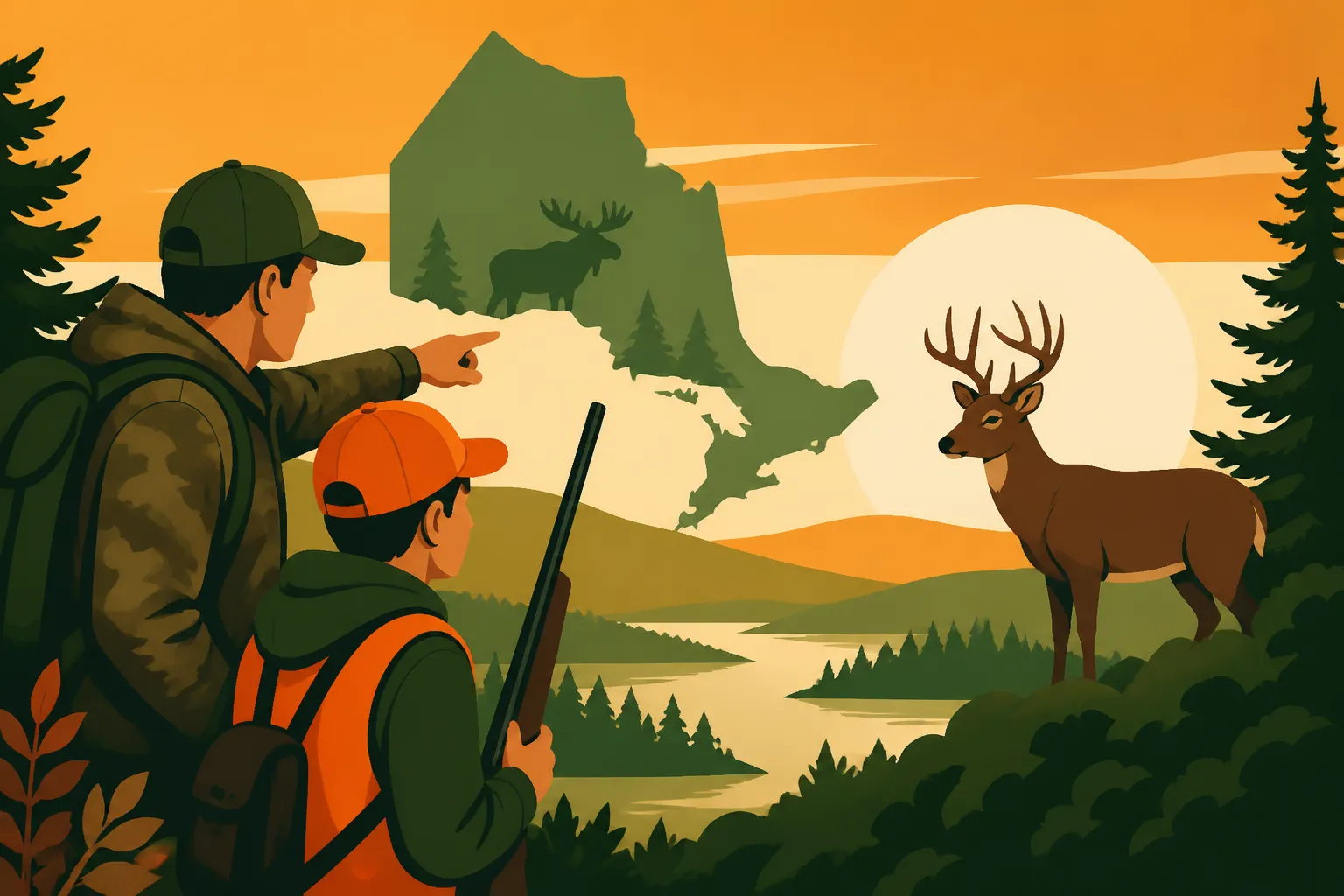
One of the greatest benefits of a guided hunt is the immediate access to an experienced mentor. An Ontario hunting guide isn't just someone who shows you where the animals are; they are seasoned professionals who live and breathe the bush. For a young hunter, having someone like this to learn from is invaluable. They can explain animal behaviour in real-time, demonstrate tracking techniques, teach you how to move silently, and help you understand the subtle signs of game presence. Imagine your guide pointing out a fresh deer rub and explaining its significance, or showing you how to Reading Whitetail Sign in Ontario Hardwoods. This direct, experiential learning far surpasses what can be learned from books or videos alone.
For an adult first-timer, a guide provides a non-judgmental environment to learn and ask questions. They can walk you through ethical shot placement, demonstrate proper field dressing, and patiently help you develop your shooting skills in a safe, controlled setting. They'll teach you about Meat Care in Ontario's Warm Early Seasons or how to quarter an animal efficiently. This hands-on instruction builds confidence and competence far more quickly than trying to stumble through it on your own. Many outfitters understand that these hunts are as much about education as they are about harvesting an animal, making them ideal learning grounds.
Enhanced Safety and Confidence
Safety is paramount, and a guided hunt inherently offers a much safer environment for a new hunter. Guides are intimately familiar with the hunting area, local conditions, and potential hazards. They ensure that all safety protocols are followed, from proper firearm handling to navigating challenging terrain. They're also trained in first aid and emergency procedures, providing a critical layer of security, especially in remote northern regions where cell service can be non-existent. This peace of mind allows the new hunter to focus on the experience rather than worrying about getting lost or encountering an unforeseen danger.
With a professional guide by your side, your confidence will soar. Knowing you have an expert to provide immediate feedback, correct mistakes, and reinforce good habits makes a huge difference. They can help calm nerves before a shot, provide encouragement, and offer insights into why certain decisions are made during the hunt. This supportive environment is crucial for building a positive association with hunting, ensuring that the first experience is not just safe but also empowering and enjoyable. It transforms potential anxiety into a feeling of capability.
Access to Prime Hunting Locations and Gear
One of the most frustrating aspects for new hunters can be finding good hunting grounds. Outfitters often have access to prime private lands or extensive knowledge of productive Crown Land areas that would take years for an individual hunter to discover on their own. This access significantly increases the chances of encountering game, providing valuable learning opportunities. They understand Hunting an Ontario Bush Edge or how to effectively set up for waterfowl. For species like black bear, outfitters spend considerable time and effort Setting a Bear Bait Site in Ontario, ensuring there's an active site for their clients, eliminating a massive amount of scouting work for the beginner.
Furthermore, many guided hunts include the use of essential equipment. This can include blinds, stands, decoys, calls, and sometimes even firearms suitable for the hunt. This removes the enormous upfront cost and decision-making burden of acquiring all that gear for a first-timer. You can try out different setups, learn about their function, and then make informed decisions about your own purchases later. The outfitter usually provides transportation within the hunting area, too, whether it's an ATV, boat, or truck, allowing access to areas that might otherwise be inaccessible.
What to Look For in a Youth or First-Timer Friendly Outfitter
Not all outfitters are created equal, especially when it comes to catering to beginners and young hunters. When seeking out a guided hunt in Ontario for a first-timer, it's crucial to look for specific qualities that prioritize education, safety, and a positive experience over simply bagging an animal.
Experience with Beginners and Youth
The first and most important factor is an outfitter's explicit experience with new and young hunters. Ask directly if they offer "first-timer" or "youth" specific packages. A good indicator is an outfitter who advertises Guided Hunts for a First-Time Hunter or Ontario Outfitters Who Take Youth Hunters. They should be accustomed to working with individuals who have limited knowledge and skills. This means patience, clear communication, and a teaching mindset are at the forefront of their operation. An outfitter who primarily caters to seasoned hunters looking for trophy animals might not have the right approach for someone still learning the ropes.
Look for testimonials or reviews that specifically mention positive experiences for beginners or families. An outfitter who understands that the "trophy" for a first-timer might be seeing a deer, learning to track, or understanding the ecosystem, rather than just harvesting a large animal, is a good sign. They should be able to articulate how they adapt their guiding style to different experience levels, ensuring that a new hunter feels supported, not rushed or overwhelmed.
Emphasis on Education and Ethical Hunting
A truly excellent outfitter for beginners will place a strong emphasis on education. They won't just take you to a spot and tell you to shoot; they'll explain why that spot is good, what signs to look for, and how to approach the situation ethically. This includes discussions on wildlife conservation, responsible land use, and the importance of fair chase. They should instill a deep respect for the animals and the environment. Learning about Why Mandatory Reporting Matters for harvest data or the impact of What CWD Means for Ontario Deer are important aspects of becoming a responsible hunter.
Ethical considerations are paramount. A good guide will teach about proper shot angles, the importance of knowing your target and what's beyond it, and diligent tracking of wounded game. They'll emphasize that ethical hunting is about making clean kills and respecting the animal, even if that means passing on a less-than-ideal shot opportunity. For youth, these lessons lay the foundation for a lifetime of responsible hunting practices. It's about developing a conscience as much as it is about developing skill.
Inclusivity and Family-Friendly Programs
Hunting can sometimes feel like a very exclusive club, but many outfitters are actively working to change that narrative. Seek out operations that demonstrate an inclusive approach, welcoming people from all backgrounds and experience levels. Some outfitters even offer specific family-friendly programs, understanding that hunting can be a fantastic way for parents and children to bond and connect with nature together. Perhaps they have Booking a Father and Child Hunt options, or custom packages for small groups.
Look for amenities and camp environments that are welcoming. For instance, a housekeeping camp might be more comfortable for a family with young children, allowing them to prepare their own familiar meals. Ask about the overall atmosphere of the camp and if it's conducive to a relaxed, learning-focused experience rather than a high-pressure, competitive one. The goal is to make the entire experience, from arrival to departure, feel like an adventure that fosters a love for the outdoors, not just a means to an end.
Here's a quick checklist to help you choose an outfitter for a first-timer or youth:
| Feature | Highly Recommended | Consider with Caution |
|---|---|---|
| Experience Level | Explicitly caters to youth/beginners | Primarily targets experienced hunters |
| Mentorship Style | Patient, hands-on teaching, focus on education | Direct, assumes prior knowledge, success-driven |
| Safety Emphasis | Clear protocols, training, emergency preparedness | Assumes hunter's own safety knowledge |
| Equipment Provided | Often includes key gear (stands, calls, sometimes firearms) | Expects hunter to bring all personal gear |
| Access to Land | Uses proven, managed areas for high success/learning | May use challenging public land without explanation |
| Camp Atmosphere | Family-friendly, supportive, welcoming | "Roughing it," competitive, less personal |
| Ethical Focus | Strong emphasis on conservation, fair chase, respect | Minimal discussion beyond legal requirements |
| Booking Process | Clear communication, specific beginner packages | Vague details, focused on booking volume |
When you're starting your search, online platforms like BookYourHunt can be a great resource. Many outfitters list their specific packages and highlight their services for different client types, including those new to the sport. Similarly, resources like GoHunt often feature articles or directories that can help you identify outfitters known for their supportive approach.
Planning Your First Guided Hunting Adventure
Once you've decided a guided hunt is the right path, careful planning will maximize your enjoyment and learning. This isn't just about showing up; it's about being prepared for a truly immersive outdoor experience.
Choosing the Right Species and Season
For a first-timer, selecting the right game species is crucial. You want something that offers a reasonable chance of success and a good learning curve without being overly difficult or demanding. While Moose Hunting Ontario's Northern Bush might sound exciting, it's often a physically demanding and challenging hunt, perhaps better suited for later on. Small game hunting, such as Rabbit and Hare Hunting in Ontario or Ruffed Grouse Hunting Ontario's Bush Roads, can be an excellent starting point, offering plenty of action and opportunities to practice basic bush skills. Turkey hunting, especially Spring Turkey Hunting in Ontario, is also a fantastic option, combining calling skills with intense, close-range action.
For larger game, whitetail deer or black bear are often good choices for beginners. Many outfitters specialize in Black Bear Hunting in Ontario over bait, which offers a controlled environment for observation and a good shot opportunity. Similarly, a guided deer hunt can introduce you to big game without the extreme physical demands of a moose hunt. Consider the season too; early fall hunts might be milder weather-wise, making for a more comfortable introduction to the bush. Discuss these options thoroughly with potential outfitters, explaining your experience level and what you hope to gain from the hunt.
Budgeting and What to Expect Cost-Wise
Guided hunts, by their nature, involve an investment. While I can't provide specific figures, it's important to understand the components of the cost. You'll typically pay for the outfitter's package, which can vary widely based on the species, duration, inclusions (e.g., meals, lodging, guide ratio), and the remoteness of the camp. For comparison, you can read more about What a Guided Deer Hunt Costs or Ontario Black Bear Hunt Prices. Beyond the outfitter's fee, remember to budget for your Ontario hunting licence and any required tags, such as an Ontario Black Bear Validation Certificate or deer validation. Non-residents will also need an Ontario Non-Resident Licence Options.
Other potential costs include travel to the outfitter's location, gratuities for your guide and camp staff (How Much to Tip an Ontario Guide), meat processing, taxidermy if you choose to preserve a trophy, and any personal gear you decide to purchase. Many outfitters will offer different tiers, from "housekeeping" packages where you do your own cooking to "American plan" where all meals are provided. Be very clear about what is and isn't included in the quoted price. Don't be shy to ask for a detailed breakdown, so there are no surprises. Reputable booking sites like BookYourHunt often show clear inclusions and exclusions for their listed packages.
Preparing Mentally and Physically
Even if your guided hunt isn't an extreme backcountry expedition, some level of preparation will significantly enhance your experience. Physically, you should be able to comfortably walk several kilometers in varying terrain, sit still for extended periods, and handle your hunting implement safely. If you're going after species like deer or bear, ensure you're practicing regularly with your firearm or bow so you can make an ethical shot when the opportunity arises. Practicing Before a Guided Hunt is crucial, and your guide will expect you to be proficient.
Mentally, prepare for the realities of hunting. Not every hunt ends with a harvest, and that's okay. The experience of being in nature, learning new skills, and connecting with the wild is often the true reward. Be open to learning, be patient, and embrace the unexpected. The weather might not cooperate, or the animals might not show up. A guided hunt is a journey, not just a destination. It's about building resilience and a deeper appreciation for the outdoors. Read up on the species you'll be hunting, understand their habits, and familiarize yourself with the area if possible through maps or satellite imagery.
Common Concerns and How Outfitters Address Them
New hunters often have a lot of anxieties, and a good outfitter anticipates these and has strategies in place to alleviate them, ensuring a positive and educational experience.
The Learning Curve and Patience
Many first-time hunters worry about holding back the group or not "getting it" fast enough. They might feel pressure to perform or be embarrassed by their lack of experience. A quality outfitter, particularly one focused on beginners, understands this. They will structure the hunt to be educational, allowing ample time for instruction and explanation. This means taking moments to teach tracking, identify edible plants, or simply sit and observe wildlife, rather than rushing from one spot to the next in pursuit of a trophy.
Guides who specialize in youth and first-timers exhibit exceptional patience. They won't make you feel foolish for asking basic questions or for needing extra time to understand a concept. They're prepared for missteps and see them as learning opportunities. For example, if you miss a shot, a good guide will calmly analyze what happened, offer constructive feedback, and help you regain confidence, rather than expressing frustration. This supportive attitude is vital for turning potential failure into growth.
Ensuring a Meaningful Experience Beyond the Harvest
While the ultimate goal of hunting is often to harvest an animal, a good guided hunt for a beginner ensures the experience is meaningful, regardless of whether a tag is filled. Outfitters know that for many, especially youth, the magic lies in the entire journey: the camaraderie around the campfire, the quiet beauty of a morning in the bush, spotting other wildlife, and learning about the ecosystem. They focus on the process, not just the outcome.
They might incorporate nature walks, teach about local flora and fauna, or share stories of past hunts. Some outfits even offer combination packages, such as Combining a Bear and Fishing Trip or Ontario Moose and Grouse Combination Hunts, adding variety and ensuring there are always activities to engage in, even if the primary game animal isn't cooperating. The aim is to cultivate a love for the outdoors and the tradition of hunting, understanding that a positive first experience is key to creating lifelong hunters. They want you to leave with memories and knowledge, not just meat.
Navigating Licensing and Regulations
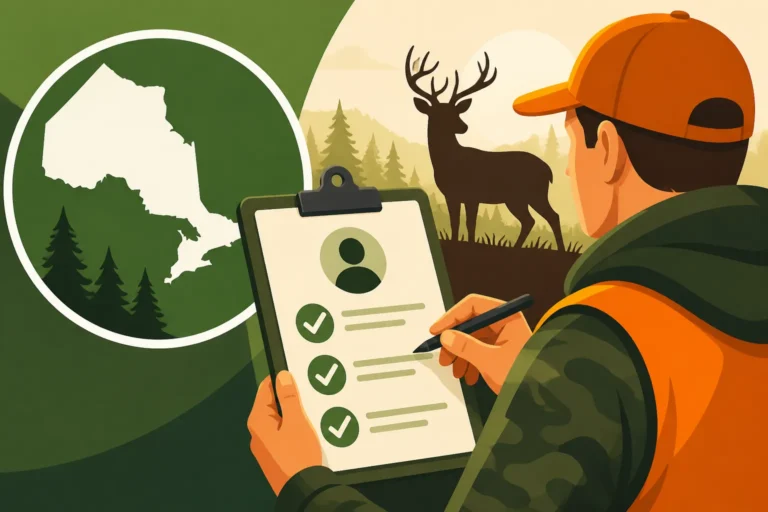
The labyrinthine nature of hunting regulations can be a major source of stress for new hunters. From securing an Ontario Outdoors Card Explained to understanding specific WMU boundaries and weapon restrictions, it’s a lot to process. A key service provided by reputable outfitters is guidance through this bureaucratic maze. They will typically inform you exactly what licences and tags you need for your specific hunt, and in many cases, they can assist with the application process or point you to the correct online portals.
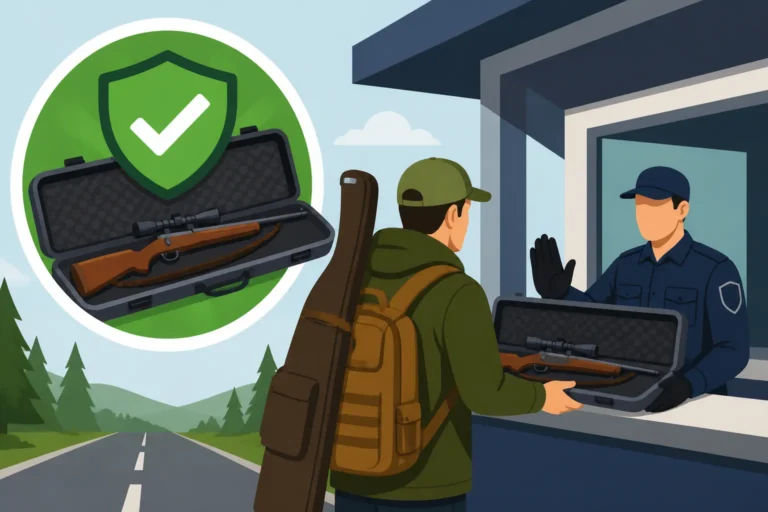
Outfitters are well-versed in Ontario Hunting Licences and What They Cost and can help non-residents navigate requirements like The Non-Resident Firearm Declaration for bringing firearms into the country. They ensure that you are fully compliant with all provincial and federal laws, taking the guesswork out of the process. This assistance is invaluable, as any regulatory misstep could lead to fines or the loss of hunting privileges. You can often find this information clearly laid out on an outfitter's website or during your initial contact. For additional clarity, many government resources and even platforms like GoHunt provide summaries of regulations, but an outfitter provides personalized guidance.
Making the Most of Your Guided Hunt
A guided hunt is an incredible opportunity, and how you approach it can significantly impact the richness of your experience. It's about being an active participant and soaking up every bit of knowledge.
Active Participation and Asking Questions
Don't treat your guide as just a taxi service to game. Be actively engaged in the hunt. Ask questions about everything: "Why are we setting up here?", "What does that track mean?", "How do you tell the age of that animal?", "What do you do if you get What to Do If You Get Turned Around?" A good guide loves to share their knowledge, and your enthusiasm will make their job more rewarding too. The more you engage, the more you'll learn. Take notes if that helps you retain information.
Offer to help with tasks in camp, within reason, and be ready to assist with field dressing or dragging if a harvest occurs. This hands-on involvement reinforces learning and builds camaraderie. Remember, you're not just a client; you're an apprentice in the field, and showing respect for your guide's expertise and the effort they put in will go a long way. This includes being honest about your physical limitations or any anxieties you might have.
Documenting Your Experience
Your first guided hunt will be full of "firsts," and documenting these moments can create lasting memories. Take photos (respectfully, and always prioritize the animal and ethical presentation), keep a journal of your daily observations, and perhaps even sketch what you see. These records will not only be cherished personal keepsakes but also valuable tools for reflection and future learning. You'll remember what the Ontario's mixed forest smelled like at dawn or the unique call of a Calling a Bull Moose in the Rut.
When you return home, these documented experiences can be shared with family and friends, helping to educate others about hunting and inspire new interest. They provide tangible proof of your journey and growth as a hunter. Plus, reviewing your notes later can solidify the lessons learned in the field. Remember to be mindful of your guide's wishes and camp rules regarding photography and sharing of images.
Post-Hunt Learning and Future Planning
The learning doesn't stop when the hunt ends. After your guided trip, take time to reflect on what you learned, what went well, and what areas you'd like to improve. Use this reflection to plan your next steps. Perhaps you want to continue working on your shooting skills at a local range, or delve deeper into understanding Reading an Ontario WMU Map Before You Go for future self-guided opportunities.
Your outfitter can also be a valuable resource for future planning. They might offer advice on follow-up hunts, suggest gear upgrades, or recommend specific areas for different species. Many hunters develop long-term relationships with their guides and outfitters, returning year after year. Whether you plan to book another guided hunt, or venture out on your own Hunting Ontario's Crown Land with newfound confidence, the first guided experience serves as a robust foundation for a lifetime of hunting adventures in Ontario.
Disclaimer
This article is for general informational purposes only and does not constitute professional advice. Laws, prices and regulations vary by location and change over time. Consult a qualified professional for guidance on your specific situation.