Spring Turkey Hunting in Ontario
The first rays of sunlight piercing through a still-chilly Ontario forest, accompanied by the heart-stopping thunder of a gobble echoing through the trees – that's the dream, isn't it? But often, that dream clashes with the reality of fickle weather, silent birds, or birds that hang up just out of range. This comprehensive guide is here to walk you through everything you need to know to transform those frustrations into the triumph of a successful spring turkey hunt right here in Ontario.
The Allure and Challenge of Spring Turkey Hunting in Ontario
There's something truly special about chasing turkeys in the spring. It's an experience that awakens the senses after a long winter, and while incredibly rewarding, it comes with its own set of unique challenges that test a hunter's patience and skill.
Why Spring Turkeys Are Such a Draw for Hunters
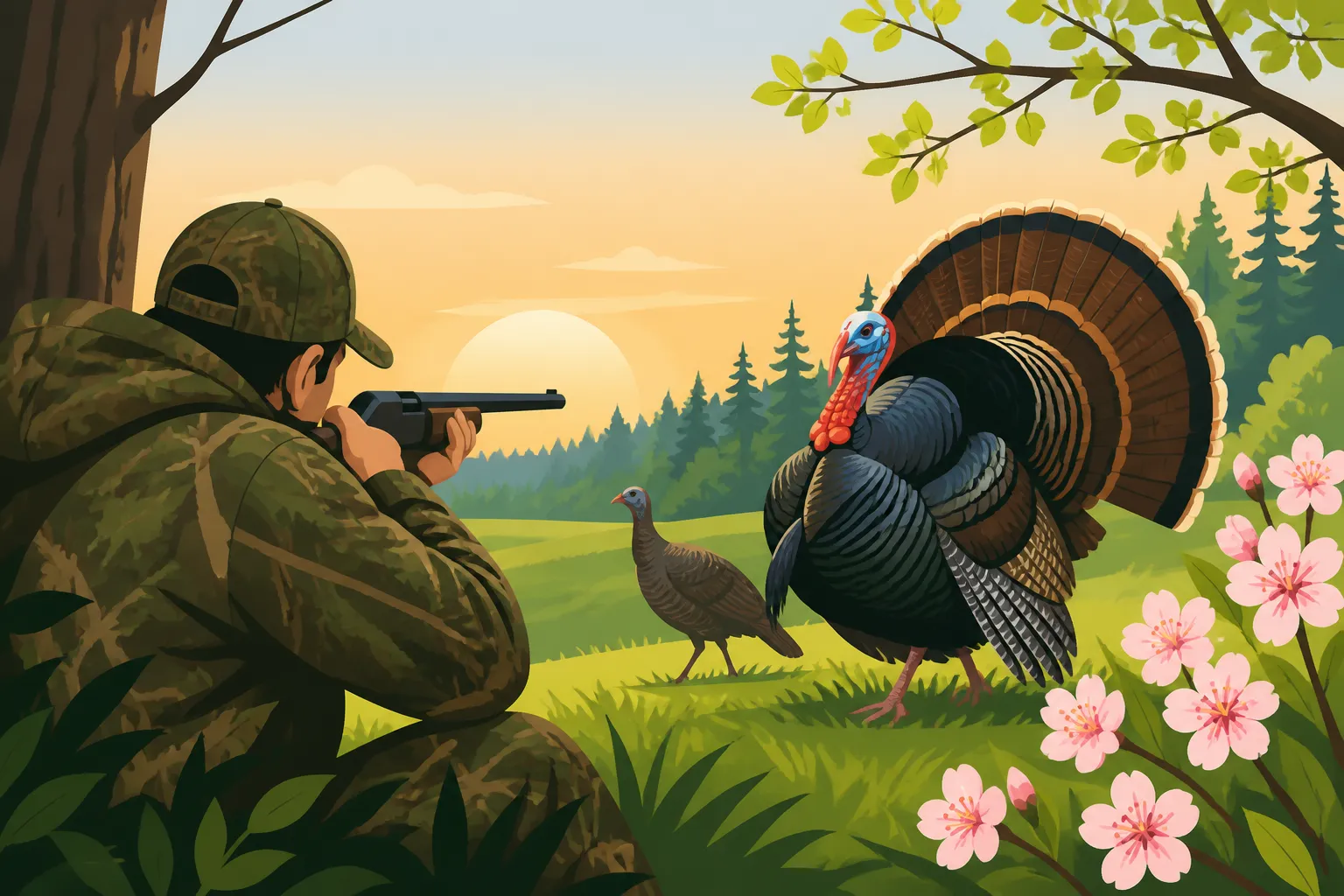
For many, spring turkey hunting is less about filling the freezer and more about the immersion in nature and the ultimate game of wits. The sheer spectacle of a gobbler in full strut, drumming and spitting, is one of nature's most impressive displays. It's a game of call and response, where you're trying to mimic a hen just perfectly enough to convince a wary tom to commit.
The sounds alone are enough to hook you: the excited yelps of hens, the nervous clucks, and of course, that booming gobble that travels for miles on a still morning. It's an active hunt, demanding movement, stealth, and quick decision-making, which is a stark contrast to some of the more sedentary big game pursuits. You're not just waiting; you're actively engaging with the animal, attempting to speak its language. The renewal of spring itself adds to the magic – the emerging green, the budding trees, and the chorus of songbirds all contribute to an unforgettable experience, even if you don't punch a tag.
Understanding the Ontario Spring Turkey Season Dates
Navigating Ontario's hunting regulations can sometimes feel like trying to solve a puzzle, and turkey season is no exception. While the general framework for spring turkey hunting is consistent, specific dates can vary slightly by Wildlife Management Unit (WMU), and it’s always critical to consult the official Ontario Hunting Regulations Summary each year. Typically, the spring season kicks off around late April and runs through May, offering several weeks of opportunity.
This timeframe is strategically chosen to coincide with the peak breeding activity of wild turkeys, when gobblers are most vocal and susceptible to calling. However, weather patterns can influence the exact timing of the rut. An early spring might see birds gobbling hard right from opening day, while a prolonged cold spell could delay peak activity. Understanding the specific dates for your chosen WMU is non-negotiable, as hunting outside of these periods, or with the wrong type of tag, can lead to serious penalties. For detailed information, make sure to check the official guide for specific Ontario Spring Turkey Season Dates that apply to your hunting area.
Essential Gear and Setup for Ontario Gobblers
Being properly equipped is half the battle when it comes to consistently harvesting spring gobblers. It’s not just about having a shotgun; it’s about having the right tools for the job and knowing how to use them effectively in the field.
Shotguns, Chokes, and Ammo Selection
When it comes to putting a gobbler down, your shotgun setup is paramount. Most turkey hunters opt for a 12-gauge, as it offers a robust payload and excellent pattern density, crucial for delivering enough energy to the turkey's head and neck area. However, a 20-gauge, especially with modern high-performance loads, is also a very capable choice and lighter to carry, which can be a real plus if you're covering a lot of ground.
The choke tube is where the magic really happens. Forget your modified or improved cylinder chokes for turkeys. You need something much tighter – a full, extra-full, or even a specialized "turkey choke" designed to produce incredibly dense patterns at longer ranges. Brands like Primos, Carlson's, and TruGlo offer excellent options. The goal is to put as many pellets as possible into a small target area (the head and neck) at distances up to 40-50 yards. As for ammunition, look for high-density turkey loads, often containing larger shot sizes like #4, #5, or #6 lead shot. Tungsten Super Shot (TSS) has revolutionized turkey hunting, offering incredible density and knockdown power with smaller shot sizes (like #9), effectively extending your range while maintaining ethical killing power. Always pattern your shotgun with your chosen choke and ammo before the season to know your effective range and shot placement.
Decoys and Blinds: Maximizing Your Setup
Decoys are an incredibly effective tool for luring wary gobblers into shooting range, especially on open terrain or field edges. The most common setup involves a hen decoy, sometimes paired with a jake or full-strut gobbler decoy. A lone hen can be very enticing, suggesting a receptive female. Adding a jake decoy can often ignite a dominant tom’s territorial instincts, bringing him in aggressively. A full-strut gobbler decoy, while highly effective, should be used with extreme caution, particularly on public land, due to the inherent safety risks of mimicking a gobbler.
When placing decoys, position them so that a approaching tom will be focused on the decoys, presenting his head and neck for a clean shot from your position. This often means placing them about 15-20 yards from your blind or hide. Speaking of hides, pop-up blinds are a game-changer for many hunters, offering complete concealment, allowing you to shift position, stretch, and even make minor movements without spooking an approaching bird. They're especially useful if you're hunting with children or need to shield yourself from the elements. If you prefer a more minimalist approach, natural cover – a thick cedar bush, a downed log, or the base of a wide maple tree – can provide adequate concealment, provided you remain absolutely motionless. Always prioritize safety when using decoys, especially when hunting with others, and be mindful of your surroundings.
Camouflage and Concealment for Close Encounters
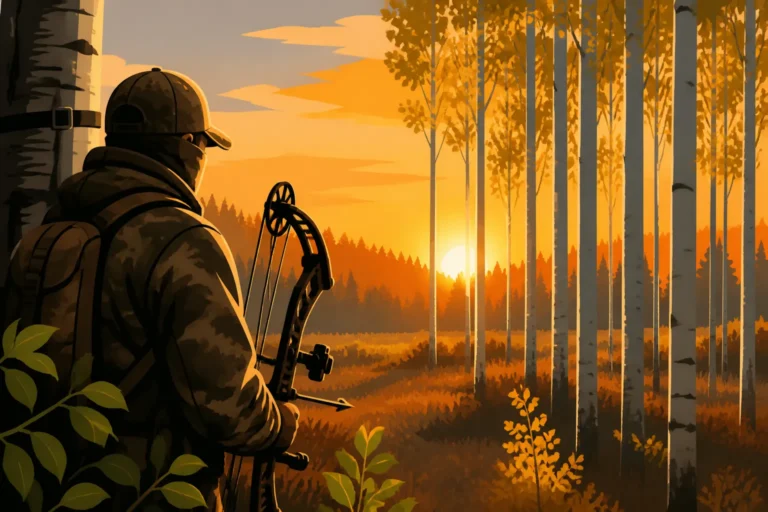
Turkeys have incredible eyesight, often cited as being better than a human's in some respects, especially when it comes to detecting movement. This means top-to-bottom camouflage is not just recommended, it's absolutely essential. We're talking head-to-toe: a good quality camo pattern that matches the early spring woods, including a face mask and gloves. Any exposed skin or brightly colored clothing will instantly give you away.
The key to concealment isn't just about blending in, but also about breaking up your human outline. Look for patterns with high contrast and depth that mimic bark, leaves, and shadows. Sitting with your back against a wide tree or in thick brush helps break up your form and prevent you from being silhouetted. Remember, movement is your biggest enemy. Even a slight twitch of a finger or the raising of a gun too soon can send a gobbler hightailing it in the other direction. Practice drawing your shotgun or bow slowly and silently to minimize movement when that tom finally commits.
Mastering the Art of Calling Spring Gobblers
Calling a spring gobbler into range is perhaps the most exhilarating aspect of turkey hunting. It's a conversation, an art form, and requires not just the right call, but the right timing and understanding of turkey communication.
Understanding Turkey Vocalizations
To effectively call a turkey, you first need to understand what they’re saying. Turkeys have a surprisingly complex vocabulary. The most iconic, of course, is the gobble – the tom's declaration of presence and dominance. Hens use a variety of calls, with the yelp being the most common and versatile. This is a series of consecutive notes, often used to locate other turkeys or signal readiness to breed.
Clucks are softer, single-note sounds, indicating contentment or curiosity. Purrs are even softer, a raspy, rolling sound of contentment, often heard when turkeys are feeding. Putts are sharp, abrupt alarms – if you hear a putt, you've likely been busted. Tree yelps are soft yelps used by hens on the roost to signal the start of the day, while fly-down cackles are excited, loud calls as they leave the roost. Learning to distinguish these calls and understand their context is crucial for knowing how to respond and what message you're sending back. It's about more than just making noise; it's about speaking their language convincingly.
Popular Turkey Calls and Their Applications
There's a dizzying array of turkey calls out there, and most serious turkey hunters carry a few different types to adapt to various situations.
- Diaphragm (Mouth) Calls: These are perhaps the most versatile, allowing hands-free calling. They fit in the roof of your mouth and you make sound by blowing air over latex reeds. They require practice but can produce the full range of turkey vocalizations – yelps, clucks, purrs, even gobbling. Brands like Zink, WoodHaven, and Primos offer a wide selection. Their hands-free nature is a huge advantage when a bird is closing in.
- Pot (Slate/Friction) Calls: These calls consist of a circular pot, usually made of slate, glass, or aluminum, and a striker. By dragging the striker across the surface, you produce a range of sounds. They are excellent for realistic yelps and purrs, offering great volume control. They do require two hands to operate, which can be a drawback when a gobbler is in sight.
- Box Calls: Classic and easy to learn, box calls produce loud, realistic yelps and cutts that carry well over long distances. They are operated by drawing the lid across the base. Like pot calls, they are two-handed.
- Push-Button Calls: The simplest to operate, push-button calls are great for beginners or for quick, subtle clucks and purrs. They are excellent for close-range work when minimal movement is critical.
Each call has its strengths, and a skilled hunter will often switch between them depending on the bird's mood and proximity. For instance, you might start with a loud box call to locate a bird on the roost, then switch to a softer diaphragm call as he gets closer. To hear some examples of what to listen for, check out resources on Calling a Gobbler Off an Ontario Roost.
Effective Calling Strategies Through the Day
The time of day, and how a gobbler is responding, should dictate your calling strategy.
- Roost Calling (First Light): This is often your best chance. Before fly-down, gobblers are eager to locate hens. Start with soft, sleepy tree yelps from your diaphragm call, then get louder with more aggressive yelps or fly-down cackles as legal shooting light approaches and you expect birds to hit the ground. Don't overcall; let the gobbler respond and indicate his interest.
- Mid-Morning Calling: If you haven't sealed the deal by mid-morning, gobblers often become more transient, looking for hens that have split from the flock. This is a good time for more aggressive calling – loud yelps, cutts, and even gobbler clucks to pique their interest. Don't be afraid to move and set up in different locations if you're not getting responses. This is also a good time to use locator calls (owl hoots, crow calls) to try and shock a distant gobble out of a bird.
- Lull Periods (Late Morning/Early Afternoon): When things go quiet, many hunters pack up. But patience can pay off. During these "lulls," switch to softer, infrequent calling – a few soft clucks and purrs every 15-20 minutes, simulating a contented hen. Sometimes, a satellite gobbler or a tom that got bred earlier might be cruising for another hen. Don't be afraid to try some different tactics or even take a break and come back later if you feel the birds are silent due to the mid-day heat or other factors. Remember, turkeys have shorter memories than us!
| Call Type | Best For | Pros | Cons |
|---|---|---|---|
| Diaphragm Call | Versatility, wide range of sounds, hands-free | Compact, silent carry, enables simultaneous gun operation | Steep learning curve, requires good breath control |
| Pot (Friction) | Realistic yelps, purrs, good volume control | Easy to learn, consistent sound quality, good for locating | Requires two hands, can be noisy if dropped or bumped |
| Box Call | Loud yelps, cutts, carries well | Very user-friendly, excellent for long-range communication | Requires two hands, can be bulky, sensitive to moisture |
| Push-Button | Soft clucks, purrs, quick subtle calls | Easiest to use, great for close-range, minimal movement | Limited range of sounds, less volume |
Scouting and Locating Turkeys in Ontario's Diverse Habitats
Success in spring turkey hunting often begins long before opening day with thorough scouting. Understanding where turkeys live, what they eat, and how they move through their habitat is critical, especially given Ontario's varied landscape.
Reading the Landscape for Turkey Sign
Turkeys leave plenty of clues if you know what to look for. One of the first things to identify are roosting areas. Turkeys prefer to roost in tall, mature trees – often pines, oaks, or maples – near water sources or open fields. Look for significant droppings (whitewash) and scattered feathers on the ground beneath these trees. Finding a roost means you know where birds will be at first light.
Dusting bowls are another tell-tale sign – shallow depressions in dry dirt where turkeys dust themselves to remove parasites. These are typically found in sunny, sandy spots. Keep an eye out for tracks, which are easily identifiable three-toed prints, and droppings. Gobbler droppings are typically J-shaped, while hen droppings are more coiled or amorphous. Lastly, look for strut zones – areas of open ground, often field edges or logging roads, where gobblers display for hens. You might find drag marks from their primary wing feathers or even strutting tracks. Pre-season scouting, before the foliage gets too thick, allows you to find these areas and understand travel corridors, feeding areas, and escape routes. Turkeys often frequent similar habitats to deer, so if you've done any Hunting Deer in Southern Ontario Farmland, you might already be familiar with some prime turkey spots.
Utilizing Technology for Scouting (GoHunt mention)
In today's hunting world, technology can be a huge asset in your scouting efforts. Mapping applications like GoHunt are invaluable for armchair scouting and in-field navigation. Before you even set foot in the woods, you can use GoHunt's satellite imagery and topographical maps to identify potential turkey habitat. Look for transitions between woods and fields, creek bottoms, mature timber, and open clearings. You can mark potential roosting sites, strut zones, and travel corridors on the map, creating a detailed plan of attack.
GoHunt also provides crucial information on property boundaries, allowing you to clearly see where public land ends and private property begins. This is essential for avoiding trespassing and ensuring you're hunting legally. During the hunt, the app can help you navigate to pre-scouted locations silently and efficiently, or to track your route if you're trying to circle a hung-up bird. It's like having a digital assistant that helps you predict turkey movements and make informed decisions on the fly, saving you precious time and boot leather.
Understanding Turkey Movement and Patterns
Turkeys are creatures of habit, and understanding their daily and seasonal patterns is key to intercepting them. Their day typically starts on the roost, where they'll often gobble from the limb before flying down around sunrise. After fly-down, hens will typically gather, and gobblers will move to open areas (fields, logging roads) to strut and display. Feeding is usually a priority in the mid-morning, often in fields or open woods where they can find insects, seeds, and greens.
Weather plays a significant role in their patterns. On cold, rainy, or windy days, turkeys might be less vocal and stay tucked into more sheltered areas. On bright, sunny mornings, they're often out in full force. Hunting pressure also impacts their behaviour. Heavily pressured birds become much warier, often going silent, avoiding open areas, and becoming incredibly difficult to call in. They might adjust their patterns to avoid human contact, flying down into thicker cover or avoiding typical strutting zones. By observing these patterns and adapting your approach, you can significantly increase your chances of success.
Strategic Approaches for Success in the Field
Once you've located the birds and understand their habits, it's time to execute your strategy in the field. This involves careful setup, precise calling, and knowing how to react when a gobbler is closing in.
Setting Up for the Shot: Critical Angles and Distances
The setup is arguably the most critical moment of a turkey hunt. Once you hear a gobbler, whether on the roost or in the distance, your primary goal is to get into a concealed position where you can take an ethical shot when he arrives. Always sit with your back against a wide tree or a thick patch of brush. This breaks up your silhouette and protects your blind side, preventing a keen-eyed tom from circling around and spotting you. Ensure you have clear shooting lanes in front of you, without small branches or leaves that could deflect your shot pattern.
Estimating distance is paramount. Practice with a rangefinder or by pacing out known distances before the season. Most turkey loads are effective out to 40-50 yards, so position yourself to take a shot well within that range, ideally 25-35 yards. Consider the sun's position – if possible, have the sun at your back so it's in the turkey's eyes as he approaches. This makes it harder for him to spot you. Having good back cover is so important that many experienced hunters will tell you it's non-negotiable, often favoring it over perfect decoy placement. Sometimes, Setting Up Against a Big Maple is the best option available, even if it means sacrificing some visibility.
Decoy Placement and Hunter Positioning
The placement of your decoys should complement your hunter positioning. If using a single hen, place her about 15-20 yards in front of you, facing away slightly. The idea is that an approaching gobbler will circle around to face her, presenting his broadside or head-on for your shot. If you're using a jake or full-strut gobbler decoy with a hen, place the jake/gobbler decoy a few yards behind the hen, again so the approaching tom focuses on the "intruder" rather than scanning for you.
Your hunter positioning should always be slightly offset from the decoys, ideally 10-15 yards to one side. This ensures that the turkey’s attention is solely on the decoys, allowing you a better chance to raise your shotgun undetected. Always consider the expected approach path of the gobbler; place decoys where he can see them as he comes in, but avoid placing them directly between you and the sun. On days with a lot of pressure, or for particularly wary birds, subtle decoy setups can be more effective. For more specific advice on this, you might look into strategies for Decoy Placement for Pressured Ontario Gobblers.
Dealing with Hung-Up Gobblers and Pressure
It's a common scenario: you've called a gobbler in, he's hammering away, but he hangs up just out of range, strutting back and forth, unwilling to commit. This often happens because he expects the hen (you) to come to him. Patience is key, but sometimes you need to get creative. Try going completely silent for 10-15 minutes, then offering very soft clucks and purrs, almost like a hen losing interest. This can sometimes convince him to take those last few steps. Another tactic is the "reposition." If you have enough cover, silently back out, circle around, and set up closer to where he's holding, hoping to cut off his path or present a new angle.
Hunting pressured birds, especially those that have been educated by other hunters or have survived previous seasons, requires a different mindset. These birds are often more silent, more wary, and will approach with extreme caution. They might circle widely, use thick cover, or hang up on ridges or property lines. This is where scouting with tools like GoHunt, which can help you identify overlooked pockets of public land or less accessible areas, becomes crucial. Focus on subtle calling, use locator calls to try and shock a gobble out of them, and be prepared for a long, quiet wait. Sometimes, the best strategy for a pressured bird is to simply out-wait him.
Safety, Regulations, and Ethical Considerations
Every hunter has a responsibility to uphold the highest standards of safety and ethics in the field. This is not just about obeying the law, but about ensuring the future of hunting and respecting the game we pursue.
Understanding Ontario's Turkey Hunting Regulations
Before you even think about heading out, a thorough review of the current Ontario Hunting Regulations Summary is non-negotiable. These regulations are updated annually and detail specific season dates, bag limits, licensing requirements, and legal methods of harvest. For spring turkey, the regulations usually stipulate a limit of one wild turkey per hunter per spring season, and it must be a bearded bird (a gobbler or a jake). Hens are protected during the spring season to allow them to nest and reproduce.
You'll need a valid Outdoors Card, a Resident Small Game Licence, and a spring wild turkey tag. This tag must be immediately notched and attached to your bird after harvest, indicating the date and time. Failing to do so can result in fines and penalties. Additionally, be aware of any WMU-specific regulations or controlled hunt areas that might have different rules. Make sure you're clear on all the requirements for Ontario Wild Turkey Licences and Tags.
Hunter Safety and Awareness in the Spring Woods
Turkey hunting carries unique safety considerations due to the nature of calling and camouflage. The number one rule: positively identify your target. Never shoot at a sound, movement, or patch of colour. You must be 100% certain it is a legal, bearded turkey before pulling the trigger. This means seeing the head and neck clearly, identifying a beard (or multiple beards), and recognizing the distinct physical characteristics of a gobbler.
When moving through the woods, especially if you're calling, consider wearing a patch of blaze orange on your back (not on your head) or around your fanny pack. Once you're set up and calling, take it off. This helps make you visible to other hunters who might be in the area. Always assume other hunters are present, even on private land. Never approach a gobbler you are calling from the rear, as another hunter might be calling from the front. If you hear another hunter calling in your vicinity, make your presence known verbally, not by waving or standing up quickly, as this could be mistaken for a turkey. Always keep your muzzle pointed in a safe direction and engage your safety until you are ready to shoot.
Ethical Harvesting and Meat Care
An ethical harvest means aiming for the head and neck, ensuring a clean, quick kill. This minimizes suffering and respects the animal. Once the bird is down, approach cautiously, as a turkey can still flop or run. Be prepared to administer a second shot if necessary. After harvesting, field dress your bird promptly. This involves removing the entrails to allow the carcass to cool down as quickly as possible, especially in warmer spring temperatures.
Carrying rubber gloves for field dressing is a good idea. Hang the bird in the shade, if possible, allowing air circulation. Getting the meat cooled quickly prevents spoilage and ensures you have quality table fare. If you're planning to have the bird mounted, be extra careful not to damage the head, neck, or breast feathers during field dressing. Proper Meat Care in Ontario's Warm Early Seasons is crucial for preserving your harvest.
Beyond the Hunt: Enjoying the Harvest and Memories
The hunt doesn't end when the shot rings out. Taking care of your harvest and celebrating the experience are integral parts of the spring turkey hunting tradition.
Field Dressing and Transporting Your Bird
After ensuring your bird is dispatched, the first step is field dressing. Lay the bird on its back. Make an incision from the breastbone down to the vent, being careful not to puncture the intestines. Reach in and remove all the internal organs. You can also remove the crop, which is a pouch near the neck containing undigested food. This helps the meat cool faster and reduces the risk of spoilage. If you plan to save the beard, fan, or spur, carefully remove those parts before full processing.
Once field dressed, the bird should be cooled. If temperatures are warm, you might need to carry a cooler with ice in your vehicle. For transport, ensure the turkey is clearly visible and tagged as per regulations. Ontario regulations often require evidence of sex to remain attached to the bird (like the beard and one leg with a spur) until it is processed at your home or a processor. This allows enforcement officers to verify the legality of your harvest.
Delicious Recipes for Your Spring Gobbler
Wild turkey meat is lean, flavourful, and a fantastic reward for your efforts. It's often compared to leaner versions of farm-raised turkey or even pheasant. Because it's so lean, it can dry out if overcooked, so brining is often recommended. A simple brine of salt, sugar, water, and aromatics can make a huge difference in moisture and flavour.
Breast meat can be sliced into cutlets for quick frying, pan-searing, or grilling. It’s excellent breaded and fried like schnitzel, or cut into cubes for stir-fries and curries. The legs and thighs, while tougher due to the turkey's active lifestyle, are packed with flavour and are best slow-cooked – think braising, stewing, or grinding for sausages and chili. Some popular dishes include wild turkey schnitzel, turkey pot pie, smoked turkey legs, or even a classic roasted turkey breast. Don't be afraid to experiment with different seasonings and cooking methods to find your favourite way to enjoy this wild delicacy.
Preserving the Memory: Taxidermy and Photo Tips
For many hunters, a spring gobbler is a trophy worthy of preservation. If you plan for a taxidermy mount, tell your taxidermist immediately upon harvest. They can provide specific instructions on how to care for the bird (especially the head and neck) to ensure a quality mount. Generally, this involves avoiding cutting the skin on the neck or breast, and keeping the bird cool. Common mounts include a full strut, a gobbler fan and beard plaque, or a head mount.
Regardless of a taxidermy plan, take plenty of good photos! Capturing the memory is part of the experience. Wipe any blood from the bird, ensure the beard and fan are displayed nicely, and get low to the ground to make the bird look impressive. Get creative with different angles, show the surroundings, and celebrate the moment with your hunting partners. These photos will be cherished reminders of the hunt for years to come.
Common Challenges and Troubleshooting
Even the most seasoned turkey hunters face frustrating moments. Knowing how to adapt to common challenges can make the difference between a quiet morning and a successful harvest.
Why Aren't They Gobbling? Weather and Pressure Factors
There’s nothing more deflating than a quiet spring morning when you expect to hear turkeys booming. If they’re not gobbling, several factors could be at play. Weather is a huge influence. Cold fronts, strong winds, or heavy rain can significantly suppress gobbling activity. Turkeys, like us, prefer pleasant weather for their displays. In these conditions, try focusing on known strut zones or feeding areas, as birds may still be moving, just more quietly.
Hunting pressure is another major culprit. After the first few days or weeks of the season, gobblers can become "call shy" or "pressured." They learn that a hen's yelp often leads to an encounter with a human. They might gobble less frequently, become extremely wary, or come in silent. In such cases, try subtle calling, going silent for long periods, or using locator calls to try and shock a gobble out of them without giving away your exact location. Sometimes, When Ontario Gobblers Go Quiet in Late May, it's just the natural cycle of the breeding season winding down.
Dealing with Obstinate Hens and Jakes
Hens can be a turkey hunter's best friend or worst enemy. If a gobbler is with a real hen, he'll likely follow her lead, making him incredibly difficult to pull away. He already has what he wants! In these situations, your best bet might be to try and call the hen in, hoping the gobbler follows. If the hen approaches your decoy setup, the gobbler will often come along. If the hen pulls him away, you might need to reposition and try to intercept them later.
Jakes (yearling gobblers) can also be a nuisance. They are often less wary than mature toms and might come running to your calls, sometimes even disrupting a more dominant gobbler's approach. While legal to harvest (if bearded), most hunters are after a mature tom. If jakes are coming in, try to be patient; a mature gobbler might be trailing behind them, or their presence might eventually attract the tom you're after. You might need to learn how to distinguish them in the field; understanding Telling a Jake From a Longbeard is key for this.
Maximizing Your Chances on Public Land (GoHunt mention)
Hunting turkeys on public land, such as Ontario’s vast Crown Land, often means dealing with more hunting pressure. To increase your odds, you need to be willing to work harder and think differently.
- Go Deep: Most hunters won't venture far from roads or accessible trails. Use GoHunt to identify areas that are a mile or more from common access points. These spots often hold less pressured birds.
- Target Overlooked Pockets: Look for small, isolated woodlots, swamp edges, or sections of Hunting Ontario's Crown Land that might be difficult to access but hold pockets of turkeys. GoHunt's detailed maps can highlight these features.
- Hunt Mid-Week: If possible, hunt during the week when pressure is significantly lighter than on weekends.
- Silent Approaches: On public land, silent approaches are critical. Use natural cover and move slowly. Don't call excessively, especially when moving.
- Adapt Your Calling: Start with softer, less aggressive calls. If a bird responds, try to make him commit with subtle yelps and purrs, rather than loud cutts that might alert other hunters to your presence or put the bird on edge. Be extra cautious with decoys; if you use them, make sure you're completely concealed and confident of your target identification.
Disclaimer
Please remember that hunting regulations, season dates, and licensing requirements can change. Always consult the most current Ontario Hunting Regulations Summary published by the Ministry of Natural Resources and Forestry (MNRF) before heading out for your hunt. This guide is for informational purposes only and does not replace official government resources.