Ammunition Rules at the Border
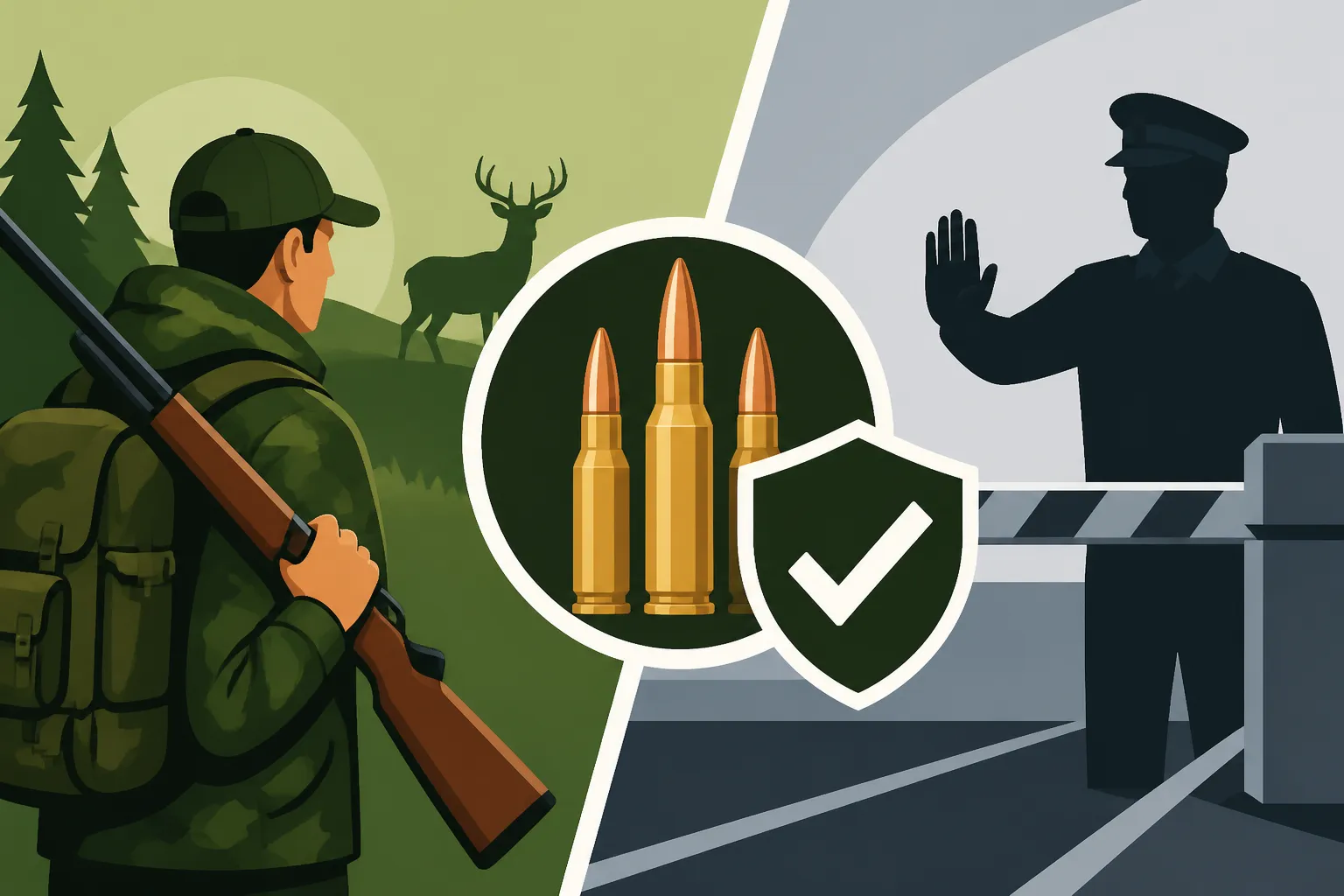
Navigating border crossings with hunting gear, especially ammunition, can feel like a daunting task, filled with worries about paperwork, restrictions, and the dreaded possibility of delays or confiscation. Many of us have heard stories, or even experienced firsthand, the frustration of unclear rules or misinterpretations. This guide is here to cut through the confusion and give you a clear, realistic understanding of the ammunition rules you need to follow when bringing your cartridges into Ontario for your next hunting adventure.
The Basics of Bringing Ammunition into Canada for Hunting
When you're planning a hunting trip to Ontario, getting your firearms sorted out is usually at the top of the list, but understanding the rules for ammunition is just as crucial. It's not as simple as just tossing a box of shells into your truck. Canada has specific regulations that apply to ammunition, and being informed means a smooth entry and a stress-free start to your hunt.
Understanding the "Why" Behind the Rules
The Canadian government, through agencies like the Canada Border Services Agency (CBSA), has a vested interest in public safety and national security. This means that anything crossing the border that could be used as a weapon, including ammunition, is subject to scrutiny. The rules are designed to prevent prohibited items from entering the country and to ensure that legal items are used for their intended purpose – in our case, responsible hunting. It's not about making your life difficult; it's about maintaining control and safety. Think of it less as a hurdle and more as a standard procedure to ensure everyone on both sides of the border is safe and accountable. For anyone crossing with firearms, you’ll also need to understand The Non-Resident Firearm Declaration, which goes hand-in-hand with ammunition rules.
The Role of the Canada Border Services Agency (CBSA)
The Canada Border Services Agency (CBSA) is your first point of contact when you arrive at any land crossing, airport, or marine port. These are the folks who will inspect your documents, ask questions, and ultimately decide if you can enter Canada with your goods, including your hunting ammunition. Their officers are trained to enforce Canada's various laws and regulations, and that includes the Customs Act and the Firearms Act. Being polite, honest, and prepared with all your information is absolutely paramount. They're not just looking at your passport; they're looking for consistency in your story and adherence to the rules. Any perceived evasiveness or attempt to hide something can lead to a much longer inspection, potential fines, or even refusal of entry, which nobody wants when a long-awaited hunt is just hours away.
Permitted Ammunition Types and Restrictions
While many common hunting ammunition types are allowed into Canada, there are critical distinctions you need to be aware of. Not all ammunition is created equal in the eyes of Canadian law, and ignorance is definitely not a valid excuse at the border.
What's Generally Allowed for Hunting?
For most hunters, the ammunition you use for big game like deer, moose, or bear, and for small game or birds, will typically fall under the "non-restricted" category. This includes common rifle cartridges such as .30-06, .270, .308, and shotgun shells for waterfowl or upland birds. These are generally accepted for hunting purposes, provided they meet other criteria we'll discuss. The key is that the ammunition must be compatible with a legally imported and declared non-restricted firearm. If you’re wondering about the legalities of your firearm itself, make sure to check out Legal Firearms and Bows for Big Game.
However, even within these common types, there are nuances. For instance, you can't just bring any kind of bullet. Full metal jacket (FMJ) ammunition, while common for target shooting in some places, is generally not considered suitable or ethical for hunting big game in Ontario and may raise questions at the border. Soft-point, hollow-point, or other expanding bullet designs specifically designed for hunting are the standard. Always ensure your ammunition is appropriate for the species you intend to hunt and aligns with Canadian hunting ethics.
Specific Prohibitions to Watch Out For
This is where many hunters can unintentionally run into trouble. Canada has very strict prohibitions on certain types of ammunition. Here are some of the big ones:
- Tracer, Incendiary, or Explosive Ammunition: These are absolutely prohibited. Do not, under any circumstances, attempt to bring these into Canada. They are considered military-grade and have no place in civilian hunting.
- Armour-Piercing Ammunition: Designed to penetrate bullet-resistant materials, these rounds are also strictly prohibited. This includes bullets with specific core materials like hardened steel or tungsten.
- Rounds designed for Restricted or Prohibited Firearms: While you might legally own certain firearms or ammunition in your home country, if the corresponding firearm is classified as restricted or prohibited in Canada (e.g., certain handguns, AR-15 variants), then ammunition specifically designed only for those firearms will also be prohibited, even if you don't bring the firearm itself. This can be a tricky one, so if you have any doubts about a specific calibre or type, it's always best to err on the side of caution and leave it at home, or better yet, consult the CBSA website directly.
- Oversized or Unusually Configured Ammunition: While less common for hunting, any ammunition deemed "prohibited" due to its design or potential for misuse will be turned away.
The best practice is to stick to standard, commercially manufactured hunting ammunition from reputable brands. If you're planning a trip, a little research into Rules for Non-Residents Hunting Ontario will give you a broader context.
Special Considerations for Shotgun Shells and Rimfire
For shotgun hunters, the rules are a bit more straightforward, but still require attention. Shotgun shells are generally non-restricted, whether they're for bird hunting (small shot sizes) or big game (slugs or buckshot). However, just like with rifle ammo, you can't bring in specialty shells like dragon's breath or similar incendiary types. Stick to your lead or non-toxic shot (where required, like for waterfowl) and slugs.
Rimfire ammunition, such as .22LR, is also typically non-restricted and allowed. Many hunters bring .22LR for small game hunting like rabbits or squirrels, or for plinking targets in designated areas. Again, the same rules apply regarding tracer or incendiary variants – leave them at home. Ensure that your rimfire ammunition is for hunting small game and not, for example, high-velocity military-style rounds.
Quantity Limits and Proper Storage for Your Hunt
Okay, so you know what ammunition you can bring, but how much can you bring, and how should it be stored? These are crucial details that, if overlooked, can cause significant headaches at the border.
Navigating the 200-Round Limit for Non-Restricted Firearms
For non-restricted firearms, which covers most common hunting rifles and shotguns, the standard rule for personal use is that you can import up to 200 rounds of ammunition per firearm. However, there's a nuance here: if you're importing a non-restricted firearm and a non-restricted firearm declaration, you can bring up to 200 rounds of ammunition for that firearm. If you're bringing multiple firearms, that limit applies per firearm you've declared.
It's important to understand that this limit is generally applied to personal use for the duration of your hunt. Bringing an excessive amount, say thousands of rounds for a single rifle for a week-long hunt, might raise questions, even if you technically have multiple firearms declared. Border agents have discretion, and if they suspect you're bringing ammunition for commercial purposes or to supply others who haven't declared, you could face problems. My advice? Be realistic about what you'll use. A typical big game hunt might only require a box or two of rifle cartridges. Even for a week of goose hunting, a few boxes of shells will usually suffice. For a longer trip, or if you're engaging in multiple types of hunting, plan accordingly but always justify your quantity based on your legitimate hunting plans.
Packing Your Ammunition for Border Crossing and Transport
This is where the rubber meets the road. Improperly stored ammunition is a red flag and a safety hazard. Here’s how you should pack your ammunition:
- Separate from Firearms: Ammunition must be stored separately from your firearms. Never have ammunition loaded in your firearm, or even stored in the same case. This is a fundamental safety rule that border agents will strictly enforce.
- Original Packaging or Secure Containers: Ideally, keep ammunition in its original factory packaging. If you reload or use different containers, ensure they are sturdy, clearly labeled, and designed for ammunition storage. Loose ammunition rattling around in a bag is a definite no-go. Use proper plastic or metal ammunition boxes that securely hold the rounds.
- Locked Containers: While the Customs Act doesn't always mandate a locked container for ammunition specifically (unlike firearms), it's highly recommended for safety and to demonstrate your responsible approach. Many hunters use a sturdy, lockable hard case for their ammunition, separate from their firearm case. This also aligns with What to Bring to an Ontario Bush Camp where secure storage for all gear is essential.
- Inaccessible Location: Store your ammunition in a part of your vehicle where it's not readily accessible to you or passengers while driving. The trunk of a car or a locked toolbox in the bed of a truck are good examples.
Being diligent about these storage rules shows the CBSA officer that you are a responsible and informed hunter.
Declaring Your Ammunition: Don't Get Caught Off Guard
This is perhaps the most critical step. Honesty and transparency are your best friends when crossing the border with any regulated item, and ammunition is no exception. Trying to sneak something in, even unintentionally, can have severe consequences.
The Importance of a Full and Honest Declaration
When the border services officer asks you "Do you have any firearms or ammunition?", the answer, if you're bringing it, must be an unequivocal YES. Do not hesitate, do not try to minimize, and do not forget. State clearly what you have: "Yes, I have one hunting rifle and two boxes of .30-06 ammunition, and a shotgun with three boxes of 12-gauge shells." Be precise with calibres and quantities.
It’s astonishing how many people, often due to nerves or a lapse in memory, might say "no" or "just a rifle." The officers are trained to detect these things, and if they find undeclared ammunition during an inspection, even if it's legally importable, they will view it as an attempt to smuggle. This can lead to:
- Confiscation: Not just of the undeclared ammunition, but potentially your firearms and vehicle too.
- Fines: Significant monetary penalties can be levied.
- Arrest and Charges: In serious cases, or repeat offenses, you could face criminal charges.
- Refusal of Entry: Your entire hunting trip could be over before it even begins, and you might be flagged for more intensive inspections on future visits.
It's simply not worth the risk. Be upfront, be clear, and be confident in your declaration. This applies not just to ammunition but also to firearms themselves; you'll need to know about Bringing Firearms Into Ontario.
What to Expect When You Arrive at the Port of Entry
Here's a typical scenario when you arrive at the border:
- Initial Questions: The first officer you encounter will ask standard questions about your citizenship, destination, purpose of travel, and goods being imported. This is your cue to declare your firearms and ammunition clearly.
- Secondary Inspection: If you declare firearms and ammunition, you will almost certainly be directed to a secondary inspection area. This is normal, so don't be alarmed. It simply means they need to verify your declarations and complete the necessary paperwork.
- Firearm Declaration Form: This is where you'll present your completed non-resident firearm declaration form (Form RCMP 5589/CAFC 909) for your firearms. Ensure it's filled out correctly and signed. This form also covers the ammunition you're bringing for those declared firearms.
- Verification: An officer will usually ask to see your firearms and ammunition. They'll verify the serial numbers on your firearms match the declaration and check the type and quantity of ammunition. This is why proper storage and clear labelling are so important. They might ask about your hunting plans, where you're going, and for how long, to gauge if the amount of ammunition is reasonable for your declared purpose.
- Payment and Release: Once everything is verified and in order, you'll pay a fee for the firearm declaration form. Once payment is processed, you'll be given your stamped declaration and released to continue your journey into Ontario.
This process can take anywhere from 15 minutes to an hour or more, depending on how busy the border crossing is and how prepared you are. Planning your border crossing for off-peak times can sometimes help speed things up. And remember, thorough planning for your entire journey, including checking specific Ontario Deer Season Dates and Tags or other game seasons, will ensure you're fully prepared.
| Ammunition Aspect | Key Rule / Best Practice | What to Avoid |
|---|---|---|
| Type | Standard commercial hunting rounds (soft-point, hollow-point) | Tracer, incendiary, armour-piercing, or military-style FMJ ammunition |
| Quantity | Up to 200 rounds per legally declared non-restricted firearm for personal use | Excessive quantities that suggest commercial intent |
| Storage (Border) | Separate from firearms, in original boxes or secure containers, in accessible location for inspection, consider locked case | Loose rounds, mixed with firearms, hidden in luggage, loaded into a firearm |
| Storage (In Ontario) | Same as above, secure and inaccessible during transport | Loaded firearms in vehicles, unsecured ammunition within reach |
| Declaration | Always declare firearms and ammunition verbally and truthfully at the first opportunity | Hesitation, minimizing, failing to declare, or trying to hide anything |
| Documentation | Non-Resident Firearm Declaration form (RCMP 5589/CAFC 909) for firearms | Forgetting this form, or providing incomplete/inaccurate information |
Remember, preparing thoroughly for your hunting trip means more than just scouting locations or knowing When Ontario's Archery Season Opens. It means being a responsible and informed traveler, especially when it comes to firearms and ammunition. Taking the time to understand and follow these rules will ensure your focus remains where it should be: on a successful and enjoyable hunting experience in Ontario's beautiful wilderness. Happy hunting!
Disclaimer
This article is for general informational purposes only and does not constitute professional advice. Laws, prices and regulations vary by location and change over time. Consult a qualified professional for guidance on your specific situation.