Taking a Trophy Across the Border
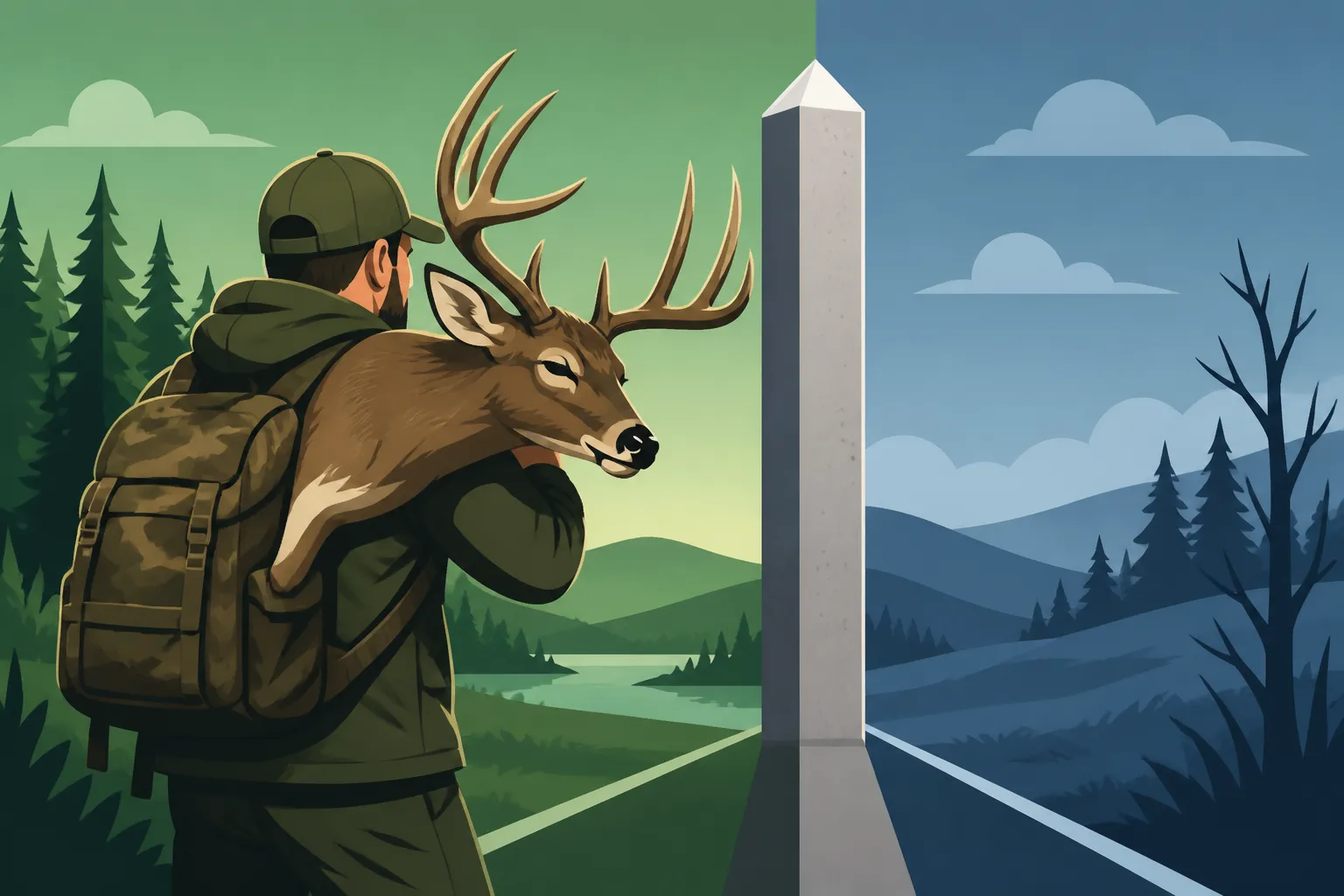
So, you’ve put in the time, braved the elements, and finally tagged that magnificent whitetail buck, a majestic moose, or maybe a massive black bear here in Ontario. The hard part, you might think, is over. But then the realization hits: you're not just taking this trophy home; you're taking it across an international border, and suddenly, the joy of the hunt is mixed with a knot of anxiety. The thought of all that hard work and expense being held up at customs is enough to give any hunter a headache. It's a completely valid concern, because the rules aren't always crystal clear, and making a mistake can lead to serious heartache and a lost trophy. This guide is here to walk you through the often-confusing process of successfully bringing your Ontario hunting trophy back across the border to your home country, ensuring your memories of a successful hunt remain just that – memories, not bureaucratic nightmares.
Understanding Canadian Export Regulations for Hunting Trophies
Before your trophy even gets a sniff of a U.S. border crossing, it needs to legally leave Canada. This is where many hunters, especially those new to international hunting, can get tripped up. It’s not just about having a valid hunting license and tag; it’s about making sure you have the correct documentation for the actual wildlife product you intend to export. Think of it as a farewell party for your trophy in Canada – all the paperwork needs to be in order before it can leave.
Required Documentation for Wildlife Products
The most crucial piece of paper you’ll need is an export permit. For non-resident hunters, this usually comes in the form of a Non-Resident Hunter Export Permit. It sounds straightforward, but missing a detail here can cause significant delays. This permit verifies that you legally harvested the animal in Ontario and are authorized to take its parts out of the country. Your hunting license and specific tag for the animal (e.g., your deer tag or moose tag) are foundational to getting this export permit. You can't get one without the other.
Imagine you've just come out of the bush from a successful Moose Hunting Ontario's Northern Bush trip. You've got your moose head, hide, and meat. The meat is one thing, but the trophy parts are another. You'll need to present your valid hunting license, your Outdoors Card, and the notched, attached tag from the animal you harvested. The tag acts as your proof of ownership and legal take. Sometimes, your outfitter can help with this process, as they're often familiar with the requirements, but ultimately, it's your responsibility to ensure all necessary paperwork is in order. Make sure you understand What the Export Permit Covers before you even start the packing process.
Species-Specific Export Considerations
Not all game animals are treated equally when it comes to international export. While a whitetail deer trophy typically has fewer hurdles, certain species, or parts of species, fall under international treaties like CITES (Convention on International Trade in Endangered Species of Wild Fauna and Flora). While most common Ontario game species aren't CITES-listed for general hunting, understanding this framework is critical, especially if you were ever considering less common or exotic hunts elsewhere.
More pertinent to Ontario, however, are health and disease-related regulations. For instance, concerns about Chronic Wasting Disease (CWD), while not present in Ontario's wild cervid populations currently, can influence what parts of a deer, moose, or elk are allowed to cross. Typically, you might be restricted from bringing in brain, spinal cord, or certain lymphatic tissues if CWD is a concern. Always check the latest regulations for What CWD Means for Ontario Deer and its implications for importing parts. For many hunters, this means ensuring your taxidermist cleans the skull plate meticulously, removing all brain and soft tissue. For a bear, you’ll need to comply with specific rules, often including a Bear Validation Certificate, which helps track harvests and ensure legality. It's not just about the bones and fur; it's about making sure no prohibited biological material inadvertently hitches a ride.
Navigating U.S. Import Laws for Game Trophies
Once you’ve got Canadian export locked down, it’s time to tackle the U.S. side of the border. This is where the complexity can really ramp up, as you’re dealing with multiple federal agencies, and potentially state-specific rules on top of that. It's a bit like trying to solve a puzzle with different pieces from different boxes.
Federal Regulations: US Fish and Wildlife Service (USFWS) and Customs and Border Protection (CBP)
When bringing any wildlife product into the United States, you'll primarily be dealing with two key federal agencies: the U.S. Fish and Wildlife Service (USFWS) and U.S. Customs and Border Protection (CBP). These agencies work in tandem but have distinct roles. CBP is focused on general customs and security, while USFWS specifically regulates the import and export of wildlife to ensure compliance with laws like the Lacey Act and CITES.
You'll need to declare your trophy to both agencies. For USFWS, this usually involves completing a Form 3-177 (Declaration for Importation or Exportation of Fish or Wildlife) upon arrival at a designated port of entry. Not all border crossings are authorized for wildlife imports, so you must check which ports are designated USFWS ports. Attempting to cross at a non-designated port can result in your trophy being seized. This declaration confirms the species, where and when it was harvested, and that you have all the necessary Canadian permits. Failing to declare or having incomplete documentation can lead to severe penalties, including fines and confiscation of your trophy. It's a moment that can make even the most seasoned hunter sweat, especially if you've invested significant time and money, perhaps after finding your dream hunt through a platform like BookYourHunt.
State-Specific Import Rules
Beyond federal regulations, your home state might have its own import rules for game trophies. This is often overlooked, but it's critically important. Some states have specific health or disease regulations, while others might have additional permit requirements for certain species. For example, some states might require a veterinary inspection certificate for certain parts, or have stricter rules regarding CWD-susceptible materials than federal law.
Before you even leave for your Whitetail Hunting in Ontario adventure, it's wise to check with your state's fish and wildlife agency or department of natural resources. A quick call or a visit to their website can save you a ton of hassle. Imagine getting through all the Canadian and federal U.S. checkpoints, only to have your magnificent whitetail rack held up by your state authorities because you didn't know about a specific requirement. It's a frustrating scenario that's entirely avoidable with a bit of proactive research. This level of detail is something serious hunters planning big trips often consult resources like GoHunt for, ensuring they've covered all their bases.
Preparing Your Trophy for Border Crossing
Proper preparation of your trophy is not just about aesthetics; it's a critical step to ensure a smooth border crossing. A poorly prepared trophy can be held up for health inspections, or even refused entry, rendering all your hard work moot. Think of it as presenting your trophy in its best light to the customs agents, proving it's clean and safe.
Field Care and Initial Processing
The work begins right in the field. As soon as your animal is down, proper field care is paramount. For a taxidermy mount, especially a shoulder mount, the cape (hide from the neck and shoulders) needs to be properly removed and cooled quickly. Any meat or fat left on the cape will spoil, leading to hair slippage and ruining the trophy. If you’re not experienced, having your outfitter or a local butcher/taxidermist handle the skinning and caping is often the best route.
For skull mounts or antlers, the skull plate needs to be cleaned of all brain matter and tissue. This is particularly important for CWD-susceptible species. If you’re leaving the skull plate attached to the antlers, ensure it’s boiled or thoroughly cleaned. For a moose, for example, after a successful Calling a Bull Moose in the Rut experience, you’ll want to ensure that massive skull plate is as clean as possible. Freezing the cape and skull is often the best preservation method for transport, especially if you're driving long distances. Ensure everything is well-packaged to prevent contamination and leakage during transit.
Professional Taxidermy and Shipment
For many non-resident hunters, the easiest and most reliable way to handle trophy preparation and export is to work with a reputable Ontario taxidermist or an outfitter who collaborates closely with one. These professionals are well-versed in Canadian export requirements and often have established relationships with freight forwarders and customs brokers. They can ensure the trophy is properly preserved, prepared, and all the necessary documentation is handled.
An experienced taxidermist will properly salt and tan the hide (or prepare it for tanning), clean the skull, and package everything according to international shipping standards. They’ll also be able to advise on or directly facilitate the acquisition of the Non-Resident Export Permit and assist with the USFWS declaration. While shipping your trophy through a taxidermist might involve additional costs, it often saves a tremendous amount of personal stress and greatly reduces the risk of border issues. They understand the nuances, from Skinning a Bear for a Rug to preparing a whitetail cape for a life-size mount, and ensure it meets all regulatory standards. Often, if you've booked your hunt through a service like BookYourHunt or GoHunt, they may even have preferred taxidermy partners who specialize in cross-border shipments.
Common Pitfalls and How to Avoid Them
Even with the best intentions, hunters can run into trouble at the border. The key to a smooth process is diligence and proactive planning, rather than hoping for the best. Learning from others' mistakes can save you significant grief.
Incomplete Paperwork and Missed Deadlines
This is, by far, the most common reason for border issues. Hunters often underestimate the sheer volume and precision required for documentation. It's not enough to have most of the papers; you need all of them, filled out accurately and completely. Missing a signature, an identification number, or an incorrect date can be enough to trigger a full inspection and potential seizure.
Let's say you just finished a fantastic Rifle Hunting Ontario's Deer Season in late November. You're tired, happy, and just want to get home. It’s easy to rush through the paperwork. However, double-checking every line on your Non-Resident Export Permit, your hunting license, and especially the USFWS Form 3-177 is crucial. If your outfitter is helping, confirm they've submitted everything correctly and on time. Deadlines can also be an issue; sometimes, permits or declarations have submission windows. Missing these can mean a delay of weeks or even months for your trophy to cross. A detailed checklist, cross-referenced with both Canadian and U.S. requirements, is your best friend here. Consider using a service that helps manage permits, or a reputable outfitter for Booking an Ontario Deer Hunt, as they often streamline this process.
Improper Preparation and Contamination Risks
Another frequent pitfall is insufficient preparation of the trophy itself. Any remaining flesh, blood, or brain matter on a skull or cape can pose a biological risk, leading to intense scrutiny, mandatory cleaning (at your expense), or outright refusal. This isn't just about CWD; it's about general health and sanitation.
Imagine bringing back the antlers of a Why Southern Ontario Grows Heavy Bucks from your hunt, but the skull plate still has some dried tissue attached. A border agent, especially a USFWS agent, might flag this. They are trained to look for potential vectors for disease. If you're bringing back raw capes, they must be properly fleshed, salted, and dried to prevent spoilage and bacterial growth. Moisture, especially, can be a major issue. For Meat Care in Ontario's Warm Early Seasons, you know how quickly things can go bad. The same applies, even more critically, to trophy parts crossing borders. Using industrial-grade salt, proper drying methods, and sturdy, sealed packaging is key. If you are unsure, invest in a professional taxidermist or processing service in Ontario. It's a small price to pay to protect your hard-earned trophy.
Here's a quick reference table for key documents and considerations:
| Document/Item | Purpose | Key Considerations |
|---|---|---|
| Ontario Outdoors Card | Required to purchase licenses | Valid and current for the hunting season. |
| Ontario Hunting License | Legal authorization to hunt | Species-specific license, ensure it's valid for your game. |
| Ontario Game Tag | Proof of legal harvest and ownership | Must be notched/marked as required and attached to the animal/trophy part. |
| Non-Resident Export Permit | Legal permission to export wildlife from Canada | Required for all non-resident hunters taking game parts out. Obtain before leaving. |
| USFWS Form 3-177 | Declaration for importing fish/wildlife into the U.S. | Must be completed accurately, presented at a designated USFWS port of entry. |
| State Import Requirements | Specific rules for your home state | Check with your state's wildlife agency before your trip for any additional permits or restrictions. |
| Trophy Preparation | Ensures health compliance and preservation | Capes properly fleshed/salted, skulls clean of all tissue. Freezing is often best for raw products. |
| CITES Permits (if applicable) | For internationally protected species/parts | Rare for common Ontario game, but always verify, especially for non-traditional hunts. |
| Firearms Declaration | For bringing firearms into Canada | The Non-Resident Firearm Declaration is separate but part of the overall border crossing experience. |
Remember, the responsibility ultimately rests with you, the hunter, to ensure all these ducks are in a row. Don't be afraid to ask questions of your outfitter, the border agents (in advance, if possible), or relevant government agencies. A little bit of homework goes a long way in turning a potentially stressful border crossing into a smooth final step of an unforgettable hunting adventure.
Disclaimer
This article is for general informational purposes only and does not constitute professional advice. Laws, prices and regulations vary by location and change over time. Consult a qualified professional for guidance on your specific situation.