Booking an Ontario Deer Hunt
Dreaming of a whitetail hunt in Ontario, but feeling lost in the maze of regulations, outfitters, and the vast, unknown bush? It's a common feeling, and frankly, a valid one. The idea of chasing a big northern buck or a crafty southern farm deer is exciting, but the logistics can quickly turn that excitement into apprehension, especially if you're coming from out of province or simply new to guided hunts. This guide is here to untangle that knot, offering a clear path to planning and booking your unforgettable Ontario deer hunt, ensuring you feel prepared and confident every step of the way.
Why Hunt Deer in Ontario?
Ontario, with its immense and varied landscapes, offers some truly remarkable deer hunting opportunities that often fly under the radar for many hunters. When people think of big game in Ontario, moose and bear often come to mind first, and for good reason! But the whitetail deer population across the province, particularly in certain regions, is robust and capable of producing truly impressive animals. From the dense, expansive boreal forests of the north to the fertile agricultural lands of the south, Ontario provides diverse challenges and rewards for deer hunters of all stripes.
For many, the appeal lies in the sheer challenge of hunting vast tracts of public land in the north, where deer densities might be lower, but the rewards of a truly wild, hard-earned buck are immense. Imagine tracking through miles of mixed forest, reading subtle signs, and finally connecting with a deer that has truly earned its place in the wilderness. It's a primal experience, far removed from the more managed hunts found in some other jurisdictions.
Then there's the southern Ontario experience, which offers a completely different, yet equally compelling, hunt. Here, the landscape is a patchwork of hardwoods, cedar swamps, and agricultural fields, where deer often grow larger due with abundant food sources. The challenge here shifts to navigating smaller, often fragmented parcels of cover, gaining landowner permission, and outsmarting deer that are highly attuned to human presence. The potential for a truly heavy-bodied buck with an impressive rack in these areas is a major draw. Ontario truly has something for everyone, whether you're after a wilderness adventure or a trophy whitetail closer to civilization.
The Allure of Ontario Whitetails
There's a certain mystique to Ontario whitetails. Our deer, especially those in the northern reaches, are incredibly resilient animals, adapted to harsh winters and vast, rugged terrain. They might not always carry the gargantuan racks you see from some Midwestern states, but they are often heavier-bodied, tougher, and incredibly wary, making a successful harvest all the more satisfying. It's not just about the size of the antlers, but the quality of the hunt itself.
The sheer variety of habitat means that your hunting experience will be vastly different depending on where you choose to pursue deer. In the Canadian Shield country, you might be still-hunting through thick stands of pine and spruce, or patiently waiting on a hardwood ridge overlooking a beaver pond. In southern agricultural zones, you could be setting up on a field edge, trying to intercept deer moving between bedding and feeding areas. Each environment presents its own unique set of challenges and opportunities, ensuring that no two hunts are ever quite the same. This diversity is a huge part of what makes White-Tailed Deer Across Ontario such a compelling target for hunters.
Diverse Hunting Environments
Ontario is a massive province, and its deer habitat reflects that scale. You've got everything from the rocky, forested Canadian Shield, dotted with countless lakes, to the rich farmlands that stretch across the southern part of the province. This means your hunting strategy, and even the type of gear you'll need, will vary dramatically. For instance, hunting deer in the deep woods of northern Ontario often involves more walking, more reliance on tracking, and a keen eye for subtle sign, whereas Hunting Deer in Southern Ontario Farmland might call for a more static approach, utilizing blinds or treestands overlooking travel corridors.
Understanding these different environments is key to choosing the right hunt for you. Are you looking for a physically demanding wilderness experience where you might not see many other hunters? Or do you prefer a hunt with easier access and a higher density of deer, even if it means more competition? Ontario offers both extremes and everything in between. This wide array of options allows hunters to tailor their experience to their personal preferences, skills, and physical capabilities, making it a truly versatile destination for deer hunters.
Understanding Ontario's Deer Hunting Landscape
Before you even start thinking about an outfitter, it’s crucial to wrap your head around the basic framework of deer hunting in Ontario. The province operates under a system designed to manage wildlife populations sustainably, which means understanding things like Wildlife Management Units (WMUs), licensing, and specific season dates. Navigating these regulations can feel a bit like learning a new language, especially for non-residents, but it's essential for a legal and successful hunt.
Many hunters, particularly those from outside the province, find themselves scratching their heads over the nuances. You might be used to a simple statewide tag, but here, it's a bit more granular. The good news is that once you understand the core concepts, it makes a lot of sense, and it ensures that deer populations remain healthy for generations to come. Don't feel overwhelmed; every seasoned Ontario hunter started exactly where you are now.
Wildlife Management Units (WMUs) and Seasons
Ontario is divided into numerous Wildlife Management Units, or WMUs, each with its own specific regulations, season dates, and bag limits. This isn't just arbitrary; these units are designed based on ecological factors, deer densities, and human population centres. What's legal in WMU 42 might be completely different from WMU 76. For example, some WMUs might have an extended archery season, while others might be shotgun-only zones during firearm seasons. It's a complex mosaic, but it allows for fine-tuned management.
When you're looking at booking a deer hunt, the first thing you and your potential outfitter will discuss is the WMU you'll be hunting in. This will dictate your Ontario Deer Season Dates and Tags and what kind of weapon you can use. Some WMUs, particularly those closer to urban areas, have restricted firearm choices, often limiting hunters to shotguns or muzzleloaders for safety reasons. Others in vast northern areas allow rifles. Always double-check the specific WMU regulations for your chosen hunt area, because getting it wrong can lead to a forfeited tag or worse.
Licensing and Tags for Deer Hunting
Ah, the paperwork! It's never the fun part, but it's absolutely non-negotiable. To hunt deer in Ontario, you'll need an Outdoors Card, which is your general hunting identification number. On top of that, you'll need the appropriate deer hunting licence and tags. For residents, it's a relatively straightforward process, but for non-residents, there are a few extra steps, including specific Rules for Non-Residents Hunting Ontario. Many outfitters will assist non-residents with this process, which is a huge relief for those unfamiliar with the system.
The type of tag you get will depend on the WMU and the specific deer you're after. Some tags are "controlled hunt validations" or "antlerless deer tags" that require you to apply in a draw, typically well in advance of the season. Other tags might be general rifle or archery tags that are purchased over the counter or online. It's critical to understand what your chosen hunt entails regarding tags. For instance, some northern WMUs might have unlimited antlered deer tags, while southern WMUs often require a successful draw for an antlerless tag. Make sure you know What a Non-Resident Deer Licence Costs and factor that into your budget early.
Self-Guided vs. Outfitter-Assisted Hunts
Deciding whether to go it alone or hire an outfitter is one of the biggest choices you'll make when planning your Ontario deer hunt. Both approaches have their merits, and what's right for one hunter might be completely wrong for another. It really boils down to your experience level, budget, and how much planning and physical work you're willing to put in versus how much you want handled for you.
Many seasoned Ontario hunters have years of experience navigating Crown Land and private property on their own, finding success through diligent scouting and hard work. But for those new to the province, or those looking for a different kind of experience, an outfitter can be an invaluable resource. There's no right or wrong answer here, just what fits your hunting style and desires best.
The Self-Guided Adventure
A self-guided deer hunt in Ontario offers the ultimate freedom and a deep sense of accomplishment. You're responsible for everything: scouting, navigation, setting up camp, cooking, calling, tracking, and game recovery. This kind of hunt often appeals to experienced hunters who love the challenge of figuring things out for themselves and are familiar with the terrain and regulations. It's typically a more budget-friendly option, as you're not paying for a guide's services, lodging, or pre-scouted areas.
However, a self-guided hunt demands a significant investment of time, knowledge, and equipment. You need to be proficient in reading maps, using GPS, understanding deer behaviour in specific Ontario habitats, and capable of handling all aspects of a hunt in potentially remote areas. For non-residents, this also means navigating border crossings with firearms, understanding local laws, and having a solid plan for meat care and transport. While incredibly rewarding, it's not for the faint of heart or the unprepared. Think about the extensive planning involved in Hunting Ontario's Crown Land – it's a huge undertaking!
The Outfitter-Assisted Experience
On the other hand, booking an outfitter-assisted hunt significantly streamlines the process and can greatly increase your chances of success, especially if you're unfamiliar with Ontario's hunting conditions. Outfitters provide a range of services, from basic "drop camps" where they simply get you into a remote area, to fully guided, all-inclusive packages that cover lodging, meals, transportation, and expert guiding. This is where Hunting Guides and Outfitters in Ontario really shine, as they take the guesswork out of the equation.
For many hunters, especially those traveling a long distance, the convenience and local expertise offered by an outfitter are invaluable. They have pre-scouted areas, know the deer patterns, understand the local regulations implicitly, and can often provide insights into deer behaviour you wouldn't get anywhere else. This means less time worrying about logistics and more time focused on the hunt itself. While it comes with a higher price tag, the peace of mind and enhanced experience often make it a worthwhile investment.
Here's a quick comparison to help you weigh your options:
| Feature | Self-Guided Hunt | Outfitter-Assisted Hunt |
|---|---|---|
| Cost | Generally lower (licence, gear, travel, food) | Higher (package fee, licence, tips, travel) |
| Effort | High (all planning, scouting, execution) | Moderate to Low (outfitter handles much of the logistics) |
| Local Knowledge | Requires extensive self-research or prior experience | Provided by experienced guides, intimate area knowledge |
| Success Rate | Highly dependent on hunter skill, research, luck | Potentially higher due to pre-scouting and guide expertise |
| Flexibility | Maximum freedom to choose location, tactics, pace | Limited by outfitter's schedule and hunting areas |
| Amenities | Primitive (camping) to basic lodging (cabins) | Ranges from rustic camps to comfortable lodges |
| Logistics | All handled by hunter (travel, gear, permits) | Many logistics handled by outfitter (transport, meals, permits) |
| Ideal For | Experienced, adventurous hunters on a budget | Hunters seeking convenience, expertise, or new to area |
Choosing the Right Outfitter for Your Deer Hunt
So, you've decided an outfitter is the way to go. Excellent choice! Now comes the critical step of finding the right one. This isn't just about picking the first name you see; it's about finding an outfitter that matches your hunting style, budget, and expectations. A good outfitter can make your Ontario deer hunt an incredible experience, while a poor one can lead to frustration and disappointment. Take your time, do your homework, and ask plenty of questions.
Remember, you're not just booking a service; you're often entrusting your precious hunting vacation, and a significant financial investment, to these folks. It's like finding the right mechanic or contractor – you want someone reliable, knowledgeable, and honest. Don't rush this process; the best outfitters are often booked well in advance, so early planning is key.
Researching Ontario Deer Outfitters
Start your research by looking for outfitters specifically advertising deer hunts in Ontario. Many outfitters focus on moose or bear, so make sure their deer program is robust. Online directories and hunting forums can be a good starting point. Platforms like BookYourHunt can be a great starting point for browsing various operations and seeing what's available across different regions. Also, check out Ontario Outfitters in the Northwest or Ontario Outfitters in the South for regional options. Look for clear descriptions of their deer hunting packages, available WMUs, and success rates.
Don't just rely on pretty websites. Pay attention to reviews and testimonials, but take them with a grain of salt – a single bad review doesn't necessarily mean a bad outfitter, but a pattern of similar complaints should raise a red flag. Look for consistency in what past clients say about the quality of the guides, the camp conditions, and the hunting opportunities. These initial steps are about narrowing down your options to a manageable list of potential candidates.
Key Questions to Ask Potential Outfitters
Once you have a shortlist, pick up the phone and have a conversation. This is your chance to get a feel for the outfitter and clarify all the details. Don't be shy; a reputable outfitter will welcome your questions. Here are some crucial ones:
- What WMU(s) do you operate in for deer? This will dictate your season dates and regulations.
- What kind of deer hunting opportunities do you offer? Still-hunting, stand hunting, drives? Are they focusing on Hunting a Hardwood Ridge for Whitetails or Hunting a Standing Corn Field Edge?
- What's included in the package price? Be specific: guiding, lodging, meals, transportation to/from camp, field dressing, caping, trophy care, transportation to a butcher?
- What's not included? This is just as important. Expect to cover your licence, tags, personal gear, tips, and sometimes meat processing.
- What are your typical success rates for deer? Ask for details – is it success rate on deer seen, opportunities, or deer harvested? Success Rates on Ontario Bear Hunts (though for bear) can give you an idea of how outfits report. Be realistic; no outfitter can guarantee a kill.
- Can you provide references from past deer hunters? This is perhaps the most important question. A good outfitter will happily provide contact information for several recent clients you can call.
- What is your guide-to-hunter ratio? One-on-one means more personalized attention, but also higher cost. Two-on-one is common.
- What's the best time to hunt deer in your area? Early season, rut, late season? Each has its pros and cons. They might suggest Hunting the Rut in Early to Mid November.
- What kind of terrain can I expect? Is it physically demanding, or relatively flat?
- What specific gear do I need to bring? They'll have insights into local weather and terrain.
- What's your policy on wounded game? Ethical recovery is paramount.
When speaking with references, ask them about their overall experience, if the hunt met their expectations, if there were any hidden costs, and if they would book with that outfitter again. Platforms like GoHunt can also offer valuable insights from other hunters, but direct references are gold.
Planning Your Outfitter Hunt: Logistics and Expectations
Once you've chosen an outfitter and booked your deer hunt, the real planning for your trip begins. It's not just about showing up; there are several logistical considerations and expectations you need to manage to ensure a smooth and enjoyable experience. This includes understanding the booking timeline, what your package truly covers, and what you're responsible for bringing or arranging yourself.
Being proactive and organized during this phase will save you a lot of headaches down the road. Outfitters are busy, and while they want you to have a great hunt, they also expect you to handle your end of the bargain. Clear communication is your best friend here.
Booking Timeline and Deposits
Most reputable Ontario deer outfitters, especially those with high demand, require booking well in advance, sometimes a year or more out. This is particularly true if you're aiming for prime dates during the rut. Expect to pay a deposit, often a significant portion of the total cost, to secure your spot. Make sure you understand the outfitter's deposit and cancellation policy. When Deposits Are Due and Whether They Refund is a key piece of information. What happens if you have to cancel? What if they have to cancel due to unforeseen circumstances like severe weather or wildfires?
Confirm all dates, costs, and inclusions in writing. A contract or a detailed confirmation email outlining everything you discussed is standard practice. This protects both you and the outfitter. Don't be afraid to ask for clarification on any point you're unsure about. It's much better to understand everything upfront than to face surprises once you're in camp.
What Your Package Includes (and Doesn't)
Outfitter packages vary widely, but typically, a guided deer hunt will include accommodation, meals, and professional guiding services. For instance, an outfitter might pick you up at a designated meeting point, transport you to camp, provide a comfortable cabin, serve hearty meals, and take you out each day with a guide to known deer hotspots. They might handle field dressing and getting your deer back to camp.
However, it's crucial to clarify what's not included. Your hunting licence and tags are almost always your responsibility to purchase. Personal gear, such as clothing, rifle/bow, ammunition, and optics, is also yours to provide. Tips for your guide and camp staff are customary and expected; make sure you budget for How Much to Tip an Ontario Guide. Meat processing, taxidermy, and shipping of your trophy often incur additional costs. Confirming these details upfront will prevent any financial surprises. Always assume if it's not explicitly listed as "included," then it's an extra cost you'll need to cover.
Preparing for Your Ontario Deer Hunt
With your hunt booked, now it's time to get ready for the actual adventure! Preparation is key to a successful and enjoyable hunting trip, especially in Ontario's varied and sometimes rugged environments. This involves not just packing the right gear, but also getting yourself physically and mentally prepared for the challenges and rewards that lie ahead.
Don't underestimate the importance of this phase. Many hunts are made or broken before a hunter even steps foot in the bush, simply because they weren't adequately prepared for the conditions or the demands of the hunt. Think about what it takes to track an animal for miles in mixed forest, or sit motionless in a stand for hours in brisk November air.
Physical and Mental Conditioning
Deer hunting, particularly in Ontario's northern regions or if you're Hunting Deer in Ontario's Mixed Forest, can be physically demanding. Expect to walk long distances over uneven terrain, through thick bush, or potentially up and down ridges. You might need to help drag a deer out of a swamp or uphill. Start a fitness regimen well before your hunt: focus on cardio, strength training, and endurance. Being in good physical shape will not only make the hunt more enjoyable but also increase your chances of success and safety.
Mental preparation is just as important. Hunting involves patience, perseverance, and the ability to handle frustration. You might sit for hours and see nothing, or make a mistake that costs you an opportunity. Be prepared for early mornings, cold weather, and long days. Having a positive attitude and realistic expectations will go a long way in ensuring a memorable experience, regardless of whether you fill your tag.
Essential Gear and Clothing
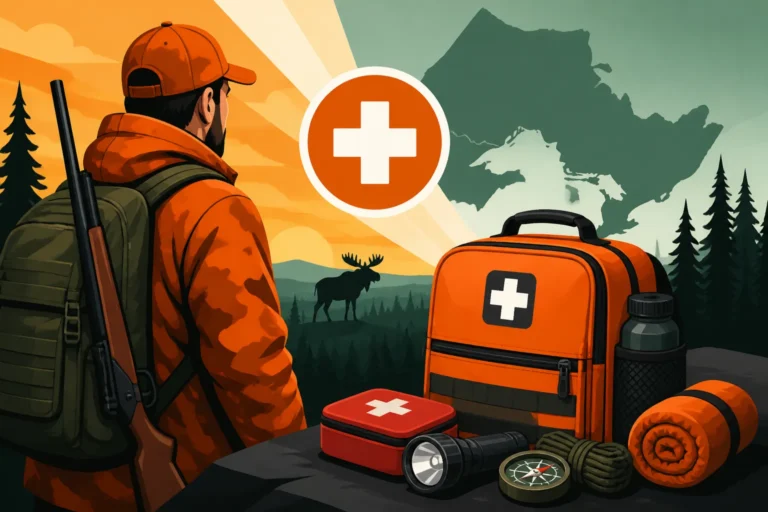
The right gear can make or break your comfort and effectiveness in the field. Ontario weather can be unpredictable, especially during the fall deer seasons. Layers are your best friend, allowing you to adapt to changing temperatures throughout the day. Pack quality waterproof and windproof outerwear, warm base layers, and insulated boots. Don't forget a good hat, gloves, and a neck gaiter. Make sure to consider How Much Blaze Orange Ontario Requires and bring the appropriate amount.
For hunting equipment, your rifle or bow should be sighted in and you should be proficient with it. Bring good quality binoculars and a rangefinder. A headlamp, first-aid kit, navigation tools (GPS, compass, map), and a sharp knife are absolute essentials. Your outfitter will provide a packing list, but it's always wise to add personal items that you know you'll need. If you're using a firearm, ensure you understand Bringing Firearms Into Ontario regulations and have all necessary documentation.
Making the Most of Your Guided Deer Hunt
You've planned, you've prepared, and now you're finally in Ontario, ready to hunt. This is where your attitude and cooperation with your guide truly come into play. A guided hunt is a partnership; the guide brings the knowledge of the land and the deer, and you bring your hunting skills and good sportsmanship. To maximize your chances of success and ensure a fantastic experience, there are a few key things to remember while you're in camp and in the field.
It's easy to get caught up in the excitement, but staying focused and communicative with your guide will make all the difference. Remember, they are invested in your success too, and they want you to have a great time.
Communicating with Your Guide
Your guide is your most valuable asset during the hunt. Be open and honest with them from the moment you meet. Discuss your hunting preferences, your physical capabilities, and your expectations. If you have any limitations, communicate them clearly. For instance, if you're not comfortable with a long shot, tell them before you're in a high-pressure situation. If you're physically struggling, let them know so they can adjust the pace.
Listen intently to your guide's advice. They spend countless hours in the bush and know the local deer patterns, preferred bedding areas, and travel routes. They'll tell you about Reading Whitetail Sign in Ontario Hardwoods or where the deer are likely to be bedding during a certain weather pattern. Trust their judgment, even if it differs from what you might do back home. Respect their decisions, and always remember they have your best interests at heart, both for safety and success.
Ethical Hunting and Safety Practices
Safety is always paramount. Follow all of your guide's safety instructions, especially regarding firearm handling, crossing fences, and navigating unfamiliar terrain. Always be aware of your surroundings, know your target, and what's beyond it. In Ontario, particularly during gun seasons, blaze orange is mandatory for hunters, and your guide will ensure you meet these requirements.
Ethical hunting also extends to how you approach the animal. Make a clean, humane shot. If you wound an animal, work tirelessly with your guide to track and recover it. This shows respect for the animal and ensures you're upholding the highest standards of sportsmanship. Remember, the goal isn't just to harvest a deer, but to do so responsibly and ethically. Your guide will expect you to shoot responsibly and be prepared for the distances common when Shooting Distances in Thick Bush.
After the Hunt: Processing, Trophy Care, and Reporting
Congratulations! You've successfully harvested an Ontario deer. Now that the adrenaline is starting to subside, there's still important work to be done. Proper care of your meat, handling of your trophy, and fulfilling your legal reporting obligations are crucial steps to completing your hunt. This post-hunt phase is just as important as the hunt itself, ensuring your efforts are fully rewarded and you remain compliant with all provincial regulations.
Outfitters often assist with many of these tasks, but it's good to understand the process yourself. Knowing what to expect will help you make informed decisions and ensure nothing is overlooked.
Field Dressing and Meat Care
Immediately after harvesting your deer, proper field dressing is essential to cool the carcass quickly and preserve the meat, especially during the warmer early seasons. Your guide will likely assist with or perform this, but it's good to know the basics. Once field dressed, the deer needs to be transported to camp and hung to cool further. Many outfitters have dedicated game sheds or walk-in coolers to ensure your meat is properly handled.
If you're planning to take the meat home, discuss processing options with your outfitter well in advance. Some outfitters offer basic processing services, while others can recommend local butchers. It's often more convenient to have the deer quartered and processed in Ontario, then transported back in coolers. Understand the regulations for Transporting Game Meat in Ontario across provincial or international borders if you're a non-resident.
Trophy Preparation and Shipping
If you've harvested a deer you wish to have mounted, careful handling of the cape and antlers is vital. Your guide will typically know how to properly cape the animal for taxidermy. They'll also ensure the antlers are separated from the skull plate correctly. Discuss with your outfitter whether they offer caping services or if they can connect you with a local taxidermist.
For non-residents, shipping your trophy across the border involves specific paperwork, including a Non-Resident Export Permit. Your outfitter can usually help you obtain this permit, which is critical for legal export. Make sure you understand What the Export Permit Covers and any associated costs for shipping. It's also wise to research reputable taxidermists near your home or in Ontario and arrange shipping well ahead of time.
Mandatory Harvest Reporting
In Ontario, hunters are required to report their deer harvest. This is a crucial step for wildlife management, as it provides valuable data on deer populations and hunting success rates. Your outfitter will usually guide you through this process, or even handle it for you. This often involves an online reporting system or a phone call, and usually requires your Outdoors Card number and details about the WMU, date of harvest, and sex of the animal.
Don't skip this step! Failing to report your harvest can lead to penalties and is a disservice to wildlife management efforts. It's a small but significant part of responsible hunting that helps ensure healthy deer populations for future generations of hunters. Your guide will know the exact procedure for Reporting Your Ontario Harvest for the specific WMU you hunted.
Disclaimer
This article is for general informational purposes only and does not constitute professional advice. Laws, prices and regulations vary by location and change over time. Consult a qualified professional for guidance on your specific situation.