How Much Blaze Orange Ontario Requires
Navigating the ins and outs of Ontario’s hunting regulations can feel like trying to untangle a particularly stubborn fishing knot, and one area that often leaves hunters scratching their heads is the requirement for blaze orange. It’s not just about throwing on any orange; there are specific rules about how much, and even what shade, you need to wear to stay safe and compliant. This guide will cut through the confusion, explaining exactly what Ontario requires so you can hit the bush with confidence.
The Core Regulations for Blaze Orange in Ontario
In Ontario, hunter safety is paramount, and blaze orange plays a crucial role in preventing accidents by making hunters highly visible to one another. It's not a suggestion when required; it's a non-negotiable part of your gear, much like your hunting license itself.
When Blaze Orange is Absolutely Required
Ontario law is very clear about when you need to don your blaze orange. Generally, if you're out hunting big game with a firearm during the open gun seasons, you must wear blaze orange. This includes specific periods for various species and methods.
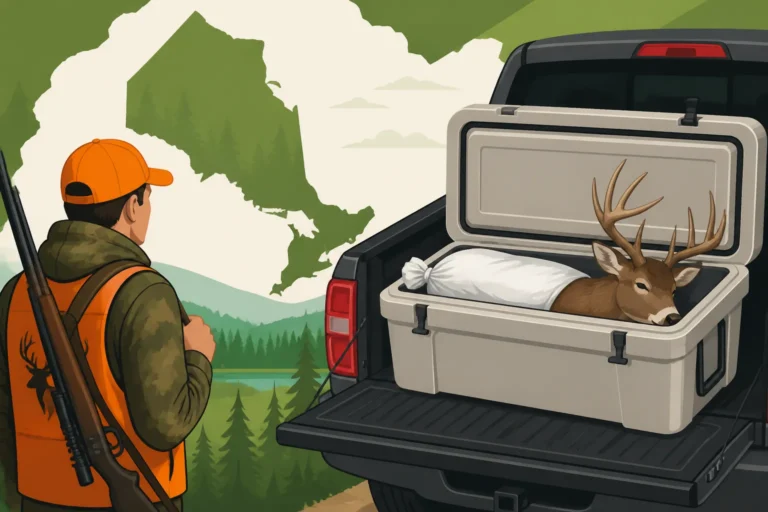
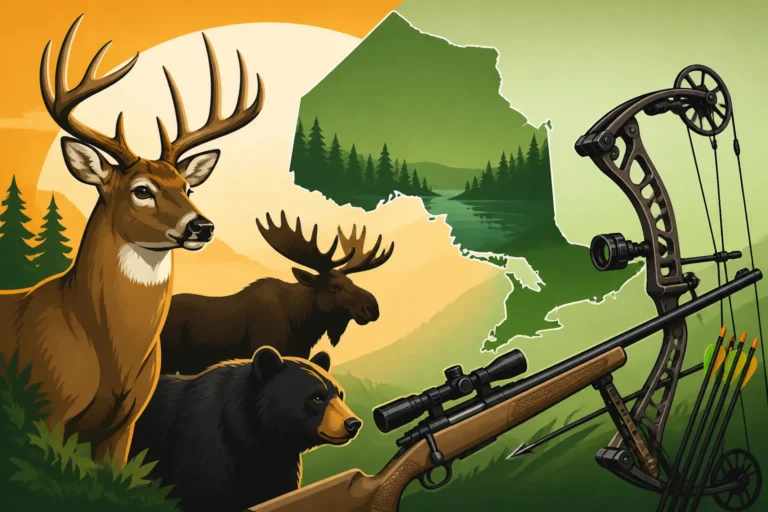
For instance, anyone hunting deer, moose, or bear with a rifle, shotgun, or muzzleloader during their respective open seasons is required to wear blaze orange. This isn't just for the person pulling the trigger; it applies to everyone in the hunting party who is participating in the hunt during these specific seasons. Imagine you’re out during Hunting Ontario's November Gun Season, tracking a whitetail through thick bush – the visibility provided by blaze orange is crucial, especially when other hunters might be doing the same. It's about protecting yourself and others in areas where projectile weapons are actively in use. The rules are designed to prevent accidental shootings, which is something no one ever wants to experience. These mandatory periods often coincide with the busiest times in the bush, increasing the chances of encountering other hunters. Even if you're not actively carrying a firearm, if you're part of a group hunt for big game during a gun season, you're expected to be visible.
Minimum Coverage Requirements: What "Blaze Orange" Actually Means
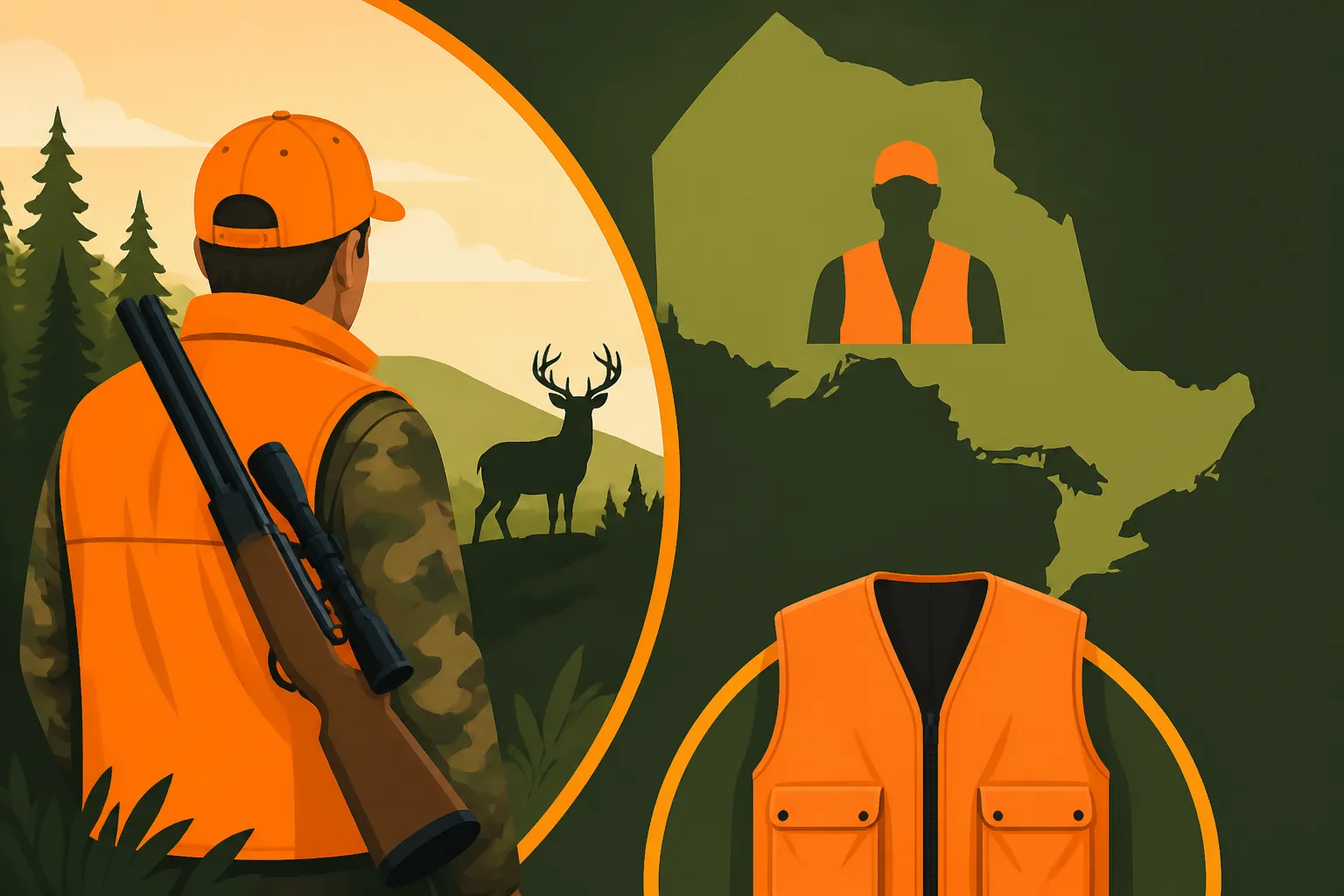
It's not enough to just wear some orange. Ontario regulations specify a minimum amount and type of blaze orange clothing to ensure adequate visibility. The rule states that you must wear a minimum of 400 square inches of blaze orange material above the waist and visible from all sides. This means a small orange patch on your hat or a thin stripe on your jacket simply won't cut it.
Furthermore, this 400 square inches must include a blaze orange hat. So, that trusty old camouflage cap, even if it has an orange logo, needs to be swapped out for a solid blaze orange option. The colour itself is also specific: it must be "blaze orange," which is a very bright, fluorescent shade designed to stand out against natural backgrounds. Regular orange, like what you might see on a construction worker's vest, or camouflage patterns that incorporate orange (often called "hunter orange camo"), usually do not meet the legal requirement for hunters in Ontario. The intent is maximum visibility, and anything that breaks up the solid block of colour or isn't the correct fluorescent shade simply doesn't achieve that as effectively. When you're out Hunting Ontario's Crown Land, where countless others might also be enjoying the outdoors, making yourself as obvious as possible is just plain common sense, and the regulations reflect that.
Exceptions and Best Practices Beyond the Bare Minimum
While mandatory for many, there are specific scenarios where blaze orange isn't required by law. However, even in these instances, considering extra visibility can be a smart move.
When You Don't Need to Wear Blaze Orange
There are several legitimate exceptions to the blaze orange rule, primarily due to the nature of the hunt or the species being pursued.
- Archery Season: If you're Bowhunting Ontario's Long Archery Season for deer or moose, you are not required to wear blaze orange. This is because archery hunting relies heavily on stealth and camouflage to get close to the animal. Wearing bright orange would severely hinder an archer's ability to remain undetected.
- Wild Turkey Hunting: Similarly, when Spring Turkey Hunting in Ontario or during the fall season, hunters are required to wear full camouflage to blend into their surroundings. Turkeys have incredibly sharp eyesight, and any bright colours would immediately spook them.
- Waterfowl Hunting: For those pursuing ducks and geese, camouflage is also the standard dress. Waterfowl Hunting Across Ontario often involves sitting in blinds or among reeds, requiring hunters to be concealed from the keen eyes of migratory birds.
- Small Game and Furbearers: Hunters targeting small game like rabbits or squirrels, or those trapping furbearers, are typically not mandated to wear blaze orange. However, if you are small game hunting during a general gun season for big game, you still need to adhere to the blaze orange rules for that specific period to avoid confusion and ensure safety with other hunters in the area.
It's crucial to understand that these exemptions are in place for very specific reasons related to hunting success for certain species. Even if you're not required to wear it while actively hunting, many seasoned hunters will still wear blaze orange when walking to or from their stands, or when tracking an animal, especially if they know there are other hunters in the area during a big game gun season. This proactive approach significantly boosts safety, particularly in the low light of dawn or dusk.
Elevating Your Visibility for Enhanced Safety
While the 400 square inches and a hat are the legal minimums, many experienced hunters choose to go above and beyond for their own safety and the safety of others. Think about it: that 400 square inches might be easily obscured if you're bending over, behind a tree, or even just in thick brush.
Consider adding a blaze orange vest that covers more of your torso, especially your back. When you're sitting in a tree stand or still-hunting, much of your front may be hidden from a hunter approaching from behind. A vest with ample back coverage ensures you’re visible from all angles. Some hunters even opt for full blaze orange jackets or coveralls during gun season. This added surface area simply makes you harder to miss, which is precisely the point. Also, remember that your blaze orange can get dirty or wet, reducing its brightness. Having a spare, clean piece of orange in your pack isn't a bad idea, especially on longer hunts. When you're out traversing diverse terrain, from dense cedar swamps to open hardwood ridges, maximizing your visual presence for others is always a smart choice.
Navigating the Regulations and Staying Compliant
Understanding the spirit of the blaze orange law – which is about maximizing safety – is just as important as knowing the letter of it. Taking the time to properly prepare your gear and educate yourself helps everyone.
Understanding WMUs and Local Rules
Ontario is divided into numerous Wildlife Management Units (WMUs), and while the blaze orange requirements are generally consistent across the province for big game gun seasons, it's always a good practice to double-check the specific regulations for the WMU you plan to hunt. Some WMUs might have unique considerations or recommendations, though the core blaze orange requirements for firearm hunting big game typically remain universal.
Before every season, I always recommend looking at the official Ontario Hunting Regulations Summary. It's your bible for all things legal and compliant. It not only outlines the blaze orange requirements but also details season dates, bag limits, and specific rules that apply to each Ontario's Wildlife Management Units. You can access this summary online through the provincial government website. It’s always changing, even if subtly, year to year, so don't rely on last year's memory or that dog-eared copy in your truck glove box. This is particularly important for newer hunters or those venturing into an unfamiliar area, as regulations can sometimes vary based on population management goals or local considerations.
Ensuring Your Gear Meets the Mark
Before you even step foot into the field, take a moment to inspect your blaze orange gear. Is it actually blaze orange, or has it faded over time? Is it genuinely 400 square inches, including your hat? I've seen too many hunters show up with a dull, sun-faded vest that barely qualifies, or a camouflage hat with just a hint of orange. Don't be that hunter.
When you're preparing for a hunt, especially for Rifle Hunting Ontario's Deer Season, lay out all your gear. Think about how you'll layer your clothing. You need your blaze orange to be the outermost layer during the required periods, visible from all angles. If you put a camo jacket over your orange vest, you've defeated the purpose and are non-compliant. Also, consider the fit. Your blaze orange should be comfortable enough to wear all day, but not so baggy that it snags on every branch or restricts your movement. This attention to detail isn't just about following the rules; it’s a fundamental part of Ontario Hunter Education Requirements and truly about ensuring everyone has a safe and enjoyable experience in the bush.
Here’s a quick overview of common scenarios for blaze orange in Ontario:
| Hunting Scenario | Blaze Orange Required? | Minimum Requirement | Rationale |
|---|---|---|---|
| Deer, Moose, Bear, Elk (Gun Season) | Yes | 400 sq. inches above waist, visible from all sides, plus blaze orange hat. | High visibility for safety during firearm seasons. |
| Deer, Moose (Archery Season) | No | N/A (Camouflage typically used) | Stealth required for close-range bowhunting. |
| Wild Turkey (Spring/Fall) | No | N/A (Full camouflage required) | Turkeys have excellent eyesight; concealment is critical. |
| Waterfowl (Ducks, Geese) | No | N/A (Camouflage or natural concealment) | Concealment necessary to attract birds. |
| Small Game (e.g., rabbits, squirrels) during Big Game Gun Season | Yes | 400 sq. inches above waist, visible from all sides, plus blaze orange hat. | To ensure safety among all hunters in the field during firearm seasons. |
| Small Game (outside Big Game Gun Season) | No | N/A (Still recommended to consider for visibility, especially if other hunters are present for other species) | Lower risk of firearm-related accidents from other hunters. |
| Trapping | No | N/A | Different activity; focus on stealth/trap placement. |
Remember, while the table outlines the legal requirements, always lean towards more visibility when in doubt, especially during crowded periods or in thick cover. Staying safe means being seen.
Disclaimer
The information provided in this article is for general guidance only and is not a substitute for the official Ontario Hunting Regulations. Hunters are responsible for consulting the most current Ontario Hunting Regulations Summary and any relevant provincial or federal laws before participating in any hunting activity. Regulations can change, and staying informed is the hunter's sole responsibility.