What the Bear Validation Certificate Requires
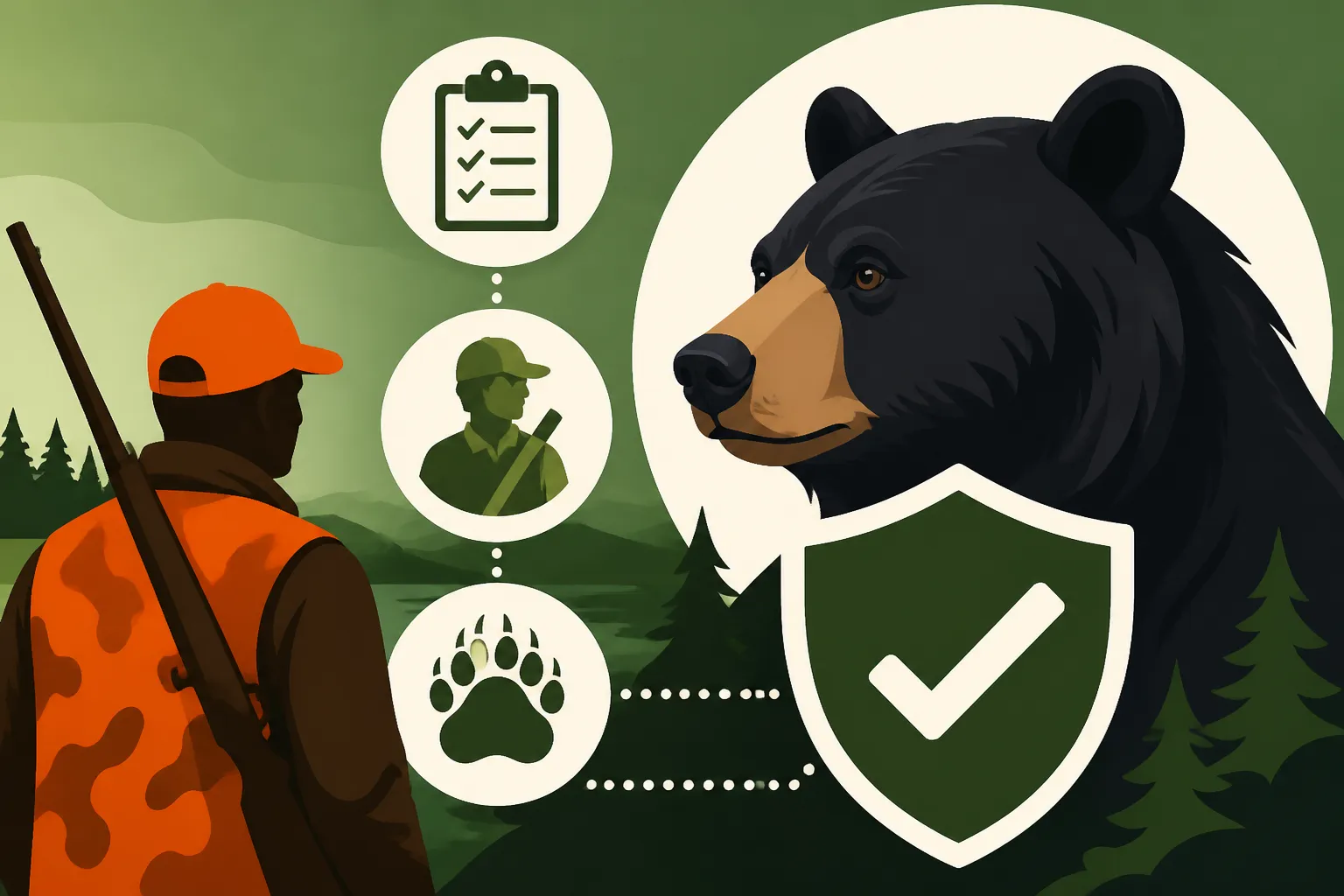
There's nothing quite like the excitement of planning an Ontario bear hunt, whether it's the thrill of a spring pursuit or the anticipation of a fall bait hunt. But amidst all the gear prep and scouting, navigating the paperwork can feel like a real chore, especially when you encounter specific requirements like the Bear Validation Certificate. Many hunters, both seasoned and new, find themselves scratching their heads, unsure if they've got all their ducks (or bears!) in a row. This guide is here to untangle the confusion, walking you through exactly what Ontario's Bear Validation Certificate requires so you can focus on the hunt itself, confident that your paperwork is solid.
Understanding Ontario's Bear Validation Certificate
Before you even think about setting foot in the bush with a bear tag in your pocket, it’s absolutely critical to grasp the nuances of Ontario’s Bear Validation Certificate. This isn't just another piece of paper; it’s a fundamental part of the legal framework that governs bear hunting in the province. Without it, your hunt is simply not legitimate, and you could face significant penalties.
What Exactly Is This Certificate?
Think of the Bear Validation Certificate not as a hunting license itself, but as an add-on or a specific authorization that proves you are legally permitted to hunt black bears in Ontario. You can’t just buy a regular hunting license and assume you’re good to go for bear. This certificate is what specifically validates your eligibility to hunt this particular species. It works in conjunction with your general hunting license and your Outdoors Card. It acts as a clear declaration from the province that, based on your qualifications and the seasons, you are authorized to pursue a black bear within a specific Wildlife Management Unit (WMU) or group of WMUs. It's designed to ensure that only hunters who understand and comply with bear hunting regulations are participating, contributing to the responsible management of Ontario's bear population.
Who Needs a Bear Validation Certificate?
Simply put, anyone planning to hunt black bear in Ontario needs this certificate. This includes both Ontario residents and non-residents. The province makes no distinction here; if you’re targeting a bear, you need the validation. For residents, this means that even if you're an experienced deer hunter with all your other paperwork in order, you’ll still need to acquire this separate validation specifically for bear. Non-residents, who might be more accustomed to guided hunts or different licensing structures in their home jurisdictions, also need to ensure they have this certificate, often arranged through their outfitter or purchased directly themselves. Whether you’re planning to pursue bear during the Ontario Spring Bear Season Rules or the Ontario Fall Bear Season Rules, the certificate is a non-negotiable requirement for all.
Why Is It So Important for Your Hunt?
The importance of the Bear Validation Certificate cannot be overstated. Firstly, it’s a strict legal requirement. Hunting without the proper validation means you are hunting illegally, which carries serious consequences, including hefty fines, loss of hunting privileges, and even confiscation of equipment and harvested game. Beyond the legalities, it plays a vital role in wildlife management. By requiring this specific validation, the Ministry of Natural Resources and Forestry (MNRF) can better track participation in bear hunts, gather crucial data, and ensure that hunters are aware of the specific rules pertaining to black bears. This information helps them monitor bear populations and ensure sustainable hunting practices. It’s not just about compliance; it's about being a responsible conservationist and respecting the resource.
The Step-by-Step Process to Obtain Your Certificate
Navigating government portals and understanding application processes can feel like a labyrinth. Thankfully, getting your Bear Validation Certificate is relatively straightforward once you know the steps. It’s all about having your ducks in a row and understanding the eligibility requirements before you start.
Eligibility and Pre-requisites
Before you can even think about applying for a Bear Validation Certificate, you need to ensure you meet a few fundamental prerequisites. First and foremost, you must possess a valid Ontario's Outdoors Card Explained. This card is your unique identification as a hunter in Ontario and is mandatory for purchasing any hunting licenses or tags. Next, you need a valid hunting license. For bear, this typically means a Resident Bear Hunting Licence or a Non-Resident Bear Hunting Licence, depending on your residency status. To obtain these licenses, you'll need to have completed the Ontario Hunter Education Requirements and passed the Canadian Firearms Safety Course (if hunting with a firearm). These courses ensure you have the foundational knowledge of hunting ethics, safety, and provincial regulations. Don't overlook these steps; they're the building blocks for a legal hunt.
Navigating the Online Application System
The most common and convenient way to acquire your Bear Validation Certificate is through Ontario’s Fish and Wildlife Licensing Service online portal. This is the same portal where you manage your Outdoors Card and purchase other licenses and tags. Once logged in with your Outdoors Card number and date of birth, you’ll navigate to the section for purchasing hunting products. You’ll select the appropriate bear hunting license (resident or non-resident) and then, as part of that purchase, you’ll obtain the Bear Validation Certificate.
Here’s a general rundown:
- Log in: Go to the official Ontario Fish and Wildlife Licensing Service website.
- Select "Purchase Products": This will take you to a list of available licenses and tags.
- Choose "Black Bear Hunting Licence": Make sure you select the correct one for residents or non-residents.
- Confirm Details: The system will usually pre-populate some of your information. Double-check everything, especially your selected season (spring or fall) and WMU if applicable, although for black bear, the validation is typically province-wide for the specific season you're hunting within the open dates.
- Add to Cart and Pay: Once confirmed, you'll add it to your shopping cart and proceed to payment.
Many hunters appreciate the ease of online access, as it can be done from the comfort of your home, avoiding queues. However, be mindful of deadlines, especially if you’re planning a hunt that coincides with the start of a season. Waiting until the last minute can lead to frustration if you encounter technical glitches or internet issues.
In-Person Options and Required Documentation
While the online portal is incredibly convenient, some hunters prefer or need to acquire their certificates in person. You can do this at a ServiceOntario location or through an authorized license issuer. These are often tackle shops, sporting goods stores, or general stores in smaller communities that are set up to process hunting and fishing licenses.
When going in person, make sure you bring:
- Your valid Outdoors Card: This is absolutely essential as your primary identification for hunting in Ontario.
- Proof of residency: For residents, this could be a valid Ontario driver's license or another government-issued ID showing your current address.
- Proof of hunter education: While this is usually linked to your Outdoors Card, it’s always wise to carry your certificate of completion for both the Ontario Hunter Education Course and the Canadian Firearms Safety Course, especially if you’re a newer hunter or haven’t purchased a big game license in a while.
- Payment: Credit card, debit, or cash, depending on the issuer.
Going in person can be helpful if you have questions about specific regulations or want to chat with someone knowledgeable about local hunting opportunities. Just remember that not all locations are open year-round, so check their hours and services before you make the trip.
Key Regulations and What to Remember During Your Hunt
Having your Bear Validation Certificate is just the beginning. Understanding how it integrates with other regulations and what's expected of you during and after your hunt is equally vital. There are specific rules around carrying it, adhering to bag limits, and reporting your harvest.
Carrying and Presenting Your Certificate
Just like your hunting license and Outdoors Card, your Bear Validation Certificate must be carried with you at all times while hunting. This is non-negotiable. Whether you prefer a physical printout or a digital version on your smartphone (which is now often accepted, but always ensure your device has enough battery and screen visibility), it needs to be readily accessible. Conservation Officers have the authority to ask to see your documentation at any time. Being unable to produce it can lead to immediate complications. Imagine finally getting that big bear on the ground after weeks of effort, only to have a Conservation Officer check your papers and find you lacking. That’s a headache no one wants. Always ensure your documents are waterproofed or kept in a secure, dry place, especially when hunting in Ontario’s unpredictable weather.
Understanding Bear Bag Limits and Specific Hunt Areas
Your Bear Validation Certificate authorizes you to hunt black bear, but it doesn't mean you can harvest as many as you want. Ontario has strict bag limits for black bears, typically one bear per hunter per year. This limit is critical for managing the population. While the Bear Validation Certificate itself is generally applicable province-wide for the designated spring or fall season, the actual area you can hunt might be limited by factors such as private land permission or specific WMU restrictions. Always consult the current Ontario Hunting Regulations Summary for the specific year you're hunting. You can find detailed information on Ontario's Black Bear Rules there, which often includes nuances about hunting within certain WMUs or close to protected areas. Knowing your specific WMU boundaries is also crucial, especially if you're Hunting Ontario's Crown Land or navigating areas that might have a mix of public and private property.
Post-Harvest Requirements: Reporting and Tagging
This is where many hunters, especially those new to bear hunting, can make mistakes. Once you've successfully harvested a black bear, there are immediate and crucial steps you must take.
- Attach Your Tag: Immediately after the harvest, you must attach your game tag to the bear. This tag comes with your license purchase and must be securely fastened to the bear's carcass. It needs to be visible and remain attached until the bear is processed for consumption or taxidermy.
- Evidence of Sex: Ontario regulations require that for certain periods or until the bear is transported home, evidence of the bear's sex must be kept naturally attached to the carcass. This is usually a part of the external genitalia. This allows Conservation Officers to verify that you've harvested a legal bear (e.g., ensuring you haven't mistakenly taken a sow with cubs, which is illegal).
- Mandatory Reporting: This is perhaps the most critical post-harvest step. Every successful bear hunter in Ontario must report their harvest to the Ministry of Natural Resources and Forestry (MNRF). This is usually done online through the same licensing portal you used to purchase your certificate. The reporting window is usually very specific, often within 72 hours of the harvest. You'll need details like the date of harvest, WMU, sex of the bear, and whether it was taken by gun or bow. Accurate reporting provides essential data for bear population management and ensures the future of Black Bear Hunting in Ontario.
This entire process, from purchasing your Ontario Hunting Licences and What They Cost to reporting your harvest, is designed to ensure sustainable hunting.
Here’s a quick summary of key requirements:
| Requirement | Description | Importance |
|---|---|---|
| Valid Outdoors Card | Your unique identifier for all Ontario hunting activities. | Mandatory prerequisite for any hunting license or tag purchase. |
| Hunting License (Bear) | Specific license required to hunt black bear (Resident or Non-Resident). | Authorizes you to hunt bear, obtained after meeting hunter education requirements. |
| Bear Validation Certificate | The specific authorization to hunt black bear in Ontario. | Legally validates your bear hunting privilege; without it, your hunt is illegal. |
| Physical/Digital Presence | Must be carried at all times while hunting and presented upon request. | Non-negotiable legal compliance; failure to produce leads to penalties. |
| Bag Limit Adherence | Typically one bear per hunter per year. | Ensures sustainable bear population management. |
| Tag Attachment | Game tag must be immediately and securely attached to the carcass after harvest. | Proof of legal harvest; helps prevent poaching. |
| Evidence of Sex | External genitalia must remain attached to the carcass until processing/transported home. | Allows verification of legal harvest (e.g., avoiding sows with cubs). |
| Mandatory Harvest Report | Online reporting of harvest details (date, WMU, sex, method) within 72 hours. | Crucial for population monitoring and future hunt management. |
Common Pitfalls and Troubleshooting Tips
Even with the best intentions, things can sometimes go sideways. From last-minute rushes to unexpected regulation changes, being prepared for potential issues with your Bear Validation Certificate can save you a lot of grief.
Avoiding Last-Minute Scrambles
The biggest mistake many hunters make is waiting until the eleventh hour to get their paperwork in order. This often happens because they’re so focused on gear, scouting, or travel plans. But imagine hitting the road for a remote Canoe-In Hunting on Ontario Crown Land trip only to discover at the last minute that your certificate hasn't printed correctly, or the online system is down. It's a recipe for stress and potential disappointment.
- Plan Ahead: Mark your calendar for a few weeks before your planned hunt to review all your licenses and certificates.
- Verify Validity: Check the expiry dates on your Outdoors Card and any existing licenses. Renew them well in advance if necessary.
- Test the System: If you’re using the online portal for the first time or after a long break, try logging in and navigating it a few weeks before you need to purchase something. This will alert you to any login issues or system updates.
- Print and Save: Always print a physical copy of your certificate, even if you rely on a digital version. Save a PDF copy to your phone and email it to yourself and a hunting buddy. Backup, backup, backup!
By planning ahead, you mitigate most of the common last-minute frustrations and can ensure a smooth start to your hunt.
What to Do If You Lose Your Certificate
Losing your certificate while deep in the bush can feel like a disaster, but it’s not the end of the world.
- Digital Backup: This is where having a digital copy on your phone or tablet (and possibly an email backup) comes in handy. While some officers might prefer a physical copy, a digital version is generally acceptable if readable.
- Re-print Online: If you have access to a printer, you can log back into the Ontario Fish and Wildlife Licensing Service portal and print another copy. Many remote lodges or small-town accommodations might have public computers and printers available for such emergencies.
- Contact ServiceOntario/License Issuer: If you're near a town, heading to a ServiceOntario centre or an authorized license issuer can help. They can access your profile and print a replacement for you. Remember to bring your Outdoors Card and another form of ID.
- Honesty is Key: If you encounter a Conservation Officer and genuinely cannot produce your certificate, explain the situation honestly. They are ultimately there to enforce regulations, but transparency about a lost document (especially if you can verify its existence via digital means or another hunter in your party) is always better than trying to evade.
Staying Informed About Regulation Changes
Ontario’s hunting regulations, while generally stable, can see adjustments from year to year. New rules might come into effect, WMU boundaries could shift, or reporting procedures might be updated. It’s your responsibility as a hunter to stay current.
- Annual Hunting Summary: The Ministry of Natural Resources and Forestry (MNRF) publishes a new Ontario Hunting Regulations Summary every year. This is your bible for hunting in the province. Always download or pick up the latest version well before your season starts.
- MNRF Website: Regularly check the official MNRF website. They post updates, advisories, and summaries of changes.
- Local Resources: Engage with local hunting clubs, outfitters, or bait shops. They often have their finger on the pulse of local conditions and specific nuances in their area. For instance, an outfitter booking a Booking an Ontario Black Bear Hunt will always be up-to-date on the latest rules.
Being proactive about understanding and complying with the Bear Validation Certificate requirements ensures a legal, ethical, and ultimately more enjoyable hunting experience in Ontario. Don't let paperwork be the reason your adventure is cut short!
Disclaimer
The information provided in this guide is for general informational purposes only and does not constitute legal advice. While we strive to provide accurate and up-to-date information, hunting regulations in Ontario can change. It is the responsibility of every hunter to consult the most current Ontario Hunting Regulations Summary and other official sources from the Ministry of Natural Resources and Forestry (MNRF) before participating in any hunting activity. Always ensure you are fully compliant with all federal, provincial, and local laws.